The Ultimate Guide to NAD Training: Unlocking Cellular Health and Longevity
Have you ever wondered what powers your body at the most fundamental level? Beyond food and water, our cells rely on microscopic molecules to fuel everything from thinking to moving. One of the most vital of these molecules is a coenzyme called Nicotinamide Adenine Dinucleotide, or NAD+. It is the unsung hero of cellular energy and repair, a critical component for maintaining youthful vitality.
As we age, our natural levels of NAD+ begin to decline, contributing to many of the hallmark signs of aging like fatigue, mental fog, and slower recovery. This biological reality has sparked a revolution in longevity science, focusing on ways to restore this essential molecule. For healthcare professionals and clinic owners, understanding how to safely and effectively administer these therapies requires specialized education, making comprehensive NAD training an indispensable asset in the field of regenerative medicine.
This growing interest is not just a trend; it’s a paradigm shift in how we approach health and aging. By focusing on cellular function, we can move from simply managing symptoms to proactively enhancing the body’s own systems for resilience and repair. Understanding NAD+ is the first step on a journey toward optimizing healthspan, not just lifespan, for patients seeking to feel their best at any age.
What Exactly is NAD+?
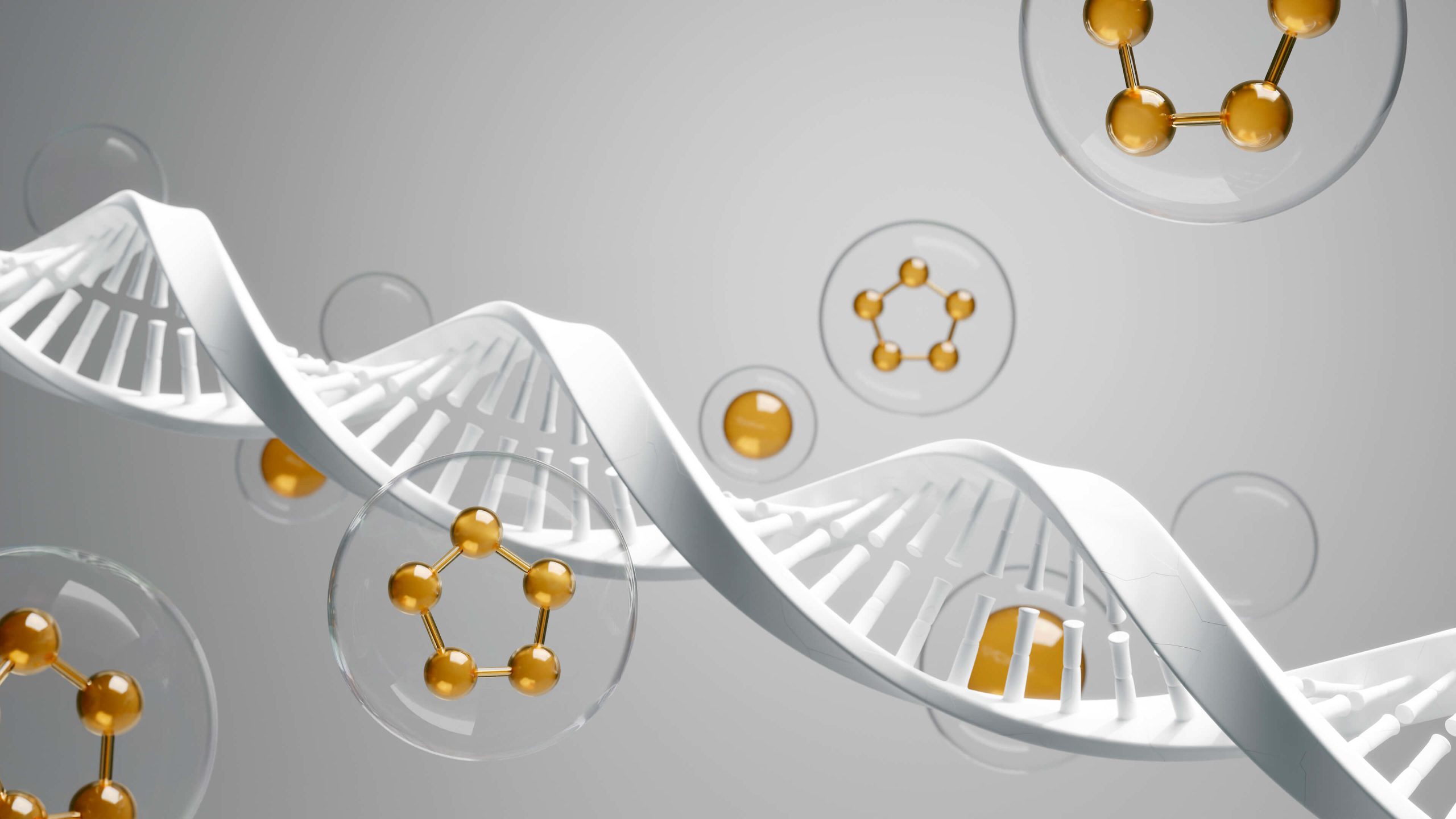
To put it simply, NAD+ is a helper molecule that exists in every single cell of your body. Think of it as the currency of cellular energy. Without it, the process that converts the food you eat into the energy your body uses would grind to a halt. It’s essential for the function of mitochondria, which are often called the ‘powerhouses’ of the cell.
This coenzyme exists in two primary forms: NAD+ and NADH. They work as a pair, with NAD+ being the oxidized form, ready to accept electrons, and NADH being the reduced form, carrying those electrons. This electron transfer process is fundamental to metabolism and energy production, known as cellular respiration. It’s a constant, dynamic cycle that powers life itself.
But its role doesn’t stop at energy. NAD+ is also a crucial substrate, or fuel, for other important proteins. These include sirtuins and PARPs, which are deeply involved in processes like DNA repair, inflammation control, and maintaining our internal body clocks. Essentially, NAD+ is a master regulator of cellular health and resilience.

Why is NAD+ So Important for My Body?
NAD+’s importance stems from its widespread influence on hundreds of critical biological processes. Its most famous role is in creating ATP, the main energy molecule for our cells. When NAD+ levels are high, our mitochondria can efficiently produce the energy needed for all bodily functions, from muscle contraction to neuron firing.
Beyond energy, NAD+ is vital for longevity through its interaction with sirtuins. Sirtuins are a family of proteins that protect our DNA and regulate cellular health, but they can only function when NAD+ is present. They are often called ‘guardians of the genome’ because they help manage inflammation, fortify cellular defenses, and promote efficient metabolism.
Another critical function is DNA repair. Our DNA is constantly under assault from environmental factors and the byproducts of our own metabolism. Poly-ADP-ribose polymerases, or PARPs, are enzymes that rush to the site of DNA damage to make repairs. This crucial process consumes large amounts of NAD+, meaning that without sufficient levels, our body’s ability to maintain its genetic integrity is compromised.
Finally, NAD+ plays a key part in our immune system. It helps regulate the inflammatory response and supports the function of immune cells. A well-functioning immune system depends on the energy and signaling capacity that NAD+ provides, helping us fight off infections and maintain overall health.

What Happens to NAD+ Levels as We Age?
One of the most established facts in aging research is that NAD+ levels systematically decline as we get older. Studies suggest that by middle age, our NAD+ levels may be half of what they were in our youth. This decline is a key driver of the aging process itself, as it impairs the very cellular functions that keep us youthful and healthy.
Several factors contribute to this age-related decline. The enzymes that synthesize NAD+ become less efficient over time. Simultaneously, an enzyme called CD38, which breaks down NAD+, becomes more active as we age, particularly in response to chronic inflammation. This creates a perfect storm where we are producing less and consuming more, leading to a significant deficit.
Lifestyle choices can also accelerate this decline. Chronic psychological stress, a diet high in processed foods, lack of physical activity, and poor sleep all contribute to oxidative stress and inflammation. These conditions place a higher demand on our NAD+ supply for repair and defense, depleting our reserves even faster.

What Are the Signs of Low NAD+ Levels?
Because NAD+ is so fundamental, its decline doesn’t manifest as a single disease but rather as a collection of symptoms often associated with getting older. Persistent fatigue and a general lack of energy are among the most common complaints, as the body’s cellular power plants are running on low fuel.
Cognitive function can also be affected. Many people report experiencing ‘brain fog’, difficulty concentrating, or slower memory recall. The brain is an incredibly energy-intensive organ, and insufficient NAD+ can impair the function of neurons and the communication between them, leading to a decline in mental sharpness.
Other physical signs may include slower recovery from exercise, decreased muscle mass, and metabolic changes that can lead to weight gain. Because NAD+ is essential for DNA repair, its decline can also lead to more visible signs of aging in the skin. Recognizing these signs is not about diagnosing an illness but about identifying an opportunity to support and rejuvenate cellular health from the inside out.
How Can We Increase NAD+ Levels?
Fortunately, the decline in NAD+ is not irreversible. There are several effective strategies to boost its levels and support cellular function. The foundation begins with lifestyle adjustments. Regular exercise, particularly high-intensity interval training, has been shown to stimulate the production of NAD+.
Diet also plays a crucial role. Caloric restriction and intermittent fasting can increase NAD+ levels by activating sirtuins and reducing inflammation. Additionally, consuming foods rich in NAD+ precursors like vitamin B3, found in turkey, salmon, and avocados, can provide the raw materials your body needs for its production.
While lifestyle is foundational, supplementation and direct therapies have become the most powerful tools for significantly raising NAD+ levels. These methods bypass some of the body’s natural limitations and provide a more direct route to cellular rejuvenation. This is where the world of NAD+ precursors and IV therapy comes into play, offering targeted and potent solutions.
What Are NAD+ Precursors?
NAD+ is a large molecule that has difficulty entering cells directly when taken orally. Therefore, most supplements focus on providing its precursors, which are smaller molecules that the body can easily convert into NAD+ through its natural ‘salvage’ pathways. The two most popular and well-researched precursors are Nicotinamide Riboside (NR) and Nicotinamide Mononucleotide (NMN).
NR is a form of vitamin B3 that serves as a direct precursor to NAD+. Once ingested, it is converted within the cells into NMN, and then into NAD+. It has been the subject of numerous human clinical trials showing its ability to safely and effectively increase NAD+ levels in the body. It is widely available as an oral supplement.
NMN is the immediate precursor to NAD+. It sits one step closer in the synthesis pathway, and there is a great deal of excitement surrounding its potential. You can find further reading on Nicotinamide Mononucleotide that details its mechanisms and the current state of research. The availability and legality of NMN as a supplement can vary by region, but it remains a key area of interest in longevity science. Both precursors work by feeding the cellular machinery responsible for recycling and creating new NAD+, and a healthcare professional can help determine which of the different types of NAD boosters is most appropriate for an individual’s needs.

What About NAD+ IV Therapy?
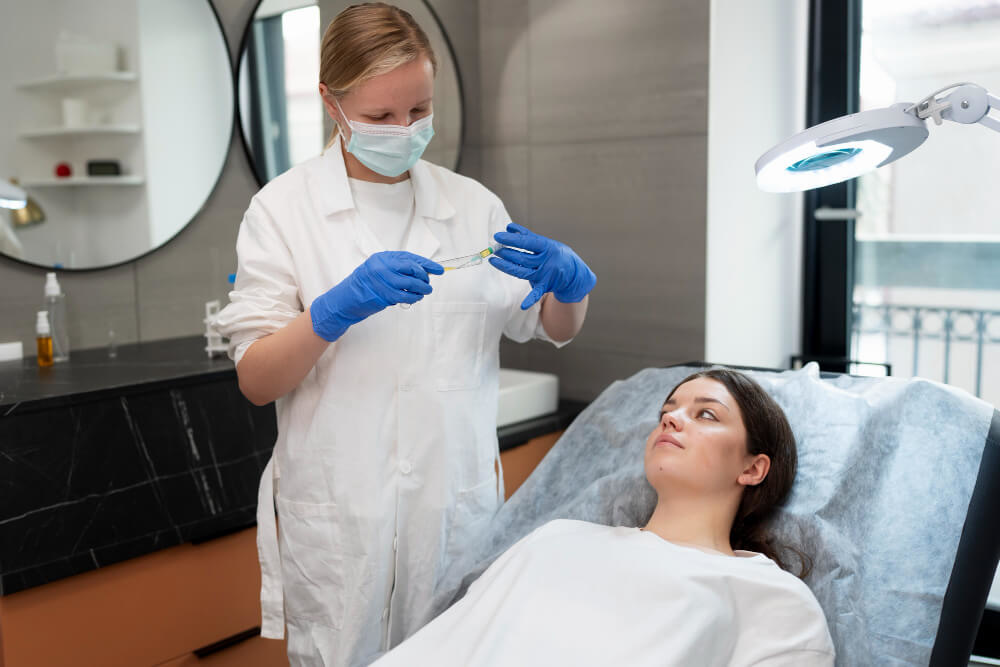
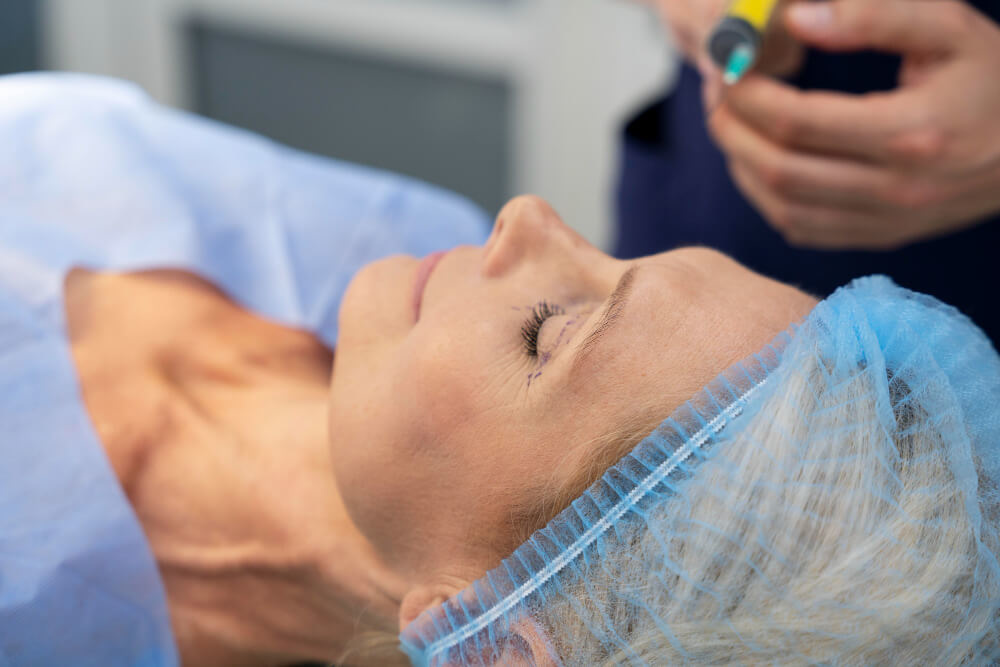
For those seeking the most direct and potent method of increasing NAD+ levels, intravenous (IV) therapy is the gold standard. This approach delivers the NAD+ coenzyme directly into the bloodstream, bypassing the digestive system entirely. This ensures 100% bioavailability, allowing for a rapid and significant increase in cellular NAD+ concentrations.
An NAD+ IV infusion is typically administered over several hours in a clinical setting. Patients may experience some temporary side effects during the infusion, such as flushing, a feeling of pressure in the chest, or mild nausea. These sensations are generally related to the speed of the infusion and can be managed by a trained clinician by slowing the drip rate.
Despite the temporary discomfort for some, the benefits can be profound. Many recipients report a significant boost in mental clarity, enhanced energy levels, improved mood, and faster physical recovery. The clinical applications are vast, with research exploring the therapeutic potential of NAD+ for everything from neurodegenerative conditions to addiction recovery and chronic fatigue. It represents a powerful intervention for resetting cellular health.
What Does the Scientific Community Say About NAD+?
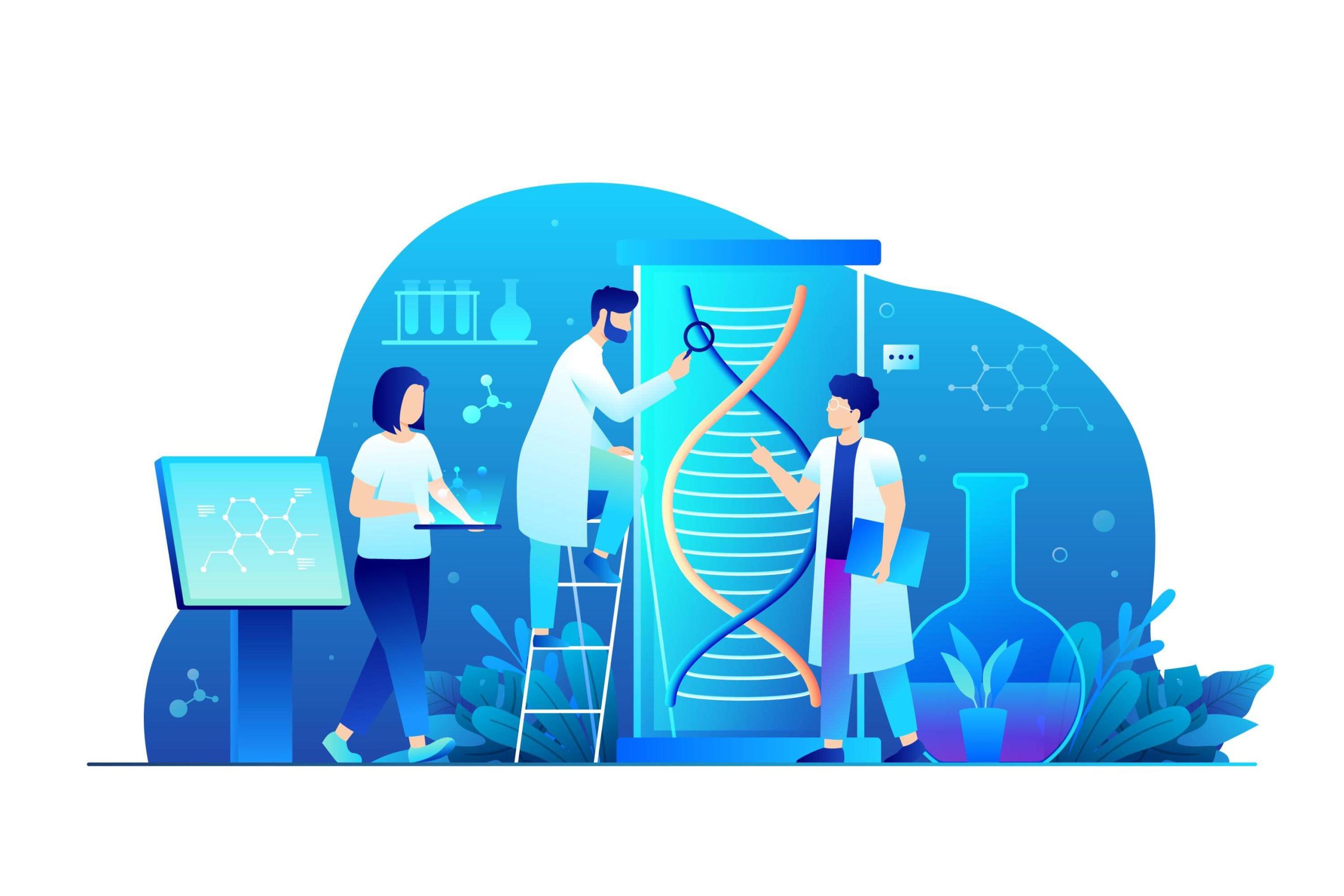
The scientific interest in NAD+ has exploded over the past two decades, moving from a niche topic in biochemistry to a central focus of aging and longevity research. A growing body of evidence, primarily from animal studies, has demonstrated the remarkable effects of restoring NAD+ levels in older organisms. These studies have shown improvements in muscle function, metabolic health, cognitive ability, and even lifespan.
This compelling preclinical data has spurred a wave of human clinical trials. Researchers are now investigating the effects of NAD+ precursors and IV therapy on a wide range of age-related conditions. While human research is a more complex and lengthy process, the initial results are highly encouraging and support the safety and efficacy of these interventions for boosting NAD+ levels.
Organizations dedicated to the science of aging are closely following this field. The consensus is that targeting the decline of NAD+ is one of the most promising strategies for promoting healthier aging. In fact, some research highlighting NAD as a key to healthy aging points to its foundational role in maintaining cellular resilience. The scientific community is optimistic that as research continues, the clinical applications for NAD+ therapy will only expand.
How Does NAD+ Fit into a Broader Anti-Aging Strategy?
It is crucial to view NAD+ therapy not as a standalone magic bullet, but as a powerful component of a comprehensive, personalized anti-aging strategy. True longevity medicine involves a holistic approach that addresses multiple aspects of health, from hormonal balance to metabolic function and cellular repair. Restoring NAD+ levels creates a strong foundation upon which other therapies can be more effective.
For instance, a person’s hormonal health is intrinsically linked to their overall vitality. Optimizing key hormones is another cornerstone of anti-aging medicine. Integrating NAD+ therapy with other advanced protocols like Testosterone Replacement Therapy can create a synergistic effect, as both address fundamental aspects of age-related decline. Healthy NAD+ levels can support the cellular energy required for proper hormone production and signaling.
An effective longevity plan will also include personalized nutrition, a targeted exercise regimen, stress management techniques, and other evidence-based interventions. NAD+ therapy enhances the body’s ability to benefit from these other efforts. By improving mitochondrial function and DNA repair, it ensures the body has the core capacity to rebuild, recover, and thrive. It is a foundational piece of the puzzle, enabling a more robust and resilient state of health.
Why is Specialized Training in NAD Therapy Necessary?
As the demand for NAD+ therapies grows, so does the need for highly trained and knowledgeable healthcare professionals to administer them. This is not a one-size-fits-all treatment. Administering NAD+ effectively and safely requires a deep understanding of its biochemistry, patient selection, and protocol management.
Practitioners must be able to assess a patient’s individual health status, goals, and potential contraindications. They need to know the differences between various precursors and the appropriate applications for oral supplements versus IV therapy. For IV infusions, managing the drip rate to ensure patient comfort while maximizing efficacy is a crucial skill that requires hands-on training and clinical experience.
Furthermore, a trained professional can guide patients on how to integrate NAD+ therapy into a broader health plan for the best possible outcomes. They can set realistic expectations and monitor progress. Proper training ensures that this powerful therapy is used responsibly, maximizing its benefits while prioritizing patient safety above all else.
What Does NAD Training Typically Cover?
Comprehensive training programs for medical professionals delve deep into both the science and the practical application of NAD+ therapies. The curriculum begins with the foundational biochemistry, exploring the pathways of NAD+ synthesis and its role in cellular metabolism, sirtuin activation, and DNA repair. This scientific underpinning is essential for making informed clinical decisions.
Training then moves to the clinical aspects, covering detailed protocols for both oral precursor supplementation and IV infusions. This includes evidence-based dosing strategies, patient screening, and the proper techniques for preparing and administering IV drips. A major focus is placed on safety, including how to recognize and manage potential side effects.
Finally, high-quality training addresses the integration of NAD+ therapy into a medical practice. This includes patient consultation and education, combining NAD+ with other regenerative therapies, and the business considerations for offering these advanced treatments. It equips practitioners with the confidence and competence to become leaders in the rapidly evolving field of longevity medicine.
NAD+ is more than just a supplement; it’s a key to unlocking the body’s innate potential for health and vitality. By understanding and harnessing the power of this essential molecule, we are stepping into a new era of proactive, personalized medicine. For practitioners, mastering these therapies is an opportunity to be at the forefront of this exciting revolution.
Frequently Asked Questions

What specific prerequisites or licenses are required to enroll in an NAD+ IV therapy certification course?
Eligibility for NAD+ IV therapy certification is primarily aimed at licensed medical professionals with the authority to administer intravenous treatments. Typically, this includes Medical Doctors (MDs), Doctors of Osteopathic Medicine (DOs), Nurse Practitioners (NPs), Physician Assistants (PAs), and Registered Nurses (RNs). The fundamental requirement is an active, unrestricted license in your state or country of practice.
Before enrolling, it is crucial to verify the specific prerequisites of the certification body, as some may have additional requirements. For instance, some programs may ask for proof of current malpractice insurance or have a minimum experience level with IV insertion and management. Always confirm that your professional license aligns with your state’s scope of practice laws for administering nutrient IV therapies.
How does obtaining an NAD+ IV therapy certification affect my professional liability and insurance?
Adding any new service, including NAD+ IV therapy, necessitates a review of your professional liability insurance. Obtaining a formal certification is a critical step that demonstrates you have met a recognized standard of training, which can be viewed favorably by insurance carriers. This formal education and credentialing helps mitigate risk by ensuring you are proficient in protocols, patient screening, and managing potential adverse reactions.
You should proactively contact your malpractice insurance provider before you begin offering the therapy to patients. Inform them of your new certification and confirm that your policy provides coverage for wellness-based and nutrient IV therapies. Providing a copy of your certification can help ensure your new services are properly underwritten and that you are protected.
Does the certification include support for integrating NAD+ therapy into my existing practice?
Comprehensive certification programs extend beyond clinical protocols to include vital business and operational training. They recognize that successful implementation requires more than just knowing how to administer the infusion. These courses often include modules on patient consultation workflows, effective pricing strategies, and sourcing high-quality materials.
Furthermore, many top-tier programs provide tangible resources to help you launch the service efficiently. This can include access to preferred vendor lists for NAD+ and IV supplies, customizable patient consent forms, and basic marketing materials. Some certifications also offer ongoing support through alumni networks or forums, creating a community for clinicians to share best practices and troubleshoot challenges.
Discover the most comprehensive functional medicine training, longevity training, and biohacking certification programs designed specifically for healthcare professionals, medics, and clinic owners who want to master regenerative medicine protocols and anti-aging therapies. Elevate your practice and lead the future of health with Talking Longevity.