
NAD Training: Unlocking the Secrets of Cellular Health and Longevity
In the ever-evolving landscape of health and wellness, a tiny molecule is making a massive impact. This molecule, Nicotinamide Adenine Dinucleotide or NAD+, is at the forefront of conversations about aging, energy, and peak human performance. It is not a new discovery, but our understanding of its profound influence on nearly every aspect of our biology has grown exponentially, sparking a revolution in regenerative medicine.
As we age, our natural levels of this critical coenzyme plummet, contributing to many of the hallmark signs of aging we once thought were inevitable. This decline affects our energy, our cognitive function, and our body’s ability to repair itself. The good news is that we are no longer passive observers of this process. Innovative therapies are emerging to restore NAD+ levels, and with them comes a critical need for education. For healthcare professionals looking to lead in this field, comprehensive NAD training has become the essential foundation for delivering these powerful treatments safely and effectively.
This shift represents a new frontier in proactive health management, moving beyond simply treating disease to actively optimizing cellular function for a longer, healthier life. Understanding what NAD+ is, why it declines, and how it can be replenished is the first step for anyone interested in the future of personal wellness. It is also the cornerstone for practitioners who wish to guide their patients through this exciting new territory of biological optimization.

What Exactly Is NAD+?
To understand the excitement surrounding NAD+, we must first grasp its fundamental role in the body. Think of NAD+ as the primary currency of cellular energy. It is a coenzyme, or ‘helper molecule’, found in every single cell, and it is absolutely essential for life. Without it, our cells could not produce energy, repair damage, or maintain healthy function.
NAD+ exists in two forms: NAD+, the oxidized form, and NADH, the reduced form. This pair acts like a tiny rechargeable battery within our cells. When we eat, our bodies break down food into energy through a process called the Krebs cycle. NAD+ is crucial here, accepting electrons to become NADH. This charged-up NADH then donates its electron to the electron transport chain, a process that generates the vast majority of our cellular fuel, called ATP, and in doing so, it reverts back to NAD+, ready to start the cycle again.
But its job doesn’t stop at energy production. NAD+ is also a critical substrate for important proteins that regulate cellular health and aging. Sirtuins, often called ‘longevity genes’, are a class of proteins that protect our DNA and regulate inflammation, but they require NAD+ to function. Another group of enzymes, called PARPs, use NAD+ to repair damaged DNA. When DNA damage occurs due to toxins or radiation, PARPs consume large amounts of NAD+ to fix the breaks, highlighting its role as a first responder to cellular stress.
In essence, NAD+ is a linchpin of cellular vitality. It powers our metabolism, protects our genetic blueprint, and orchestrates our body’s defense and repair systems. Its central role in these life-sustaining processes is why its decline is so closely linked to the aging process.
Why Do Our NAD+ Levels Decline?
The decline of NAD+ is a natural part of the aging process. Studies show that by the time we reach middle age, our NAD+ levels may be half of what they were in our youth. This drop is not just a symptom of aging; many scientists believe it is a key driver of it. But why does this happen?
One primary reason is a decrease in the body’s ability to produce and recycle NAD+. The pathways that synthesize this vital coenzyme become less efficient over time. Simultaneously, the cellular activities that consume NAD+ increase as we get older. Chronic inflammation, a common feature of aging, activates enzymes that use up NAD+.
Furthermore, accumulated DNA damage over a lifetime requires constant repair work from PARP enzymes, which are voracious consumers of NAD+. It creates a vicious cycle: lower NAD+ levels impair DNA repair, leading to more damage, which in turn consumes even more NAD+. This depletes the pool of NAD+ available for other essential functions like energy production and sirtuin activity.
Lifestyle factors also play a significant role in accelerating this decline. Chronic psychological stress, a diet high in processed foods and sugar, excessive alcohol consumption, and a sedentary lifestyle all contribute to oxidative stress and inflammation, further taxing our NAD+ supply. The visible and internal signs of aging, such as persistent fatigue, mental fog, slower recovery, and metabolic changes, are all connected to this diminishing resource.
How Can We Boost NAD+ Levels?
Recognizing the critical link between declining NAD+ and aging has spurred a search for effective ways to replenish it. Fortunately, there are several strategies, ranging from simple lifestyle adjustments to advanced clinical therapies, that can help restore this vital coenzyme. These approaches work by either enhancing the body’s natural production of NAD+ or by directly supplying it or its precursors.
Can Lifestyle Changes Make a Difference?
Yes, foundational health habits can have a meaningful impact on your NAD+ levels. Regular exercise, particularly high-intensity interval training (HIIT) and resistance training, has been shown to stimulate the production of NAD+. The physical stress of exercise signals to the body that it needs more energy, prompting cells to ramp up their NAD+ synthesizing machinery.
Your diet is another powerful tool. Consuming foods rich in B-vitamins, especially vitamin B3 (niacin), provides the raw materials the body needs to make NAD+. Foods like turkey, salmon, avocados, and green vegetables are excellent sources. Additionally, practices like intermittent fasting or caloric restriction can boost NAD+ levels. When the body is in a fasted state, it activates sirtuins and other pathways that conserve and regenerate NAD+, mimicking some of the cellular benefits of youth.
What About Oral Supplements?
For those looking for a more direct boost, oral supplements containing NAD+ precursors have become incredibly popular. These precursors are the building blocks that the body can convert into NAD+. The two most well-known precursors are Nicotinamide Riboside (NR) and Nicotinamide Mononucleotide (NMN). These compounds are more stable and more easily absorbed than taking NAD+ itself orally.
NR has been studied for its ability to effectively raise NAD+ levels in the body. Examine.com provides a comprehensive overview of the current research, detailing its effects on various health markers. NMN is another precursor that sits one step closer to NAD+ in the synthesis pathway. Both supplements have shown promise in preclinical studies for improving metabolic health, physical endurance, and cognitive function.
While these oral supplements offer a convenient way to support NAD+ levels, questions about their bioavailability and the optimal dosage for different individuals remain. They represent a fantastic supportive strategy, but for a more powerful and immediate effect, many people turn to intravenous therapy.
What is NAD+ IV Therapy?
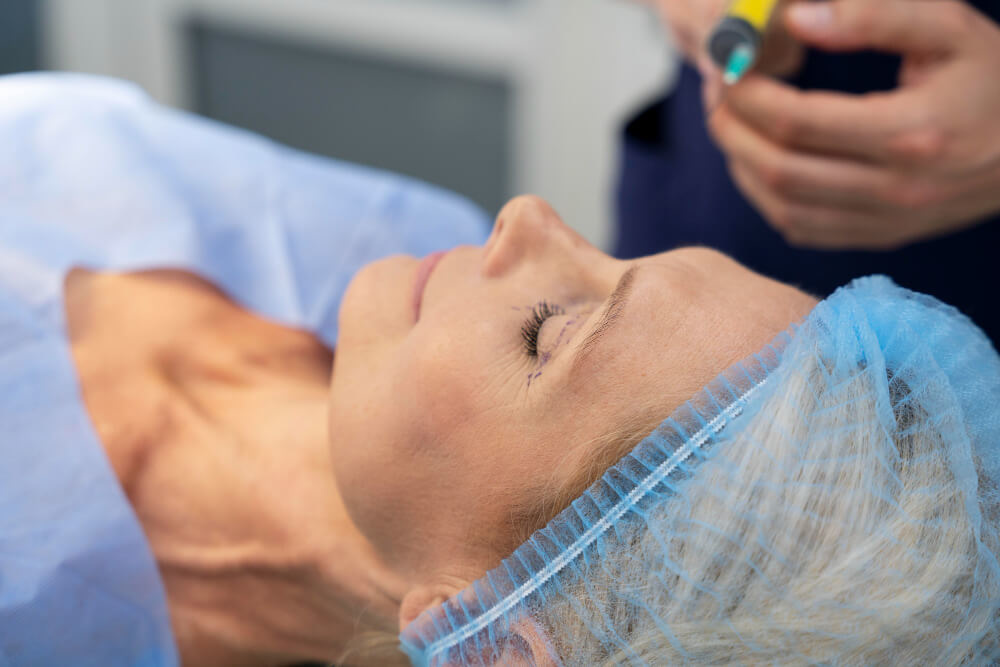
NAD+ IV therapy involves administering a high dose of the coenzyme directly into the bloodstream through an intravenous drip. This method bypasses the digestive system entirely, ensuring 100 percent bioavailability. This means the full dose of NAD+ is delivered directly to the cells throughout the body where it is needed most.
The primary advantage of IV therapy is its potency and speed. It can rapidly elevate the body’s NAD+ levels far beyond what is achievable through diet or oral supplements alone. This makes it a powerful intervention for individuals seeking significant regenerative effects, from enhancing athletic recovery and sharpening mental clarity to supporting the body’s healing processes in cases of chronic illness or addiction.
Clinics specializing in regenerative medicine offer NAD+ IV infusions for a variety of goals, including anti-aging, neuro-regeneration, managing chronic fatigue, and improving metabolic function. The direct and powerful nature of this therapy underscores the absolute necessity for it to be administered by a trained and knowledgeable professional.

Why is Specialized Training for NAD+ Therapy So Important?
The administration of NAD+ intravenously is a medical procedure, not a simple wellness trend. While the potential benefits are immense, ensuring patient safety and achieving optimal outcomes requires a deep understanding of the science and clinical application. This is why specialized training is not just beneficial; it is essential for any practitioner offering this advanced therapy.
Simply knowing that NAD+ is good for the body is not enough. A trained professional must understand the intricate biochemistry, patient selection, dosing strategies, and potential complications. Without this expertise, the therapy can be ineffective at best and unsafe at worst. Proper training transforms a practitioner from someone who simply administers a substance to a true expert who can leverage its full therapeutic potential.
What Do Practitioners Learn in NAD Training?
Comprehensive NAD+ training programs cover a wide spectrum of knowledge, equipping healthcare professionals with the skills to deliver this therapy with confidence and precision. The curriculum goes far beyond just the ‘how-to’ of starting an IV line.
A crucial component is patient assessment and screening. Practitioners learn to identify ideal candidates for the therapy and, just as importantly, to recognize contraindications or situations where the therapy might not be appropriate. They learn to take thorough medical histories and understand how NAD+ might interact with existing conditions or medications.
Furthermore, dosing is not a one-size-fits-all equation. The correct dosage and infusion rate can vary dramatically based on the patient’s size, age, health status, and therapeutic goals. Well-researched clinical protocols for NAD infusions provide a framework, but a trained clinician knows how to tailor these protocols to the individual for maximum efficacy and minimal side effects.
This leads directly to administration techniques. Learning how to administer intravenous NAD safely is a core skill. The infusion must be managed carefully, as administering it too quickly can lead to uncomfortable side effects like chest pressure, muscle cramps, and nausea. A trained professional knows how to monitor the patient, adjust the drip rate, and manage these symptoms effectively to ensure a positive and comfortable experience.
The future of medicine is personalization, and NAD+ therapy is no exception. Advanced training is beginning to incorporate cutting-edge concepts that allow for even greater customization. Understanding the role of genomics in personalized patient treatment can help practitioners tailor therapies based on an individual’s unique genetic predispositions, potentially optimizing outcomes in ways we are just beginning to explore.

What Does the Science Say About NAD+?
The scientific community is buzzing with research on NAD+, and for good reason. The initial findings, primarily from animal studies, have been nothing short of remarkable, showing that boosting NAD+ can reverse aspects of aging, improve metabolic health, and protect the brain from age-related decline. This has led to widespread media attention, with many asking, ‘Is an anti-aging pill on the horizon?‘.
Leading researchers in the field of aging, such as Harvard’s David Sinclair, have published landmark studies demonstrating the rejuvenating effects of NAD+ precursors in mice. These studies have paved the way for human trials, which are now underway to validate these findings. For those who want to dive deep into the science, resources like Dr. Rhonda Patrick’s FoundMyFitness provide detailed explanations of the mechanisms and latest research in an accessible format.
While the excitement is palpable, it is important to maintain a balanced perspective. The field is still relatively young, and much of the definitive human data is still being collected. However, the existing body of evidence is strong and growing. A search of scientific literature reveals a wealth of information. For instance, this comprehensive review from the National Center for Biotechnology Information discusses the therapeutic potential of NAD+ repletion for a range of age-related diseases, providing a solid scientific foundation for its use.
The consensus is that NAD+ is a profoundly important molecule for health and longevity. While we await the results of more large-scale human clinical trials, the existing evidence from preclinical studies and smaller human trials, combined with countless anecdotal reports from clinics, strongly supports its role as a powerful tool for enhancing cellular health.
Who Can Benefit from NAD+ Therapy?
Given its fundamental role in cellular function, the potential applications for NAD+ therapy are incredibly broad. A wide range of individuals may find significant benefits from boosting their NAD+ levels, particularly when guided by a qualified professional. The therapy is not just for those who are already experiencing health issues; it is also a powerful tool for proactive wellness and optimization.
One of the largest groups interested in NAD+ are those focused on healthy aging and longevity. By restoring NAD+ to more youthful levels, individuals may experience increased energy, improved mental clarity, better skin elasticity, and an overall sense of vitality. It is a proactive strategy to combat the cellular decline that underlies the aging process.
Athletes and active individuals are another key demographic. NAD+ is at the core of energy metabolism and muscle repair. Supplementing with NAD+ may lead to enhanced physical performance, reduced recovery times after intense workouts, and improved endurance. It helps the body produce energy more efficiently and repair cellular damage caused by strenuous exercise.
People struggling with persistent fatigue, ‘brain fog’, or cognitive decline may also be excellent candidates. Since the brain is an energy-intensive organ, it is particularly sensitive to declining NAD+ levels. Restoring this coenzyme can support neuronal health, enhance focus and concentration, and improve overall cognitive function.
Finally, NAD+ therapy has gained significant recognition for its role in addiction recovery. The process of detoxification is physically and mentally demanding, and NAD+ can help repair cellular damage caused by substance abuse and reduce cravings. It supports neurological healing and helps restore the brain’s natural balance.
Frequently Asked Questions
If NR and NMN both boost NAD+, does it matter which one I take?
Choosing between Nicotinamide Riboside (NR) and Nicotinamide Mononucleotide (NMN) often comes down to current research, regulatory status, and personal preference. NR is a smaller molecule that has a more extensive history of human clinical trials demonstrating its safety and efficacy in boosting NAD+ levels. It is also more widely available as a dietary supplement with a clearer regulatory pathway in many countries, including the United States.
Conversely, NMN is one step closer to NAD+ in the metabolic pathway, leading some to theorize it could be a more direct and efficient precursor. While animal studies are very promising, human research on NMN is still catching up to that of NR, and its regulatory status is more complex. Ultimately, both are effective, but your choice may depend on whether you prioritize the compound with more established human safety data (NR) or the one that is biochemically closer to NAD+ (NMN).

Why should I take a precursor like NR or NMN instead of just taking NAD+ directly?
The primary reason for taking a precursor is bioavailability, which is the ability of a substance to be absorbed and used by the body. The NAD+ molecule itself is quite large, making it difficult to pass through cell membranes to be utilized effectively when taken orally. Most direct oral NAD+ supplementation would likely be broken down in the digestive tract before it could raise NAD+ levels within your cells.
Precursors like NR and NMN are smaller, more stable molecules that are readily absorbed and transported into cells. Once inside, the cell’s natural enzymatic machinery efficiently converts them into NAD+, effectively refilling the cell’s supply. This precursor strategy bypasses the absorption problem of direct NAD+ supplementation, making it a far more reliable method for increasing intracellular NAD+ levels.

Are there any known side effects or safety concerns with NR or NMN supplementation?
Based on numerous human clinical trials, both NR and NMN are generally considered safe and well-tolerated when consumed at the recommended dosages. The most commonly reported side effects are mild and infrequent, potentially including nausea, mild headaches, fatigue, or minor digestive upset. These effects are typically associated with starting a regimen or taking doses significantly higher than what is standardly recommended.
It is crucial to source these supplements from reputable manufacturers who perform third-party testing to ensure product purity and potency, as the supplement market is not uniformly regulated. As with any new supplement, consulting with a healthcare professional before beginning is highly advised. This is especially important for individuals with pre-existing medical conditions or those who are taking other medications to avoid potential interactions.
Discover the most comprehensive functional medicine training, longevity training, and biohacking certification programs designed specifically for healthcare professionals, medics, and clinic owners who want to master regenerative medicine protocols and anti-aging therapies.