
The Ultimate Guide to Exosome Training for Medical Professionals
In the rapidly advancing world of regenerative medicine, a new frontier is capturing the attention of scientists, doctors, and patients alike. This frontier revolves around tiny, powerful messengers that our bodies produce naturally. They are called exosomes, and they represent a monumental shift in how we understand cellular communication and healing. As interest skyrockets, the need for credible, in-depth education has become paramount for any healthcare professional looking to stay at the forefront of medical innovation.
This growing demand highlights the critical importance of specialized knowledge. For practitioners aiming to harness the potential of these cellular signals, comprehensive exosome training is not just an advantage; it’s a necessity. This type of education provides the scientific foundation and practical skills required to safely and effectively apply exosome-based therapies, transforming patient outcomes and expanding the scope of modern medical practices.
The journey into exosome therapy is one of immense promise, offering new avenues for tissue repair, skin rejuvenation, and managing inflammatory conditions. Understanding the science, protocols, and patient selection criteria is the key to unlocking this potential. It’s about moving beyond the hype to deliver real, science-backed results in a clinical setting.
What Exactly Are Exosomes?
Imagine your body is a vast, bustling country with trillions of citizens, which are your cells. For this country to function, these citizens need to communicate constantly, sending messages about what’s needed, where repairs are required, and how to respond to threats. Exosomes are the high-tech postal service in this system. They are incredibly small vesicles, or sacs, released by almost all types of cells.
These tiny packages are not empty. They are filled with a cargo of vital materials, including proteins, lipids, and genetic information like RNA. When a cell releases an exosome, it travels through the body’s fluids, such as blood or lymph, until it finds its target recipient cell. Upon arrival, it merges with the new cell and delivers its contents, effectively giving the recipient cell a new set of instructions.
This process of cell-to-cell communication is fundamental to maintaining health, coordinating growth, and mounting an immune response. For a long time, these vesicles were thought to be simple cellular waste products. We now know they are sophisticated communicators that play a crucial role in orchestrating complex biological processes.

Why Is There So Much Buzz Around Exosomes?
The excitement surrounding exosomes stems from their unique function as natural biological messengers. Unlike introducing foreign substances or even whole cells into the body, exosome therapy utilizes the body’s own communication system to promote healing and regeneration. This cell-free approach carries a lower risk of rejection or other adverse immune reactions, making it an incredibly appealing therapeutic option.
In the field of regenerative medicine, the potential is enormous. Researchers are exploring how exosomes derived from young, healthy stem cells can be used to signal older or damaged tissues to repair themselves. This could have profound implications for conditions ranging from orthopedic injuries to chronic inflammatory diseases and even neurodegenerative disorders. The exosomes carry the ‘youthful’ and ‘healthy’ messages from the stem cells without requiring the stem cells themselves.
Beyond just repair, exosomes are also making waves in diagnostics. Because they carry molecular signatures of their cell of origin, they can be detected in blood or urine, acting as biomarkers. This could lead to new, non-invasive tests for a variety of diseases, allowing for earlier and more accurate diagnoses. The versatility of these tiny powerhouses is what makes them one of the most talked-about subjects in modern biology.

How Do Exosomes Work in the Body?
To appreciate the power of exosome therapy, it’s helpful to understand the mechanism behind their action. The magic lies in the cargo they carry. When a donor cell, for example a mesenchymal stem cell, releases exosomes, it loads them with specific signaling molecules that reflect its own state and function. This cargo can include growth factors, anti-inflammatory proteins, and microRNAs that regulate gene expression.
Once released, these exosomes navigate to recipient cells. The surface of an exosome has proteins that act like a key, allowing it to dock with specific receptors on a target cell. After docking, the exosome can fuse with the cell membrane, delivering its contents directly into the cell’s cytoplasm. This delivery changes the behavior of the recipient cell.
For instance, if a recipient cell is in an inflamed state, an exosome carrying anti-inflammatory signals can instruct it to calm down, reducing inflammation at a local level. If a cell is old or slow to divide, an exosome packed with growth factors can encourage it to proliferate and begin repairing damaged tissue. It’s a highly targeted and natural form of biological instruction, using the body’s own language to facilitate healing.
What Is Exosome Therapy?
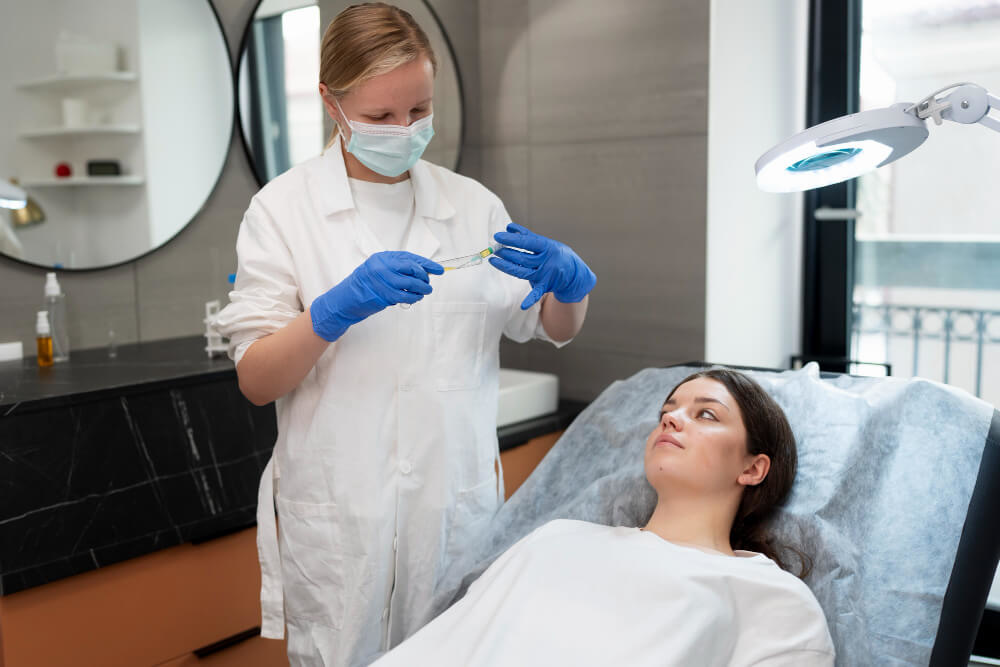
Exosome therapy is a form of regenerative medicine that uses exosomes, typically isolated from mesenchymal stem cells (MSCs), to stimulate the body’s natural healing processes. These MSCs are often sourced from ethically donated umbilical cords, adipose tissue, or bone marrow. The exosomes are then separated and purified in a laboratory setting to create a concentrated, cell-free therapeutic product.
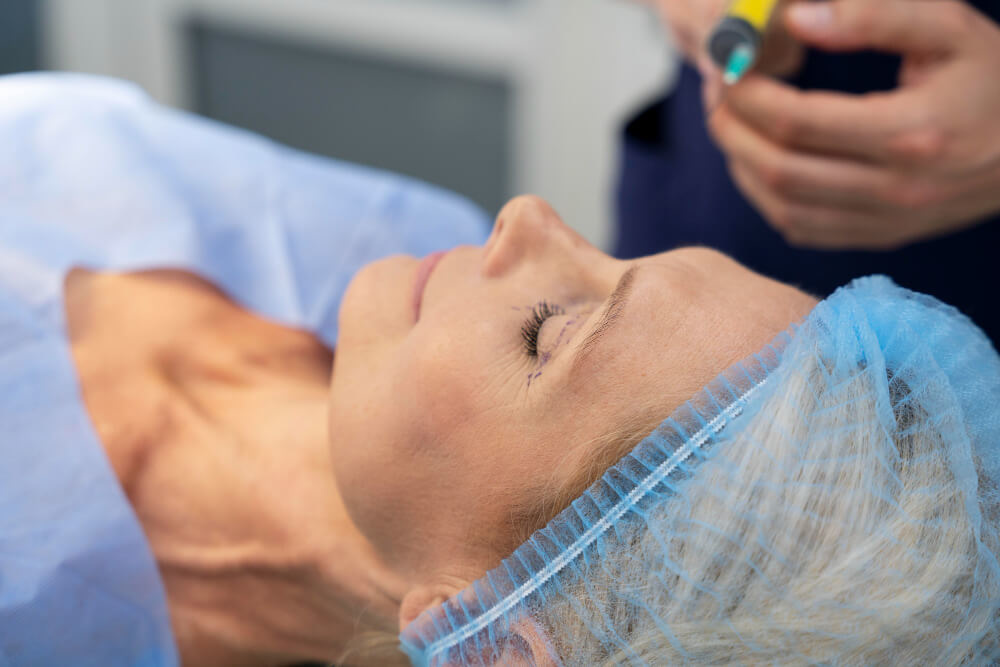
This product can be administered to patients in various ways depending on the condition being treated. For aesthetic purposes, it might be applied topically after a procedure like microneedling to enhance skin rejuvenation. For orthopedic issues, it could be injected directly into a joint to reduce inflammation and promote cartilage repair. Intravenous administration is also used for systemic effects.
The key takeaway is that it’s a cell-free therapy. Patients receive the powerful signaling molecules without the introduction of whole cells. This is a significant distinction from traditional stem cell therapy and is a primary reason for its growing popularity and favorable safety profile.
Why Is Specialized Training Necessary for Exosome Therapy?
The leap from scientific discovery to clinical application is a significant one, and it demands a deep level of expertise. Exosome therapy is not a one-size-fits-all solution. Proper training is essential to ensure that practitioners are not just administering a product but are truly leveraging the science for optimal patient outcomes. This is where the responsibility of the medical professional comes into sharp focus.
First, a trained professional must understand the science of exosome biology. This includes knowing how they are sourced, isolated, and characterized. Not all exosome products are created equal. A practitioner needs to be able to evaluate the quality, purity, and concentration of a product to ensure it is both safe and potent. A foundational understanding of the latest scientific literature is crucial, and a great place for a general exosome research overview can provide context for the complexity involved.
Second, safety and patient selection are paramount. A trained clinician learns to identify the right candidates for therapy, understand potential contraindications, and manage patient expectations. They must know the correct dosage and administration protocols for different conditions. This knowledge prevents misuse and maximizes the therapeutic benefit. The scientific community, through organizations like the International Society for Extracellular Vesicles, works to establish standards and best practices that educated professionals must follow.
Finally, the field is evolving at an incredible pace. Ongoing education allows a practitioner to stay current with the latest research, emerging applications, and regulatory guidelines. Without this commitment to learning, a provider risks falling behind and offering outdated or less effective treatments. The dynamic nature of this field is well-documented in leading scientific publications that chronicle the latest breakthroughs on the subject of exosomes.

What Does Comprehensive Exosome Training Cover?
High-quality training programs are designed to be thorough, covering everything from the basic science to the practical business of offering a new therapy. They equip medical professionals with the confidence and competence needed to become leaders in this innovative space. The curriculum is typically multifaceted, addressing the core pillars of knowledge required for successful implementation.

Does It Cover the Science and Sourcing?
Yes, a core component of any reputable training program is a deep dive into the fundamental science. This starts with the biology of what an exosome is as a vesicle and its role in intercellular signaling. Participants learn about the different sources of exosomes, with a particular focus on mesenchymal stem cells, and the pros and cons associated with each source.
Crucially, the training covers the manufacturing process. This includes the methods for isolating exosomes from the cellular culture medium, techniques for purifying them to remove contaminants, and the analytical methods used to characterize the final product. A provider must know how to read a certificate of analysis and understand what metrics like particle count, size distribution, and protein content actually mean for clinical efficacy.

What About Clinical Applications and Protocols?
Absolutely. The theoretical knowledge is paired with extensive training on clinical applications. This is where science meets practice. The curriculum details the use of exosomes across various medical disciplines, including aesthetics, orthopedics, sexual wellness, and hair restoration. Each application requires a different approach and understanding.
For example, practitioners learn the specific protocols for using exosomes in aesthetic medicine, such as how to combine them with microneedling or energy-based devices to accelerate healing and amplify results. They also learn injection techniques for joint pain or scalp treatments for hair loss. This part of the training focuses on dosage, delivery methods, and treatment frequency tailored to individual patient needs and goals.

How Is Patient Safety and Management Handled?
Patient safety is the bedrock of any medical procedure, and exosome training places a heavy emphasis on it. This includes comprehensive instruction on patient consultation and selection. Professionals learn how to conduct thorough medical histories to screen for contraindications and how to have transparent conversations with patients about what exosome therapy can and cannot do.
Furthermore, the training covers the management of potential side effects, although rare, and post-treatment care instructions. Setting realistic expectations is a key skill taught, as it is vital for patient satisfaction. A well-trained provider knows how to document progress, schedule follow-up appointments, and create a long-term treatment plan that aligns with the patient’s health and wellness journey.

How Can Medical Professionals Integrate Exosomes into Their Practice?
Adding a new service line requires more than just clinical knowledge; it involves strategic planning and business acumen. Integrating exosome therapy successfully means thinking about marketing, pricing, and how it fits within your existing offerings. A good training program will often touch upon these practical aspects, ensuring a smooth and profitable integration.
One of the first steps is to determine how this therapy complements what you already do. Exosomes are not a standalone magic bullet but a powerful tool that can enhance other treatments. For instance, a practice focused on aesthetics can use exosomes to improve outcomes from laser treatments or chemical peels. A sports medicine clinic can use them to augment physical therapy and other regenerative treatments like PRP.
Thinking strategically about how to add exosome treatments to a medical practice ensures that it becomes a synergistic part of your business rather than a disconnected service. It’s about creating comprehensive wellness protocols for your patients. This holistic approach is becoming increasingly popular, and many clinics are finding success by combining various advanced therapies. For example, understanding how to approach integrating hormone optimization into a primary care practice can work hand-in-hand with exosome therapy to provide a more complete anti-aging and wellness solution for patients.
Marketing your new service is also critical. This involves educating your existing patient base about the benefits of exosome therapy through newsletters, in-office materials, and social media. Highlighting the science-backed nature of the treatment and your specialized training will build trust and attract new clients who are seeking the latest in regenerative care.

What Is the Future of Exosome Therapy and Training?
The field of exosome research is anything but static. It is one of the most dynamic areas of biomedical science, with new discoveries being published constantly. The future of exosome therapy holds the promise of even greater specificity and more powerful therapeutic effects. Scientists are working on ‘engineering’ exosomes, loading them with specific drug molecules or genetic material to target diseases like cancer with unprecedented precision.
We may also see the development of exosome-based diagnostics become a standard part of preventive medicine. Imagine a simple blood test that can detect the earliest signs of disease long before symptoms appear, all by analyzing the exosome profile in your circulation. This would revolutionize healthcare, shifting the focus from treatment to true prevention.
As the applications expand, the need for high-level training will only intensify. Future training programs will need to incorporate these new advancements, teaching practitioners about next-generation exosome products and novel delivery systems. The importance of lifelong learning in this field cannot be overstated for any professional who wants to remain a relevant and effective provider of regenerative medicine.
Staying connected to the scientific community and pursuing ongoing education will be the defining characteristic of leading exosome practitioners. The commitment to mastering this craft is a commitment to the future of medicine and to delivering the best possible care to patients seeking to optimize their health and longevity.
Frequently Asked Questions

Since specific CPT codes for exosome therapy are unavailable, what is the best practice for documenting the procedure for our records?
When billing for exosome procedures, meticulous documentation is your best defense and a critical component of compliance. You will likely use an unlisted procedure code, such as 20999 (Unlisted procedure, musculoskeletal system, general), which requires a detailed operative report to be submitted with the claim. This report should clearly describe the service provided, including the specific exosome product used, its lot number, the volume administered, and the precise anatomical location of the injection.
Furthermore, patient consent forms must be comprehensive and transparent, explicitly stating the investigational nature of exosome therapy. It is essential to include a financial waiver or an Advance Beneficiary Notice (ABN) that the patient signs, acknowledging they are aware the procedure is not typically covered by insurance and that they are financially responsible for the full cost. This documentation protects the practice from future disputes and ensures the patient is fully informed.

Why is it so difficult to get health insurance to cover exosome procedures?
The primary reason for insurance denials is that most carriers classify exosome therapy as an investigational and experimental treatment. Insurers require extensive, large-scale clinical trial data to prove a procedure is both safe and effective before they will consider it a standard, medically necessary service for coverage. As of now, exosome therapy lacks this level of evidence for most clinical applications, leading to its exclusion from most insurance policies.
This "investigational" status means that even if you use an unlisted code and submit a perfect claim, the carrier’s internal medical policies will almost certainly flag it for non-payment. Therefore, practices and patients should operate under the assumption that exosome procedures are a self-pay service. Attempting to bill insurance often results in wasted time and can create false hope for the patient regarding reimbursement.

What factors should our practice consider when setting a cash-pay price for exosome treatments?
Establishing a fair and sustainable cash price for exosome treatments involves balancing several key financial and market-based factors. First, you must calculate your direct costs, which include the acquisition cost of the exosome product itself, along with all associated medical supplies like needles, syringes, and local anesthetic. You must also account for the clinician’s time and expertise required to perform the procedure safely and effectively.
Beyond these direct costs, consider your practice’s overhead, such as rent, staff salaries, and marketing expenses, to ensure your price contributes to overall profitability. It’s also wise to research the pricing of similar regenerative medicine procedures in your local market to remain competitive. Ultimately, your price should reflect the premium nature of the service, your clinic’s reputation, and the value you provide through a high-quality patient experience and comprehensive care.
Are you ready to be at the vanguard of the regenerative medicine revolution? Discover the most comprehensive functional medicine training, longevity training, and biohacking certification programs designed specifically for healthcare professionals, medics, and clinic owners who want to master regenerative medicine protocols and anti-aging therapies. Elevate your practice with Talking Longevity.