
The Ultimate Guide to Longevity Clinics: Extending Your Healthspan, Not Just Your Lifespan
For centuries, humanity has been captivated by the idea of living longer. We have searched for fountains of youth and elixirs of life, all in a quest to add more years to our existence. But a new, more profound question is now taking center stage: what is the point of a longer life if those extra years are spent in poor health?
This question highlights the crucial difference between lifespan, the total number of years you live, and healthspan, the number of years you live in good health, free from chronic disease and disability. The goal is no longer just to live to 100; it is to feel vibrant, strong, and mentally sharp at 100. This paradigm shift from reactive sick-care to proactive healthcare is the driving force behind a revolutionary new field of medicine.
Enter the modern evolution of healthcare, a place where science and personalized medicine converge to optimize human potential. This is the world of the longevity clinic, a specialized center dedicated not just to treating illness, but to systematically extending your healthspan. It represents a fundamental change in how we approach our own biology.
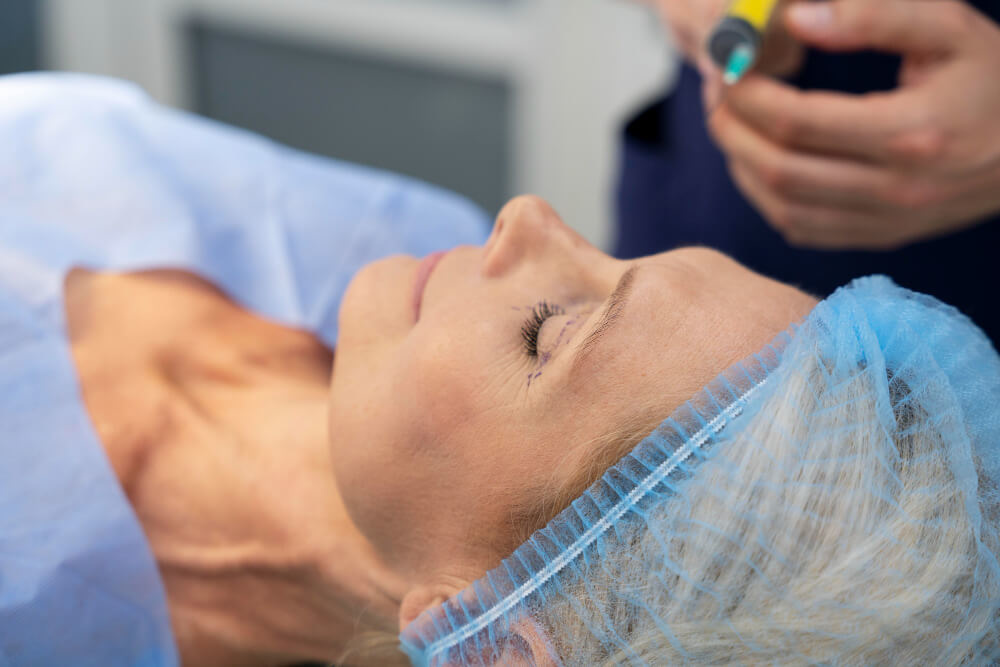
What is a longevity clinic?
A longevity clinic is a medical facility focused on proactive, preventative health strategies designed to slow, and in some cases even reverse, the biological processes of aging. It goes far beyond the scope of a traditional doctor’s office. Instead of waiting for symptoms to appear and then diagnosing a disease, these clinics use advanced diagnostics to identify health risks and biological imbalances long before they become problems.
Think of it as the ultimate form of personalized medicine. The core philosophy is that aging is not an inevitable decline but a treatable condition. By understanding your unique genetic makeup, lifestyle, and biomarker data, clinicians can create a bespoke roadmap to optimize your health, enhance performance, and increase your resilience against age-related diseases.

How is it different from a regular doctor’s office?
The primary difference lies in the approach. A conventional medical practice is largely reactive. You visit when you are sick, a doctor diagnoses the problem based on your symptoms, and a standardized treatment, often a prescription, is provided to manage that specific issue. The focus is on disease management.
A longevity clinic operates on a proactive and holistic model. Your first visit is not prompted by sickness but by a desire for optimization. The process begins with a deep dive into your biology, using tools that are rarely found in a standard GP’s office. The goal is to understand the root causes of potential future health issues and address them at a cellular level. It is a partnership between you and your clinician to build a future of sustained wellness.

What are the hallmarks of aging?
To understand how longevity medicine works, it helps to know what it is fighting against. Scientists have identified several key biological processes, known as the ‘hallmarks of aging’, that drive the aging process. These are not abstract concepts; they are measurable changes happening inside your body.
These hallmarks include things like genomic instability, which refers to the accumulating damage to your DNA over time. Another is telomere attrition, the gradual shortening of the protective caps at the end of your chromosomes. Others involve mitochondrial dysfunction, where the powerhouses of your cells become less efficient, and cellular senescence, a state where old ‘zombie’ cells accumulate and cause inflammation.
A longevity clinic’s entire strategy is built around targeting these hallmarks. By measuring them, clinicians can understand your personal aging trajectory and design interventions to slow these processes down, effectively turning back your biological clock.

How does a clinic measure your biological age?
Your chronological age is simply the number of birthdays you have had. Your biological age, however, is a much more accurate reflection of your health and how well your body is aging on a cellular level. You could be 40 years old chronologically but have the biological age of a 30-year-old, or vice versa. Longevity clinics use sophisticated tests to determine this crucial number.
The most well-known method is the epigenetic clock. This test analyzes chemical tags on your DNA, called methylation patterns, which change in predictable ways as you age. By reading these patterns, scientists can calculate your biological age with remarkable accuracy. Other tests might measure telomere length or a wide array of biomarkers in your blood related to inflammation, metabolic health, and nutrient status.

What kind of tests can you expect?
Your journey at a longevity clinic begins with a comprehensive data-gathering phase. This is far more in-depth than a standard physical. The goal is to create a complete, high-resolution picture of your current health status.
Expect extensive blood panels that look at hundreds of biomarkers, not just the standard few. This includes advanced cardiovascular risk markers, a full hormone panel, inflammatory markers, and a detailed analysis of your vitamin and mineral levels. Genetic testing is also common, providing insights into your predispositions for certain conditions and how your body processes nutrients and medications.
Other diagnostics might include a DEXA scan for precise body composition analysis, measuring bone density, muscle mass, and visceral fat. A VO2 max test could be used to assess your cardiorespiratory fitness, a key predictor of longevity. This wealth of data forms the foundation of your personalized health plan.
What personalized treatments are available?
Once your data is collected and analyzed, the clinic’s team of experts will develop a multi-faceted intervention plan tailored specifically to you. This is not a one-size-fits-all protocol. It is a dynamic strategy that addresses your unique biology, goals, and lifestyle. The treatments span several key areas of health and wellness.

Can they help with nutrition and diet?
Absolutely. Nutrition is a cornerstone of longevity medicine, but it goes far beyond generic advice to ‘eat your vegetables’. Using your genetic data and bloodwork, clinicians can practice nutrigenomics, tailoring dietary recommendations to your specific genetic makeup. For example, they can determine the optimal ratio of macronutrients for your body, identify potential food sensitivities you were unaware of, and pinpoint specific micronutrient deficiencies that need correcting.
The plan might involve specific eating styles like time-restricted eating or a particular dietary pattern that is shown to benefit your unique physiology. The goal is to use food as a powerful tool to reduce inflammation, improve metabolic health, and provide your cells with the precise fuel they need to thrive.

What about exercise and fitness protocols?
Just like nutrition, the exercise plan you receive from a longevity clinic is highly personalized. It is based on your current fitness level, body composition, and specific goals. The focus is often on building and maintaining muscle mass, as muscle is a critical ‘organ of longevity’ that plays a huge role in metabolic health and physical function as you age.
Your protocol might include a mix of resistance training to build strength, high-intensity interval training (HIIT) to boost mitochondrial function, and zone 2 cardio for cardiovascular endurance. The plan will be designed to be both effective and sustainable, helping you build a fitness habit that will serve you for decades to come.

Are there advanced therapies like hormone optimization?
Yes, managing the body’s intricate hormonal symphony is a key intervention. As we age, production of vital hormones like estrogen, testosterone, and growth hormone naturally declines. This decline can lead to a host of undesirable symptoms, including loss of muscle mass, increased body fat, low energy, brain fog, and reduced libido.
Longevity clinics often use bioidentical hormone replacement therapy (BHRT) to restore these hormones to more youthful levels. This is done carefully, based on comprehensive testing and continuous monitoring, to alleviate symptoms and reduce the risk of age-related diseases. The approach to hormonal health is nuanced, with some clinics even building a dedicated menopause service within a GP practice to provide highly specialized care for women navigating this important life transition.
What role do supplements and nutraceuticals play?
While the foundation is always diet and lifestyle, targeted supplementation can play a powerful supporting role. A longevity clinic will not simply hand you a generic multivitamin. Instead, they will prescribe specific compounds, known as nutraceuticals, to address the precise needs identified in your diagnostic tests.
This could mean supplementing with a specific form of magnesium to improve sleep and cellular function, taking CoQ10 to support your mitochondria, or using compounds like fisetin or quercetin to help clear out senescent cells. The use of supplements is data-driven, precise, and monitored over time to ensure efficacy and safety.

Do they use cutting-edge technologies?
Many longevity clinics are at the forefront of health technology, offering a suite of advanced therapies to complement their core programs. These can include intravenous (IV) therapy to deliver high doses of vitamins and nutrients directly into the bloodstream, red light therapy to improve mitochondrial function and reduce inflammation, or cryotherapy to trigger cellular repair pathways.
Other technologies might include hyperbaric oxygen therapy or advanced brain training software. These tools are used as part of your comprehensive plan to accelerate results and provide additional layers of support for your biology.

Why is longevity medicine becoming so popular?
The rise of the longevity clinic is not a fleeting trend. It is a response to a deep societal shift. People are no longer content with the traditional model of medicine. We are more educated about our health than ever before, armed with data from wearables and a desire to take control of our own aging process.
This growing movement has captured the attention of scientists, entrepreneurs, and the public alike, with major publications exploring the incredible potential of longevity medicine to redefine our concepts of healthspan and lifespan. We are moving from a passive role as patients to an active one as architects of our own health. Longevity clinics provide the expert guidance and advanced tools needed to make that vision a reality.

Who are the key players in this field?
The landscape of longevity medicine is diverse and rapidly expanding. There are several models for how these clinics operate, each with a slightly different focus. Some, like Fountain Life, are known for their high-tech, data-driven approach, using advanced imaging and AI to create a comprehensive health baseline.
Others, such as Wild Health, emphasize a genomics-based approach, delivering personalized medicine protocols directly to clients through a combination of telehealth and in-person services. Meanwhile, boutique clinics like Hooke in the UK offer a highly curated, concierge-level experience, combining detailed health assessments with ongoing, personalized care from a dedicated medical team. This variety allows individuals to find a clinic that best aligns with their goals and preferences.

What does it take to open a longevity clinic?
Given the complexity and cutting-edge nature of this field, establishing a successful longevity clinic is a significant undertaking. It requires more than just medical expertise; it demands a deep understanding of business, technology, and the evolving science of aging. For healthcare professionals looking to enter this space, it is crucial to understand how to start a longevity medicine clinic from the ground up.
This involves everything from defining a clinical model and sourcing advanced diagnostic equipment to developing patient-care protocols. Furthermore, navigating the complex web of legal and regulatory requirements for opening a medical clinic is a critical step that ensures patient safety and operational integrity. It is a field that demands excellence at every level, from the science to the service.

Is a longevity clinic right for you?
While the idea of optimizing your health is universally appealing, you might be wondering if a longevity clinic is the right fit for your specific situation. The answer depends on your goals and your mindset towards health.

Who is the ideal candidate for a longevity clinic?
The clientele of a longevity clinic is surprisingly diverse. It includes high-performing executives and entrepreneurs looking to maintain their mental and physical edge. It also includes health-conscious individuals in their 30s and 40s who want to lay a strong foundation for a healthy future. Many clients are people with a family history of conditions like heart disease or Alzheimer’s who want to be proactive about prevention.
Ultimately, the ideal candidate is anyone who is ready to move beyond reactive healthcare. If you are curious about your body, willing to make lifestyle changes, and view your health as your most valuable asset, then you are a perfect fit for the longevity medicine model.

What should you look for when choosing a clinic?
As the field grows, so does the number of clinics offering these services. It is important to do your research to find a reputable and effective partner for your health journey. Look for clinics with qualified medical staff, including doctors and scientists with specific training in longevity, functional, or precision medicine.
Inquire about the scope of their diagnostic testing. A good clinic will be transparent about the data they collect and how they use it to inform your plan. Consider the clinic’s philosophy and ensure it aligns with your own values. Finally, look for evidence of success, whether through patient testimonials or published data, to ensure they can deliver on their promises.

What is the potential return on investment for your health?
Services at a longevity clinic represent a significant financial investment. However, it is crucial to frame this cost not as an expense, but as an investment in your future self. The potential returns are immense and extend far beyond simply feeling better today.
By proactively managing your health, you can dramatically reduce your risk of developing costly chronic diseases later in life. This translates to lower healthcare expenditures in your senior years. More importantly, the investment buys you more healthy, vibrant, and productive years. What is the value of having the energy to start a new business at 60, the strength to travel the world at 70, or the cognitive clarity to enjoy your family and hobbies at 80 and beyond? The return on investment is a longer, richer, and more fulfilling life.
The future of medicine is here. It is personalized, proactive, and data-driven. A longevity clinic is not just a place to get checked up; it is a place to level up your entire life, ensuring that your best years are not behind you, but still ahead.
Frequently Asked Questions

How important is it for the EMR and patient portal to be from the same provider?
Using an EMR and patient portal from a single, integrated provider is highly advantageous for creating a seamless operational environment. This approach ensures that data flows effortlessly between the clinical backend and the patient-facing interface, eliminating the need for manual data entry and reducing the risk of errors. A unified system provides a consistent experience for both staff and patients, simplifying workflows and improving communication.
While it is possible to integrate solutions from different vendors, this often introduces significant complexity and potential points of failure. Connecting disparate systems requires robust APIs and can lead to data synchronization issues or delays. For most modern clinics, choosing a single, all-in-one solution minimizes technical headaches and ensures that all components work together harmoniously from day one.

Beyond the subscription fee, what hidden costs should we anticipate with a new tech stack?
When budgeting for a new clinic technology stack, it is crucial to look beyond the monthly or annual subscription price. Clinics must account for one-time implementation fees, which can include system setup, configuration, and the complex process of migrating data from your previous system. Furthermore, comprehensive staff training represents a significant investment, not just in direct costs but also in the temporary loss of productivity as your team learns the new software.
Ongoing expenses can also accumulate over time and should be clarified with any potential vendor upfront. These may include charges for adding new users or providers, fees for accessing premium customer support tiers, and costs for developing custom reports or integrations with other software. Understanding the complete cost of ownership is essential for making a financially sound decision and avoiding unexpected bills down the road.

How can our clinic ensure a smooth transition and high staff adoption of a new EMR system?
A successful transition to a new EMR hinges on proactive planning and staff engagement from the very beginning. Involve key team members from different departments in the selection process to ensure the chosen system meets diverse needs and to foster a sense of ownership. Designate tech-savvy employees as "super-users" who receive advanced training and can act as go-to internal resources for their colleagues during and after the launch.
Effective, ongoing training and support are non-negotiable for ensuring high adoption rates. Schedule dedicated, hands-on training sessions before the go-live date and ensure the vendor provides accessible support to resolve issues quickly once the system is active. Fostering a culture of continuous improvement by regularly asking for staff feedback helps identify and address workflow challenges, demonstrating that management is committed to making the new technology work for everyone.
Discover the most comprehensive functional medicine training, longevity training, and biohacking certification programs designed specifically for healthcare professionals, medics, and clinic owners who want to master regenerative medicine protocols and anti-aging therapies.