

The Future Is Now: Unlocking Human Potential with Regenerative Care
We stand at a remarkable crossroads in human history. For centuries, medicine has focused primarily on managing symptoms and treating diseases after they appear. But what if we could shift that paradigm? What if, instead of just fighting illness, we could actively work to restore function, rejuvenate tissues, and unlock the body’s own incredible capacity for healing? This is the powerful promise of regenerative care, a field that is rapidly moving from the realm of science fiction into clinical reality.
This revolutionary approach is not just about extending lifespan; it is about enhancing healthspan, the period of our lives spent in good health and full function. It represents a fundamental change in how we view the aging process and chronic conditions. As interest and demand for these therapies grow, the need for highly skilled practitioners has never been greater, making comprehensive regenerative care training an essential pillar for the future of healthcare.
For healthcare professionals, this emerging field offers a chance to be at the forefront of a medical revolution, providing patients with innovative solutions that go beyond conventional treatments. For the general public, understanding the principles of regenerative care empowers you to ask better questions and make more informed decisions about your own long-term health. This is not just a new set of procedures; it is a new way of thinking about the human body.

What Is Regenerative Care, Really?
At its core, regenerative care is a branch of medicine that aims to repair, replace, or regenerate human cells, tissues, or organs to restore normal function. Instead of using a drug to mask a symptom, this field seeks to address the root cause of the damage or dysfunction. It harnesses the body’s innate healing mechanisms, often amplifying them to overcome injury or degeneration that would otherwise be permanent.
Think of it like this: if your house has a leaky roof, traditional medicine might put a bucket under the leak to catch the water. It is a helpful, necessary intervention that manages the immediate problem. Regenerative care, on the other hand, aims to patch the hole in the roof, fixing the underlying issue to prevent future damage. It is a proactive, restorative approach.
This field is incredibly broad, encompassing a variety of cutting-edge therapies. These can range from using a patient’s own platelets to accelerate healing in a joint to employing advanced biologics to help regenerate damaged tissue. The common thread is the focus on healing from within, leveraging biological processes to achieve lasting results.

How does it differ from traditional medicine?
Traditional medicine is often reactive. It excels at treating acute infections, managing chronic diseases like diabetes with medication, and performing life-saving surgeries. Its primary tools are pharmaceuticals and surgical interventions, which are designed to control symptoms or remove diseased tissue. While incredibly valuable, this model can sometimes fall short when dealing with chronic degenerative conditions associated with aging.
Regenerative care is different because it is fundamentally proactive and restorative. It asks not just ‘how can we manage this condition?’ but ‘how can we help the body heal this damage?’. It works with the body’s systems rather than just acting upon them. This often involves therapies that stimulate local stem cells, reduce chronic inflammation, and provide the building blocks necessary for tissue repair.
This does not mean regenerative care replaces traditional medicine. Instead, it is best viewed as a powerful complement to it. An integrated approach, where both models work together, offers the most comprehensive path to wellness. A patient might still need conventional treatment for an acute issue, but regenerative therapies could be used to improve their long-term recovery and overall resilience.
Why is everyone talking about it now?
The buzz around regenerative care is not just hype; it is the result of decades of scientific advancement converging at the perfect moment. Several key factors are driving its rapid ascent. First, our understanding of cell biology, genetics, and the mechanisms of aging has exploded. We now know more than ever about how our bodies repair themselves and what goes wrong in that process over time.
Second, technological breakthroughs have made it possible to develop and apply these therapies safely and effectively. The ability to isolate and concentrate specific biological components from a patient’s own body, for example, has opened up entirely new treatment avenues. These are no longer just theoretical concepts discussed in research labs; they are practical tools being used in clinics today.
Finally, there is a growing public demand for more than what conventional medicine can offer for age-related decline and chronic pain. People are no longer content with simply managing a slow decline in their quality of life. They are actively seeking solutions that can help them stay active, vibrant, and healthy for longer, and regenerative care directly addresses this desire.

Who Are the Professionals Leading This Charge?
The practitioners at the forefront of regenerative medicine are a diverse group of forward-thinking healthcare professionals. They include medical doctors, osteopathic doctors, naturopathic doctors, nurse practitioners, and physician assistants, among others. What unites them is a commitment to a patient-centered, root-cause approach to health.
These clinicians are pioneers, often integrating regenerative protocols into existing practices like orthopedics, sports medicine, pain management, and anti-aging medicine. They see the potential to offer their patients outcomes that were previously unimaginable, helping them avoid invasive surgeries or a lifetime of reliance on pain medication. They are driven by a passion for innovation and a desire to truly heal, not just manage.
What kind of background do these practitioners have?
Many professionals entering the regenerative field already have a strong foundation in a specific medical specialty. An orthopedic surgeon might become interested in regenerative techniques as a way to help patients heal from joint injuries without major surgery. A primary care physician might explore these therapies to offer better solutions for chronic conditions that do not respond well to standard treatments.
However, their original training is just the starting point. The field of regenerative care is evolving so quickly that continuous education and specialized training are not just beneficial; they are absolutely essential. The most effective practitioners are those who dedicate themselves to staying on top of the latest research, protocols, and safety standards. They are lifelong learners committed to mastering this new medical frontier.
Why is specialized training so crucial?
Specialized training is critical because these are not simple, one-size-fits-all treatments. Applying regenerative therapies requires a deep understanding of cell biology, immunology, and the specific mechanisms of the condition being treated. A practitioner must know which therapy is appropriate for which patient, how to prepare and administer it correctly, and how to manage the patient’s care before and after the procedure.
Without proper training, the risk of suboptimal outcomes or adverse events increases. High-quality training programs provide the necessary scientific background, hands-on clinical skills, and ethical guidelines to ensure patient safety and treatment efficacy. They teach practitioners how to assess patients thoroughly, select the right candidates for therapy, and set realistic expectations for outcomes. This dedication to education is what separates a true expert from someone merely dabbling in a new trend.
What Does Regenerative Care Training Involve?
Comprehensive training in regenerative care is a multi-faceted endeavor. It goes far beyond learning a single technique. It involves building a deep foundational knowledge of the science, understanding the full spectrum of available therapies, and mastering the practical skills needed to deliver them safely and effectively in a clinical setting.
The curriculum of a top-tier training program covers the very building blocks of regenerative science. This includes detailed modules on cell signaling, the role of inflammation in both healing and disease, and the intricate ways our tissues repair themselves. It is this foundational knowledge that allows a practitioner to think critically and adapt their approach to the unique needs of each patient.
What are the foundational principles taught?
At the heart of regenerative care training are several core principles. Practitioners learn about the different types of regenerative therapies, including platelet-rich plasma (PRP), which uses a concentration of a patient’s own platelets to accelerate healing, and other advanced cellular biologics. They study the science behind how these treatments work, from the growth factors they release to the ways they modulate the immune system.
Equally important is learning the art of patient selection. Not everyone is a good candidate for every regenerative procedure. Training emphasizes the importance of a thorough medical history, physical examination, and appropriate diagnostic imaging. This ensures that the chosen therapy has the highest probability of success and that patient safety remains the top priority throughout the process.
How does one specialize in areas like joint health?
Many practitioners choose to focus their regenerative skills on a specific area of medicine, and musculoskeletal health is one of the most common and effective applications. Chronic joint pain, sports injuries, and osteoarthritis are conditions where regenerative therapies have shown immense promise. For clinicians looking to excel in this area, pursuing advanced training in musculoskeletal regenerative medicine is a logical next step.
This specialized training delves deeper into the anatomy and pathology of joints, tendons, and ligaments. It covers advanced techniques for diagnosis, such as using musculoskeletal ultrasound to guide injections with pinpoint accuracy. Practitioners learn specific protocols for treating conditions like knee arthritis, rotator cuff tears, and tennis elbow, enabling them to offer non-surgical solutions that can restore function and alleviate pain.
What advanced pathways exist for dedicated practitioners?
For those who are truly committed to becoming leaders in the field, the educational journey does not stop with a single course. The most dedicated professionals often pursue intensive, long-term educational programs that offer a much deeper immersion into the science and practice of this advanced medical discipline. These programs are designed to create true experts and innovators.
Ambitious clinicians may enroll in fellowship programs in regenerative and anti-aging medicine. A fellowship represents one of the highest levels of training available, providing in-depth clinical experience, mentorship from leading experts, and opportunities to participate in research. Graduates of these programs are well-equipped to run specialized clinics, teach other professionals, and contribute to the advancement of the field itself.
Are there certifications for cutting-edge therapies?
As the science of regenerative care progresses, new and more sophisticated therapies emerge. One of the most exciting areas of current research involves exosomes. These are tiny vesicles released by cells that act as messengers, carrying proteins and genetic information to other cells. They play a crucial role in cell-to-cell communication and are being explored for their powerful regenerative potential.
Given the novelty and complexity of these therapies, specific training is paramount. To ensure they are applying these treatments correctly and based on the latest science, practitioners can seek a certification in exosome and regenerative therapies. This type of certification demonstrates a high level of expertise and a commitment to adhering to the most current standards in this rapidly advancing niche.

How Does Personalization Play a Role in Regenerative Care?
One of the most powerful aspects of regenerative care is its potential for extreme personalization. We are all unique, and our bodies respond to treatments differently. The future of medicine lies in moving away from a one-size-fits-all approach and toward therapies tailored to an individual’s specific biology. A key component of this personalization is understanding our genetic makeup.
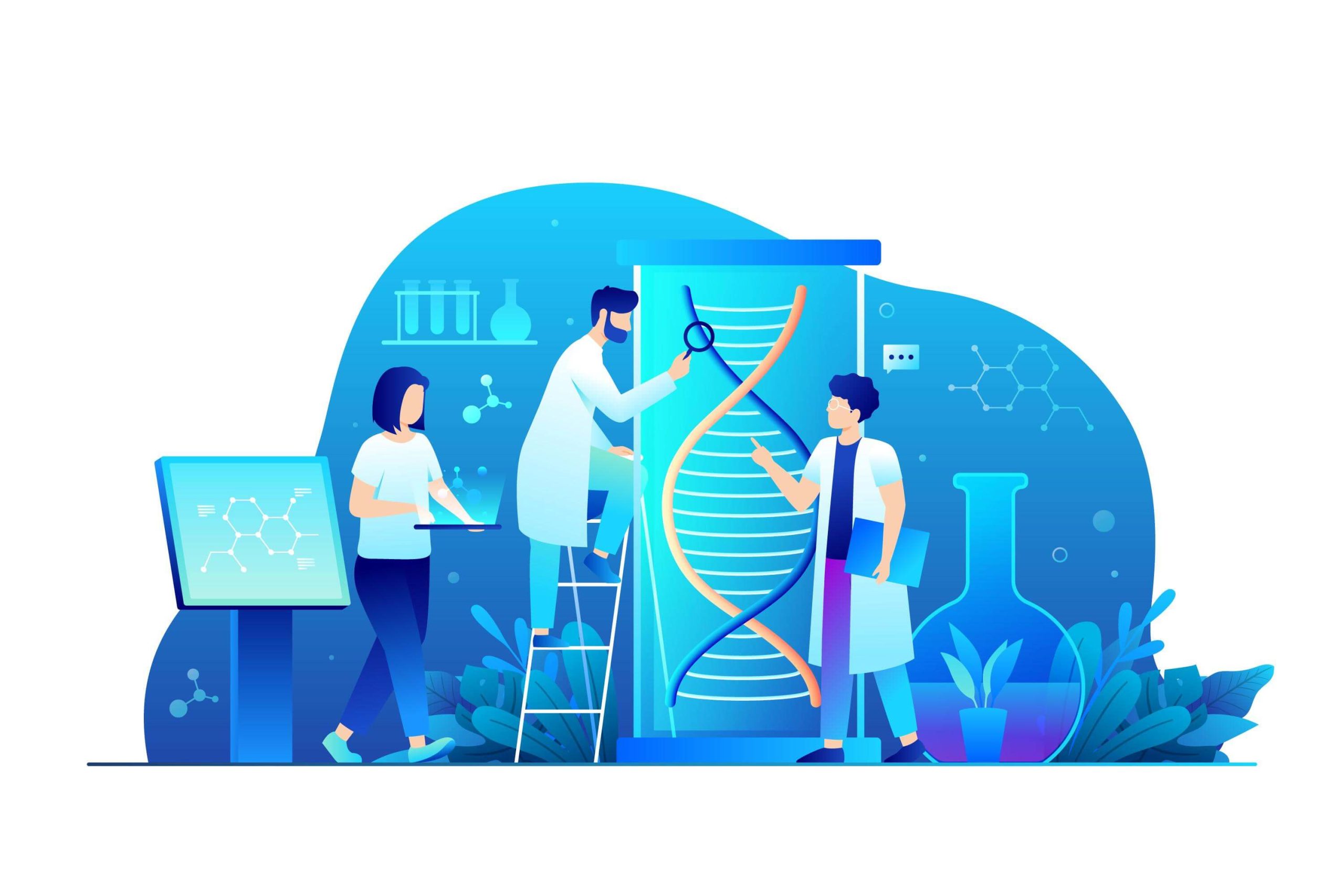
Our genes provide the blueprint for our bodies, influencing everything from our eye color to our predisposition to certain health conditions. By understanding a patient’s genetic profile, a practitioner can gain valuable insights into their underlying health patterns. This information can help guide lifestyle recommendations, preventative strategies, and even the selection of specific regenerative therapies that are most likely to be effective for that individual.
What is the connection between our genes and our health?
Our genes are segments of DNA that contain the instructions for building the proteins that carry out all the tasks in our bodies. Variations in these genes can affect how efficiently these tasks are performed. Some genetic variations might influence how well your body processes certain nutrients, how it responds to inflammation, or how quickly your tissues repair themselves after injury.
It is important to understand that genes are rarely destiny. Most chronic health conditions are the result of a complex interplay between our genetic predispositions and our lifestyle and environmental factors. As organizations like the American Society of Human Genetics work to advance our understanding, it is clear that knowing your genetic tendencies can empower you to make targeted choices that support your long-term health and optimize your body’s innate healing potential.
How is genetic information used in a clinical setting?
In a clinical context, genetic testing can provide a wealth of actionable information for a regenerative medicine practitioner. For example, a test might reveal that a patient has a genetic variant that makes them more prone to chronic inflammation. Armed with this knowledge, the practitioner can design a treatment plan that not only addresses the patient’s immediate complaint, like a painful knee, but also includes strategies to manage their underlying inflammatory tendency.
This could involve specific dietary recommendations, targeted nutritional supplements, and lifestyle modifications aimed at keeping inflammation in check. The Mayo Clinic explains the process of genetic testing in detail, highlighting its use in diagnosing conditions and guiding treatment decisions. This personalized approach, informed by genetics, makes the chosen regenerative therapies more likely to succeed and produce lasting results.
Further resources are available for those who want to learn more about this topic. For instance, MedlinePlus provides a comprehensive overview of genetic testing, covering what it is, how it is done, and what the results might mean. This level of personalization is a cornerstone of advanced regenerative and functional medicine.

Are at-home genetic tests part of this picture?
The rise of direct-to-consumer genetic testing has made it easier than ever for people to get a glimpse into their own DNA. These tests can be a fun and interesting starting point for exploring your ancestry and some basic health traits. However, it is crucial to approach them with a clear understanding of their limitations, especially when it comes to making medical decisions.
The information from these tests is often not as comprehensive or as rigorously validated as the clinical-grade testing used by healthcare professionals. The interpretation of the results can also be complex and is best done with the guidance of a trained practitioner who can put the findings into the context of your overall health picture. It is also wise to consult official resources, such as the FDA information on direct-to-consumer tests, to understand the regulatory landscape and what these tests can and cannot tell you.
What Does the Future of Health Look Like with Regenerative Care?
The integration of regenerative care into mainstream medicine is poised to fundamentally change our relationship with health and aging. The future it promises is not one of immortality, but one of vitality. It is a future where our later years are not defined by decline and disability, but by continued activity, engagement, and a high quality of life.
This new paradigm shifts the focus f