

The Future of Healing: A Deep Dive into Regenerative Care Training
Imagine a future where medicine doesn’t just manage symptoms but actively repairs and regenerates damaged tissues in the human body. This isn’t science fiction; it’s the core promise of regenerative care, a revolutionary field poised to transform how we approach health, injury, and aging. It represents a fundamental shift from reactive treatment to proactive restoration.
This exciting frontier operates at the very building blocks of life, using our body’s own powerful healing mechanisms to address the root causes of disease and decline. But with great power comes great responsibility. For healthcare professionals to harness these advanced therapies safely and effectively, they must undergo rigorous and highly specialized regenerative care training.
This education is not a mere supplement to traditional medical school; it’s a deep dive into a new paradigm of healing. It equips practitioners with the knowledge to navigate complex cellular processes, understand cutting-edge technologies, and ultimately, deliver life-changing results for their patients.
What Exactly is Regenerative Care?
At its heart, regenerative care is a branch of medicine focused on repairing, replacing, or regenerating human cells, tissues, or organs to restore normal function. Think of it as providing your body with the tools and instructions it needs to heal itself from the inside out. This is a stark contrast to many conventional treatments that focus on suppressing symptoms with pharmaceuticals or removing damaged parts through surgery.
The field leverages several key biological components. You may have heard of stem cells, which are unique cells with the remarkable potential to develop into many different cell types in the body. They act as a sort of internal repair system, dividing essentially without limit to replenish other cells as long as the person is still alive.
Beyond stem cells, regenerative care utilizes growth factors, which are proteins that stimulate cell growth and wound healing, and biomaterials that can act as scaffolds to support new tissue growth. Therapies like Platelet-Rich Plasma (PRP) and exosome treatments are prime examples of how these components are put into practice to accelerate healing and reduce inflammation.
The goal is not to put a bandage on a problem but to resolve it at the source, encouraging the body’s innate capacity for renewal. This approach holds promise for a vast range of conditions, from joint pain to skin aging.
Why is Specialized Training So Crucial?
The science behind regenerative medicine is incredibly complex and is evolving at a breathtaking pace. What was considered cutting-edge last year might be standard practice today. Practitioners cannot simply dabble in this field; they must commit to continuous and comprehensive education.
Patient safety is the absolute top priority. Administering biologics and cellular therapies requires a profound understanding of cell biology, immunology, and human physiology. Improper techniques, incorrect dosages, or the use of low-quality products can lead to ineffective outcomes or, worse, adverse patient reactions.
Furthermore, the ethical landscape of regenerative care is intricate. Training programs provide a crucial framework for navigating these considerations, ensuring that practitioners operate with the highest standards of integrity and patient care. They learn to set realistic expectations and guide patients through their treatment journey responsibly.
Without this specialized foundation, a clinician is essentially flying blind. Proper training ensures they can critically evaluate new research, distinguish between hype and legitimate science, and apply therapies with precision and confidence.
What Foundational Science Do Practitioners Need to Master?
To truly excel in this field, a practitioner’s knowledge must go far beyond a surface-level understanding. They need to become experts in the intricate language of the body’s cellular communication systems. This involves a deep dive into cell signaling pathways, the mechanisms of tissue repair, and the complex interplay of the immune system in healing and regeneration.
This foundational knowledge is what separates a technician from a true regenerative medicine expert. It’s about understanding the ‘why’ behind the ‘what’. Why does a specific growth factor work for cartilage but not for skin? How does the body’s inflammatory response impact the success of a stem cell therapy?
A comprehensive curriculum covers everything from the basics of molecular biology to the latest advancements in cellular science. For professionals looking to build this essential groundwork, exploring a dedicated program on the science of regenerative medicine, a course for clinicians can be a transformative step. It provides the scientific bedrock upon which all successful clinical applications are built.
This mastery allows clinicians to troubleshoot when treatments don’t go as planned, customize protocols for individual patient needs, and stay ahead of the curve in a rapidly advancing field. It is the very core of responsible and effective practice.

How Do Professionals Learn to Source and Handle Biologics?
The effectiveness of any regenerative therapy is directly tied to the quality of the biological products used. Biologics, which include substances like stem cells, exosomes, and other cellular products, are the active ingredients in these treatments. Their viability, purity, and potency are paramount.
A critical component of any top-tier training program is teaching clinicians how to navigate the complex supply chain of these materials. This isn’t as simple as ordering a product from a catalog. It involves understanding regulatory guidelines, evaluating laboratory processing standards, and verifying the chain of custody.
Practitioners must learn to ask the right questions. Where did these cells come from? How were they processed and stored? What quality control measures are in place to ensure their safety and efficacy? Answering these questions confidently is non-negotiable for patient safety.
This is why dedicated training for sourcing and vetting biologics is so indispensable. It empowers clinicians to become discerning consumers on behalf of their patients, ensuring they use only the highest-quality products from reputable, compliant sources. This diligence protects patients and elevates the standard of care across the entire industry.

What Role Does Mitochondrial Health Play in Regeneration?
We often learn in school that mitochondria are the ‘powerhouses’ of the cell, but their role extends far beyond simple energy production. These tiny organelles are central to cellular health, signaling, and, crucially, the entire regenerative process. Healthy mitochondria are essential for a cell’s ability to repair itself, divide, and function optimally.
As we age, or due to chronic disease and lifestyle factors, our mitochondrial function can decline. This leads to reduced cellular energy, increased oxidative stress, and a diminished capacity for healing and regeneration. In essence, a body with poorly functioning mitochondria will struggle to respond effectively to regenerative therapies.
Forward-thinking practitioners now recognize that optimizing mitochondrial health is a prerequisite for successful regenerative outcomes. This can involve nutritional strategies, targeted supplementation, and specific therapies designed to support and rejuvenate these vital organelles. It’s about preparing the soil before planting the seed.
Understanding this connection is a game-changer, turning good outcomes into great ones. Specialized training on mitochondrial health and therapies provides clinicians with the protocols to assess and improve mitochondrial function, adding a powerful and foundational layer to their regenerative care toolkit.
How Does Genetics Influence Regenerative Outcomes?
The era of one-size-fits-all medicine is fading. We now understand that our individual genetic makeup plays a significant role in how we respond to treatments, how we heal, and how we age. Regenerative care is no exception; in fact, it is at the forefront of this personalized approach.
Genetic testing can provide a wealth of information that helps a clinician tailor a regenerative treatment plan. It can reveal predispositions to certain inflammatory responses, variations in collagen production, or unique metabolic pathways that could influence the success of a therapy. For example, a person’s genetics might indicate they would benefit from a specific type of growth factor or require additional support to manage inflammation post-treatment.
By understanding a patient’s unique genetic blueprint, practitioners can move from a standardized protocol to a truly personalized one. This can optimize results, minimize potential side effects, and set more realistic expectations for the patient.
Companies at the forefront of this space provide sophisticated diagnostic tools that are becoming increasingly integrated into advanced medical practices. Leading organizations like [Myriad Genetics](https://www.myriad.com/) have pioneered advancements in genetic testing that help inform clinical decisions across various medical specialties, paving the way for its use in personalized regenerative strategies.
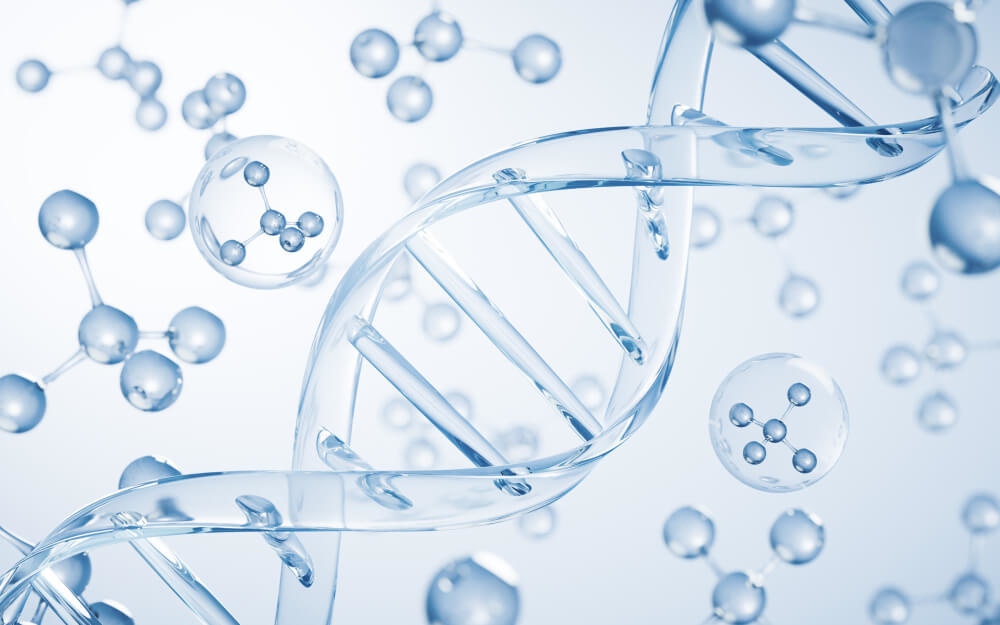
Who Guides Patients Through Complex Genetic Information?
Receiving a detailed genetic report can be overwhelming for a patient. It’s a complex document filled with scientific terms and data that can be difficult to interpret without expert guidance. This is where the vital role of a genetic counselor comes into play.
Genetic counselors are healthcare professionals with specialized training in medical genetics and counseling. Their job is to help individuals and families understand and adapt to the medical, psychological, and familial implications of genetic information. They act as translators, turning complex data into understandable and actionable insights.
In the context of regenerative medicine, a genetic counselor can help a patient understand how their genetic predispositions might affect their treatment plan. They provide essential support, answer questions, and help patients make informed decisions about their health care in partnership with their primary clinician.
Professional bodies are essential for upholding the standards of this critical profession. The [National Society of Genetic Counselors](https://www.nsgc.org/) is a key organization that supports and advocates for these specialists, ensuring patients have access to qualified professionals who can help them navigate the complexities of their own genetic information.

Where Can the Public Learn More About Personal Genetics?
As genetics becomes more central to healthcare, public understanding and literacy are more important than ever. Misinformation can lead to fear and confusion, while accurate, accessible knowledge empowers people to engage more proactively in their own health.
Empowering the public with reliable information is a key goal for many academic and non-profit institutions. They work to demystify genetics, explain the science in clear terms, and address the ethical and social questions that arise from these powerful technologies.
These educational efforts are crucial for building public trust and ensuring that the conversation around genetics is informed and productive. It helps people understand the potential of genetic testing without falling prey to exaggerated marketing claims.
For anyone interested in learning more from a trusted source, the [Personal Genetics Education Project](https://pged.org/) is an excellent resource. Hosted at Harvard Medical School, its mission is to increase public awareness and dialogue about personal genetics, making complex topics accessible to everyone, regardless of their scientific background.

What Organizations Set the Standards for Medical Genetics?
For any medical specialty to be credible and safe, it must be governed by a set of professional standards, ethical guidelines, and best practices. Medical genetics, with its rapid advancements and profound implications, is a field where such oversight is particularly critical.
Professional organizations play a pivotal role in creating and maintaining these standards. They bring together leading clinicians, researchers, and laboratorians to develop clinical guidelines, accredit laboratories, and certify professionals. This ensures a consistent level of quality and competence across the field.
These bodies provide a framework that practitioners can rely on for making clinical decisions. They publish peer-reviewed research, host conferences to disseminate new findings, and advocate for policies that support the responsible integration of genetics into medicine.
The [American College of Medical Genetics and Genomics](https://www.acmg.net/) is a prime example of such a guiding institution. It is the only nationally recognized medical specialty organization that represents the entire spectrum of medical genetics professionals, setting the benchmark for excellence and shaping the future of genetic medicine in the United States.

What Conditions Can Regenerative Care Potentially Address?
The potential applications of regenerative care are vast and continue to expand as research progresses. One of the most well-known areas is in orthopedics, where therapies are used to address joint pain, particularly in the knees, hips, and shoulders. The goal is to repair damaged cartilage and reduce inflammation, potentially delaying or avoiding the need for surgery.
Aesthetics and dermatology are another major frontier. Regenerative techniques are being used for skin rejuvenation, stimulating the production of collagen and elastin to improve skin texture, reduce fine lines, and even promote hair growth. It’s about harnessing the body’s own repair mechanisms for a more youthful appearance.
Beyond these areas, research is exploring the use of regenerative principles for a wide array of conditions. This includes chronic wound healing, certain autoimmune conditions, and even aspects of neurological and cardiovascular health. The field is driven by a constant push to find new ways to help the body heal itself.
It is important to approach these possibilities with cautious optimism. While the potential is immense, the field is still evolving. This is why it is so crucial for patients to seek out practitioners with extensive training who can provide a realistic assessment of what these therapies can achieve for their specific situation.

How is Regenerative Care Changing the Face of Anti-Aging?
The concept of ‘anti-aging’ is undergoing a profound transformation, thanks in large part to the principles of regenerative medicine. The old model was focused on appearance, targeting wrinkles and gray hair. The new paradigm, often called longevity medicine, focuses on healthspan, the period of our lives spent in good health and full function.
Regenerative care is a cornerstone of this new approach. Instead of just masking the signs of aging, it aims to address the underlying biological processes that cause it. This includes cellular senescence (when cells stop dividing), chronic inflammation, and the decline of tissue repair capabilities.
By promoting cellular repair, reducing systemic inflammation, and improving the function of our internal systems, regenerative therapies can help enhance vitality from the inside out. The goal isn’t just to live longer but to live better, maintaining strength, cognitive function, and overall well-being for as long as possible.
This shifts the focus from treating age-related diseases after they appear to proactively maintaining the body’s youthful resilience. It’s a move from defense to offense, using the body’s own regenerative capacity to optimize the aging process itself.

What Should Patients Look for in a Regenerative Care Provider?
As the popularity of regenerative care grows, so does the number of clinics offering these services. For patients, it can be challenging to distinguish between highly qualified experts and those with minimal training. Making the right choice is critical for both safety and results.
The single most important factor is the practitioner’s level of training and credentials. Don’t be afraid to ask direct questions. Where did you receive your training in regenerative medicine? Is it an accredited program? How many years have you been practicing in this specific field?
Inquire about their approach. A top-tier provider will conduct a thorough evaluation, including a detailed health history and potentially advanced diagnostics, before recommending a treatment. They should take a comprehensive, personalized approach rather than offering a single, one-size-fits-all solution.
Finally, ask about the biologics they use. A reputable clinician will be completely transparent about the source of their cellular products, the laboratory they work with, and the quality control standards in place. This transparency is a hallmark of a professional who prioritizes patient safety and efficacy above all else.
The journey into regenerative care is a journey toward the future of medicine. It is a field built on the incredible power of the human body to heal and renew itself. From repairing injured joints to optimizing the very process of aging, its potential is only just beginning to be fully realized.
For this potential to be harnessed safely and effectively, the role of the practitioner is paramount. Rigorous, comprehensive training is not a luxury; it is an absolute necessity. It is the bridge between scientific discovery and life-changing patient outcomes, ensuring that this powerful medicine is delivered with the expertise and integrity it demands.
Frequently Asked Questions

What specific skills will I gain in analyzing stem cell and exosome lab reports?
This course equips you with the critical ability to interpret the complex data found in regenerative medicine lab reports. You will learn to dissect key metrics such as cell viability, purity, and phenotype to confirm identity and quality. These skills are essential for differentiating a potent, high-quality therapeutic product from a substandard one based on objective scientific evidence.
Furthermore, you will master the analysis of potency assays and understand the significance of growth factor and cytokine profiles. This allows you to move beyond simple cell counts to evaluate the functional capacity of the stem cells and exosomes. Ultimately, you will be able to confidently assess the safety and potential efficacy of a given product for clinical or research applications.

Do I need prior hands-on lab experience to benefit from this course?
No, direct hands-on laboratory experience is not a prerequisite for this course, as its primary focus is on the interpretation and analysis of lab results. The curriculum is specifically designed to teach you how to read, understand, and critically evaluate the data provided by a third-party lab. We ensure you understand what the tests measure and what the results mean, regardless of whether you’ve performed the procedures yourself.
However, a foundational knowledge of basic biology and cellular concepts is highly recommended to gain the maximum benefit. The course will cover the principles behind the key analytical techniques, providing the necessary context to understand the data’s origin and significance. This ensures that both clinicians and researchers can translate the report’s findings into informed, practical decisions.
How does understanding exosome analysis complement my existing knowledge of stem cells?
Understanding exosome analysis provides a deeper, more mechanistic insight into how stem cells actually work. While stem cells are the source, exosomes are the powerful messengers that carry out many of their regenerative and anti-inflammatory functions through cell-to-cell communication. By learning to analyze exosome content and concentration, you gain a more complete picture of a stem cell product’s therapeutic potential.
This complementary knowledge is crucial for evaluating the next generation of cell-free therapies and for assessing the quality of stem cell products. It allows you to appraise a therapy based not just on the presence of cells, but on the functional signals they produce. This nuanced understanding enables you to make more sophisticated assessments of potency and predict therapeutic outcomes with greater accuracy.
Discover the most comprehensive functional medicine training, longevity training, and biohacking certification programs designed specifically for healthcare professionals, medics, and clinic owners who want to master regenerative medicine protocols and anti-aging therapies.