
Unlocking Your DNA: A Complete Guide to Genetic Testing
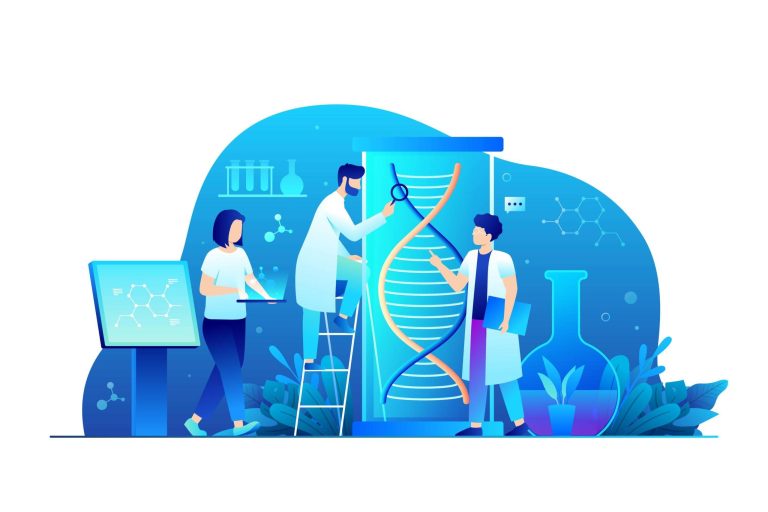
Inside every one of your cells lies a complex and beautiful instruction manual: your DNA. This genetic code dictates everything from the color of your eyes to your predisposition for certain health conditions. For centuries, this manual was locked away, its secrets inaccessible. Today, we stand at the threshold of a new era in healthcare, one where we can read these instructions and use them to live healthier, longer lives.
This revolutionary capability is made possible through the science of genetic testing. It is a powerful tool that analyzes your unique DNA to reveal insights about your health, ancestry, and potential future. By understanding your genetic blueprint, you can move from a reactive approach to healthcare to a proactive one, making informed decisions that are personalized specifically for you. This shift is a cornerstone of modern medicine and longevity, with comprehensive genetic testing becoming an increasingly vital part of a personalized health strategy.
Embarking on a journey into your own genetics can feel both exciting and daunting. The goal of this guide is to demystify the process, explaining what genetic testing is, why it matters, and how you can use this knowledge to optimize your well-being. We will explore the different types of tests, their real-world applications, and the important considerations to keep in mind.

What Exactly Is Genetic Testing?
At its core, genetic testing is a type of medical test that identifies changes in your genes, chromosomes, or proteins. Think of your DNA as a massive library of books, where each book is a chromosome and each chapter is a gene. These genes provide the instructions for building proteins, the tiny machines that perform most of the work in your cells.
Sometimes, there are small variations or ‘typos’ in these instructions. While many of these variations are harmless and simply make you unique, others can disrupt a gene’s function, potentially leading to a health condition. Genetic testing is the process of carefully reading parts of your genetic code to find these specific variations.
The process typically begins with a simple sample collection, most often a bit of saliva or a blood draw. This sample contains your cells, and from those cells, a laboratory can extract your DNA. Sophisticated technology then sequences, or ‘reads’, the DNA to look for the specific genetic markers relevant to the test being performed.

Why Would Someone Consider Genetic Testing?
The reasons for pursuing genetic testing are as diverse as the information it can provide. It is not just for those who suspect a hereditary disease; it has broad applications for anyone interested in proactive health management. The insights gained can empower you and your healthcare provider to make more tailored decisions about your lifestyle, screenings, and treatments.

Can It Predict Future Health Risks?
Yes, this is one of the most powerful applications. Predictive and presymptomatic testing can identify genetic mutations that increase your risk of developing certain conditions later in life. For example, it can reveal a higher-than-average risk for specific types of heart disease, metabolic disorders, or neurological conditions. This knowledge allows you to implement preventative strategies, such as dietary changes, targeted supplements, or more frequent health screenings, long before any symptoms appear.

Can It Explain Current Health Issues?
For individuals experiencing mysterious or undiagnosed symptoms, diagnostic genetic testing can be a game-changer. It can help confirm or rule out a specific genetic condition, providing a definitive answer where other tests may have been inconclusive. This clarity ends the ‘diagnostic odyssey’ for many families, providing not just a name for their condition but also access to support networks and potential treatments.

Can It Guide Treatment Decisions?
A fascinating field called pharmacogenomics uses genetic testing to predict how your body will respond to certain medications. Your genes can influence how you metabolize drugs, meaning a standard dose might be perfect for one person, ineffective for another, or cause severe side effects in a third. This testing helps doctors choose the right drug and the right dose from the start, personalizing treatment for everything from mental health conditions to cardiovascular disease.

Can It Help With Family Planning?
Carrier screening is a type of genetic test that can show if you and your partner carry a genetic mutation for a condition that you could pass on to your children. Most carriers are healthy and have no idea they even have the mutation. This information is invaluable for prospective parents, allowing them to understand their reproductive risks and explore options like in vitro fertilization with preimplantation genetic diagnosis.

Can It Reveal Ancestry and Traits?
Direct-to-consumer tests have popularized genetic testing for non-medical purposes. These tests can trace your lineage back through generations and across continents, connecting you with your heritage. They can also reveal your genetic likelihood for certain physical traits, like hair texture, eye color, or even a preference for sweet or salty foods.

What Are the Different Types of Genetic Tests Available?
Not all genetic tests are created equal. They vary widely in scope, from looking at a single letter of your DNA to analyzing your entire genetic code. The right test depends on what question you are trying to answer. Understanding these differences is key to navigating your options effectively.
What Is Single Gene Testing?
This is the most focused type of genetic test. It looks for changes in one specific gene. A doctor might order a single gene test when you have clear symptoms of a particular condition, like cystic fibrosis or sickle cell anemia, or if a specific mutation is known to run in your family. It is like looking for a specific word in a single chapter of a book.

What Is Panel Testing?
Panel testing looks for mutations in multiple genes at once. This is useful when a health condition can be caused by mutations in several different genes. For example, a hereditary cancer panel might test for dozens of genes associated with an increased risk of breast, ovarian, colon, and other cancers. This is like checking the indexes of several related books for a common theme.

What Is Whole Exome or Whole Genome Sequencing?
These are the most comprehensive forms of genetic testing. Whole exome sequencing (WES) analyzes all the protein-coding regions of your genes, known as the exome. Since most known disease-causing mutations are found in the exome, this is a highly effective diagnostic tool. Whole genome sequencing (WGS) goes even further, analyzing your entire DNA sequence, including the non-coding regions. These tests are like reading every single book in your genetic library from cover to cover and are often used to solve complex medical mysteries that other tests could not.

What Is the Difference Between Clinical and Direct-to-Consumer Tests?
Clinical-grade tests must be ordered by a healthcare provider. They are performed in a certified lab, and the results are used for medical diagnosis and treatment planning. Direct-to-consumer (DTC) tests, offered by well-known providers like 23andMe, can be purchased online without a doctor’s order. While DTC tests are excellent for ancestry and wellness traits, their health reports are often not diagnostic. If a DTC test flags a potential health risk, it should always be confirmed with a clinical-grade test before any medical decisions are made.

How Is Genetic Testing Used in Modern Medicine?
The integration of genetics into clinical practice is transforming how we prevent, diagnose, and treat disease. It is a cornerstone of personalized medicine, moving beyond a one-size-fits-all approach to care that is tailored to an individual’s unique genetic makeup. This is particularly evident in fields like oncology, rare disease diagnosis, and even functional medicine.

How Does It Help in Oncology?
Genetic testing has revolutionized cancer care. It can identify individuals with inherited mutations, like BRCA1 and BRCA2, who have a significantly higher risk of developing certain cancers. This information allows for proactive surveillance and risk-reducing measures. For those already diagnosed with cancer, genetic testing of the tumor itself can guide treatment, helping oncologists select targeted therapies that are more effective and have fewer side effects than traditional chemotherapy. You can find more details in this genetic testing for cancer risk fact sheet.

How Does It Help Diagnose Uncommon Conditions?
Millions of people live with rare diseases, and for many, the path to a diagnosis is long and frustrating. Because over 80% of rare diseases have a genetic origin, comprehensive testing like whole exome sequencing has become an essential diagnostic tool. It can quickly pinpoint the underlying genetic cause, ending years of uncertainty for patients and their families. Having a specific diagnosis is the first step toward finding appropriate care, connecting with support communities, and advancing research for treatments, a mission central to the work of those focused on identifying rare diseases.

How Is Genetics Connected to Gut Health?
The connection between our genes and our gut microbiome is a rapidly emerging area of research. Your genetic predispositions can influence the composition of your gut bacteria, your gut barrier integrity, and your risk for inflammatory conditions like Crohn’s disease or celiac disease. Understanding these genetic factors can help practitioners create highly personalized nutrition and lifestyle plans to support gut health. This personalized approach is a key reason why many innovative practitioners are looking at how to start a gut-centric medical practice to provide more effective, root-cause solutions for chronic health issues.

What Happens After You Get Your Results?
Receiving a genetic test report can feel like being handed a document in a foreign language. It is filled with complex terms, gene names, and variant classifications. The post-test process of interpretation and counseling is just as important as the test itself, as this is where raw data is translated into actionable health insights.

Who Helps You Understand the Report?
This is the critical role of a genetic counselor or a knowledgeable physician. These professionals are trained to translate complex genetic information into understandable terms. They can explain what your results mean for your health and the health of your family members, discuss the potential emotional and social impact, and help you navigate the next steps, whether that involves further testing, preventative screenings, or lifestyle changes.

How Do You Make Sense of the Data?
Understanding your results is a crucial step in taking control of your health. A genetic report will typically list any significant variants found and classify them based on the likelihood that they are associated with disease. Learning how to interpret a clinical genetic test report involves understanding terms like ‘pathogenic’, ‘likely pathogenic’, and ‘variant of uncertain significance’. Your healthcare provider will guide you through this, putting the findings in the context of your personal and family medical history to create a complete picture.

How Do Clinics Handle This Information?
For healthcare practices, integrating genetic testing requires a structured approach. It involves more than just ordering a test; it’s about managing the entire patient journey. This includes educating the patient beforehand, ensuring proper consent, coordinating with the lab, interpreting the results, and developing a long-term care plan based on the findings. Forward-thinking clinics meticulously build a clinical workflow for genetic testing to ensure the process is seamless, effective, and provides maximum value to the patient.

What Are the Ethical and Emotional Considerations?
While genetic testing offers incredible potential, it also raises important questions that go beyond the science. The information contained in your DNA is deeply personal, and it is wise to consider the ethical, legal, and social implications before you proceed with testing. These considerations are a key focus for advocacy and educational groups.

What About Genetic Privacy and Data Security?
Your genetic data is the most personal information you have. It is essential to understand a testing company’s privacy policy before you share your sample. Reputable clinical labs have stringent security measures in place. In the United States, a federal law called the Genetic Information Nondiscrimination Act (GINA) provides some protections, preventing health insurers and most employers from discriminating against you based on your genetic information.

How Might Results Affect Family Dynamics?
Your genetic information is not just your own; it is shared with your biological relatives. A result that indicates a hereditary health risk can have implications for your parents, siblings, and children. This can sometimes create tension or anxiety within a family. It is often recommended to discuss the possibility of testing with family members beforehand and to have support systems in place, like a genetic counselor, to help navigate these conversations.
What Are the Limitations of Genetic Testing?
It is crucial to remember that your genes are not your destiny. Genetic testing provides information about predispositions and risks, not certainties. A positive result for a risk variant does not guarantee you will develop the condition, and a negative result does not mean you have zero risk. Lifestyle, environment, and other factors play a huge role in your health outcomes. Organizations like the Personal Genetics Education Project work to promote public understanding of these nuances, empowering people to view genetics as one tool among many in their health toolkit.

How Is Genetic Testing Shaping the Future of Health?
We are only just beginning to scratch the surface of what genetic information can do for human health and longevity. The field is advancing at an incredible pace, with costs decreasing and accessibility increasing. The future of healthcare will be profoundly shaped by our ability to read and understand our own genetic code.
The ultimate promise of genetic testing is truly personalized, preventative medicine. Imagine a future where your healthcare plan is designed from birth based on your unique genetic profile. Your diet, exercise regimen, and screening schedules would all be optimized to mitigate your specific risks and enhance your innate strengths. This proactive approach could prevent many chronic diseases from ever developing.
In the realm of longevity, genetics will play an even more central role. By identifying the genetic pathways that influence aging, we can develop targeted therapies and lifestyle interventions to promote healthspan, the number of years we live in good health. Functional medicine and anti-aging clinics are already at the forefront of this movement, using genetic insights to create comprehensive, root-cause-oriented health plans for their patients.
Genetic testing is more than just a medical procedure; it is a gateway to self-knowledge. It provides a deeper understanding of the very fabric of your being, empowering you to become an active participant in your own health journey. As this technology becomes more integrated into our lives, it will continue to break down the barriers between reactive and proactive care, heralding a new age of personalized well-being.
Frequently Asked Questions

How do doctors use the results of both germline and somatic tests together?
Somatic testing provides a snapshot of the tumor’s unique genetic landscape, guiding immediate treatment decisions for the patient. By identifying mutations within the cancer cells, oncologists can select targeted therapies or immunotherapies that are most likely to be effective against that specific tumor. This information is the cornerstone of personalized cancer medicine, allowing for a treatment strategy tailored directly to the cancer’s biology.
Germline test results add a crucial, complementary layer of information that informs both present and future care. An inherited mutation identified through germline testing may reveal vulnerabilities that can also be targeted by specific drugs, such as PARP inhibitors for patients with inherited BRCA mutations. Furthermore, this knowledge helps doctors create long-term surveillance plans for the patient’s risk of developing other cancers and provides vital information for their family members.

If my somatic tumor test finds a mutation, do my family members need to be concerned?
Not necessarily, as there is a critical distinction between the two types of mutations. Somatic mutations are genetic changes that are acquired by and confined to the tumor cells; they are not inherited and cannot be passed down to children. Therefore, finding a mutation in a tumor-only test does not, by itself, mean there is a hereditary risk for your relatives.
However, if a mutation found in the tumor is one that is known to be associated with hereditary cancer syndromes, your oncologist may recommend follow-up germline testing. This second test, which uses a blood or saliva sample, is the only way to determine if that mutation is actually inherited (germline) rather than just being present in the tumor (somatic). Only if the germline test confirms an inherited mutation would there be an increased risk for family members.

Do germline and somatic tests require different types of samples from the patient?
Yes, the two tests require different types of samples because they are analyzing fundamentally different genetic material. Somatic testing is designed to analyze the DNA of the cancer cells, so it requires a sample of the tumor itself. This is typically obtained through a surgical biopsy or, in some advanced cancers, through a "liquid biopsy," which is a blood test that detects DNA fragments shed by the tumor into the bloodstream.
In contrast, germline testing looks for inherited mutations that are present in all of a person’s cells, not just the cancerous ones. For this reason, it does not require a tumor sample and is performed on non-cancerous cells. The sample is easily and non-invasively collected, usually through a standard blood draw or a saliva sample provided by the patient.
Are you a healthcare professional ready to lead the charge in this new era of medicine? The future of healthcare is personalized, preventative, and genetically informed. Talking Longevity offers elite training for those who want to be at the vanguard of this transformation. Discover the most comprehensive functional medicine training, longevity training, and biohacking certification programs designed specifically for healthcare professionals, medics, and clinic owners who want to master regenerative medicine protocols and anti-aging therapies.