

Unlocking Your DNA: A Complete Guide to Genetic Testing and Your Health
Have you ever wondered what secrets are held within your DNA? For generations, our genetic code was a mystery, a complex blueprint that dictated our traits without our understanding. Today, we stand at the threshold of a new era in personal health, one where we can read that blueprint and gain unprecedented insights into our bodies, our health risks, and even our ancestry.
This powerful tool is genetic testing. It’s a scientific process that analyzes your DNA, the unique instruction manual inside every one of your cells. By examining specific genes, chromosomes, or proteins, it can reveal information about your health that was once unknowable. This journey into your personal biology can be empowering, providing answers and enabling proactive steps toward a longer, healthier life.
Understanding the landscape of genetic testing is the first step toward harnessing its potential. From simple curiosity about your family tree to making critical health decisions, this technology offers a diverse range of applications. It’s about moving from a one-size-fits-all approach to a personalized strategy for wellness and longevity, tailored specifically to you.

What Exactly Is Genetic Testing?
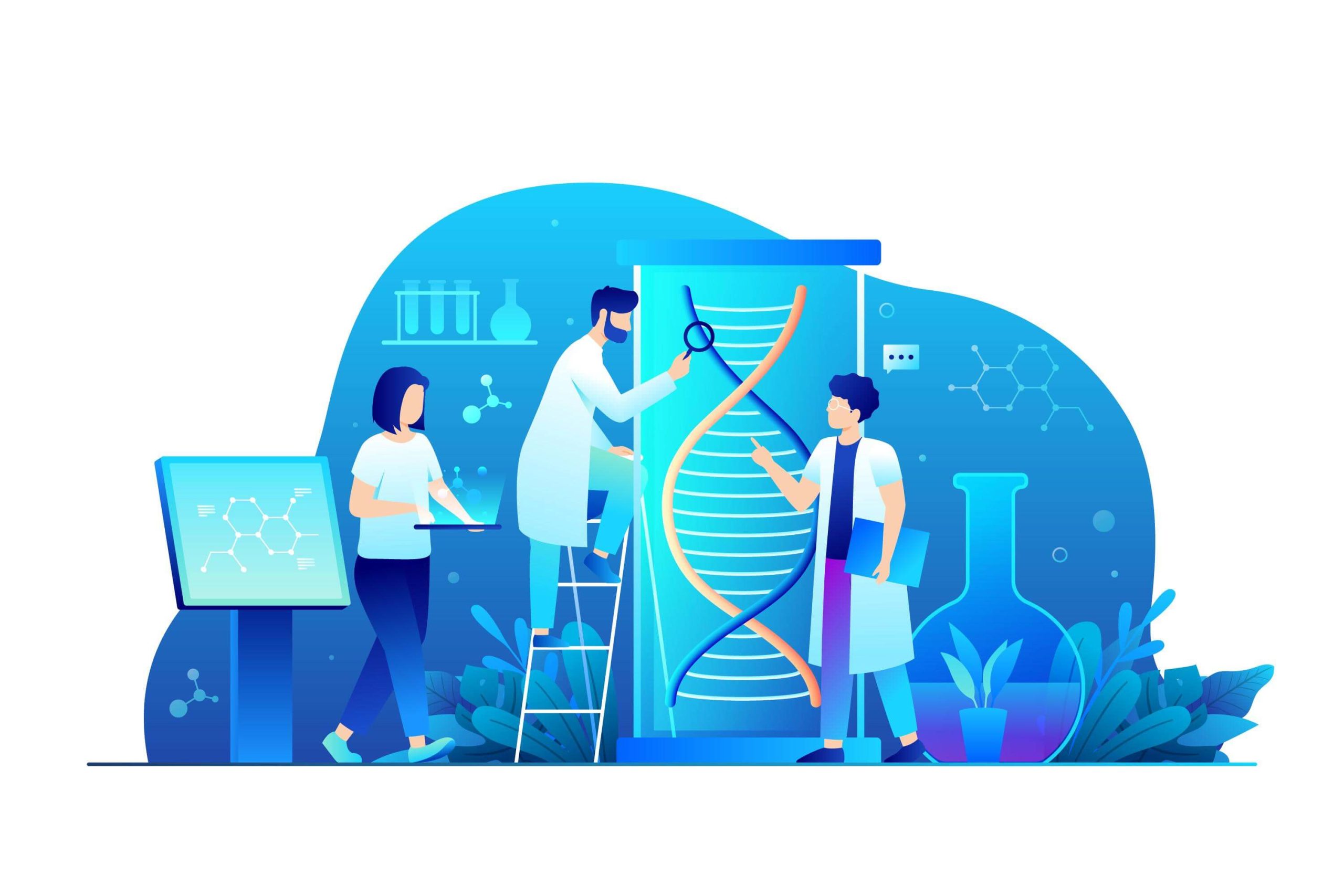
At its core, genetic testing is a type of medical test that identifies changes in your genetic material. Think of your body as a massive library, and your DNA as the collection of books. Each book is a chromosome, and each chapter is a gene. These genes contain the instructions for building and maintaining your body.
Sometimes, there’s a tiny misspelling or a missing page in one of these books. A genetic test is like a meticulous librarian who reads through the text to find these changes, often called variants or mutations. The process usually begins with a simple sample collection, which can be a swab from inside your cheek, a saliva sample, or a blood draw.
This sample is then sent to a specialized laboratory. There, scientists extract your DNA and use advanced technologies to analyze it. Depending on the test, they might look at a single gene, a panel of multiple genes, or even your entire genetic code, a process known as whole genome sequencing. The goal is to create a report that details any significant findings.
This report is the key that unlocks the information held in your genes. It provides a window into your biological makeup, forming the basis for discussions with healthcare professionals about what the findings mean for you and your health journey.
Why Would Someone Consider Genetic Testing?
The reasons people seek out genetic testing are as diverse as the human genome itself. The motivation is deeply personal and often falls into several key categories. For many, it’s about gaining a deeper understanding of themselves and taking control of their health narrative in a proactive way.

Are you curious about your ancestry?
One of the most popular entry points into the world of genetics is through ancestry testing. These direct-to-consumer tests analyze your DNA to estimate your ethnic background and connect you with potential relatives. It’s a fascinating way to explore your family history and discover where in the world your ancestors came from.

Do you want to understand your health risks?
Predictive and presymptomatic testing can identify genetic variants that increase your risk for certain conditions. For example, it can reveal if you have a higher-than-average chance of developing heart disease, certain types of cancer, or Alzheimer’s disease. This knowledge allows you to make informed lifestyle changes and pursue preventative strategies with your doctor.

Are you planning a family?
Carrier screening is an invaluable tool for prospective parents. This type of test can determine if you or your partner carry a genetic variant for a condition, like cystic fibrosis or sickle cell anemia, that you could pass on to your children. Knowing your carrier status helps in family planning and making decisions about reproductive options.

Is there a medical reason for the test?
Diagnostic testing is used when a specific genetic condition is suspected based on physical symptoms. It can confirm or rule out a diagnosis, providing clarity for patients and their families. This can end a long ‘diagnostic odyssey’ and pave the way for appropriate management and treatment.

How can it personalize medicine?
Pharmacogenomics is a revolutionary field that studies how your genes affect your body’s response to medications. A genetic test can help predict whether a certain drug will be effective for you, whether you might have side effects, or what the optimal dose should be. This helps avoid trial-and-error prescribing and leads to more effective, personalized treatments.

What Are the Different Types of Genetic Tests Available?
Genetic testing is not a single entity but a broad category of different tests, each designed for a specific purpose. The type of test your doctor recommends, or that you choose, will depend on your personal health questions and medical history. Understanding the distinctions is key to navigating your options.
First, there is diagnostic testing. This is used to precisely identify the genetic cause of a disease or condition. If a doctor sees symptoms that suggest a condition like Huntington’s disease or muscular dystrophy, a diagnostic test can be used to confirm the diagnosis by looking for a specific gene mutation.
Predictive and presymptomatic tests are different. They are used to find gene mutations associated with disorders that may appear later in life. These tests are for people who have a family history of a genetic condition but who have no symptoms themselves at the time of testing. The results can provide information about a person’s risk of developing that condition.
Carrier screening, as mentioned, is for people who want to know if they ‘carry’ a genetic variant they could pass to their children. Carriers are often healthy and may not have any family history of the condition. This type of testing is often considered by couples before or during pregnancy.
Then there is pharmacogenomics, which focuses on medication responses. This is a cornerstone of personalized medicine, helping to tailor drug prescriptions to an individual’s genetic makeup. It can improve safety and efficacy, making treatments more precise.
Newborn screening is a public health success story. Soon after birth, babies are tested for certain genetic, metabolic, and endocrine disorders. Early detection allows for immediate treatment, which can prevent serious health problems or even death. All states in the US have mandatory newborn screening programs.
Finally, direct-to-consumer (DTC) tests are those you can buy online or in a store without a doctor’s order. While they have made genetic information more accessible, their scope can be limited. They often provide information on ancestry, wellness traits, and risk for a few select conditions. For a broader and more detailed overview, many people turn to resources that explain the fundamentals of genetic testing in greater depth.
These tests offer a glimpse into your DNA, but for a comprehensive understanding of what’s available and what it means for your health, it’s helpful to consult official sources. The Centers for Disease Control and Prevention, for example, offers excellent public information on the basics of genomic testing and its role in public health.

How Do You Interpret the Results?
Receiving your genetic test report can be an exciting but also overwhelming moment. The information is complex, and the language can be technical. Understanding what your results mean is a critical step, and it’s one that is often best taken with the guidance of a healthcare professional or a genetic counselor.
Genetic test results typically fall into one of three categories. A ‘positive’ result means the lab found a specific genetic variant that is known to be associated with a disease. This could confirm a diagnosis, indicate you are a carrier, or reveal an increased risk for a future health issue. It is not a definite prediction, but a statement of probability and risk.
A ‘negative’ result means the lab did not find the specific variant it was looking for. This can bring a sense of relief, but it’s not always the end of the story. It may mean you don’t have that particular mutation, but it doesn’t rule out the possibility of other, un-tested genetic risk factors or the condition itself, as many diseases have non-genetic causes.
The most confusing result is often a ‘variant of uncertain significance’, or VUS. This means a genetic change was identified, but science does not yet know if it is related to disease. As our understanding of the genome grows, the classification of a VUS may change, which highlights the evolving nature of this field.
Because of this complexity, interpreting raw genetic data on your own can be challenging and may lead to misunderstandings. After receiving results from a consumer test, some people seek deeper analysis. This requires carefully vetting third-party genetic interpretation software to ensure the tools used are reputable and scientifically sound.
Professional organizations play a key role in maintaining high standards for testing and interpretation. The American College of Medical Genetics and Genomics is one such body that establishes practice guidelines for clinical genetics laboratories, ensuring that the results you receive are as accurate and reliable as possible.
Ultimately, genetic results are not just data points; they are deeply personal pieces of information. A genetic counselor can help you understand the medical, psychological, and familial implications of your results, translating the scientific report into meaningful actions for your life.

What Are the Benefits and Risks I Should Know About?
Embarking on a genetic testing journey offers a wealth of potential benefits, but it also comes with risks and limitations that require careful consideration. Weighing these factors is a personal process that depends on your goals, your health status, and your comfort level with potentially life-altering information.

What are the potential benefits?
The primary benefit is knowledge and empowerment. Understanding your genetic predispositions can motivate you to adopt a healthier lifestyle, such as changing your diet, exercising more, or quitting smoking. It allows you to move from a reactive to a proactive stance on your health.
Genetic testing can provide a sense of relief from uncertainty, especially for those with a strong family history of a particular disease. It can also guide medical management, leading to increased screening, preventative measures, or personalized treatments that are more likely to be effective. For families, it can inform reproductive decisions and help them prepare for the future.

What are the risks and limitations?
The emotional impact can be significant. A result indicating a high risk for a serious disease can cause anxiety, depression, or stress. This information can also affect family dynamics, as your genetic results have implications for your relatives who share your DNA.
There are also important privacy considerations. While laws like the Genetic Information Nondiscrimination Act (GINA) in the United States provide some protections, they don’t cover life, disability, or long-term care insurance. Understanding how your genetic data is stored and shared by testing companies is crucial.
It’s also important to recognize the limitations of the tests. They are not crystal balls. A positive result for a risk variant doesn’t guarantee you’ll get the disease, and a negative result doesn’t mean you have zero risk. Many common diseases are influenced by a complex mix of multiple genes and lifestyle factors.
Navigating these complex issues is why public education is so important. Organizations like the Personal Genetics Education Project work to increase public awareness and conversation about the ethical, legal, and social dimensions of personal genetics, helping everyone make more informed choices.

What Does the Future of Genetic Testing Look Like?
The field of genetics is advancing at a breathtaking pace, and the future promises even more powerful and integrated applications. What seems like science fiction today will likely become a standard part of healthcare tomorrow, further personalizing how we prevent, diagnose, and treat disease.
One of the most significant trends is the decreasing cost and increasing accessibility of whole genome sequencing. Soon, it may be common for individuals to have their entire genome sequenced as part of their standard medical record, providing a lifelong resource for healthcare decisions.
This will fuel the growth of precision medicine, where treatments for everything from cancer to heart disease are tailored to a patient’s unique genetic profile. We will move further away from one-size-fits-all approaches and toward highly individualized care plans that are more effective and have fewer side effects.
Another exciting frontier is in early disease detection. The development of new technologies is changing how we screen for major illnesses. In fact, the future of liquid biopsy in cancer screening holds the promise of detecting cancer from a simple blood draw, long before symptoms appear, which could dramatically improve survival rates.
As these advanced diagnostic and therapeutic tools become more common, they will need to be integrated into clinical practice. This involves not only training for healthcare professionals but also developing new systems for reimbursement and patient access. Understanding the financial and billing aspects of regenerative care will be essential for clinics that want to offer these cutting-edge services to their patients.
The future of genetic testing is one where our DNA is not a fixed destiny but a dynamic guide. It will empower us and our healthcare providers with the information needed to navigate our health with greater precision, foresight, and control, paving the way for a new era of longevity and wellness.
Genetic testing is a powerful tool that offers a deeply personal look into the very core of who we are. It provides insights that can shape our health, our families, and our futures. While the journey requires careful thought and often the guidance of professionals, the potential to take control of your health narrative is immense. It transforms medicine from a practice of treating sickness to a proactive pursuit of lifelong wellness.
Frequently Asked Questions
Are my genes my destiny when it comes to my health?
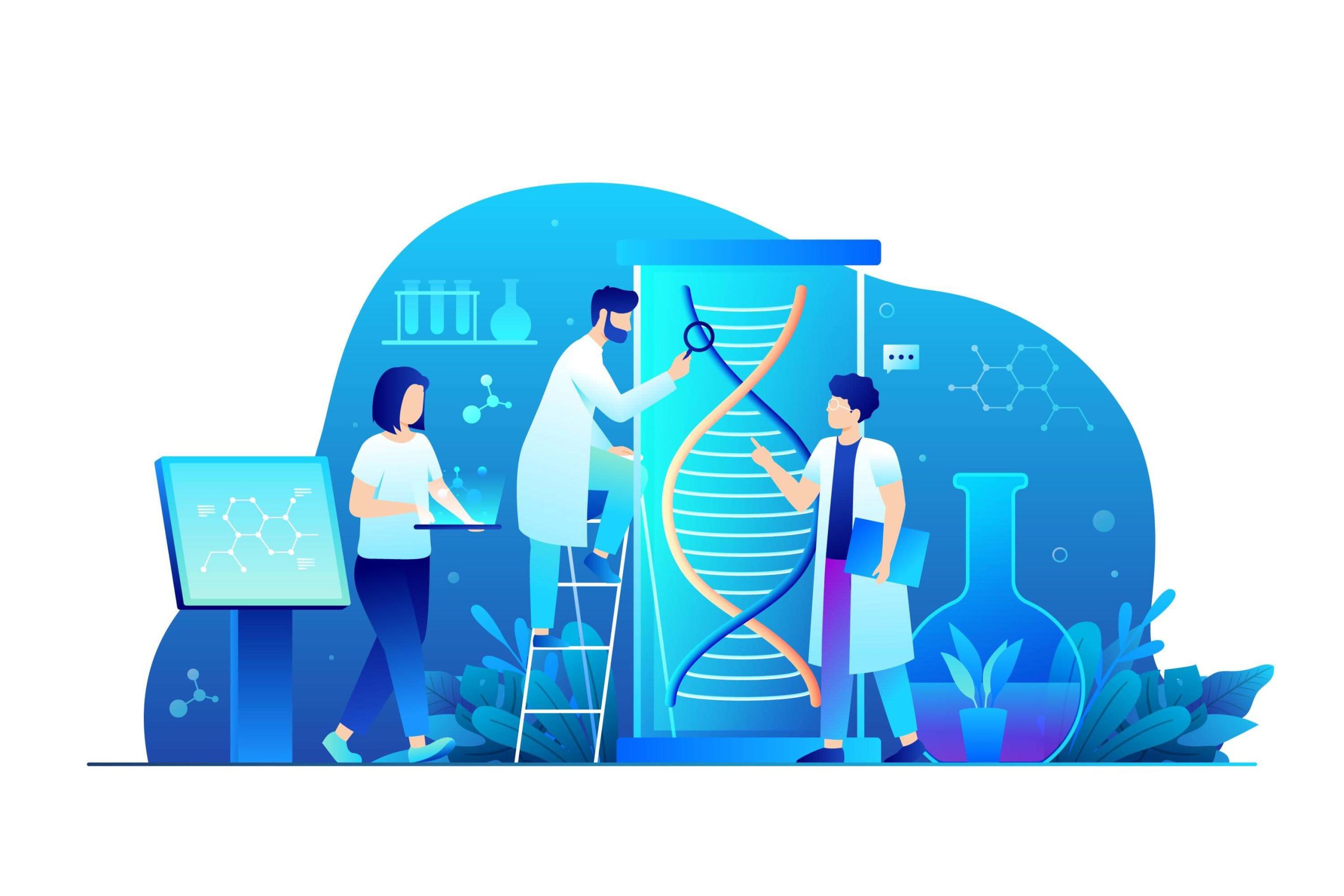
No, your genes are not your destiny; they are more like a blueprint of predispositions. While your genetic makeup can make you more susceptible to certain conditions, it does not guarantee you will develop them. The field of epigenetics shows that environmental and lifestyle factors act as powerful signals that can influence which of your genes are activated or silenced.
Think of your genes as light switches—your lifestyle choices are the hands that flip those switches on or off. For example, even with a genetic predisposition for type 2 diabetes, maintaining a healthy weight, eating a balanced diet, and engaging in regular physical activity can significantly reduce your risk. Your daily choices play a crucial role in shaping your ultimate health outcomes, often overriding genetic tendencies.

How can my lifestyle choices directly influence my genetic expression?
Your lifestyle choices can cause epigenetic modifications, which are chemical tags that attach to your DNA and alter how your genes function without changing the DNA sequence itself. Positive habits like a nutrient-rich diet, consistent exercise, and effective stress management can promote beneficial gene expression. For instance, certain foods contain compounds that can help activate genes responsible for suppressing tumors.
Conversely, negative lifestyle factors can have a detrimental effect on your genetic expression. Chronic stress, a poor diet, smoking, and exposure to environmental toxins can lead to harmful epigenetic changes, potentially activating genes linked to inflammation, accelerated aging, and chronic diseases. Therefore, your daily actions continuously send instructions to your genome, directly impacting your long-term health and well-being.

Can the environmental or lifestyle choices of my parents affect my health?
Yes, emerging research suggests that some epigenetic changes acquired by your parents can be passed down to you. This concept, known as epigenetic inheritance, means that a parent’s experiences, such as their diet or exposure to stress before you were conceived, can influence your health predispositions. These inherited tags can alter the activity of certain genes from the very beginning of your development.
For example, studies have indicated that a father’s diet prior to conception can influence the metabolic health of his children by altering the epigenetic markers on his sperm. While this is a complex and evolving area of science, it underscores the profound, multi-generational impact of our environment and lifestyle. It highlights that the choices we make today may have lasting consequences for the health of future generations.
Are you a healthcare professional ready to lead the charge in this new era of personalized health? Discover the most comprehensive functional medicine training, longevity training, and biohacking certification programs designed specifically for healthcare professionals, medics, and clinic owners who want to master regenerative medicine protocols and anti-aging therapies. Elevate your practice with Talking Longevity.