The Future of Healing: A Deep Dive into Regenerative Care Training
Imagine a world where medicine does more than just manage symptoms. Picture a healthcare approach that works with your body’s innate ability to repair itself, targeting the root cause of injury and disease to restore function. This is not science fiction; it is the core promise of regenerative care, a field that is fundamentally changing our understanding of health and longevity.
This revolutionary approach harnesses the power of the human body to regenerate damaged cells and tissues. For healthcare professionals, this shift represents an incredible opportunity to offer patients new hope and more effective outcomes. However, wielding this power requires a deep and nuanced understanding of complex biological processes, safety protocols, and cutting-edge techniques. This is precisely why comprehensive regenerative care training has become an essential pillar for any practitioner looking to enter this exciting domain.
Navigating this new frontier of medicine is not something to be taken lightly. It demands a commitment to continuous learning and a mastery of protocols that are both powerful and delicate. The right education provides the foundation for practitioners to safely and effectively integrate these therapies into their practice, ultimately defining the future of patient care and wellness.
What Does Regenerative Care Involve?
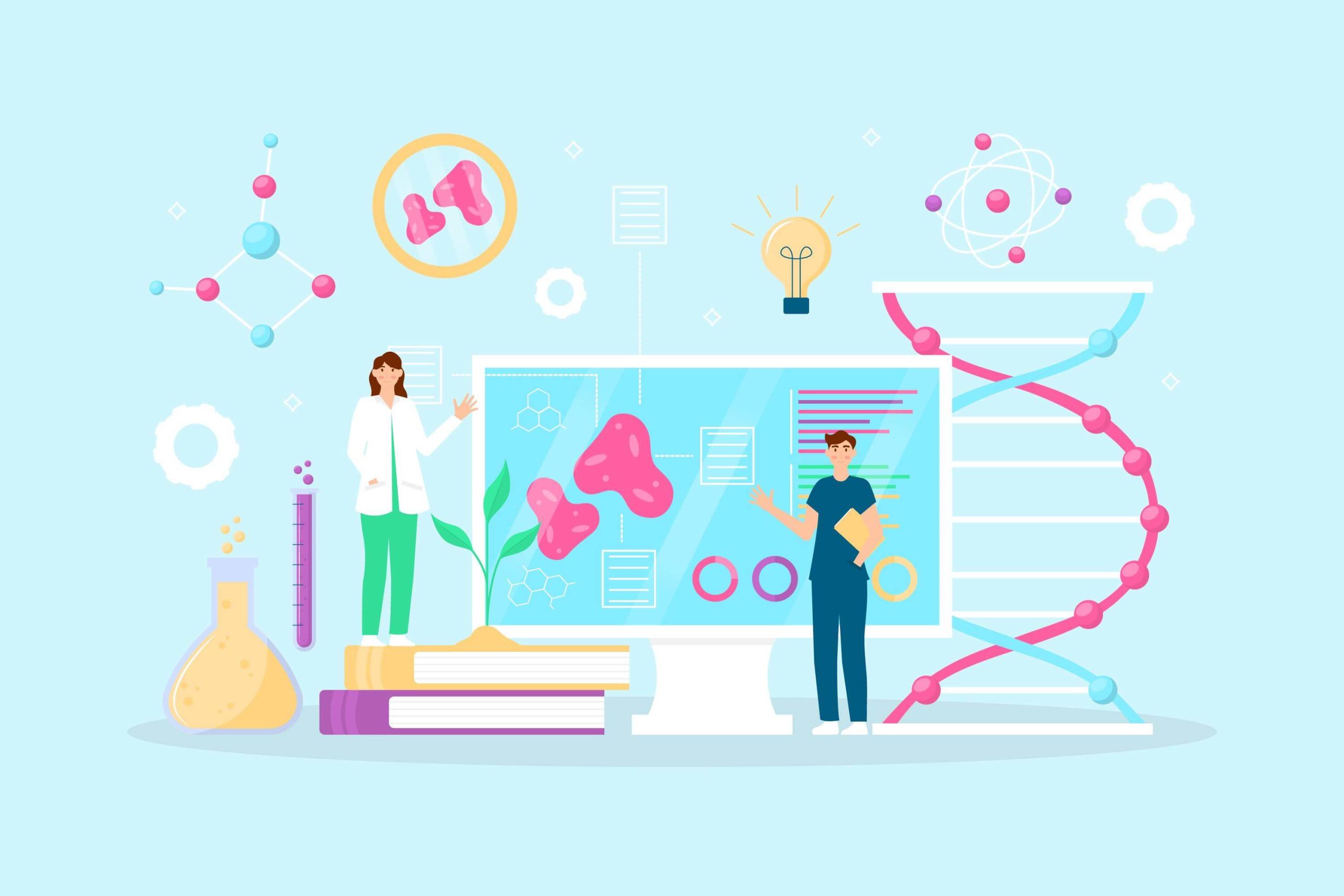
Regenerative care is a broad and dynamic field of medicine focused on a singular, powerful goal: to repair, replace, or regenerate human cells, tissues, or organs to restore normal function. It represents a paradigm shift away from simply treating symptoms and toward addressing the underlying damage caused by age, disease, or trauma. This approach leverages the body’s own healing mechanisms, amplifying them to achieve results that were once thought impossible.
At its heart are several key modalities. You may have heard of stem cell therapy, where specific cells with the ability to develop into many different cell types are used to repair damaged tissues. Another common therapy is platelet-rich plasma, or PRP, which uses a concentration of a patient’s own platelets to accelerate the healing of injured tendons, ligaments, muscles, and joints. The field also includes more advanced concepts like tissue engineering and the use of biomaterials to create scaffolds that encourage new tissue growth.
How does it differ from traditional medicine?
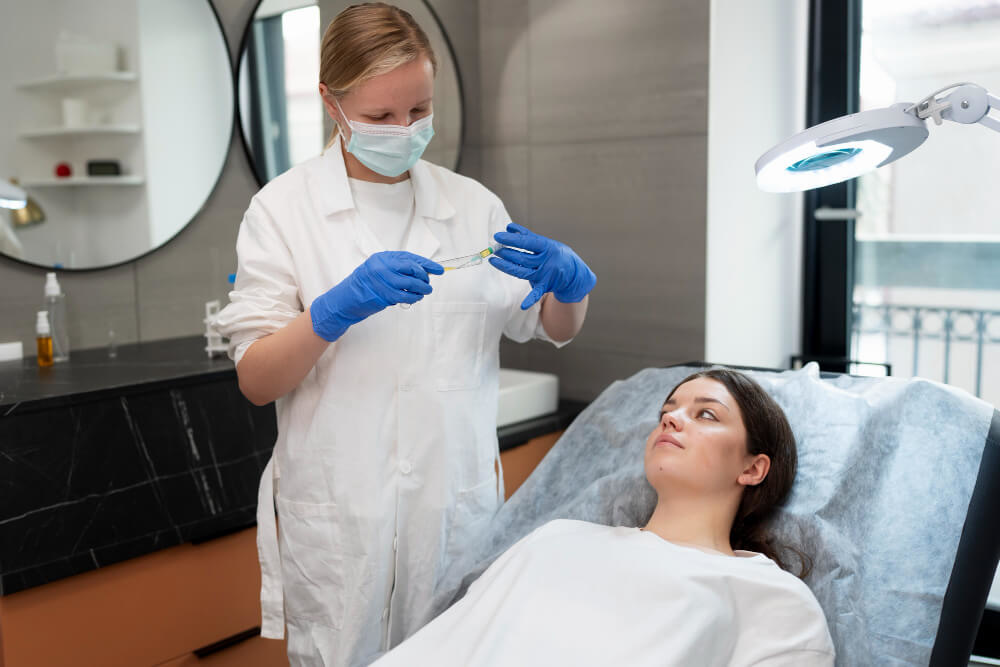
Traditional medicine is often focused on managing chronic conditions with long-term medications or performing surgery to remove or replace a damaged part. For example, a person with severe knee arthritis might be prescribed pain relievers for years, eventually leading to a full knee replacement surgery. This approach is reactive; it deals with a problem after it has become severe.
Regenerative care, in contrast, is proactive and restorative. Instead of replacing the arthritic knee with an artificial joint, a regenerative approach might use a patient’s own cells to reduce inflammation and encourage the cartilage to repair itself. The goal is not to introduce a foreign object but to coax the body into healing its own native tissue. It is a fundamental difference in philosophy, moving from management to true regeneration.

Why Can’t Any Doctor Just Perform These Procedures?
The allure of regenerative medicine is strong, but its application is highly complex. These are not simple injections or routine procedures. They involve manipulating fundamental biological materials and processes, which carries significant responsibility. The difference between a successful outcome and a complication often lies in the practitioner’s depth of knowledge and technical skill.
Practitioners must understand the intricate science behind how different cell types work, how to prepare them correctly, and the precise methods for delivering them to the target area. They need to be experts in patient selection, determining who is a good candidate for a specific therapy and who is not. This level of expertise is not covered in standard medical school curricula; it requires dedicated, specialized education.
Furthermore, the field is governed by a complex web of rules and ethical considerations. Practitioners must operate within strict guidelines to ensure patient safety and therapeutic integrity. This is why formal training on FDA regulations for human cells tissues HCT Ps is not just beneficial, it is absolutely critical for any clinic offering these services. Without this knowledge, providers risk legal repercussions and, more importantly, patient harm.

What kind of skills do practitioners learn?
Specialized training programs go far beyond basic theory. They provide hands-on instruction and in-depth clinical knowledge that is essential for real-world application. A key component is learning the specific protocols for harvesting and preparing biologics like PRP or bone marrow aspirate concentrate. This includes understanding the equipment, sterile techniques, and concentration methods needed to create a safe and potent therapeutic product.
Practitioners also learn advanced imaging and guidance techniques, such as using ultrasound to ensure that therapies are delivered with pinpoint accuracy to the exact site of injury. This precision is crucial for maximizing effectiveness and minimizing risks. The curriculum also covers pre-procedure patient evaluation and post-procedure care, ensuring a comprehensive approach to the entire treatment journey.
Ultimately, the goal of this education is to create competent and confident providers. For medical professionals who are serious about mastering this discipline, pursuing a regenerative medicine certification for physicians is a clear and decisive step. It signifies a commitment to excellence and a dedication to upholding the highest standards of patient care in this innovative field.

What Conditions Can Regenerative Care Address?
The potential applications for regenerative care are vast and continue to expand as research progresses. Because it focuses on the universal process of healing, its principles can be applied to a wide array of medical conditions across different specialties. It is proving to be a versatile and powerful tool in the modern medical arsenal.
From orthopedics and sports medicine to aesthetics and chronic disease management, regenerative therapies are offering new solutions for stubborn problems. This flexibility is one of the most exciting aspects of the field, promising a future where personalized repair is a frontline medical strategy.
Can it help with orthopedic issues?
This is perhaps the most well-known and established area for regenerative care. For decades, athletes and individuals with chronic joint pain have sought alternatives to surgery and long-term medication. Regenerative orthopedics fills this gap perfectly. Conditions like osteoarthritis, tendonitis, ligament sprains, and muscle tears are prime candidates for these therapies.
By injecting PRP or cellular products directly into a damaged knee, shoulder, or elbow, practitioners can help reduce inflammation, alleviate pain, and stimulate the natural repair of cartilage and connective tissues. For many patients, this can mean a return to activity without the lengthy recovery and potential complications associated with major surgery. It helps the body fix the original part rather than replacing it with an artificial one.
What about chronic diseases?
The application of regenerative principles is also showing promise in the management of complex chronic diseases, particularly those involving inflammation and immune system dysfunction. The goal here is often to modulate the body’s inflammatory response and create an environment that is more conducive to healing and system-wide balance. This approach aligns closely with the principles of functional medicine, which also seeks to address the root causes of illness.
Conditions characterized by chronic inflammation, such as certain autoimmune disorders, are being explored as potential applications. For example, researchers and forward-thinking clinicians are looking at how these therapies might be integrated into holistic treatment plans. Exploring integrative and functional medicine strategies for IBD shows how this mindset is being applied to help manage complex gut health issues by focusing on tissue repair and immune modulation.
Is there a role for it in aesthetics and anti-aging?
Yes, the world of aesthetics and anti-aging has enthusiastically embraced regenerative techniques. The same principles used to repair a joint can be applied to rejuvenate skin and stimulate hair growth. The goal is to promote a more youthful and healthy appearance by harnessing the body’s own restorative power.
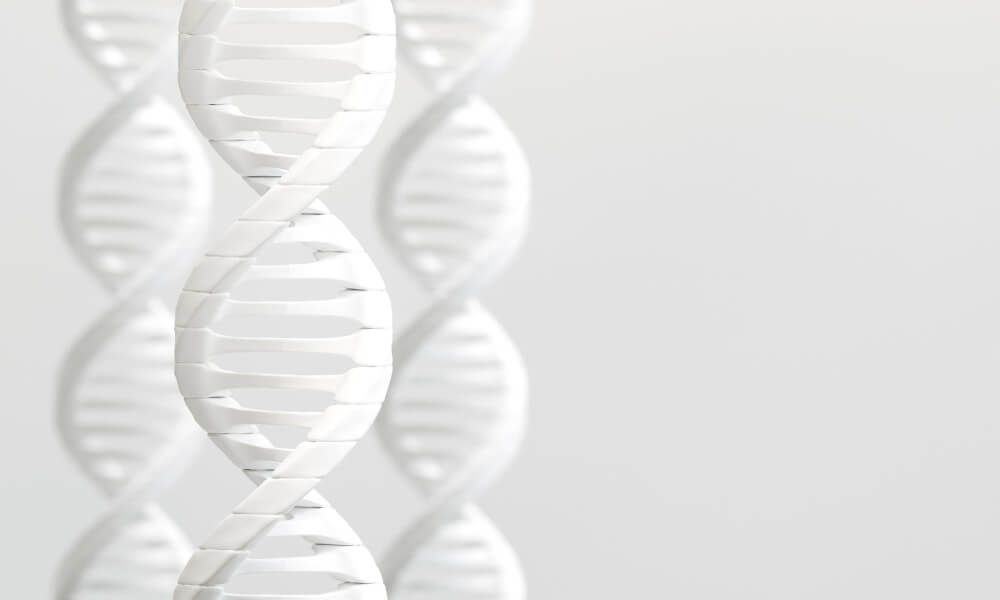
Procedures like PRP facials, often called ‘vampire facials’, use micro-needling to deliver platelet-rich plasma into the skin, which can stimulate collagen production, improve skin texture, and reduce the appearance of fine lines. Similarly, PRP injections into the scalp are used to nourish hair follicles and can be an effective treatment for certain types of hair loss in both men and women. It is a natural approach to aesthetics, using your biology to enhance your appearance.
How Do Our Genes Influence Regenerative Treatments?
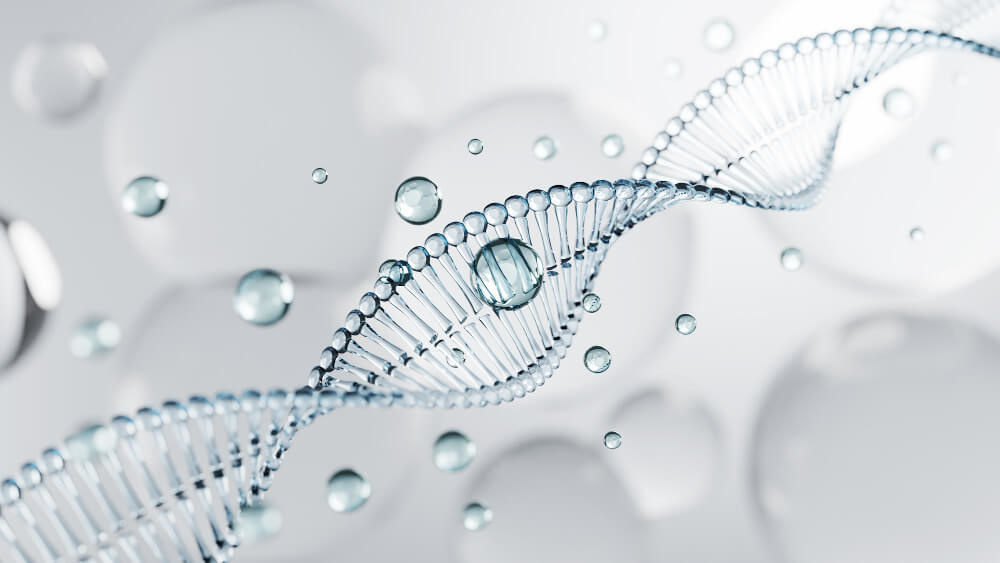
The next frontier in regenerative care is personalization, and the key to unlocking it lies within our DNA. Our genetic makeup is the unique blueprint that dictates how our bodies are built, how they function, and, crucially, how they heal. Understanding this blueprint can help practitioners tailor regenerative therapies to an individual’s specific biological landscape, potentially leading to safer and more effective treatments.
Every person’s response to injury and therapy is slightly different. Some people heal quickly, while others struggle. These differences are often influenced by subtle variations in our genes. By analyzing a patient’s genetic profile, clinicians can gain insights into their inflammatory responses, tissue repair capabilities, and potential risk factors. This information can guide the selection of the most appropriate regenerative therapy and help set realistic expectations for outcomes.
The study of the human genome has provided incredible tools for understanding our health. Organizations like the American Society of Human Genetics are at the forefront of this research, advancing our knowledge of how our genes impact health and disease. This knowledge is now being integrated into advanced medical practices, including regenerative care.

Can genetics predict disease risk and treatment response?
Genetics plays a significant role in our predisposition to certain conditions. For instance, we know that our genetics can influence cancer risk and our susceptibility to developing chronic diseases like osteoarthritis or autoimmune disorders. This genetic information can be incredibly valuable in a regenerative medicine context. If a patient has a genetic predisposition to high levels of inflammation, a practitioner might choose a therapy specifically designed to modulate that inflammatory response.
Furthermore, our genes can influence how we metabolize certain substances and how our cells respond to signaling molecules used in therapies. This can affect the efficacy of a given treatment. While we are still in the early stages of applying this knowledge, the goal is to move toward a future where a simple genetic test could help predict which regenerative protocol will work best for you, minimizing trial and error and maximizing positive results.

How is genetic information used in this field?
The rise of genetic testing has empowered both individuals and clinicians with unprecedented access to personal health information. Many people are exploring their ancestry and health traits through genetic genealogy, a field supported by resources like the International Society of Genetic Genealogy. This has increased public awareness of the power of genetic information.
In a clinical setting, practitioners can use targeted genetic panels to look for specific markers related to healing, inflammation, and nutrient metabolism. This data can help create a highly personalized treatment plan that goes beyond the one-size-fits-all model. However, it is vital to approach this information with care. The market for direct to consumer genetic tests has exploded, but the results can be complex and are best interpreted with the guidance of a qualified healthcare professional who understands their clinical implications.
What Does the Future Hold for Regenerative Care?
The future of regenerative care is incredibly bright, with innovations on the horizon that sound like they are pulled from the pages of a futuristic novel. Scientists are making rapid progress in areas that will further revolutionize medicine. The pace of discovery is astonishing, underscoring the need for practitioners in the field to be lifelong learners who are constantly updating their skills and knowledge.
We are moving toward an era of even greater precision and personalization. Imagine a day when a surgeon can use a 3D bioprinter to print a custom patch of cardiac tissue to repair a heart damaged by a heart attack. Consider the potential of advanced gene-editing tools to correct genetic defects at their source, preventing disease before it ever starts. These are not distant dreams but active areas of intense research and development.
As our understanding of biology deepens, we will unlock even more sophisticated ways to guide the body’s healing processes. This will involve complex cell signaling, advanced biomaterials, and the integration of artificial intelligence to analyze patient data and predict outcomes. The convergence of technology and biology will define the next generation of regenerative medicine.
For practitioners, this means that the training they receive today is just the beginning. The field is not static; it is a dynamic and evolving discipline. A commitment to ongoing education is not just an advantage, it is a necessity to remain at the forefront of what is possible and to continue offering patients the best and most current therapies available. The journey to mastering regenerative care is a continuous one, filled with discovery and the profound reward of helping people heal in truly remarkable ways.
Frequently Asked Questions

How do I introduce regenerative medicine to my existing patients without it sounding like an aggressive sales pitch?
The key to introducing regenerative services is through patient education and framing them as an integrated part of a comprehensive care plan. During routine appointments for chronic conditions like joint pain or hair loss, you can mention these new therapies as an additional tool in your medical toolbox. Position them not as a replacement for traditional care, but as a complementary option for patients who may be good candidates or have not found relief through other means.
Focus on the "why" behind adding these services, explaining that your goal is to offer the most advanced and holistic care possible under one roof. Provide educational brochures or direct them to a section of your website that explains the science and potential benefits in clear, accessible language. This empowers patients to inquire further based on genuine interest rather than feeling pressured into a service they don’t understand.

Since most regenerative therapies are not covered by insurance, how should my practice handle patient billing and financing?
Successfully integrating cash-based services requires a transparent and upfront financial policy that is clearly communicated to every patient. Before any procedure, conduct a dedicated financial consultation that details the full cost of the treatment plan and what it includes. This prevents misunderstandings and establishes trust, ensuring patients are fully aware of their financial responsibility from the outset.
To make treatments more accessible and increase case acceptance, consider offering flexible payment solutions. Many practices establish partnerships with third-party medical financing companies that provide patients with manageable monthly payment plans. Offering a few distinct payment options gives patients control and demonstrates that your practice is committed to helping them find a way to afford care.
What kind of training is essential for my support staff, like medical assistants and front desk personnel?
Your clinical support staff, such as medical assistants or nurses, will require hands-on training for the specific procedures you offer. This includes mastering sterile techniques for injections, understanding patient preparation protocols, and being proficient in post-procedure care instructions. They must also be trained to assist during the procedures themselves, ensuring a safe and efficient workflow.
Your administrative and front desk staff are the first point of contact and need to be well-versed in the basics of your regenerative services. They should be able to answer common questions about what the therapies are, the conditions they treat, and your practice’s pricing and consultation process. This ensures a seamless and professional patient experience from the initial phone call to the final follow-up.
Discover the most comprehensive functional medicine training, longevity training, and biohacking certification programs designed specifically for healthcare professionals, medics, and clinic owners who want to master regenerative medicine protocols and anti-aging therapies.