Unlock Your Youthful Vitality: The Ultimate Guide to Hormones and Longevity
We all dream of a long life, but what we truly desire is a long healthspan. It’s the difference between simply adding years to your life and adding life to your years. This pursuit of vibrant, active aging has brought a powerful, often overlooked, aspect of our biology to the forefront: our hormones.
Think of your hormones as the conductors of your body’s orchestra, directing everything from your energy levels and mood to your metabolism and immune system. As we age, the levels of these crucial messengers naturally decline, leading to many of the signs we associate with getting older. But what if we could influence this process? What if we could learn to support and balance our hormonal symphony to extend our vitality?
This is the core principle behind a revolutionary approach to wellness. By understanding the intricate dance of our endocrine system, we can make targeted choices that support our hormonal health. The field of longevity and hormone training is empowering individuals and healthcare practitioners to move beyond simply managing symptoms and toward proactively optimizing the very systems that govern our aging process.

What Are Hormones and Why Do They Matter for Aging?
Hormones are sophisticated chemical messengers produced by your endocrine glands. These glands, including the thyroid, adrenals, pituitary, ovaries, and testes, release hormones into the bloodstream, where they travel to target cells and organs to deliver specific instructions. They are the body’s internal communication network, ensuring countless processes run smoothly and in coordination.
This system regulates your metabolism, determining how efficiently your body converts food into energy. It controls your sleep-wake cycles, influences your mood and cognitive function, manages your stress response, and dictates your reproductive capabilities. In essence, your hormonal balance is a direct reflection of your overall health.
As we age, this finely tuned system begins to change. The production of many key hormones slows down, a process sometimes referred to as endocrinological aging. This decline is not just a number on a lab report; it manifests as tangible changes in how we look, feel, and function. It contributes to decreased muscle mass, lower bone density, cognitive fog, fatigue, and a reduced sense of well-being, all hallmarks of the aging journey.

Which Hormones Are Most Important for a Long, Healthy Life?
While the entire endocrine system works in concert, several key hormones play starring roles in the narrative of aging. Understanding their functions helps us appreciate why maintaining their balance is so critical for extending our healthspan. These are the primary players that experts in longevity focus on optimizing.
What is the role of testosterone?
Often mislabeled as exclusively a ‘male’ hormone, testosterone is vital for both men and women. In men, it is crucial for maintaining muscle mass, bone strength, red blood cell production, and libido. Declining levels, a condition known as andropause, can lead to fatigue, depression, increased body fat, and a loss of physical strength.
In women, testosterone is produced in the ovaries and adrenal glands. It plays a significant role in bone health, cognitive clarity, muscle tone, and sexual desire. Even a slight imbalance can impact a woman’s energy and overall vitality, particularly during and after menopause when its production wanes alongside estrogen.

How do estrogen and progesterone affect longevity?
For women, estrogen and progesterone are the primary female sex hormones, but their influence extends far beyond reproduction. Estrogen is a powerful protector of bone density, preventing osteoporosis. It also supports collagen production for skin elasticity, maintains cardiovascular health by keeping blood vessels flexible, and plays a role in memory and cognitive function.
The dramatic drop in estrogen during menopause is responsible for many well-known symptoms like hot flashes and night sweats, but its long-term effects on bone, brain, and heart health are even more significant. Progesterone, often called the ‘calming’ hormone, balances the effects of estrogen, supports sleep, and has a soothing effect on the nervous system. The harmonious balance between these two hormones is fundamental to a woman’s long-term well-being.
Why should we care about DHEA and Human Growth Hormone (HGH)?
DHEA, or dehydroepiandrosterone, is a precursor hormone produced by the adrenal glands. This means the body converts it into other hormones, including testosterone and estrogen. Its levels peak in our mid-20s and decline steadily thereafter. Researchers link higher levels of DHEA with increased longevity, improved immune function, and a greater sense of well-being.
Human Growth Hormone, or HGH, is produced by the pituitary gland and is essential for growth in childhood and adolescence. In adults, it shifts its role to cellular repair and regeneration. HGH helps maintain muscle mass, burn fat, and keep our tissues and organs healthy. Like DHEA, HGH production slows significantly as we age, contributing to frailty and slower recovery from injury.

What about cortisol and insulin?
Not all hormones are about growth and vitality; some are about management and response. Cortisol, our primary stress hormone, is essential for survival in short bursts. It gives us the energy to deal with immediate threats. However, modern life often leads to chronic stress, resulting in perpetually elevated cortisol levels. This state can break down muscle tissue, increase abdominal fat, impair cognitive function, and disrupt the balance of all other hormones.
Insulin, produced by the pancreas, is the key that unlocks our cells to allow glucose, or blood sugar, to enter and be used for energy. Poor diet and a sedentary lifestyle can lead to insulin resistance, where cells stop responding to insulin’s signal. This forces the pancreas to produce more and more insulin, leading to high blood sugar, inflammation, and an increased risk of nearly every chronic disease associated with aging, from type 2 diabetes to heart disease and Alzheimer’s.

Can Lifestyle Choices Really Influence Our Hormones?
Absolutely. While age-related hormonal decline is a natural process, its rate and severity are profoundly influenced by our daily choices. You have significant power to support and balance your endocrine system through foundational lifestyle habits. Think of diet, exercise, sleep, and stress management not just as healthy habits, but as powerful forms of hormonal training.
These pillars form the bedrock of any effective longevity strategy. Before considering more advanced interventions, mastering these basics can create a dramatic shift in your hormonal profile and overall vitality. They are the non-negotiable first steps on the path to a longer, healthier life.
How does exercise fine-tune our hormonal balance?
Physical activity is one of the most potent tools for hormonal optimization. Different types of exercise trigger distinct and beneficial hormonal responses. For instance, resistance training, like lifting weights, is a powerful stimulus for the body to produce more testosterone and human growth hormone, both of which are crucial for maintaining muscle and bone as we age.
Meanwhile, cardiovascular exercise, such as brisk walking, running, or cycling, improves your cells’ sensitivity to insulin. This helps your body manage blood sugar more effectively, reducing the risk of metabolic syndrome and type 2 diabetes. Understanding the exercise and hormone connection is key to designing a fitness routine that specifically targets your longevity goals.
Beyond specific hormonal boosts, exercise is a powerful anti-aging modality in itself. Groundbreaking research is showing how exercise may prevent or reverse aging at a cellular level. It works in part by combating ‘inflammaging’, the chronic, low-grade inflammation that drives many age-related diseases. Studies confirm that regular physical activity is a potent strategy, as exercise reduces inflammaging and promotes a more youthful biological state.

What should we eat for optimal hormone health?
Your diet provides the raw materials your body needs to manufacture hormones. A diet rich in healthy fats from sources like avocados, nuts, seeds, and olive oil is essential, as many hormones, including testosterone and estrogen, are synthesized from cholesterol. Adequate protein intake is critical for maintaining muscle mass, which in turn supports a healthy metabolism and insulin sensitivity.
Conversely, a diet high in processed foods, refined carbohydrates, and sugar is a recipe for hormonal chaos. These foods spike insulin levels, promote inflammation, and can disrupt the delicate balance of your entire endocrine system. Focusing on whole, unprocessed foods, including a wide variety of colorful vegetables and fruits, provides the fiber, vitamins, and minerals needed for optimal hormonal function and detoxification.
Why is sleep the ultimate hormonal reset?
Sleep is not a passive state; it is a critical period of repair, regeneration, and hormonal regulation. It is during deep sleep that your body releases the highest amount of human growth hormone, facilitating tissue repair and cellular rejuvenation. Quality sleep also helps to lower cortisol levels, resetting your stress response for the coming day.
Skimping on sleep has immediate and detrimental effects on your hormones. Even one night of poor sleep can decrease insulin sensitivity and increase cortisol. Chronic sleep deprivation disrupts the natural rhythms of hormone release, accelerating the aging process and undermining your health. Prioritizing seven to nine hours of quality sleep per night is one of the most effective anti-aging strategies available.

How does stress management protect our hormones?
In a state of chronic stress, the body prioritizes the production of cortisol above all else. This can lead to a phenomenon known as ‘pregnenolone steal’ or ‘cortisol steal’, where the precursor molecules needed to make other vital hormones like DHEA and testosterone are diverted to produce more cortisol. This constant state of ‘fight or flight’ effectively puts long-term health and repair on the back burner.
Implementing daily stress-management practices is essential for protecting your hormonal health. Techniques like meditation, deep breathing exercises, yoga, or simply spending time in nature can activate the body’s parasympathetic nervous system, also known as the ‘rest and digest’ state. This calms the stress response, lowers cortisol, and allows your body to redirect resources back toward vital regenerative processes. For medical professionals, understanding the profound hormonal impact of lifestyle interventions is crucial for guiding patients toward sustainable health.

What Happens When Lifestyle Isn’t Enough?
For many people, a dedicated focus on lifestyle provides a remarkable improvement in well-being and hormonal balance. However, for some, the natural decline in hormone production is significant enough that lifestyle measures alone cannot fully restore youthful vitality. This is particularly true for women navigating menopause and men experiencing andropause.
In these cases, working with a knowledgeable healthcare practitioner to explore hormone replacement therapy, or HRT, can be a life-changing option. The goal of modern HRT is not to push hormone levels to where they were at age 20, but to replenish them to a healthy, youthful range that alleviates symptoms and provides long-term protective benefits for the bones, brain, and heart.
This approach requires careful and personalized management. A forward-thinking clinician will focus on building a patient care plan around hormonal longevity, which involves comprehensive testing, symptom analysis, and a collaborative approach to treatment. It’s about optimizing the individual, not just chasing a number on a lab test.

How is hormone therapy personalized?
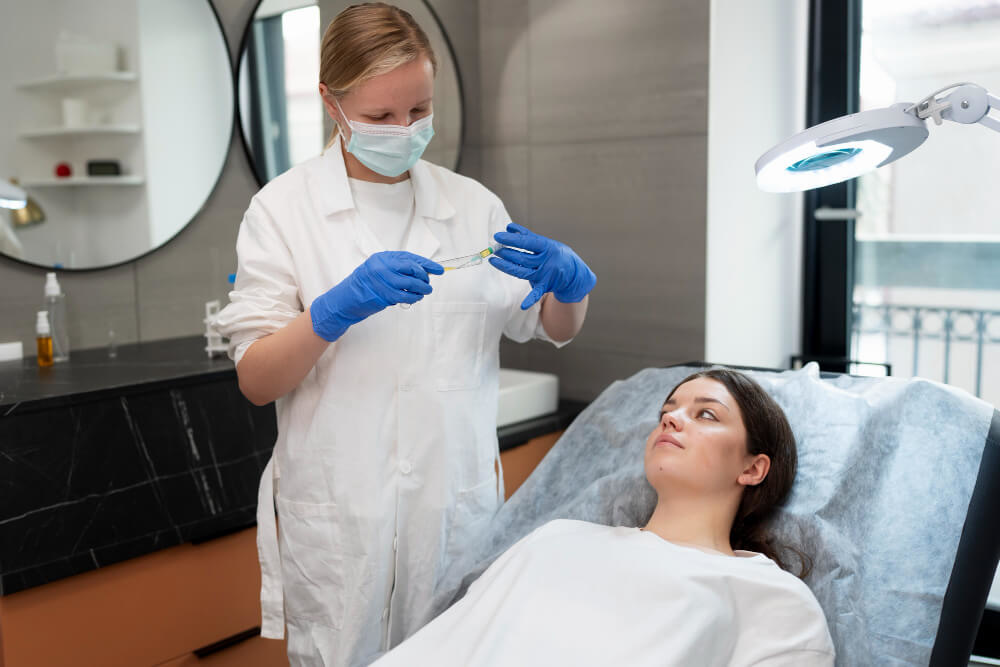
The days of a one-size-fits-all approach to hormone therapy are over. Effective and safe hormone optimization is highly individualized. It begins with comprehensive testing of blood, saliva, or urine to get a clear picture of your unique hormonal landscape, including not just sex hormones but also thyroid and adrenal function.
Based on these results and your specific symptoms, a practitioner can prescribe bioidentical hormones, which are molecularly identical to the ones your body produces. The personalization extends to the dosage and the delivery method. For example, a clinician might weigh the pros and cons of different options, requiring specific training on transdermal vs oral hormone delivery systems to make the best choice for the patient. Options like creams, gels, patches, pellets, or injections all have unique profiles, and the right choice depends on the individual’s needs and metabolism.
Crucially, personalized hormone therapy involves ongoing monitoring. Regular follow-ups and testing ensure that the dosage remains optimal and the body is responding well, allowing for adjustments as needed over time. This dynamic and responsive approach is the hallmark of modern, longevity-focused medicine.

What Does the Future Hold for Hormonal Health and Aging?
The conversation around aging is undergoing a radical transformation. We are moving away from a reactive model of treating age-related diseases and toward a proactive, preventative model focused on optimizing health and extending vitality. Hormonal health is at the very center of this paradigm shift.
We are entering an exciting era of geroscience, an interdisciplinary field that views aging itself as a malleable biological process. As highlighted in leading scientific journals, Geroscience: the convergence of genetics, lifestyle and pharma is paving the way for interventions that can slow or even reverse biological aging. Optimizing hormonal balance is a cornerstone of this approach.
Future advancements will likely include more sophisticated diagnostics, gene-based personalization of therapies, and novel compounds that can support the body’s own hormone production. The ultimate goal is to create a future where our later years are characterized by energy, clarity, and strength, not frailty and disease. Understanding and taking control of your hormonal health is your first and most powerful step into that future.
Taking charge of your hormonal destiny is the key to unlocking a longer, more vibrant life. By integrating foundational lifestyle practices with the potential for advanced, personalized therapies under expert guidance, you can actively participate in your own aging process. This is not about fighting aging; it’s about aging better, with the grace, energy, and health you deserve.
Frequently Asked Questions

What happens if my genetic report indicates a risk for hormone imbalance, but my current blood tests look normal?
This is an ideal scenario as it allows for a proactive rather than reactive approach to your health. Your genetic report reveals your lifelong predispositions and potential vulnerabilities, while blood tests provide a snapshot of your current physiological state. Normal labs simply mean that a specific genetic weakness has not yet manifested as a clinical problem, giving you a powerful window for prevention.
In this case, your personalized protocol would focus on targeted nutritional, supplemental, and lifestyle strategies to support that specific genetic pathway. The goal is to provide your body with the precise resources it needs to keep that vulnerability from ever becoming an issue that shows up in lab work or as physical symptoms. This is the essence of preventative, data-driven wellness.

Do I need a specialized practitioner to interpret my genetic data for a hormone protocol?
Yes, working with a practitioner trained in genomics or functional medicine is critical for creating a safe and effective protocol. Raw genetic data is incredibly complex, and a professional can accurately translate your unique markers into actionable, prioritized steps. They will integrate your genetic predispositions with your current symptoms, lab results, and health history for a truly holistic view.
Without expert guidance, it is easy to misinterpret the data, focus on low-impact genes, or even implement changes that are counterproductive or harmful. A specialist ensures your protocol is tailored specifically to you, preventing wasted effort and helping you navigate the complexities of your unique biochemistry. This guidance is essential for achieving meaningful and lasting results.

How much can a genetics-based protocol influence my hormones compared to lifestyle factors like diet and stress?
A genetics-based protocol does not replace foundational lifestyle habits but rather makes them significantly more effective by providing a personalized roadmap. Lifestyle choices like nutrition, sleep, and stress management are the primary levers for influencing hormone balance. Your genetic information reveals precisely how and why your body responds to these levers, allowing for targeted and efficient interventions.
For example, instead of a generic recommendation to "eat healthy," your genetics might highlight a poor ability to process B vitamins, making folate-rich foods a top priority for your hormone-detoxification pathways. Think of lifestyle as the vehicle for change and your genetics as the GPS that directs it. The protocol ensures your efforts are focused on the areas that will deliver the greatest impact for your unique biology.
Discover the most comprehensive functional medicine training, longevity training, and biohacking certification programs designed specifically for healthcare professionals, medics, and clinic owners who want to master regenerative medicine protocols and anti-aging therapies.