
Longevity Medicine: Your Ultimate Guide to a Longer, Healthier Life
For most of human history, growing older was synonymous with a slow decline into frailty and disease. We accepted that our later years would likely be marked by chronic illness, diminished energy, and a loss of independence. But what if we could rewrite that story? What if we could aim not just for a long life, but for a long and vibrant healthspan, the period of our lives spent in good health and free from disease?
This is the revolutionary promise of a rapidly advancing field of healthcare. This approach seeks to understand and target the root causes of aging itself, rather than just treating the diseases that arise from it. It represents a fundamental shift from a reactive sick-care model to a proactive, predictive, and personalized framework for lifelong wellness. At its core, longevity medicine is the science of maintaining youthful function and preventing age-related decline.
It’s a discipline that asks a powerful question: can we use cutting-edge science and data to help people not only live longer but also live better, with more vitality, clarity, and strength for decades to come? The answer emerging from clinics and research labs around the world is a resounding yes. This is not about finding a mythical fountain of youth; it is about applying rigorous medical science to optimize our biology.

What Is Longevity Medicine, Really?
At its heart, longevity medicine is a clinical specialty that applies the science of geroscience, the study of the biology of aging, to human health. Conventional medicine is incredibly effective at treating acute problems. If you have a bacterial infection or a broken bone, it provides powerful solutions. Where it often falls short, however, is in preventing the chronic diseases of aging like heart disease, type 2 diabetes, neurodegeneration, and cancer.
Traditional healthcare typically waits for a disease to manifest with clear symptoms and then intervenes to manage it. Longevity medicine flips this script entirely. It focuses on identifying and correcting cellular and metabolic dysfunction years or even decades before it can develop into a full-blown disease. It views the aging process itself as the primary risk factor for these conditions.
Instead of playing defense against individual diseases, longevity medicine plays offense for overall health. It uses advanced diagnostics to get a high-resolution picture of your unique biology, from your genetics to your metabolic health and cellular function. The goal is to optimize your body’s systems to maintain resilience, repair damage, and function at a peak level, regardless of your chronological age.
Think of your body like a complex piece of software. Conventional medicine is like waiting for a critical error message to pop up before calling tech support. Longevity medicine is like running continuous diagnostics, installing updates, and patching vulnerabilities to ensure the system runs smoothly and efficiently for as long as possible.

How Is This Different from Anti-Aging?
The term ‘anti-aging’ has been around for decades and often carries connotations of cosmetic procedures, unproven supplements, and a focus on looking younger. While there is overlap in the desire to combat the effects of time, longevity medicine represents a significant evolution of this concept into a more rigorous, evidence-based medical discipline.
Longevity medicine is less concerned with the superficial appearance of youth and more focused on the biological function of youth. It is deeply rooted in biochemistry, genomics, and systems biology. Practitioners in this field are medical professionals who use data from advanced testing to make clinical decisions designed to improve healthspan.
The focus is internal. It’s about improving mitochondrial efficiency, reducing chronic inflammation, balancing hormones, and clearing out dysfunctional cells. The happy side effect of this internal optimization is often a more youthful appearance, but that is a secondary benefit, not the primary goal. It is a clinical specialty that grew out of the foundations laid by earlier movements.
Many see it as the next generation of what was once broadly called anti-aging medicine, now with a greater emphasis on quantifiable biomarkers, preventative protocols, and targeting the specific biological hallmarks of aging. It’s a shift from a general desire to ‘fight aging’ to a precise, scientific strategy to promote health.

What Are the Core Principles of Longevity Medicine?
Longevity medicine operates on a set of principles that distinguish it from the conventional healthcare model. These principles create a framework for a deeply personalized and forward-thinking approach to health that empowers the individual.
Is It Proactive and Predictive?
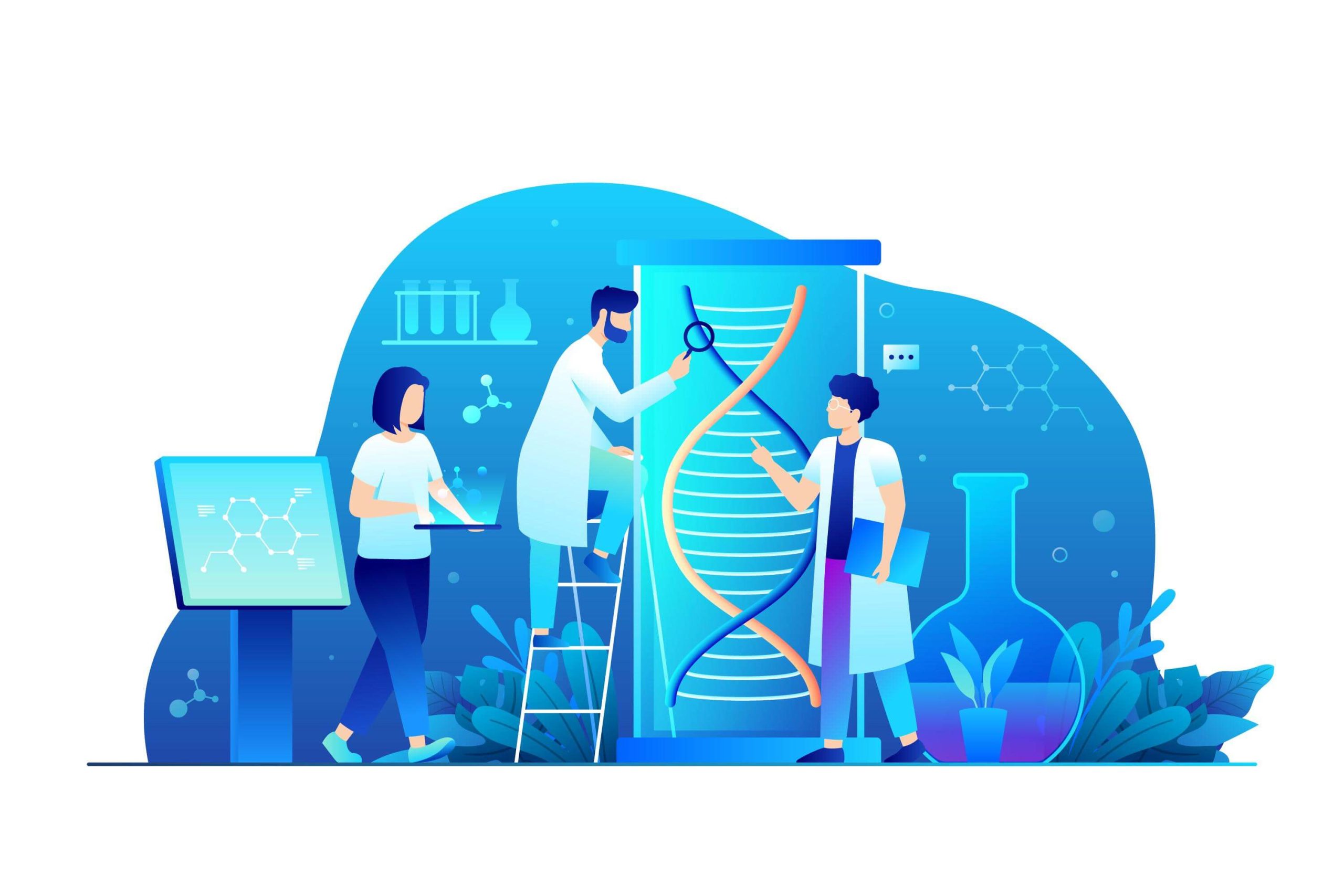
Yes, absolutely. Instead of waiting for you to develop high blood pressure or pre-diabetes, longevity medicine aims to see the warning signs long before they reach a diagnostic threshold. It uses genetic testing to understand your inherent predispositions and advanced biomarker analysis to see what is happening in your body right now.
This predictive power allows for targeted interventions. For example, if your genetic profile shows a high risk for Alzheimer’s disease and your blood work shows early signs of insulin resistance, a practitioner can design a precise nutrition, exercise, and supplement plan to mitigate that risk today, not twenty years from now when symptoms appear.

Is It Personalized?
This is perhaps the most critical principle. There is no one-size-fits-all protocol in longevity medicine. Your ideal diet, exercise regimen, and therapeutic needs are unique to your genetics, metabolism, lifestyle, and health goals. What works wonders for one person may be ineffective or even detrimental for another.
This ‘N-of-1’ approach means that every treatment plan is tailored specifically to you. It moves beyond generic advice like ‘eat less and move more’ to provide concrete, data-driven recommendations. It’s about understanding your body’s unique operating manual and giving it exactly what it needs to thrive.
Is It Participatory?
Longevity medicine requires your active participation. It is a collaborative partnership between you and your healthcare provider. You are not a passive recipient of care but an active agent in your own health journey. You are given the data, the education, and the tools to understand your body and make informed choices every day.
This model fosters a sense of ownership over your health. By tracking your own data through wearables, seeing the results of your lifestyle changes in your biomarker reports, and working with your clinician to fine-tune your strategy, you become the primary driver of your long-term wellness.

What Are the Hallmarks of Aging?
To understand how longevity medicine works, it helps to know what it is targeting. In 2013, a landmark scientific paper defined nine ‘Hallmarks of Aging’. These are the distinct, interconnected biological processes that drive aging at a cellular and molecular level. Longevity medicine interventions are designed specifically to counteract these hallmarks.
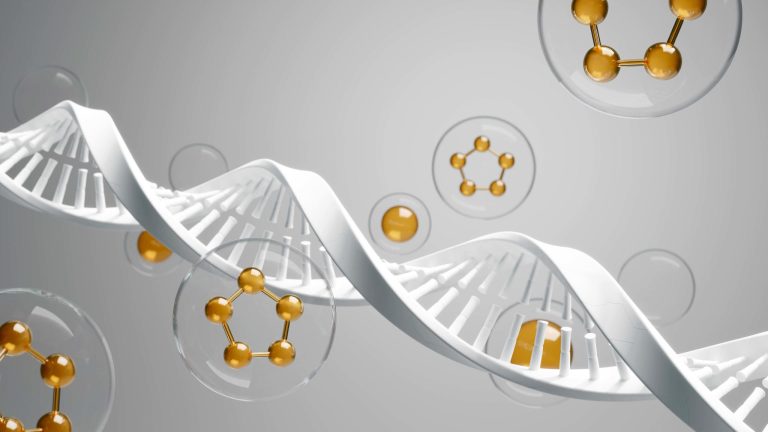
One key hallmark is genomic instability, which refers to the accumulation of damage to our DNA over time. Another is telomere attrition, the gradual shortening of the protective caps at the ends of our chromosomes, which can lead to cellular aging and death.
Mitochondrial dysfunction is also a critical factor. Mitochondria are the power plants of our cells, and as we age, they become less efficient, leading to energy deficits and increased oxidative stress. This is why we often feel less energetic as we get older.
Perhaps one of the most fascinating hallmarks is cellular senescence. This is a state where cells stop dividing but refuse to die. These ‘zombie cells’ linger in our tissues, secreting inflammatory signals that damage healthy neighboring cells and contribute to a wide range of age-related diseases. Targeting and clearing these senescent cells is a major focus of longevity research.
Other hallmarks include epigenetic alterations, loss of proteostasis (protein quality control), deregulated nutrient sensing, altered intercellular communication, and stem cell exhaustion. By addressing these fundamental processes, longevity medicine aims to slow, and in some cases even reverse, aging at its source.

What Kind of Tools and Diagnostics Are Used?
To create a truly personalized and predictive health strategy, longevity medicine relies on a suite of advanced diagnostic tools that go far beyond a standard physical.
Comprehensive biomarker analysis is a cornerstone. This involves detailed blood, urine, and saliva tests that measure hundreds of markers related to inflammation, metabolic health, hormone levels, nutrient status, cardiovascular risk, and more. Instead of just looking at total cholesterol, a longevity panel might look at particle size and number, like ApoB, which is a far more accurate predictor of heart disease risk.
Genomic testing provides the blueprint. By analyzing your DNA, practitioners can identify genetic variants that may predispose you to certain conditions or influence how you respond to specific foods, exercises, and medications. This allows for proactive strategies tailored to your unique genetic makeup.
Wearable technology has become an invaluable tool. Devices that track sleep quality, heart rate variability (HRV), activity levels, and even continuous glucose monitoring provide a stream of real-time data. This information helps you and your practitioner see how your daily habits are impacting your biology and allows for continuous optimization.
Finally, one of the most exciting tools is the epigenetic clock. These tests analyze methylation patterns on your DNA to determine your biological age, as opposed to your chronological age. This can provide a powerful metric of how well your body is aging and can be used to track the effectiveness of longevity interventions over time.

What Interventions Does Longevity Medicine Employ?
Armed with comprehensive data, a longevity practitioner develops a multi-faceted plan that typically incorporates diet, exercise, targeted supplementation, and potentially advanced therapies. The goal is to create a synergistic effect that enhances overall health and resilience.

How Important Are Nutrition and Diet?
Nutrition is fundamental. The focus is on precision nutrition, not dogmatic diets. This might involve strategies like time-restricted eating or intermittent fasting to promote cellular cleanup processes like autophagy. It could mean adopting a modified Mediterranean diet rich in polyphenols or a lower-carbohydrate plan to improve metabolic flexibility.
Nutraceuticals and supplements also play a key role, but they are used with precision. Instead of a random collection of vitamins, supplements are recommended based on specific deficiencies or to target a particular pathway identified in your lab work. For those looking to understand the science behind various compounds, resources that collate and analyze research, such as Examine.com, can be incredibly useful for exploring the data on different supplements.

What Role Does Exercise Play?
Exercise is considered a potent longevity medicine. The prescription, however, is highly specific. The plan will likely include a mix of different types of training designed for distinct benefits. This includes Zone 2 cardiovascular exercise to improve mitochondrial efficiency, strength training to build and maintain muscle mass (a key organ of longevity), and stability and mobility work to prevent injury and maintain function.

Are There Specific Medications or Therapies?
In some cases, prescription medications may be used off-label to target aging pathways. Drugs like metformin and rapamycin are subjects of intense research for their potential geroprotective effects. Hormone replacement therapy is also often used to restore youthful hormone levels in a safe and monitored way, which can have profound effects on energy, body composition, and cognitive function.
More advanced therapies are also emerging, such as peptide therapy, which uses specific short chains of amino acids to signal various repair and rejuvenation processes in the body. Senolytic therapies, designed to clear out those harmful senescent cells, are another exciting frontier currently being explored in clinical trials.

Is There Scientific Support for This Field?
With any new and promising field of medicine, a healthy dose of skepticism is warranted. The good news is that longevity medicine is not based on wishful thinking but on a rapidly growing body of scientific research. The entire field is dedicated to building a solid [evidence base for longevity medicine](https://talkinglongevity.com/what-is-the-evidence-base-for-longevity-medicine/) to ensure that interventions are safe, effective, and grounded in rigorous data.
World-class research institutions are dedicated solely to studying the biology of aging and translating those findings into clinical practice. Pioneering organizations like the [Buck Institute for Research on Aging](https://www.buckinstitute.org/) are at the forefront of this work, making discoveries that are paving the way for new therapies to extend healthspan. Their research provides the foundational science upon which clinical longevity medicine is built.
The conversation around longevity has also moved from niche scientific circles to the global stage. Major international organizations are now recognizing its potential to transform public health and economies. The topic is being seriously discussed by global leaders, as seen in agendas from the [World Economic Forum](https://www.weforum.org/agenda/2022/10/longevity-medicine-and-health-davos-2022/), which highlights the shift towards prioritizing preventative health and healthspan extension on a global scale.

How Can Someone Get Started with Longevity Medicine?
Embarking on a longevity-focused health journey is an empowering step towards taking control of your future. The first step is often education. Understanding the basic principles and possibilities can help you decide if this path is right for you. The next step is to find a qualified practitioner who is trained in functional or longevity medicine.
These clinicians have the expertise to order and interpret the advanced diagnostic tests that form the foundation of a personalized plan. They can guide you through the process, help you set realistic goals, and adjust your protocol based on your progress and changing biology. Many people wonder [how to transition from conventional to longevity-focused care](https://talkinglongevity.com/how-to-transition-from-conventional-to-longevity-focused-care/), and a good practitioner can make that process smooth and clear.
Even before you see a specialist, you can begin to adopt a longevity lifestyle. Prioritize sleep, as it is critical for cellular repair. Incorporate regular movement, including both cardio and strength training. Reduce your intake of processed foods and sugar, and focus on a whole-foods diet rich in colorful plants. Practice stress-management techniques like meditation or deep breathing to lower cortisol and inflammation.
Longevity medicine is not about achieving immortality. It is about a profound re-envisioning of what it means to grow old. It is about using the best of modern science to ensure that our later years are not a period of decline but a continued chapter of growth, vitality, and engagement. It is about adding life to our years, not just years to our life.
Frequently Asked Questions

What are the biggest challenges when transitioning from a traditional practice to a longevity medicine model?
The primary challenge is the fundamental shift in mindset from reactive, disease-based care to proactive, healthspan optimization. This requires unlearning certain aspects of traditional medical training and embracing a systems-biology approach to patient health. Clinicians must also become comfortable with a business model that is typically cash-pay, which involves developing new skills in marketing, sales, and direct patient communication about costs.
Another significant hurdle is navigating the initial financial investment and operational setup without the familiar structure of insurance billing. Sourcing specialized diagnostic equipment, choosing the right electronic health record (EHR) system, and building a new patient base from scratch demand careful planning and a solid business strategy. Overcoming these obstacles requires a clear vision for the unique value you provide and a commitment to educating your community about the benefits of longevity medicine.

How do I manage patient expectations regarding outcomes in longevity medicine?
Managing patient expectations begins with transparent communication during the very first consultation. It is crucial to explain that longevity medicine is a long-term partnership focused on optimizing health and preventing future disease, not a series of quick fixes for acute problems. Clearly outline the process, the commitment required from the patient, and the fact that results are gradual, cumulative, and measured over months and years.
Utilize objective data from advanced diagnostics to establish a baseline and track progress, providing tangible evidence of improvement over time. This helps shift the patient’s focus from subjective feelings to concrete biomarkers of health, such as inflammatory markers or metabolic function. Regularly scheduled follow-ups are essential for reinforcing the plan, celebrating small wins, and adjusting strategies as needed to keep the patient engaged and motivated on their long-term journey.

What are effective strategies for pricing services in a cash-pay longevity practice?
An effective pricing strategy should be value-based, reflecting the comprehensive nature of your services, advanced diagnostics, and specialized expertise. Instead of a-la-carte pricing for every test and visit, consider creating tiered membership or package models that bundle services for a recurring fee. This approach provides predictable revenue for the practice and gives patients a clear understanding of their investment in a comprehensive, year-long health plan.
When setting your prices, research your target demographic and the competitive landscape to ensure your rates are both attractive and sustainable. You might offer an initial, in-depth assessment for a fixed price, which allows a potential patient to experience your practice’s value before committing to a longer-term membership. This strategy builds trust and serves as a powerful conversion tool for your primary service packages.
Are you a healthcare professional, medic, or clinic owner ready to lead the future of healthcare? Discover the most comprehensive functional medicine training, longevity training, and biohacking certification programs. Master regenerative medicine protocols and anti-aging therapies with Talking Longevity.