
Beyond Anti-Aging: What is Longevity Medicine?
For centuries, humanity has been captivated by the idea of a longer life. We dream of more years to spend with loved ones, pursue our passions, and experience the world. But what if the goal wasn’t just about adding years to your life, but adding life to your years? This is the fundamental question at the heart of a revolutionary field transforming our approach to health and aging.
This emerging paradigm shifts the focus from lifespan, the sheer number of years you live, to healthspan, the number of years you live in good health, free from chronic disease and full of vitality. It’s a proactive, data-driven, and deeply personalized field of healthcare. This is the world of longevity medicine, a medical specialty dedicated to understanding the mechanisms of aging and applying interventions to slow, and in some cases even reverse, age-related decline.
Unlike the reactive model of traditional medicine that often waits for symptoms to appear before acting, longevity medicine aims to get ahead of the curve. It seeks to optimize your body’s systems, enhance your resilience, and extend your period of peak physical and cognitive function. It’s not about finding a mythical fountain of youth; it’s about using cutting-edge science to build a more robust and durable version of you.

How is Longevity Medicine Different From Traditional Healthcare?
Imagine your health is a car. Traditional healthcare often acts like a mechanic you only visit when the check engine light is on or the car has broken down. The focus is on fixing the immediate problem, replacing the broken part, and getting you back on the road. This approach is essential for acute illness and emergencies, but it’s fundamentally reactive.
Longevity medicine, in contrast, is like a high-performance engineering team dedicated to your vehicle. This team doesn’t just wait for a breakdown. They perform deep diagnostics, analyze the fuel you’re using, check the engine’s efficiency at a molecular level, and make constant adjustments to ensure the car runs at peak performance for as long as possible. They are trying to prevent the breakdown from ever happening.
This proactive stance is a core differentiator. While a traditional check-up might look at a standard lipid panel and declare you ‘normal’, a longevity-focused practitioner digs deeper. They investigate the root causes of potential dysfunction, looking at inflammatory markers, genetic predispositions, and metabolic health indicators that signal risk long before a disease manifests.
Furthermore, traditional medicine often relies on population-based guidelines, which can be effective for large groups but may not be optimal for an individual. Longevity medicine champions radical personalization. It acknowledges that your unique genetics, lifestyle, and environment create a health profile that is yours alone, requiring a bespoke strategy for optimization.

What are the Core Principles of Longevity Medicine?
Longevity medicine is built upon a framework of scientific principles that guide its practice. These principles represent a significant departure from conventional thinking, moving towards a future where aging is seen not as an inevitability to be endured, but a process to be managed and optimized. Understanding these pillars is key to grasping the power and potential of this field.
At its core, this medical discipline is about systems thinking. It views the body as an interconnected network where a problem in one area can have cascading effects elsewhere. By addressing the fundamental processes of aging itself, practitioners can influence a wide range of age-related conditions simultaneously, rather than treating each one in isolation.

Why is Early Detection and Prevention Key?
The old adage ‘an ounce of prevention is worth a pound of cure’ is the central mantra of longevity medicine. The practice is predicated on the idea that it is far more effective to prevent a disease from developing than to treat it after it has taken hold. This involves identifying risks and subtle dysfunctions years or even decades before they would typically be diagnosed.
This proactive approach is essential because most chronic diseases, like heart disease, type 2 diabetes, and certain cancers, develop silently over a long period. By the time symptoms appear, significant damage may have already occurred. Longevity medicine uses advanced diagnostics to peek under the hood and catch these processes in their infancy. This philosophy aligns with the broader goals of what is preventive health care, which emphasizes actions taken to prevent illness and detect it at the earliest stages.
By focusing on the ‘hallmarks of aging’, the fundamental cellular and molecular processes that drive aging, practitioners can intervene at the source. This might mean addressing cellular senescence, mitochondrial dysfunction, or genomic instability before they contribute to a diagnosable condition. It’s about maintaining the integrity of the system to prevent its eventual failure.

How Does Personalization Shape Treatment?
There is no one-size-fits-all protocol in longevity medicine. Your neighbor’s ideal diet, exercise routine, and supplement regimen could be completely different from yours, and for good reason. We are all unique, from our DNA to our microbiome to our daily habits. Personalization is not just a feature; it is the foundation of the entire approach.
This deep customization is made possible by the ‘omics’ revolution. Genomics provides the blueprint of your genetic predispositions. Proteomics analyzes the proteins your body is producing. Metabolomics offers a real-time snapshot of your metabolic processes. Combining this molecular data with information from wearables, detailed questionnaires, and advanced clinical tests creates a high-resolution picture of your individual health.
A practitioner can then use this data to craft a strategy that is precisely tailored to you. For example, if genetic testing reveals you have a reduced ability to process B vitamins, your plan will specifically address that. If metabolic testing shows you have poor glucose control, your nutritional plan will be designed to improve insulin sensitivity. This level of detail ensures that interventions are targeted, efficient, and effective.

What Role Does Data and Technology Play?
Longevity medicine is an intensely data-driven field. It leverages the latest advancements in technology to gather, analyze, and act upon vast amounts of health information. This goes far beyond the scope of a standard annual physical. Continuous glucose monitors, wearable rings that track sleep and heart rate variability, and smart scales that measure body composition are just a few examples of the tools used.
This continuous stream of data provides invaluable insight into how your body responds to different inputs in real time. You can see precisely how a specific meal affects your blood sugar or how a poor night’s sleep impacts your readiness for the day. This biofeedback loop is incredibly empowering, allowing you and your practitioner to make informed, data-backed decisions.
Artificial intelligence and machine learning are also playing an increasingly important role. These technologies can analyze complex datasets to identify patterns and predict risks that a human might miss. This synergy of human expertise and technological power allows for a level of precision and foresight in healthcare that was previously unimaginable.

What Kinds of Tools and Diagnostics are Used?
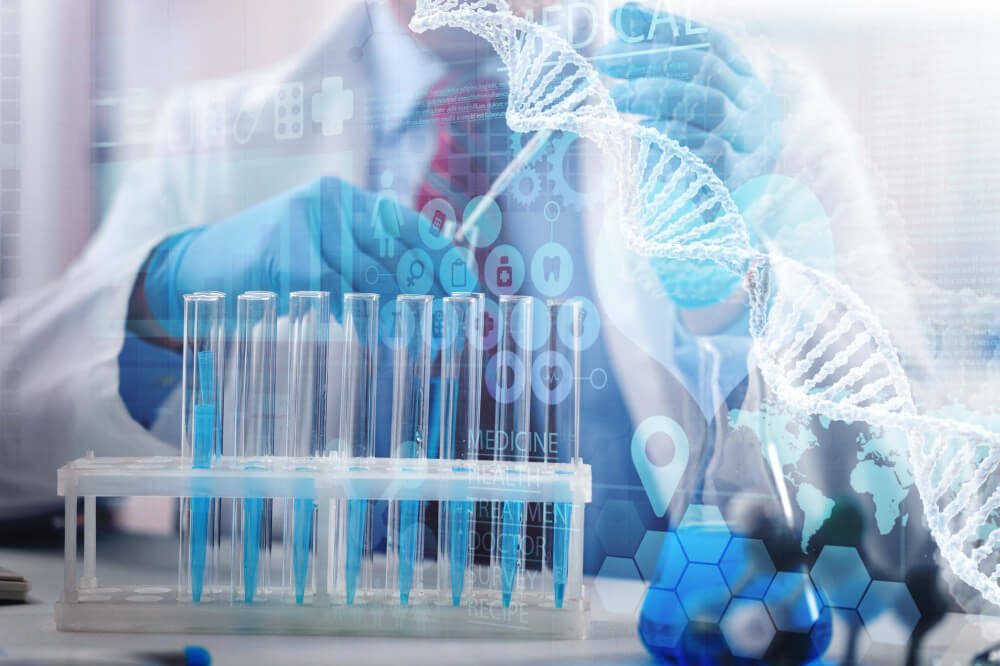
To achieve its goals of prevention and optimization, longevity medicine employs a sophisticated toolkit of diagnostic tests that provide a much deeper and more comprehensive view of your health than conventional screening. These tools are designed to measure function and risk, not just diagnose existing disease. They form the evidence-based foundation upon which personalized health strategies are built.
What Do Advanced Biomarker Tests Reveal?
While a standard lab test might measure total cholesterol, a longevity-focused panel will go much further. It examines the number and size of lipoprotein particles, like ApoB and Lp(a), which are far better predictors of cardiovascular risk. Understanding the results from advanced cardiometabolic testing and interpretation is crucial for preventing heart attacks and strokes, the leading causes of death.
These advanced panels also assess markers of inflammation like hs-CRP, nutrient levels like Vitamin D and Omega-3s, and a full spectrum of hormone levels. They provide a detailed look at your metabolic health, including insulin resistance and blood sugar control over time. Each biomarker serves as a clue, helping to assemble a complete picture of your body’s internal environment and identify areas that need support.

How are Epigenetic Clocks and Biological Age Measured?
One of the most exciting concepts in longevity science is the difference between chronological age and biological age. Your chronological age is simply how many birthdays you’ve had. Your biological age, however, reflects the true age of your cells and tissues. It’s a much more accurate predictor of your health and mortality risk.
Scientists can now measure biological age by looking at epigenetic modifications to your DNA. These are chemical tags that attach to your genes and control their expression, turning them on or off. The patterns of these tags change as we age in a predictable way, creating what is known as an ‘epigenetic clock’.
The incredible thing about your biological age is that it’s not set in stone. Unlike your chronological age, you can influence it. Positive lifestyle changes like improved diet, regular exercise, and better sleep have been shown to slow down and even reverse biological aging as measured by these clocks. This provides a powerful, quantifiable way to track the effectiveness of your longevity strategy.

Why is Comprehensive Health Data Important?
The true power of these diagnostics comes from integration. No single data point tells the whole story. A longevity practitioner synthesizes information from your genetic tests, blood biomarkers, epigenetic clock, wearable data, and detailed personal and family history. This holistic view is essential for creating a truly effective and safe plan.
This comprehensive data synthesis is the first step in designing personalized patient wellness plans. A practitioner might see that a patient has a genetic risk for Alzheimer’s, elevated inflammatory markers, and poor sleep patterns reported from their wearable device. This combination of insights allows for a multi-pronged intervention targeting brain health, inflammation, and sleep hygiene, a far more powerful approach than addressing each issue in isolation.

What are Common Longevity Interventions?
Once a deep diagnostic workup is complete, a longevity practitioner will work with you to implement a personalized plan. These interventions are not about extreme measures but about consistent, targeted actions across several key areas of life. The goal is to optimize the body’s natural systems for health, repair, and resilience.
How Does Nutrition Impact Longevity?
Nutrition is a cornerstone of any longevity strategy, but the approach is far from the generic food pyramid. It’s about personalized nutrition, often informed by genetic testing and continuous glucose monitoring. The goal is to provide your body with the optimal fuel to thrive, minimizing inflammation and maintaining stable blood sugar.
This might involve specific dietary patterns like a Mediterranean diet, time-restricted eating, or a cyclical ketogenic diet, depending on your individual goals and metabolic health. The focus is on nutrient density, ensuring an abundance of vitamins, minerals, and phytonutrients that support cellular function. This approach to eating is a primary form of preventive care, as it directly influences the metabolic pathways that contribute to chronic disease.
What Type of Exercise is Best for a Long Healthspan?
The optimal exercise prescription for longevity is one of balance and variety. It’s not just about running marathons or lifting the heaviest weights. A well-rounded plan typically includes four key components.
First is Zone 2 cardio, which is low-intensity aerobic exercise that improves mitochondrial efficiency and metabolic health. Second is strength training, which is critical for maintaining muscle mass, a key predictor of longevity. Third is high-intensity interval training (HIIT) for boosting cardiovascular fitness. Finally, stability and mobility work is essential for preventing injury and maintaining function as you age.

Can Hormones Be Optimized for Healthy Aging?
Hormones are powerful signaling molecules that regulate countless processes in the body, from energy levels and mood to body composition and libido. As we age, the production of key hormones like testosterone, estrogen, and thyroid hormone naturally declines, contributing to many of the symptoms we associate with aging.
Hormone optimization aims to restore these levels to a more youthful, healthy range, not to create unnaturally high levels. This can have a profound impact on quality of life, improving energy, cognitive function, bone density, and muscle mass. Because this is a complex area, it is vital that it is managed by a skilled professional, highlighting the importance of proper training on the safe application of hormonal therapies in older adults. This is also a critical component of comprehensive health management, particularly in the context of well-woman care, where hormonal balance plays a central role throughout life.
Are Supplements and Peptides Part of the Strategy?
While the foundation of longevity is always lifestyle, targeted supplementation can play a powerful supporting role. Unlike the scattergun approach of taking a generic multivitamin, supplementation in longevity medicine is precise. It is used to correct identified deficiencies, such as low Vitamin D, or to target specific aging pathways.
Common supplements might include NAD+ precursors to support cellular energy, creatine for muscle and brain health, or Omega-3 fatty acids to reduce inflammation. Some practitioners may also use prescription medications like metformin or rapamycin off-label for their potential anti-aging effects. Peptides, which are short chains of amino acids, are another emerging tool used as signaling molecules to support tissue repair and other regenerative processes.

How Can Someone Get Started with Longevity Medicine?
Embarking on a longevity journey is an empowering decision to take control of your health’s trajectory. The first and most important step is to find a clinician who is properly trained and experienced in longevity, functional, or precision medicine. They will have the expertise to order and interpret the advanced diagnostics necessary to build your personalized plan.
While you search for the right partner in health, you can begin by focusing on the foundational pillars that have the biggest impact. Prioritize getting seven to nine hours of high-quality sleep each night. Clean up your diet by removing processed foods and sugars. Incorporate regular movement into your week, aiming for a mix of cardio and strength training. And finally, develop healthy strategies for managing stress, such as meditation or spending time in nature.
These lifestyle factors are incredibly powerful and form the bedrock of any successful longevity plan. Making positive changes in these areas can significantly lower your risk for a multitude of conditions. Many lifestyle choices are deeply connected to long-term outcomes and cancer causes and prevention, demonstrating that the daily habits you build today are a direct investment in your future health.
Longevity medicine is ultimately a message of hope and empowerment. It represents a monumental shift in healthcare, from a model of sickness to a model of wellness. It leverages the best of modern science to give you the tools and knowledge to not just live longer, but to live better, with more energy, clarity, and vitality for all the years to come. It’s a journey of a thousand small steps, all leading to a longer, healthier, and more fulfilling life.
Frequently Asked Questions

How do I transition an existing traditional practice to a healthspan optimization model?
A phased transition is often the most successful approach for established clinicians. Begin by introducing specific healthspan-focused services, such as advanced biomarker testing or personalized nutrition coaching, as optional add-ons for interested patients. This allows you to refine your protocols and gauge patient demand without overhauling your entire operational structure at once.
Once you have established a core set of services and built momentum, you can create a distinct membership or concierge tier for your comprehensive healthspan program. Market this new offering directly to your existing patient base, emphasizing the shift from reactive care to proactive health management. As this side of the practice grows, you can gradually allocate more time and resources until it becomes your primary focus.

What are the most significant initial investments besides the physical clinic space?
Beyond your physical location, the largest investments will be in your technology stack and specialized diagnostic equipment. A robust Electronic Health Record (EHR) system that can integrate data from wearables, continuous glucose monitors, and detailed questionnaires is essential. You will also need to invest in in-office devices for assessing body composition, VO2 max, and other key healthspan metrics that are not part of a standard physical.
Another major financial consideration is establishing accounts and workflows with specialty labs for advanced testing, including genomics, proteomics, and comprehensive hormone panels. Furthermore, you must allocate a significant budget for initial marketing and brand development to attract your ideal, high-intent client base. These foundational investments are critical for providing the data-driven, personalized care that defines a premier healthspan practice.

How can I effectively market a healthspan practice without making unsubstantiated medical claims?
Focus your marketing strategy on education, process, and empowerment rather than guaranteeing specific outcomes like "curing" or "reversing" age-related conditions. Develop high-value content like blog posts, webinars, and podcasts that explain the science behind longevity and preventive medicine in an accessible way. Frame your services around optimizing personal performance, enhancing vitality, and providing data-driven insights for a proactive health journey.
Leverage patient testimonials that highlight their positive experiences and improved quality of life, ensuring you have explicit consent and are not making direct medical assertions. Build authority and trust by collaborating with other wellness professionals, speaking at community events, and engaging in transparent, science-backed discussions on social media. This approach attracts sophisticated clients seeking a knowledgeable partner while maintaining full compliance with medical advertising regulations.
Discover the most comprehensive functional medicine training, longevity training, and biohacking certification programs designed specifically for healthcare professionals, medics, and clinic owners who want to master regenerative medicine protocols and anti-aging therapies.