
The Ultimate Guide to Longevity Clinics: Your Blueprint for a Healthier Future
For centuries, medicine has largely operated on a reactive model. You feel sick, you see a doctor, and you receive treatment for a specific ailment. While this system is invaluable for acute care, it often waits for problems to arise. But what if we could shift that paradigm? What if we could focus not just on treating disease, but on actively preventing it and optimizing our health for a longer, more vibrant life?
This is the revolutionary promise of longevity medicine, a field that is rapidly moving from the fringes of science to the forefront of modern healthcare. It’s a proactive approach that seeks to extend not just our lifespan, the number of years we live, but our healthspan, the number of years we live in good health. At the heart of this movement is a new type of medical practice designed to make this a reality for everyone.
This practice is the modern longevity clinic, a hub of preventative, personalized, and data-driven healthcare. It’s a place where the goal isn’t just to help you feel better when you’re sick, but to build a biological foundation that makes you more resilient to age-related decline and chronic disease in the first place. It represents a fundamental change in how we view the aging process itself, from an inevitable decline to a modifiable condition.
What Makes a Longevity Clinic Different from a Regular Doctor’s Office?
At first glance, a longevity clinic might seem like any other medical facility. However, the philosophy and methodology are worlds apart. A traditional doctor’s visit is often constrained by time and focused on diagnosing and treating existing symptoms based on established population averages.
A longevity clinic, by contrast, operates on a principle of deep personalization. It views you as a unique biological system, N-of-1, and its primary goal is to understand that system inside and out. The focus is on identifying potential health risks and biological weaknesses long before they manifest as symptoms or disease.
Instead of a 15-minute check-up, you can expect an in-depth partnership with a medical team. This journey begins with a comprehensive data collection phase that goes far beyond standard blood work. The clinic aims to create a complete baseline of your current health, which serves as the foundation for your entire personalized program.
This proactive stance is the key differentiator. It’s the difference between patching a leak in the roof and re-engineering the roof to withstand future storms. One addresses the immediate problem; the other builds long-term resilience.
What Kinds of Services Can You Expect?
Longevity clinics offer a suite of advanced services that are rarely found in a single conventional medical practice. These services are integrated into a cohesive plan designed to optimize your health from the cellular level up. The offerings can be broadly categorized into diagnostics, personalized therapies, and lifestyle coaching.

How do they assess your health?
The diagnostic process is the cornerstone of any reputable longevity clinic. It’s an exhaustive deep dive into your unique biology, utilizing cutting-edge technologies to paint a high-resolution picture of your health. This goes far beyond checking your cholesterol and blood pressure.
Common diagnostic tools include comprehensive biomarker analysis, which can involve testing hundreds of blood markers related to metabolic health, inflammation, nutrient levels, and organ function. Genetic testing, or genomics, is also standard. This reveals your inherited predispositions to certain conditions, allowing for highly targeted preventative strategies.
Many clinics also employ epigenetic testing to see how your lifestyle and environment are influencing the expression of your genes. Other advanced assessments might include microbiome analysis to understand your gut health, detailed body composition scans, and advanced cardiovascular imaging to detect plaque buildup years before it becomes a problem.

What personalized therapies are offered?
Once your baseline data is collected and analyzed, the clinical team develops a multi-faceted treatment plan tailored specifically to you. This is not a one-size-fits-all protocol. It’s a dynamic strategy designed to address your unique risks and optimization goals.
Nutritional guidance is fundamental, often involving personalized diet plans based on your genetics and metabolic markers. This is supported by targeted supplementation to correct any identified deficiencies and support cellular health. A sophisticated exercise prescription is also created, focusing on the ideal combination of strength training, cardiovascular work, and mobility for your body.
Many clinics also specialize in advanced therapeutic interventions. These can include hormone optimization to restore youthful hormonal balance, peptide therapy to support tissue repair and cellular signaling, and intravenous nutrient therapy to deliver high doses of vitamins and antioxidants directly into the bloodstream. Some may also offer regenerative treatments aimed at repairing damaged tissues.

Is mental and emotional well-being included?
True longevity isn’t just about the physical body. A holistic approach recognizes the profound connection between mind and body. Because chronic stress and poor sleep are major drivers of aging and disease, a longevity clinic places significant emphasis on these areas.
Your program will almost certainly include strategies for stress management, which could range from mindfulness and meditation guidance to biofeedback technologies. Sleep optimization is another critical component. The clinic may use data from wearable devices to analyze your sleep patterns and provide actionable advice to improve both the quantity and quality of your rest.

Who Should Consider Visiting a Longevity Clinic?
The audience for longevity medicine is broader than you might think. It’s not just for the ultra-wealthy or elite biohackers. Anyone who is serious about taking control of their long-term health and wants to move beyond the limitations of reactive medicine can benefit.
One group includes individuals who feel generally unwell but have been told by conventional doctors that ‘everything is normal’. The deep diagnostic tools of a longevity clinic can often uncover subtle imbalances or early-stage issues that standard tests miss.
Another key group consists of people with a strong family history of diseases like cancer, Alzheimer’s, or heart disease. A longevity clinic can help them understand their genetic risks and implement aggressive, personalized strategies to mitigate them, potentially changing their health destiny.
High-performers, whether they are athletes, executives, or entrepreneurs, also seek out these clinics to optimize their physical and cognitive function. They are looking for an edge, and longevity medicine provides the data-driven tools to enhance energy, focus, and resilience.
Finally, there are those who are simply proactive about their future. They are healthy now and want to do everything possible to stay that way for as long as possible. They see investing in their health today as the most important investment they can make for their future quality of life.

How Does the Patient Journey Typically Unfold?
Embarking on a journey with a longevity clinic is a structured and collaborative process. It typically begins with an initial, in-depth consultation where you discuss your health history, lifestyle, and personal goals with a physician or health coach.
Following this, you’ll undergo the comprehensive diagnostic phase. This may require one or more visits to the clinic for blood draws, scans, and other tests. Some tests, like genetic swabs or microbiome kits, can often be completed at home. This phase is all about data gathering.
Once all the results are in, you’ll have a follow-up consultation to review the findings in detail. This is a crucial step where the clinical team explains what the data means, highlighting your biological strengths, weaknesses, and key areas for intervention. Together, you will co-create your personalized health plan.
This plan is not static. It’s a living document that evolves as your biology changes. The final phase involves ongoing monitoring and support. You’ll have regular check-ins with your team, and periodic re-testing of key biomarkers to track progress and make adjustments to your protocol. This iterative process of test, treat, and re-test ensures your plan remains effective over the long term.

What Are the Core Principles Guiding These Clinics?
Several core philosophies underpin the work of a longevity clinic. These principles represent a significant departure from conventional medical thinking and are essential to understanding the value they provide.

Why is personalization so important?
The concept of N-of-1, where you are the sole subject of your own health experiment, is central. Longevity medicine rejects the idea that a single treatment or diet works for everyone. It recognizes that our unique genetic makeup, lifestyle, and environment create a complex biological individuality.
This commitment to personalization is why deep diagnostics are non-negotiable. Without understanding your specific genetic predispositions or metabolic health, any recommendation is just a guess. This is a philosophy that is gaining traction even in mainstream medicine, with esteemed institutions like the Mayo Clinic establishing a Center for Individualized Medicine to advance this very approach.

How is data used to guide treatment?
If personalization is the ‘why’, then data is the ‘how’. Longevity clinics are data-obsessed, and for good reason. They operate on the principle that ‘what gets measured gets managed’. Objective data from blood work, genetic tests, and wearable devices replaces the guesswork that often characterizes wellness advice.
This data-driven approach allows for precise interventions and the ability to track their effectiveness over time. For example, instead of simply recommending a supplement, a clinic will measure your baseline nutrient levels, recommend a specific dosage, and then re-test to confirm that you have reached the optimal range.

What role do hormones play in aging?
A key focus for many longevity clinics is the endocrine system. The decline of key hormones like testosterone, estrogen, progesterone, and growth hormone is a well-documented hallmark of the aging process. This decline is linked to a wide range of symptoms, including fatigue, weight gain, muscle loss, and cognitive fog.
Rather than viewing this as an inevitable part of getting older, longevity medicine sees it as a treatable deficiency. By carefully measuring hormone levels and restoring them to a more youthful, optimal range, it’s possible to reverse many of these age-related symptoms and improve overall vitality. Developing safe and effective hormone optimization protocols for patient care is a specialized skill that is central to the practice of anti-aging medicine.
Who Are the Key Players in the Longevity Space?
The field of longevity medicine is growing rapidly, with several pioneering companies and clinics leading the way. These organizations are setting the standard for what is possible in proactive, personalized healthcare.
Some clinics, like Wild Health have built their entire model around precision medicine, using genomics and in-depth biomarker analysis to create hyper-personalized health plans for their members. They combine this data with dedicated health coaching to help patients implement meaningful and lasting lifestyle changes.
Other companies are focused on the diagnostic side. For example, human longevity offers one of the most comprehensive health assessments available, called the 100+ program. It integrates whole-genome sequencing with advanced imaging and clinical testing to provide an unparalleled view of an individual’s health and future disease risk.
High-profile clinics such as Fountain Life are making these advanced diagnostics and proactive treatments accessible in state-of-the-art facilities. They aim to detect illnesses like cancer and heart disease at their earliest, most treatable stages, effectively changing the outcome for their members.

What Does it Take to Run a Successful Longevity Clinic?
Operating a cutting-edge longevity clinic is a complex undertaking that requires more than just medical knowledge. It demands a unique blend of scientific expertise, business acumen, and a deep commitment to patient outcomes.
How do they build their expert teams?
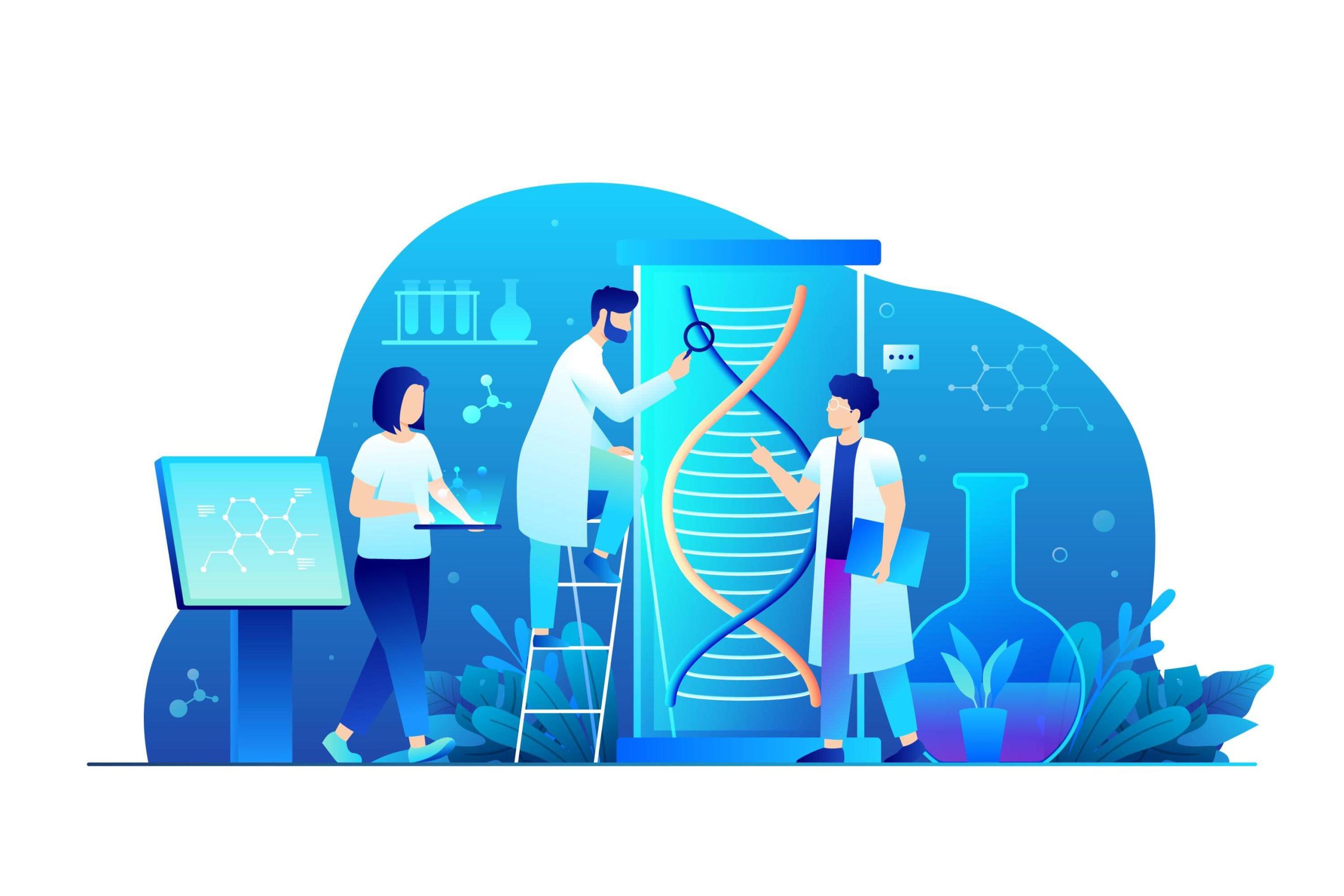
A successful clinic cannot be run by a single doctor. It requires a multidisciplinary team of specialists who can collaborate on a patient’s care. The process of staffing a longevity clinic roles and responsibilities is critical, as it involves bringing together physicians, nurse practitioners, health coaches, nutritionists, and exercise physiologists who all share the same proactive philosophy.
This team-based approach ensures that every aspect of the patient’s health, from their diet and exercise to their hormonal balance and mental well-being, is addressed by an expert in that field. The synergy of this collaborative model is what produces the best results.
How do clinics reach their audience?
Marketing a longevity clinic presents unique challenges. Because the field is relatively new, a significant part of marketing involves educating the public about the benefits of proactive, preventative medicine. It’s about shifting mindsets away from the traditional sick-care model.
Furthermore, clinics must communicate their value proposition clearly and honestly, avoiding exaggerated claims of ‘curing’ aging. Building trust is paramount. This is why developing ethical marketing strategies for a longevity clinic is so important. It focuses on education, transparency, and showcasing real patient outcomes rather than making unrealistic promises.

What is the Future of Longevity Medicine?
The future of longevity medicine is incredibly bright. As technology continues to advance, the tools available to these clinics will become even more powerful and accessible. We can expect to see artificial intelligence play a larger role in analyzing complex health data, identifying patterns, and personalizing treatment plans with even greater precision.
New therapies, from next-generation peptides to cellular reprogramming technologies, are on the horizon. These innovations hold the promise of not just slowing the aging process, but potentially reversing aspects of age-related damage at a fundamental level.
As public awareness grows and the cost of advanced diagnostics continues to fall, this type of proactive healthcare will become more mainstream. The longevity clinic of today is a blueprint for the standard of medical care of tomorrow, a future where the primary goal is to keep people healthy, not just treat them when they are sick. It’s a future where we all have the opportunity to live longer, healthier, and more fulfilling lives.
Frequently Asked Questions

What is the key difference between an “off-label” treatment and an “experimental” one?
The primary difference lies in regulatory approval and the extent of existing safety data. An “off-label” therapy involves a drug or device that has already been approved by a regulatory body, like the FDA, for a specific purpose but is now being used for a different, unapproved condition. This is a legal and relatively common practice in medicine, often based on emerging scientific evidence suggesting its effectiveness for this new use.
In contrast, an “experimental” or “novel” therapy has not yet been approved for any condition and is still under investigation in clinical trials. These treatments are considered investigational because their safety and efficacy profiles are not fully established, meaning they typically carry a higher degree of unknown risk. The informed consent process for experimental therapies is therefore exceptionally detailed to reflect this uncertainty.

What are my rights if I feel pressured to accept a novel or off-label therapy?
You have the absolute right to refuse any medical treatment, including off-label or novel options, without fear that it will compromise your future care. The foundation of informed consent is that your decision must be completely voluntary, made without coercion or undue influence from your healthcare provider. If you feel pressured, you are entitled to state your discomfort, request more time to consider the information, and seek a second opinion from an independent physician.
Your autonomy as a patient is paramount, and a physician’s ethical duty is to respect your decision once you have been fully informed of the risks, benefits, and alternatives. It is perfectly acceptable to ask for clarification, review written materials, or involve a family member in the discussion. True consent can only be given when you feel empowered and confident in your choice.

Does my insurance have to cover a treatment if it’s prescribed off-label?
Insurance coverage for off-label drug use is not automatic and can vary significantly between providers and policies. While a doctor can legally prescribe a drug off-label, an insurance company can deny the claim if it considers the use to be experimental, investigational, or not medically necessary for your specific condition. Coverage often depends on the quality of clinical evidence available to support that particular off-label application.
Before starting treatment, it is critical to seek pre-authorization from your insurance company to confirm coverage. Your doctor’s office can often help by submitting a letter of medical necessity along with supporting documentation, such as peer-reviewed studies or clinical practice guidelines. If coverage is initially denied, you have the right to go through your insurer’s appeals process.
Discover the most comprehensive functional medicine training, longevity training, and biohacking certification programs designed specifically for healthcare professionals, medics, and clinic owners who want to master regenerative medicine protocols and anti-aging therapies.