Biohacking Clinics: Your Ultimate Guide to Upgrading Your Biology
What if you could upgrade your own biology? The concept sounds like science fiction, but it is rapidly becoming a reality through the practice of biohacking. At its core, biohacking is the art and science of changing the environment around you and inside you so you have more control over your own biology. It is a proactive approach to wellness, aimed at optimizing your physical and cognitive performance.
This movement has evolved far beyond simple dietary changes or fitness apps. It has given rise to a new type of wellness center, a place where science, technology, and personalized medicine converge. A modern biohacking clinic is a facility dedicated to helping individuals achieve peak human potential through data-driven analysis and cutting-edge therapeutic interventions.
These clinics represent a fundamental shift in how we view health. Instead of waiting for symptoms to appear and then treating disease, the goal is to enhance vitality, extend healthspan, and unlock levels of energy and clarity you may not have thought possible. It is about moving from a baseline of ‘not sick’ to a state of ‘fully optimized’.
What Exactly is Biohacking?
To understand the clinics, you must first grasp the philosophy behind biohacking itself. It stems from a hacker ethos, applying a systems-thinking approach to the human body. Biohackers see the body not as a fixed entity, but as a complex system that can be measured, analyzed, and improved upon. They ask questions, experiment with inputs like food and sleep, and track the outputs using data.
This can range from incredibly simple practices to highly sophisticated ones. A person who tracks their sleep with a wearable ring and adjusts their bedtime routine accordingly is a biohacker. Someone who follows a specific diet like ketogenic or paleo to improve their mental focus is also a biohacker. The practice is broad, encompassing nutrition, exercise, sleep hygiene, stress management, and supplementation.
At the more advanced end of the spectrum, biohacking incorporates technology and medical-grade therapies. This is where clinics come into play. They provide access to tools and expertise that the average person cannot replicate at home, transforming the ‘do-it-yourself’ spirit of biohacking into a professionally guided journey of self-optimization.
Why are Biohacking Clinics Gaining Popularity?
The rise of the biohacking clinic is a direct response to several cultural and technological trends. Firstly, there is a growing dissatisfaction with the traditional healthcare model, which is often perceived as reactive and impersonal. People no longer want to wait until they are ill to see a doctor; they want guidance on how to feel their best right now.
Secondly, the pursuit of peak performance has become a mainstream goal. Whether you are an athlete, an executive, or a creative professional, the desire to enhance cognitive function, boost physical stamina, and improve resilience is immense. Biohacking offers a tangible pathway to achieving these ambitions, promising a competitive edge in a demanding world.
Finally, the explosion of personal data has empowered individuals to take a more active role in their health. Wearable devices like smartwatches and fitness trackers provide a constant stream of information about our sleep, activity levels, and heart rate. Genetic testing services offer insights into our predispositions. A biohacking clinic provides the crucial next step: expert interpretation of this data to create an actionable, personalized plan.
What Can You Expect Inside a Biohacking Clinic?
Walking into a biohacking clinic is often a different experience than visiting a typical medical office. The environment is usually designed to be calming and futuristic, blending the feel of a spa with a high-tech lab. The focus is on a comprehensive, whole-system approach to your health, starting with deep diagnostics and leading to a suite of advanced therapies.
What kind of initial assessments are performed?
Your journey at a biohacking clinic almost always begins with an extensive data collection phase. This goes far beyond the standard blood work you might get at an annual physical. The goal is to create a detailed, high-resolution snapshot of your current biological state.
This assessment may include comprehensive blood panels that check for dozens of biomarkers related to inflammation, metabolic health, vitamin and mineral levels, and hormone status. You might also undergo genetic testing to understand your unique predispositions and how your body processes certain nutrients or responds to different types of exercise.
Other common diagnostics include microbiome analysis to assess your gut health, cognitive function tests to measure memory and processing speed, and body composition analysis to determine your muscle mass and body fat percentage. All this information forms the foundation of your personalized biohacking protocol.

What are the core therapies and technologies offered?
Based on your initial assessment, the clinic’s team will recommend a series of therapies. These are designed to address specific areas for improvement, whether it is reducing inflammation, boosting cellular energy, or enhancing brain function. Some of the most common offerings include Cryotherapy, Infrared Saunas, IV Drip Therapy, Hyperbaric Oxygen Therapy (HBOT), and Neurofeedback.
Cryotherapy involves exposing the body to extremely cold temperatures for a few minutes. This process is believed to trigger a powerful anti-inflammatory response, accelerate muscle recovery, and boost circulation. It is a favorite among athletes and those looking to manage chronic pain.
Infrared saunas use a specific wavelength of light to heat the body directly, rather than just heating the air around you. This deep-penetrating heat can help improve circulation, promote detoxification through sweating, and induce a state of relaxation.
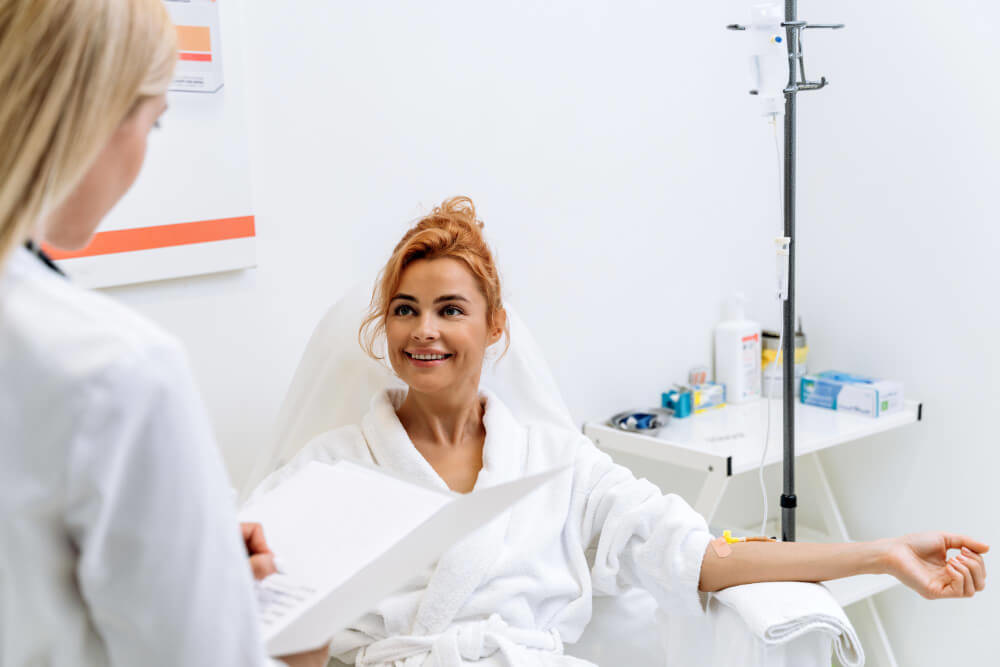
IV drip therapy delivers a customized cocktail of vitamins, minerals, antioxidants, and amino acids directly into your bloodstream. This bypasses the digestive system, allowing for 100 percent absorption. These drips can be formulated for various goals, such as boosting the immune system, increasing energy levels, or rehydrating the body after strenuous activity.
Hyperbaric Oxygen Therapy, or HBOT, involves breathing pure oxygen in a pressurized chamber. This environment allows your lungs to gather significantly more oxygen than would be possible at normal air pressure. This oxygen-rich blood is then circulated throughout the body, promoting healing, fighting bacteria, and stimulating the release of stem cells.
For cognitive enhancement, many clinics offer neurofeedback or other forms of brain training. These technologies use sensors to monitor your brainwave activity in real time, providing you with feedback that helps you learn to regulate your own brain function. The goal is to train your brain to enter states associated with focus, calm, or creativity more easily. Some facilities, like the one known as 40 Years of Zen, have built their entire program around intensive neurofeedback protocols to help executives and entrepreneurs achieve peak mental performance.
How is a personalized plan created?
Perhaps the most important aspect of a biohacking clinic is personalization. There is no one-size-fits-all protocol. The team of experts uses your comprehensive diagnostic data to construct a plan tailored to your unique biology, goals, and lifestyle.
This plan will likely be multi-faceted. It may include a schedule of in-clinic therapies, a detailed nutritional guide, a personalized supplement regimen, and specific recommendations for exercise, sleep, and stress management. The clinic acts as your partner, tracking your progress and adjusting the plan as your body responds and your data changes over time.
Who are the Pioneers and Key Figures in Biohacking?
The biohacking movement did not appear out of nowhere. It was built on the work and public-facing experiments of several key figures who helped bring these ideas into the mainstream. Their efforts have demystified complex biological concepts and inspired millions to take control of their own health.
One of the most prominent figures is Dave Asprey, an entrepreneur and author who is often credited with popularizing the term ‘biohacking’. Through his brand, he introduced concepts like putting butter in coffee and using specific supplements to upgrade cognitive and physical function. His work made the idea of actively manipulating your biology for better performance accessible to a wide audience.
At the more extreme end of the spectrum is tech entrepreneur Bryan Johnson. His ‘Project Blueprint’ is one of the most ambitious personal biohacking experiments ever undertaken. As detailed in a widely read Bloomberg article about his regimen, Johnson employs a team of doctors and uses a rigorous, data-driven protocol of diet, exercise, and therapies in an attempt to reverse his biological age. While his approach is not feasible for most, it showcases the ultimate potential of a fully optimized, data-driven lifestyle.
These pioneers, through their books, podcasts, and public personas, have created a cultural conversation around human optimization. They have challenged conventional wisdom about aging and performance, paving the way for the clinical application of their ideas in biohacking centers around the world.
How Does a Biohacking Clinic Differ From a Traditional Doctor’s Office?
The distinction between a biohacking clinic and a traditional medical practice is fundamental. A traditional doctor’s office primarily operates on a disease-management model. Its purpose is to diagnose and treat illness and injury. While vital, this model is not designed to elevate a healthy person to a state of optimal performance.
In contrast, a biohacking clinic operates on an optimization model. Its clients are typically healthy individuals who want to be healthier, stronger, and more mentally sharp. The focus is proactive rather than reactive, using science and technology to enhance wellness before any signs of disease appear.
This difference is reflected in the services offered and the overall business structure. The clinical and business considerations for these two types of practices are quite distinct, with biohacking clinics often integrating wellness coaching and advanced technologies not found in primary care. A deep dive into the biohacking vs longevity clinic models reveals how these facilities are carving out a new niche in the healthcare landscape.
The relationship between the client and the practitioner is also different. In a biohacking clinic, the relationship is more of a collaborative partnership. The clinic’s team acts as a group of expert consultants and coaches, providing you with the data, tools, and guidance you need to achieve your personal health goals.

What Role Do Lifestyle and Hormones Play in Biohacking?
While the high-tech therapies are often the main attraction, any reputable biohacking clinic will emphasize that technology is not a magic bullet. True optimization is built on a foundation of healthy lifestyle choices. The technologies are accelerators, not replacements, for the fundamentals.
Nutrition, sleep, exercise, and stress management are the four pillars of good health. A biohacking protocol will incorporate highly specific guidance in each of these areas. You might receive a personalized diet plan designed to stabilize your blood sugar, a sleep hygiene routine to maximize deep sleep, or a workout program tailored to your genetic makeup.
Central to this lifestyle approach is the management of your hormones. Hormones are the chemical messengers that regulate everything from your energy levels and mood to your metabolism and libido. As we age, hormonal balance can shift, leading to a decline in vitality. Biohacking interventions are often aimed at optimizing these crucial systems. A clinician’s understanding of the hormonal impact of lifestyle interventions is critical for creating effective, long-term anti-aging strategies. Simple changes in diet, exercise, and sleep can have a profound effect on testosterone, cortisol, insulin, and other key hormones.

Who Staffs a Modern Biohacking Clinic?
Given the multidisciplinary approach, a biohacking clinic requires a diverse team of experts. It is not just run by medical doctors. The staff is a carefully curated blend of professionals who can address the client’s health from multiple angles, ensuring a truly holistic approach to optimization.
A typical team might be led by a functional or integrative medicine doctor who has expertise in systems biology and root-cause analysis. They work alongside nutritionists or dietitians who design personalized eating plans, as well as certified health coaches who provide support and accountability.
Crucially, these clinics also employ specialized technicians who are trained to operate the advanced equipment, such as cryotherapy chambers, HBOT systems, and neurofeedback devices. The success of the clinic depends on a unique approach to staffing a clinic with biohacking technicians and health coaches, as these roles are central to the client experience. This collaborative team ensures that every aspect of the client’s journey, from data analysis to therapy and lifestyle coaching, is handled by a qualified expert.

Is Biohacking Accessible to Everyone?
One of the main criticisms leveled at the world of biohacking is its perceived exclusivity. Many of the advanced therapies and comprehensive diagnostic tests offered in clinics can be expensive, putting them out of reach for the average person. However, the landscape is beginning to change.
As technology becomes more widespread and competition increases, the costs of some services are starting to come down. Furthermore, the ethos of biohacking has always included a do-it-yourself component that is accessible to anyone, regardless of budget. Optimizing your sleep, practicing mindfulness, cleaning up your diet, and getting regular exercise are all powerful biohacks that cost little to nothing.
Additionally, new business models are emerging that aim to democratize access to personalized health data and guidance. Companies like Lifeforce offer at-home blood testing and telehealth consultations with clinicians, providing a more affordable and convenient alternative to a physical clinic visit. This allows more people to get a data-driven look at their health and receive professional guidance on optimization without the high overhead of in-person therapies.
Ultimately, biohacking exists on a spectrum. You can begin your journey with simple, foundational habits and gradually incorporate more advanced strategies as your budget and interest allow. The most important step is adopting the mindset of proactive self-improvement and taking ownership of your own health journey.
Biohacking clinics are at the vanguard of a new paradigm in health and wellness. They offer a tantalizing glimpse into a future where we are no longer passive recipients of healthcare, but active architects of our own biology. By combining ancient wisdom about lifestyle with modern technology and data, they provide a powerful roadmap for anyone looking to unlock their full human potential, enhance their performance, and live a longer, healthier, and more vibrant life.
Frequently Asked Questions
Why does the cost of IV drip therapy vary so significantly between different formulas and clinics?
The price of an IV drip is primarily determined by the specific ingredients and their concentrations within the formula. A basic hydration drip with saline and electrolytes is relatively inexpensive, whereas complex cocktails containing high-dose vitamins, powerful antioxidants like glutathione, or specialized amino acids command a higher price due to the cost of these premium components. The level of customization also plays a key role, as a personalized drip tailored to your specific biomarker data will be more costly than a standard, pre-formulated option.
Beyond the formula itself, the clinic’s overhead and the level of medical supervision significantly influence the price. A facility with registered nurses, a luxurious environment, and an on-site doctor will naturally have higher operational costs reflected in their pricing. These premium centers justify the cost through enhanced safety protocols, expert administration, and a more comprehensive wellness consultation included with the service.
Are memberships or package deals for services like cryotherapy and red light therapy actually worth the investment?
For individuals committed to a consistent routine, memberships and package deals almost always provide substantial savings over paying for single sessions. These pricing models are designed to reward frequent use, often lowering the per-session cost by 20-40% or more. If your biohacking goals require regular treatments, such as two cryotherapy sessions per week for inflammation management, a membership is the most cost-effective approach.
Before committing, it is crucial to assess your lifestyle and realistically determine how often you will use the services. Calculate the break-even point by dividing the monthly membership fee by the drop-in rate to see how many visits make it worthwhile. Also, review the terms for flexibility, such as whether unused sessions roll over or if the membership can be paused, to ensure the plan aligns with your schedule and budget.
Besides the session fee, are there any other potential costs I should be aware of when booking biohacking services?
While many centers offer all-inclusive pricing, it’s wise to inquire about potential extra charges before your first appointment. Some facilities, particularly for IV therapy, may require a mandatory initial consultation with a medical professional to assess your health, which can be a separate one-time fee. During your session, you may also be offered optional add-ons, such as a nutrient boost for an IV drip or an extended session time for red light therapy, which will increase the final bill.
You should also clarify the center’s administrative policies to avoid unexpected fees. Ask about their cancellation or rescheduling policy, as many charge a fee for last-minute changes to protect their schedule. Finally, confirm whether the listed prices are inclusive of taxes or if those will be added at the point of sale, ensuring you have a complete picture of your total investment.
Discover the most comprehensive functional medicine training, longevity training, and biohacking certification programs designed specifically for healthcare professionals, medics, and clinic owners who want to master regenerative medicine protocols and anti-aging therapies. Explore Talking Longevity to elevate your practice and lead the future of health optimization.