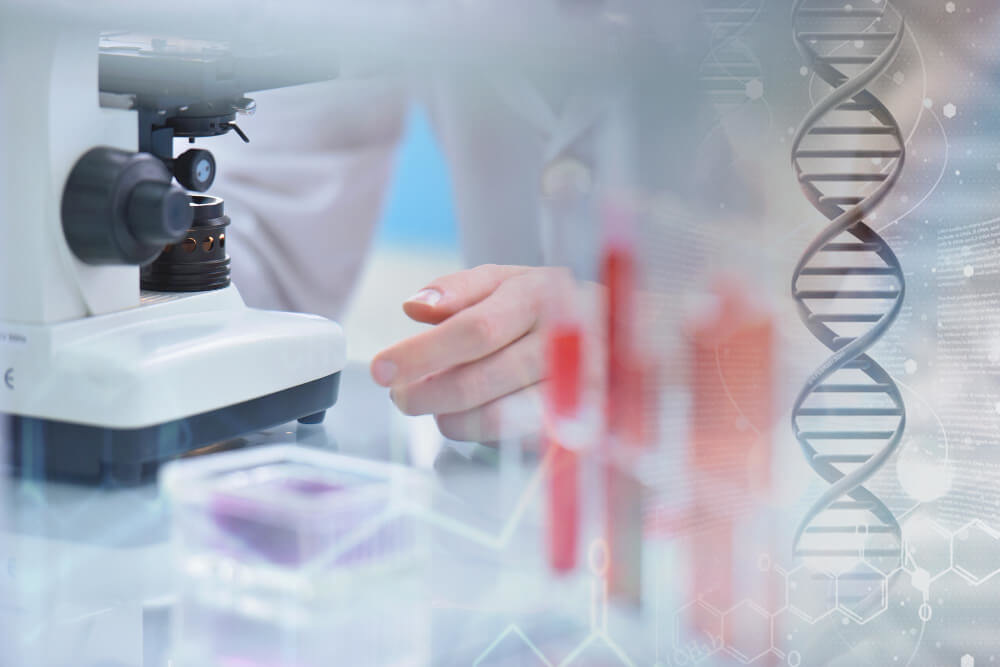
Harness Your Hormones: The Ultimate Guide to Hormone Training
What if you could tap into your body’s internal command center to enhance your energy, improve your mood, and reshape your physique? This isn’t science fiction; it’s the science of your endocrine system. Your body is constantly communicating with itself through a complex network of chemical messengers called hormones, which dictate nearly every aspect of your physiological function, from your metabolism to your sleep cycle.
Understanding how to influence these powerful messengers is the key to unlocking a new level of health and vitality. This is the core principle behind a strategic approach to wellness that is gaining significant attention. By learning to work with your body’s natural rhythms, you can achieve results that once felt out of reach. This powerful methodology is known as Hormone training, a system designed to optimize your internal environment through targeted lifestyle interventions.
This comprehensive guide will demystify the process, showing you how specific strategies in exercise, nutrition, and recovery can help you manage your hormones effectively. It’s about creating a synergistic relationship with your own biology, leading to sustainable improvements in how you look, feel, and perform every single day. Forget generic fitness plans; it’s time to learn the language of your hormones.

What Are Hormones and Why Do They Matter?
Hormones are specialized chemical substances produced by your endocrine glands. Think of them as the body’s internal email system, carrying critical instructions from one part of the body to another through the bloodstream. They are the chief regulators of almost all major bodily processes.
These messengers control your metabolism, dictating how your body uses energy and stores fat. They manage your sleep-wake cycles, influence your mood and cognitive function, regulate your appetite, and orchestrate growth and repair. Your immune response, heart rate, and reproductive health are all under hormonal command.
When your hormones are in a state of delicate balance, your body operates like a well-oiled machine. You feel energetic, mentally sharp, and resilient. However, when this balance is disrupted, a cascade of negative effects can occur, leading to fatigue, weight gain, mood swings, and a host of other health issues. This is why understanding and supporting your hormonal health is fundamental to overall wellbeing.
How Does Hormone Training Actually Work?
Hormone training is not about taking external hormones or engaging in extreme protocols. Instead, it is the practice of using specific lifestyle inputs, primarily exercise and nutrition, to encourage your body to produce and regulate its own hormones in an optimal way. It’s a proactive approach to wellness that puts you in the driver’s seat of your own biology.
The ‘training’ aspect refers to the consistent and strategic application of these inputs. Just as you train your muscles to grow stronger, you can train your endocrine system to become more efficient and balanced. This involves understanding how different types of activities and foods trigger specific hormonal responses.
For example, a high-intensity workout might stimulate the release of growth hormone, while a calming yoga session can help lower cortisol levels. A meal rich in healthy fats supports the production of sex hormones, while managing carbohydrate intake helps stabilize insulin. The goal is to create a lifestyle that sends the right signals to your body at the right times, fostering an internal environment conducive to health, longevity, and peak performance.
This approach recognizes that your body is an interconnected system. By influencing one hormone, you often create a ripple effect that impacts others. Hormone training provides a holistic framework for managing these complex interactions, helping you build a more resilient and optimized version of yourself from the inside out.
Which Hormones Can You Influence Through Lifestyle?
You have a surprising amount of influence over your body’s key hormonal players. While some aspects are genetically determined, your daily choices in movement, diet, and recovery can significantly shift your hormonal landscape. The main targets of hormone training are the hormones most responsive to lifestyle modifications.
These include insulin, which governs blood sugar and fat storage; cortisol, the primary stress hormone; growth hormone, crucial for repair and metabolism; and the sex hormones, testosterone and estrogen, which affect everything from muscle mass to mood. By focusing on these, you can create profound changes in your body composition, energy levels, and overall health.

How Can You Optimize Insulin and Blood Sugar?
Insulin is a hormone produced by the pancreas, and its main job is to help your cells absorb glucose from the bloodstream for energy or storage. When you eat carbohydrates, your blood sugar rises, and insulin is released to manage it. This is a normal and healthy process.
Problems arise when cells become less responsive to insulin’s signals, a condition known as insulin resistance. This forces the pancreas to pump out even more insulin to do the same job, leading to chronically high insulin levels. This state promotes fat storage, increases inflammation, and is a precursor to more serious metabolic conditions.
Optimizing insulin sensitivity is a cornerstone of hormone training. Resistance training is particularly effective, as it increases the number of glucose transporters in your muscle cells, allowing them to take up sugar from the blood with less need for insulin. High-intensity interval training (HIIT) has also been shown to rapidly improve insulin sensitivity.
Nutritionally, focusing on whole foods, fiber, and adequate protein while managing your intake of refined sugars and processed carbohydrates can prevent sharp blood sugar spikes. This keeps insulin levels stable, helping your body become more efficient at burning fat for fuel.
What Is the Role of Cortisol, the Stress Hormone?
Cortisol is your body’s built-in alarm system. Produced by the adrenal glands in response to stress, it triggers the ‘fight or flight’ response, providing a burst of energy and focus to deal with a perceived threat. In short, acute bursts, cortisol is essential and beneficial.
However, in our modern world, many people experience chronic stress from work, finances, and personal pressures. This leads to perpetually elevated cortisol levels, which can be detrimental to your health. Chronically high cortisol can lead to increased appetite, cravings for unhealthy foods, and the storage of visceral fat around the organs.
It also has a catabolic effect, meaning it can break down muscle tissue for energy, which is the opposite of what most people want from their training. Furthermore, it can interfere with sleep, suppress the immune system, and disrupt the balance of other important hormones. Understanding the endocrinology of exercise reveals how physical activity itself is a stressor, but a controlled one that can make your system more resilient over time.
To manage cortisol, hormone training emphasizes balance. While intense workouts are a form of stress, they should be balanced with adequate recovery. Incorporating low-intensity activities like walking, yoga, and meditation can actively lower cortisol levels. Prioritizing sleep and practicing stress-reduction techniques are non-negotiable for keeping this powerful hormone in check.
How Do Growth Hormone and IGF-1 Affect You?
Human Growth Hormone (HGH) is a vital hormone produced by the pituitary gland. It plays a key role in growth during childhood and adolescence, but its importance continues throughout adulthood. HGH is crucial for cell regeneration, tissue repair, and maintaining healthy body composition.
It helps build and maintain muscle mass, promotes fat metabolism (lipolysis), and supports bone density. As we age, natural HGH production declines, which contributes to the loss of muscle and increase in body fat often seen in later life. Optimizing its natural release is a major goal of hormone training.
Two of the most powerful natural stimuli for HGH release are intense exercise and deep sleep. High-intensity resistance training and sprint intervals have been shown to trigger a significant HGH pulse. The majority of your daily HGH is released during the deep stages of sleep, making a consistent sleep schedule absolutely critical for recovery and repair.
Insulin-like Growth Factor 1 (IGF-1) works in concert with HGH to promote growth and anabolism. Together, they are a powerful duo for building a lean, strong, and resilient physique. In fact, many experts consider these to be among the 6 hormones that will build you a bigger body and improve overall function.

What About the Sex Hormones: Testosterone and Estrogen?
Though often categorized by gender, both testosterone and estrogen are present and essential for men and women, just in different amounts. Achieving the proper balance of these hormones is critical for optimal health in both sexes.
Testosterone is an anabolic hormone known for its role in building muscle mass, increasing bone density, and supporting libido. In men, adequate levels are linked to vitality, confidence, and a healthy body composition. While women have much lower levels, it is still vital for their muscle tone, energy, and sexual health. There are many proven strategies for learning how to increase testosterone naturally through lifestyle.
Estrogen is the primary female sex hormone, but it also plays a role in male health, including brain function and bone health. In women, estrogen levels fluctuate throughout the menstrual cycle and life, influencing everything from mood to metabolism. Maintaining a healthy balance of estrogen is key for reproductive health, bone density, and cardiovascular wellness.
For both men and women, hormone training can positively influence these hormones. Heavy, compound resistance exercises like squats and deadlifts are particularly effective at stimulating testosterone production. For women, a balanced approach is key, as both too little and too much exercise can disrupt the delicate hormonal cycle. Focusing on a mix of strength training, cardio, and restorative practices provides the best support for a healthy hormonal profile, making exercise for hormonal balance a crucial component of female wellness.

How Can You Create a Personalized Hormone Training Routine?
Creating a hormone-centric routine isn’t about finding a one-size-fits-all template. It’s about understanding the principles and applying them to your unique body, lifestyle, and goals. The most important first step is to learn to listen to your body’s feedback, such as your energy levels, sleep quality, and recovery.
Your plan should be dynamic, allowing for adjustments based on how you feel. If you’re feeling run down and stressed, an intense workout might be counterproductive, raising cortisol even further. In that case, a long walk or a gentle yoga session would be a more hormonally intelligent choice. Personalization is the key to long-term success.
What Does a Weekly Schedule Look Like?
A well-rounded hormone-supportive week incorporates different types of stimuli to optimize various hormonal pathways. It’s a blend of intensity, volume, and active recovery.
A sample week might include two to three days of full-body resistance training. These sessions should focus on compound movements that recruit large muscle groups, which provides a powerful stimulus for testosterone and growth hormone. Think squats, deadlifts, presses, and rows.
Intersperse these strength days with one or two sessions of High-Intensity Interval Training (HIIT). These shorter, more intense workouts are excellent for improving insulin sensitivity and triggering a post-workout HGH release. This could be sprint intervals on a bike, rower, or on foot.
The remaining days should be dedicated to active recovery. This is just as important as the intense work. Activities like long walks, hiking, gentle cycling, or restorative yoga help lower cortisol, promote blood flow for recovery, and manage stress. This structure prevents overtraining and ensures your body has the resources to adapt and grow stronger.

How Important Is Nutrition for Hormone Health?
Exercise is only one half of the equation; nutrition provides the building blocks your body needs to create and balance hormones. You cannot out-train a poor diet when your goal is hormonal optimization.
Adequate protein intake is non-negotiable. Amino acids from protein are essential for muscle repair, and they also support satiety and stable blood sugar. Aim to include a quality protein source with every meal.
Healthy fats are the raw material for producing steroid hormones, including testosterone and estrogen. Sources like avocados, nuts, seeds, and olive oil are crucial for a healthy endocrine system. A low-fat diet can be detrimental to hormonal balance.
Carbohydrates are your body’s preferred energy source for intense activity. Choosing complex, fiber-rich carbohydrates like sweet potatoes, oats, and vegetables provides sustained energy without the dramatic insulin spikes caused by processed sugars. Finally, micronutrients like zinc, magnesium, and vitamin D play vital supporting roles in countless hormonal processes, making a nutrient-dense, whole-foods diet essential.

Why Is Sleep the Ultimate Hormone Optimizer?
If there is one ‘magic pill’ for hormonal health, it is consistent, high-quality sleep. During sleep, your body undergoes critical repair and hormonal regulation processes that cannot happen during waking hours.
Sleep deprivation is a hormonal disaster. It sends cortisol levels soaring, crushes growth hormone production, and disrupts the delicate balance of your appetite-regulating hormones, ghrelin and leptin. This is why a poor night’s sleep often leads to intense cravings for high-sugar, high-fat foods the next day.
Aiming for seven to nine hours of quality sleep per night is one of the most impactful things you can do for your hormonal health. To improve sleep quality, establish a consistent sleep schedule, create a dark and cool sleeping environment, and avoid screens an hour before bed. Prioritizing sleep is not a luxury; it is a biological necessity for anyone serious about hormone training.
When Should You Seek Professional Help?
While lifestyle modifications can create profound improvements in hormonal health, there are times when professional guidance is necessary. If you are experiencing persistent symptoms like chronic fatigue, unexplained weight changes, severe mood swings, or loss of libido despite your best efforts, it may be time to consult a healthcare professional.
These could be signs of a more significant underlying hormonal imbalance that requires a deeper investigation and a clinical approach. A knowledgeable practitioner can order specific lab tests to get a clear picture of your hormonal status and rule out any medical conditions.
For medical professionals interested in this growing field, specialized training is essential to provide the best care. A comprehensive hormone therapy certification for doctors can equip them with the latest protocols and evidence-based practices for safe and effective treatment. This advanced knowledge moves beyond basic textbook learning into practical, patient-centered application.
Mastering the endocrine system is a complex endeavor. General practitioners seeking to deepen their expertise can benefit immensely from an advanced course in clinical endocrinology for GPs, which provides the nuanced understanding required to manage complex cases. Ultimately, optimizing hormones is a key pillar of proactive, preventive healthcare, a core tenet of the broader field of anti-aging. For physicians looking to be at the forefront of this movement, a longevity medicine certification for physicians offers the most advanced training available.
By working with a qualified expert, you can develop a truly personalized plan that may include lifestyle changes, targeted supplementation, or even bioidentical hormone replacement therapy when appropriate. This collaborative approach ensures you are addressing your health in the safest and most effective way possible.
In conclusion, hormone training empowers you to become an active participant in your own health journey. By strategically using exercise, nutrition, and recovery, you can guide your body toward a state of hormonal balance, unlocking greater energy, a stronger physique, and a more resilient mind. It is a journey of consistency and patience, but the rewards are a profound and lasting sense of wellbeing.
Frequently Asked Questions
How does this course prepare me to handle complex patient cases, not just the straightforward ones?
This course is specifically designed to build clinical confidence beyond foundational knowledge by delving into nuanced patient scenarios. You will learn advanced diagnostic techniques for interpreting ambiguous lab results and identifying secondary causes of hypogonadism. We also dedicate significant time to managing patients with comorbidities, such as cardiovascular disease or fertility concerns, ensuring you can tailor protocols safely and effectively.
Furthermore, the curriculum emphasizes troubleshooting and advanced protocol adjustments for patients who don’t respond to initial therapy. Through evidence-based case studies and interactive problem-solving modules, you will master the skills needed to manage challenging presentations. This ensures you are fully equipped to provide a high standard of care for a diverse patient population, not just the textbook examples.

Besides clinical knowledge, what practical guidance is provided for integrating TRT services into my practice?
Our training extends beyond clinical protocols to cover the operational and business aspects of successfully launching TRT services. The course includes dedicated modules on setting up efficient patient workflows, from initial consultation and screening to follow-up appointments and lab monitoring. We provide templates for patient intake forms, consent documents, and charting to ensure you meet regulatory and documentation standards from day one.
You will also receive guidance on patient communication, billing, and coding to ensure your new service is both clinically effective and financially viable. We discuss strategies for educating patients on the benefits and risks of therapy to manage their expectations and improve long-term adherence. This comprehensive approach empowers you to seamlessly integrate TRT into your existing practice with confidence.
What kind of support is available after I complete the TRT prescribing course?
Upon completion of the course, your learning and development journey continues with access to our exclusive alumni resources. This includes an online portal containing a library of updated research summaries, evolving treatment protocols, and clinical tools that you can reference anytime. We are committed to ensuring our graduates remain at the forefront of men’s health and hormone optimization.
Moreover, you will be invited to join a private community forum moderated by our expert instructors and populated by fellow course graduates. This collaborative network serves as an invaluable resource for discussing complex cases, sharing clinical pearls, and seeking peer-to-peer advice. This ongoing support system ensures you are never alone when navigating the challenges of clinical practice.
Discover the most comprehensive functional medicine training, longevity training, and biohacking certification programs designed specifically for healthcare professionals, medics, and clinic owners who want to master regenerative medicine protocols and anti-aging therapies. Elevate your practice with Talking Longevity.