Unlocking Your Genetic Blueprint: A Complete Guide to DNA Testing
Have you ever wondered what makes you uniquely you? The answer, in large part, is written in a code hidden inside nearly every cell in your body. This code is your DNA, a complex instruction manual that dictates everything from your eye color to your predisposition for certain health conditions. For centuries, this manual was a closed book. Today, technology allows us to read its pages, offering profound insights into our past, present, and future.
This exploration is made possible through the science of genetic testing. It’s a field that has moved from the confines of specialized research labs into the public consciousness, empowering individuals with unprecedented access to their personal biological information. Whether you are curious about your ancestral roots or seeking to understand your health on a deeper level, understanding the landscape of DNA testing is the first step on a remarkable journey of self-discovery.
This guide will walk you through everything you need to know. We will demystify the science behind the tests, explore the various reasons people choose to delve into their genetics, and explain the different types of tests available. Most importantly, we will discuss how to interpret the results and what to do with this powerful new knowledge.
What Exactly Is DNA Testing?
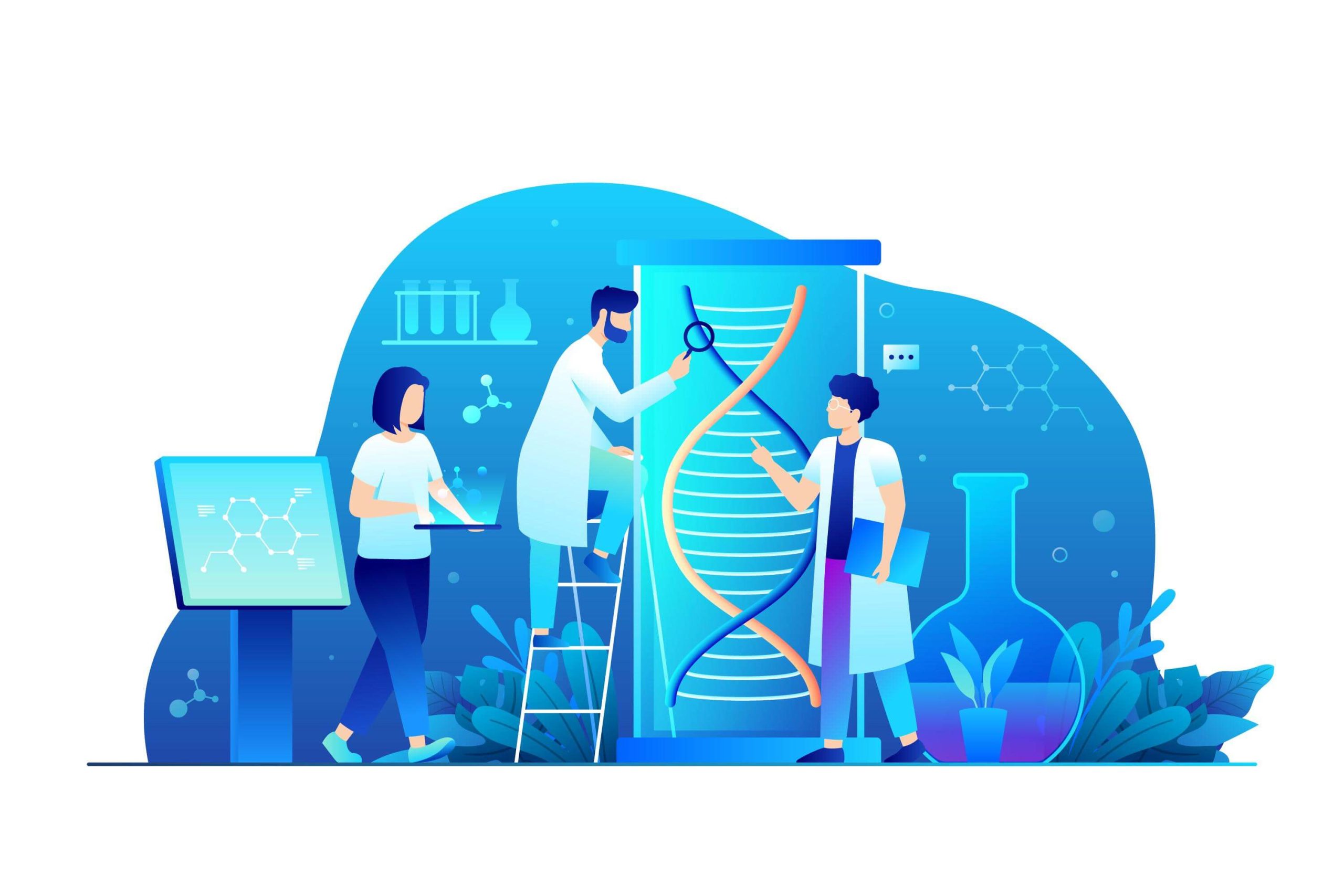
Before we dive into the applications, what are we actually looking at? Imagine your body is a massive library. This library contains 23 pairs of books, called chromosomes. Each book is filled with thousands of stories, known as genes. The language these stories are written in is DNA, a molecule composed of four basic letters: A, T, C, and G.
The specific sequence of these letters forms the instructions for building and maintaining your body. A DNA test, at its core, is a method for reading parts of this genetic sequence. The process typically begins with a simple, non-invasive sample collection. Most commonly, this involves spitting into a tube to provide a saliva sample or rubbing a small swab against the inside of your cheek.
Once you send your sample to a laboratory, scientists get to work. They first extract the DNA from your cells. Then, using advanced technologies, they analyze your genetic code. This analysis can take different forms. Some tests use a technique called genotyping, which looks for specific, well-known variations, or single nucleotide polymorphisms (SNPs), at particular points in your DNA. Other, more comprehensive tests might involve sequencing, which reads every single letter in a specific gene or even your entire genetic code, known as your genome.
The lab then compares your unique genetic sequence to a reference database. The output of this comparison is a detailed report that highlights key findings about your ancestry, traits, or health-related genetic markers. This report is the key that unlocks the information held within your personal genetic blueprint.

Why Do People Get DNA Tests?
The motivations for exploring one’s own DNA are as diverse as humanity itself. The reasons range from simple curiosity to a pressing need for medical answers. As the technology has become more accessible and affordable, the applications have expanded into many areas of life.
This expansion has brought genetic information into mainstream conversations about family, identity, and wellness. It’s a tool that can connect us to the past, inform our present decisions, and help us plan for a healthier future. Let’s explore some of the most common reasons people decide to take a DNA test.

Can a DNA Test Reveal My Ancestry?
This is perhaps the most popular reason people turn to DNA testing. Genealogical tests analyze your DNA to uncover clues about where your ancestors came from. They work by comparing your genetic markers to those of reference populations from different parts of the world. The result is an ethnicity estimate, often presented as a percentage breakdown of your heritage.
For many, these reports can confirm family stories or reveal surprising new connections to unexpected places. Beyond a simple map of your origins, these tests can also help you build your family tree. They can identify potential relatives, from close family to distant cousins, who have also taken a test with the same company. This feature has been responsible for countless family reunions and has helped people connect with their biological roots, making exploring your family tree a deeply personal and often emotional experience.

Can DNA Testing Predict My Health Risks?
Beyond ancestry, the potential for health insights is a major driver for genetic testing. Predictive and presymptomatic testing can identify specific genetic variants, sometimes called mutations, that are associated with an increased risk of developing certain diseases later in life. This is different from a diagnosis; it is a measure of predisposition.
For example, certain variants in the BRCA1 and BRCA2 genes are linked to a significantly higher risk for breast, ovarian, and other cancers. Similarly, tests can identify the genetic changes that cause conditions like Huntington’s disease or cystic fibrosis. Knowing about these risks can be empowering. It allows you and your healthcare provider to make informed decisions about screening, lifestyle changes, and preventative measures that could potentially alter your health trajectory. It’s a proactive step towards managing your long-term wellness. If you want to learn more about genetic testing from a trusted medical source, many resources are available.

How Is DNA Testing Used in Medicine Today?
In a clinical setting, genetic testing is a powerful diagnostic and management tool. For individuals experiencing symptoms of a complex condition, a diagnostic genetic test can help confirm or rule out a specific genetic disorder, ending what can be a long and frustrating diagnostic odyssey. It provides a definitive answer that can guide treatment and care.
Another exciting field is pharmacogenomics. This type of testing analyzes how your genes influence your body’s response to certain medications. It can help a doctor determine the most effective drug and dosage for you, while minimizing the risk of adverse side effects. This is a cornerstone of personalized medicine. Furthermore, carrier screening allows prospective parents to find out if they carry a genetic variant for a condition that they could pass on to their children. This information is invaluable for family planning. The role of information for patients and families about genetic testing is to provide clarity and support through these complex decisions.

What Are the Different Types of DNA Tests Available?
The world of genetic testing can be broadly divided into two main categories: tests you can order yourself online and tests that must be ordered through a healthcare professional. Understanding the difference between them is crucial for managing your expectations and using the information responsibly. Each type serves a different purpose and operates under different standards.
Choosing the right type of test depends entirely on your goals. Are you looking for recreational information about your heritage and traits, or are you seeking medical information to guide your healthcare decisions? The answer to that question will point you toward the appropriate path.

What Are Direct-to-Consumer (DTC) Tests?
Direct-to-consumer tests are the ones you see advertised online and on television. Companies like 23andMe, AncestryDNA, and MyHeritage have made genetic testing widely accessible. You simply order a kit online, provide a saliva sample at home, and mail it back. A few weeks later, your results are available through a secure online portal.
The primary appeal of DTC tests is their convenience, affordability, and the sense of empowerment they provide. They can offer fascinating insights into ancestry, physical traits like hair texture or taste preferences, and wellness reports related to diet, exercise, and sleep. However, it is vital to understand their limitations. While some DTC tests provide health-related information, they are generally not considered diagnostic. A result indicating a higher risk for a condition should be seen as a starting point for a conversation with a doctor, not as a definitive medical conclusion.

What Is Clinical Genetic Testing?
Clinical genetic testing is ordered by a physician, geneticist, or other healthcare provider to answer a specific medical question. These tests are performed in a CLIA-certified laboratory, which means they meet high standards for quality and accuracy. The results are intended to be used for diagnosing diseases, guiding treatment decisions, or for medical screening purposes.
A key difference is the level of support provided. Clinical testing is almost always accompanied by genetic counseling. Genetic counselors are trained professionals who can help you understand the testing process, the meaning of your results, and the potential implications for you and your family. They provide essential context and support, ensuring that you can make truly informed decisions. If you are considering clinical testing, it is highly recommended to find a genetic counselor to guide you through the process.

How Do I Understand My DNA Test Results?
Receiving your DNA report can be an exciting, and sometimes overwhelming, moment. You are presented with a wealth of complex information about your deepest biological self. Interpreting this data correctly is just as important as the test itself. Misunderstanding the results can lead to unnecessary anxiety or a false sense of security.
Whether you are looking at an ancestry map or a health risk report, context is everything. The numbers and labels in your report are not absolute truths but scientific estimates and probabilities based on current data. Learning how to read them with a discerning eye is a critical skill for anyone engaging with their genetic information.

What Does an Ancestry Report Tell Me?
When you open your ancestry report, you will likely see a colorful map with percentages assigned to different regions. This is your ethnicity estimate. It is important to understand what this means. It does not mean you have a great-great-grandparent from every single region listed. Instead, it means that portions of your DNA are most similar to the DNA of the company’s reference panel of people with deep roots in that area.
These estimates can change over time as companies refine their algorithms and expand their reference databases. You will also see a list of DNA matches, people who share segments of DNA with you. The amount of shared DNA, usually measured in centimorgans (cM), can help you estimate your relationship. This is a powerful tool for genealogists and people searching for biological family.

What Should I Do with Health-Related Genetic Information?
If your report contains health information, the number one rule is not to panic. A DTC report that flags a genetic variant associated with a disease risk is not a diagnosis. These tests screen for a limited number of variants and do not provide a complete picture of your health. Many factors, including other genes and lifestyle choices, contribute to your overall risk.
The most responsible next step is to discuss the findings with a healthcare professional. They can help you understand the result in the context of your personal and family medical history. They may recommend confirmatory testing in a clinical lab, which is necessary to verify the result before any medical decisions are made. It’s also important to remember that even medical professionals require ongoing education to keep up with this rapidly evolving field. For them, having access to resources like [a clinician's guide to interpreting genetic reports](https://talkinglongevity.com/a-clinicians-guide-to-interpreting-genetic-reports/) is essential for providing patients with the best possible care based on this new data.

Why Is Professional Guidance So Important?
Navigating the world of genetics is complex. The information is nuanced and deeply personal, with implications not just for you but for your family members as well. This is why professional guidance from a genetic counselor or a knowledgeable physician is invaluable. They are trained to translate complex genetic information into understandable and actionable advice.
A professional can help you understand the limitations of a test, explain what a result truly means for your health, and discuss potential next steps, such as lifestyle modifications or increased medical surveillance. They can separate the hype from the reality and integrate this single piece of data into your holistic health picture. As genetics becomes more mainstream, understanding the [clinical applications of genetic testing in primary care](https://talkinglongevity.com/clinical-applications-of-genetic-testing-in-primary-care/) is becoming a new standard of care, allowing for more proactive and personalized health strategies for everyone.
What Are the Ethical and Privacy Considerations?
As you consider sending your most personal biological data to a company, it is wise to think about the ethical and privacy implications. Your genetic data is uniquely and permanently identifiable. Before you test, it is crucial to read the company’s privacy policy and terms of service carefully. Understand who owns the data, how it will be stored, and with whom it might be shared, for instance, with pharmaceutical companies or law enforcement.
In the United States, the Genetic Information Nondiscrimination Act (GINA) offers some protection. It prevents health insurers and most employers from discriminating against you based on your genetic information. However, GINA’s protections are not absolute. It does not apply to life insurance, disability insurance, or long-term care insurance. Beyond privacy, there is the potential for emotional and psychological impact. You might uncover unexpected family secrets, like a previously unknown sibling, or receive health information that causes you anxiety. Being prepared for these possibilities is part of the process.

How Is DNA Testing Shaping the Future of Healthcare?
The rise of genetic testing is a key driver in a major shift in medicine. We are moving away from a reactive, one-size-fits-all model of healthcare toward a future that is predictive, personalized, preventative, and participatory. Your genetic information is a vital piece of this new puzzle.
By understanding an individual’s genetic predispositions, doctors can tailor preventative strategies and treatments specifically for them. This is the essence of personalized medicine. Someone with a genetic risk for heart disease might receive more aggressive cholesterol management, while someone whose genes affect drug metabolism might receive a different medication or dosage.
This future relies not only on technology but also on education. Healthcare providers must be equipped to understand and apply this genetic data effectively and ethically. This requires a new focus within medical training and continuing education. The development of [educational programs in value-based care and prevention](https://talkinglongevity.com/educational-programs-in-value-based-care-and-prevention/) is critical to ensure that the medical community can confidently and competently integrate genetic insights into patient care, ultimately leading to better health outcomes and a greater emphasis on longevity and wellness.
DNA testing is more than a novelty; it is a gateway to a new era of proactive health management. It gives us the opportunity to understand our bodies at the most fundamental level and to use that knowledge to live longer, healthier lives. While the journey into your genome should be taken with thoughtfulness and expert guidance, its potential to transform your personal health story is undeniable.
The code of life is no longer a secret. It is a conversation, and for the first time in history, you have the chance to listen to what it has to say. By embracing this technology responsibly, we can all become more informed authors of our own well-being.
Frequently Asked Questions

If I discover I have a ‘high-risk’ gene variant, what should my next steps be?
Discovering a gene variant associated with a health risk is not a diagnosis or a definitive sentence for your future health. It is crucial to understand that genes are just one piece of the puzzle, indicating a predisposition rather than a certainty. Your lifestyle, environment, and overall dietary pattern are powerful modulators that significantly influence whether a genetic potential is ever expressed.
The most important next step is to discuss these findings with a qualified healthcare practitioner, such as a registered dietitian or a physician with expertise in genomics. They can interpret the results within the full context of your personal health history, blood work, and lifestyle factors. This professional guidance is essential for creating a safe, effective, and evidence-based plan, preventing the misinterpretation of data that could lead to unnecessary anxiety or extreme, unsupported dietary changes.

Why is it so difficult to prove the benefits of a personalized nutrigenomic diet?
Proving the benefits is challenging primarily because of the immense complexity of gene-diet interactions. A person’s health is the result of thousands of genes interacting with each other and with countless environmental factors, including the thousands of bioactive compounds in food. Isolating the specific impact of one nutrient on one gene’s expression in a human is incredibly difficult and scientifically complex.
Furthermore, the "gold standard" of medical research, the randomized controlled trial (RCT), is hard to execute for long-term nutritional strategies. It is nearly impossible to "blind" participants to the diet they are consuming, and ensuring strict adherence over many months or years is a significant hurdle. Consequently, much of the evidence comes from observational studies, which can show strong associations but cannot definitively prove that the personalized diet caused the health outcome.

Can nutrigenomics replace traditional dietary advice from a professional?
No, nutrigenomics is best viewed as a supplementary tool that can enhance, not replace, the guidance of a qualified nutrition professional. A genetic report provides a single, albeit important, layer of information about your predispositions. It does not account for your current health status, blood test results, lifestyle, gut health, food preferences, or budget.
A registered dietitian or nutritionist integrates your genetic information with all these other critical factors to create a truly holistic and practical plan. They use their clinical expertise to translate complex genetic data into actionable and sustainable advice, ensuring that recommendations are safe and grounded in foundational nutrition principles. The genetic insight helps fine-tune a plan, but it cannot create the plan on its own.
Discover the most comprehensive functional medicine training, longevity training, and biohacking certification programs designed specifically for healthcare professionals, medics, and clinic owners who want to master regenerative medicine protocols and anti-aging therapies. Join Talking Longevity to be at the forefront of the healthcare revolution.