The Future of Healing: Your Ultimate Guide to Exosome Training
In the ever-evolving landscape of medicine and wellness, a revolutionary field is capturing the attention of both pioneering clinicians and hopeful patients. This field revolves around tiny, powerful messengers that our bodies produce naturally. We are talking about exosomes, the microscopic powerhouses at the forefront of regenerative medicine. They hold the potential to redefine how we approach healing, aging, and chronic disease.
As this groundbreaking science moves from the laboratory to the clinic, the demand for skilled practitioners is surging. Understanding these cellular communicators is one thing; knowing how to apply them safely and effectively is another challenge entirely. This is where comprehensive Exosome training becomes not just beneficial, but absolutely essential for any healthcare professional looking to lead in the anti-aging and longevity space.
This guide will walk you through the world of exosomes, from their basic biology to their complex clinical applications. We will explore why they are considered a paradigm shift in therapeutic treatments and, most importantly, why specialized education is the critical bridge between scientific promise and real-world patient success. For practitioners, this is the key to unlocking a new level of care. For patients, it is the assurance of receiving the most advanced and responsible treatments available.

What Exactly Are Exosomes?
Imagine your body is a vast and bustling city. Your cells are the individual buildings, each with a specific job. For this city to function, these buildings need to communicate constantly, sending instructions, warnings, and supplies to one another. Exosomes are the sophisticated courier service of this cellular city.
Technically, exosomes are a type of extracellular vesicle, which is a small, membrane-bound particle released by cells. Think of them as tiny bubbles or packets. But what makes them so special is what they carry inside. These packets are filled with a cargo of proteins, lipids, and genetic material like messenger RNA (mRNA) and microRNA (miRNA).
When a cell releases an exosome, it travels through the bloodstream or other bodily fluids until it finds its target cell. Upon arrival, it merges with the target cell and delivers its cargo. This delivery can fundamentally change the behavior of the recipient cell, instructing it to repair itself, reduce inflammation, or even behave like a younger, healthier cell.

Why is There So Much Excitement Around Exosomes?
The excitement stems from their natural and precise function. Unlike many synthetic drugs that can have widespread and unintended side effects, exosomes are a form of biological communication that the body already understands. They are nature’s own system for healing and regulation.
Their potential applications are incredibly broad. Because they can influence cellular behavior, they are being studied for everything from skin rejuvenation and hair loss to treating joint pain, autoimmune conditions, and neurodegenerative diseases. They represent a move away from simply managing symptoms and toward promoting true, systemic regeneration.
This is not just about anti-aging; it is about better aging. It is about providing the body with the tools it needs to maintain its own health and vitality for longer. The therapeutic promise of these cellular messengers is what places them at the pinnacle of modern regenerative medicine.

How Do Exosomes Differ From Stem Cell Therapy?
This is a common and important question. For years, stem cell therapy has been the face of regenerative medicine. Stem cells are remarkable for their ability to differentiate into various cell types and for their healing properties. However, recent research has revealed a fascinating secret: much of the therapeutic benefit of stem cells may not come from the cells themselves, but from the exosomes they release.
Think of it this way: the stem cell is the factory, but the exosomes are the products the factory sends out to do the actual work. By isolating and using just the exosomes, practitioners can deliver the healing signals without introducing whole cells into a patient’s body. This has several potential advantages.
First, it can reduce the risks associated with cell-based therapies, such as the potential for cell rejection or unwanted cell growth. Second, exosomes are not cells and cannot replicate, which simplifies their storage and application. Finally, using cell-free exosome products allows for a more consistent, controlled, and standardized therapeutic agent, ensuring that each treatment has a predictable concentration of signaling molecules. They offer the benefits of stem cells in a more refined and targeted package.
Why is Specialized Training an Absolute Necessity?
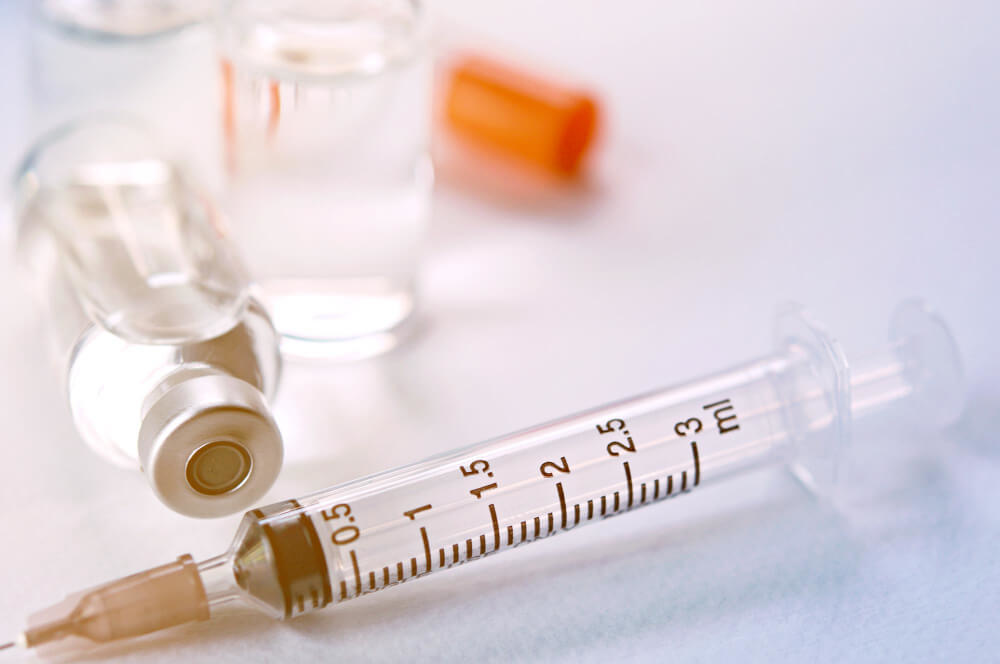
The power of exosomes is matched only by their complexity. This is not a ‘one size fits all’ therapy. The effectiveness and safety of exosome treatments depend entirely on the knowledge and skill of the practitioner administering them. Without proper training, the risk of suboptimal outcomes or adverse events increases significantly.
Specialized training ensures a clinician understands the critical nuances of this therapy. This includes the science of how exosomes work, the differences between various sources of exosomes, and the stringent quality control measures required for a safe product. A trained professional learns to assess which patients are good candidates for therapy and, just as importantly, which are not.
Furthermore, the regulatory landscape surrounding regenerative therapies is complex and constantly evolving. Proper training equips practitioners with the knowledge to navigate these regulations, ensuring their practice remains compliant and operates at the highest ethical standard. It is the foundation upon which a safe, effective, and reputable exosome therapy practice is built. One of the best ways to understand the foundational science is to explore a detailed an introduction to exosomes that breaks down their biological origins and functions.

What Does a Comprehensive Training Program Cover?
A high-quality training program goes far beyond a simple overview. It provides deep, actionable knowledge across several key domains. Participants learn about the ‘three Ps’: product, patient, and protocol.
First is the product itself. Training covers exosome sourcing, such as from mesenchymal stem cells derived from umbilical cords, and the critical importance of laboratory standards. Practitioners learn to analyze certificates of analysis to verify the purity, concentration, and safety of the exosome product they are using.
Second is patient selection and assessment. This involves a thorough understanding of indications and contraindications. A trained professional knows how to conduct patient consultations, manage expectations, and create a personalized treatment plan based on the individual’s health goals and medical history.
Third is the protocol. This is where science meets application. Training provides evidence-based protocols for various conditions, detailing dosage, delivery methods, and treatment frequencies. Whether for aesthetic improvements or systemic wellness, the right protocol is key to achieving the desired outcome.

What Are the Different Methods of Administering Exosomes?
The delivery method for exosome therapy is a critical component of the treatment plan and is tailored to the patient’s specific needs and goals. A well-trained practitioner will be proficient in several techniques to ensure the exosomes reach the target area effectively.
For localized issues, such as joint pain or aesthetic concerns, direct injection is often used. This involves injecting the exosome solution directly into the affected joint, scalp for hair restoration, or facial tissue for skin rejuvenation. This method concentrates the healing signals precisely where they are needed most.
Another common method is microneedling. In aesthetic medicine, a device with fine needles creates micro-channels in the skin. Exosomes are then applied topically and absorbed through these channels, promoting collagen production, reducing fine lines, and improving skin texture. This is a core competency covered in training on protocols for using exosomes in aesthetic medicine.
For systemic or whole-body benefits, intravenous infusion is the preferred route. This method introduces the exosomes directly into the bloodstream, allowing them to circulate throughout the body and exert their anti-inflammatory and regenerative effects on a wider scale. Mastering this technique requires specific education, such as a dedicated Intravenous IV exosome therapy training course, to ensure safety and proper administration.

How Are Exosomes Being Used in Clinical Practice Today?
The applications for exosome therapy are expanding rapidly as more research emerges and more clinicians become trained in their use. The versatility of these cellular messengers allows them to be integrated into many different areas of medicine.
In aesthetics and dermatology, exosomes are celebrated for their rejuvenating properties. They are used to combat signs of aging, improve skin tone and elasticity, reduce scarring, and stimulate hair follicles to promote new growth. Their ability to quell inflammation also makes them a promising option for managing conditions like rosacea and acne.
In orthopedics and sports medicine, exosomes are used to accelerate healing and reduce pain. They are injected into joints affected by osteoarthritis or into soft tissues after an injury to modulate the inflammatory response and support the natural repair process. Athletes and active individuals turn to this therapy to recover faster and get back to peak performance.
In the realm of functional and longevity medicine, IV exosome therapy is used to address systemic inflammation, which is a root cause of many age-related chronic diseases. Patients seek this therapy to enhance cognitive function, boost energy levels, improve immune function, and promote overall wellness. The therapy’s influence on cellular health is fundamental to the goals of proactive, preventive medicine. In fact, understanding the body’s signaling systems is so critical that it often overlaps with studying the clinical application of neuro-hormones and neurotransmitters, as both involve intricate biological communication.

What Does the Future of Exosome Research Look Like?
The future of exosomes is incredibly bright, and we are still just scratching the surface of their potential. The scientific community is buzzing with activity, and organizations are dedicated to advancing our understanding and standardizing the field. The International Society for Extracellular Vesicles (ISEV) plays a crucial role in bringing together researchers and clinicians to share findings and establish best practices.
One of the most exciting future directions is the concept of ‘designer’ exosomes. Scientists are working on methods to engineer exosomes to carry specific therapeutic cargo. Imagine loading an exosome with a particular drug or piece of genetic material and programming it to deliver that payload only to a specific type of cell, like a cancer cell. This could lead to highly targeted therapies with minimal side effects.
Research is also focused on using exosomes as diagnostic tools. Because the cargo of an exosome reflects the health of the cell it came from, analyzing the contents of exosomes in a blood sample—a process known as a liquid biopsy—could one day allow for the very early detection of diseases. The pace of discovery is rapid, with scientific journals constantly publishing special issues on exosome cells to keep up with the influx of new data.
This continuous stream of groundbreaking research ensures that the field will keep evolving. For practitioners, this means that initial training is just the beginning. A commitment to ongoing education is necessary to stay current with the latest advancements and provide patients with the best possible care based on the newest science.
How Can a Practitioner Choose the Right Training Program?
With the growing popularity of exosome therapy, training programs are becoming more common. However, not all programs are created equal. Choosing a high-quality, reputable training provider is paramount for any clinician serious about incorporating this modality into their practice.
First, look for a program led by experienced practitioners and scientists who are actively working in the field. Their real-world experience is invaluable. The curriculum should be comprehensive, covering the basic science, clinical applications, hands-on techniques, and safety protocols. It should be evidence-based, referencing current scientific literature.
Second, consider the format of the training. A combination of didactic learning and practical, hands-on experience is ideal. The opportunity to practice injection techniques or observe live demonstrations under expert supervision is critical for building confidence and competence. The program should also provide ongoing support and resources after the course is completed.
Finally, seek out programs that emphasize ethics and regulatory compliance. A responsible training provider will be transparent about the current regulatory status of exosome therapies and will teach practitioners how to operate within the appropriate legal and ethical boundaries. This protects both the practitioner and the patient.

Why is This the Right Time to Get Trained?
We are at a pivotal moment in the history of regenerative medicine. Exosome therapy is moving from a niche, experimental treatment to a mainstream therapeutic option offered by forward-thinking clinics around the world. The public is becoming more aware of its benefits, and the demand for qualified practitioners is outpacing the supply.
By getting trained now, healthcare professionals can position themselves at the forefront of this medical revolution. They can become the go-to experts in their communities, offering a cutting-edge service that delivers remarkable results for patients. This not only enhances a clinician’s professional satisfaction but also provides a significant opportunity for practice growth.
Furthermore, early adoption allows practitioners to grow with the field. As new research emerges and applications expand, those who have a solid foundational knowledge will be best equipped to understand and integrate these advancements. Waiting on the sidelines means falling behind, while taking action now means becoming a leader in the future of health and longevity.
Exosome therapy is more than just a new treatment; it is a new way of thinking about the body’s innate capacity to heal. It is a shift towards working with biology, not against it. For the dedicated healthcare professional, mastering this therapy through rigorous training is an investment in the future of their practice and in the profound well-being of their patients.
Frequently Asked Questions
How do acellular biologics promote healing without using live cells?
Acellular biologics function as a sophisticated signaling system, delivering a concentrated payload of therapeutic molecules directly to an injury site. These products, which include exosomes and secretomes, are rich in growth factors, proteins, and nucleic acids that orchestrate the body’s natural repair mechanisms. They effectively instruct local cells to reduce inflammation, prevent cell death, and stimulate the regeneration of new, healthy tissue.
Instead of introducing foreign cells, this approach leverages the body’s own resident cells to do the work, guided by the molecular instructions provided by the biologic. This process mimics the paracrine signaling that occurs during natural healing but in a much more potent and targeted fashion. By acting as a biological "project manager," acellular therapies can guide a more efficient and complete regenerative response without the risks associated with live cell transplantation.
What makes acellular biologics a potentially safer alternative to some cell-based therapies?
A primary safety advantage of acellular biologics is their significantly lower risk of triggering an immune response from the patient’s body. Because these products are "cell-free," they lack the surface markers that the immune system recognizes as foreign, minimizing the chance of rejection. This crucial feature may eliminate the need for immunosuppressive drugs and allows for the development of "off-the-shelf" products that can be used in a wide range of patients.
Furthermore, acellular products remove the inherent risks associated with transplanting live cells, such as the potential for uncontrolled growth or tumor formation. The manufacturing process for acellular biologics also allows for stringent purification and sterilization steps, ensuring a final product that is consistent, stable, and free of contaminants. This enhanced safety and stability profile is a key reason they are seen as a promising future direction in regenerative medicine.

What are the biggest hurdles to making acellular biologics widely available in clinics?
One of the most significant challenges is establishing standardized manufacturing processes to ensure product consistency and potency batch-to-batch. The composition of acellular biologics can vary greatly depending on the source cells, their culture conditions, and the purification methods used. Developing scalable, cost-effective production methods that yield a uniform therapeutic product is a critical step toward gaining regulatory approval and commercial viability.
Navigating the complex regulatory landscape presents another major hurdle for bringing these novel therapies to market. Regulatory bodies like the FDA are still defining the specific pathways for acellular products, requiring extensive data to prove safety, efficacy, and a clear mechanism of action. Overcoming these manufacturing and regulatory challenges will be essential to fulfilling the clinical promise of acellular biologics and making them accessible to patients.
Discover the most comprehensive functional medicine training, longevity training, and biohacking certification programs designed specifically for healthcare professionals, medics, and clinic owners who want to master regenerative medicine protocols and anti-aging therapies. Elevate your practice and become a leader in the future of medicine with Talking Longevity.