
The New Frontier of Healing: An Introduction to Regenerative Medicine
What if your body possessed the innate ability to heal itself from profound injury, reverse the damage of chronic disease, and turn back the clock on aging? This is not a concept from science fiction. It is the central promise of one of the most exciting and rapidly advancing fields in modern science. This field is changing how we think about health, disease, and the very nature of healing itself.
At its core, this revolutionary approach seeks to repair, replace, or regenerate damaged human cells, tissues, and organs to restore normal function. Instead of simply managing symptoms with medications or using surgery to remove damaged parts, it aims to provide a fundamental cure by addressing the root cause of the problem. It is a paradigm shift from fighting disease to rebuilding health from the inside out.
This is the world of regenerative medicine, a diverse and interdisciplinary field that leverages biology, engineering, and clinical science to unlock the body’s own powerful restorative capabilities. It represents a move towards personalized, proactive healthcare, where treatments are designed to work in harmony with your unique biological systems.
How Does Regenerative Medicine Actually Work?
Understanding this field can feel complex, but its foundational principles are built on a few core strategies. Think of it as a toolkit for rebuilding the body. Each tool has a specific purpose, but they often work together to achieve the best results. The main approaches involve using the body’s own materials, providing structural support for new growth, and stimulating the natural repair processes that may have become dormant or overwhelmed.
These strategies are not just theoretical. They are being refined in laboratories and applied in clinical settings across the globe, offering new hope for conditions that were once considered untreatable. The goal is always the same: to help the body heal itself more effectively.

What is the role of cellular therapies?
Cellular therapies are perhaps the most well-known aspect of regenerative medicine. This approach involves introducing new, healthy cells into a damaged area to initiate repair. The most famous of these are stem cells, which are often called the body’s ‘master cells’.
Stem cells are unique because they are undifferentiated, meaning they have not yet become a specific type of cell like a skin cell or a nerve cell. This gives them the remarkable ability to transform into many different cell types the body needs. They can also divide and create more stem cells, acting as a living repair crew that can be called upon to fix damage wherever it occurs.
There are several types of stem cells used in research and therapy. Adult stem cells, found in tissues like bone marrow and body fat, are a common source. Scientists can also reprogram regular adult cells back into a stem-cell-like state, creating what are known as induced pluripotent stem cells or iPSCs. These cellular therapies hold the potential to regenerate everything from damaged heart muscle to worn-out cartilage.
What is tissue engineering?
Tissue engineering is like biological construction. It combines cells, engineering principles, and special materials to build functional tissues in the laboratory. The ultimate goal is to grow replacement tissues and even entire organs for people who need them, potentially ending the long waiting lists for organ transplants.
Imagine a builder constructing a new wall. They first build a frame or scaffold to provide structure and then fill it in with bricks and mortar. Tissue engineering works similarly. Scientists create a biodegradable scaffold, often shaped like the tissue they want to grow, such as an ear or a piece of bone.
They then ‘seed’ this scaffold with a patient’s own cells. Inside a special machine called a bioreactor, which mimics the conditions inside the human body, the cells multiply and grow along the scaffold. Over time, the scaffold dissolves, leaving behind a new, living piece of tissue that can be implanted into the body. This technique has already been used to create skin for burn victims and even simple organs like bladders.
What are biomaterials and medical devices?
Biomaterials are a critical component of this medical revolution. These are specially designed materials that can interact with the body’s systems to promote healing. They are much more advanced than simple plastics or metals used in traditional implants.
These materials can be natural or synthetic and are engineered to be biocompatible, meaning the body will not reject them. Some are designed to release helpful substances, like growth factors, directly at an injury site to accelerate repair. Others act as the scaffolds mentioned in tissue engineering, providing a template for new tissue to grow upon before safely dissolving away.
An everyday example is dissolvable stitches. They hold a wound together and then are absorbed by the body once their job is done. Advanced biomaterials take this concept much further, creating intelligent structures that actively participate in the healing process.

What Conditions Can Regenerative Medicine Potentially Treat?
The potential applications for these therapies are vast and continue to expand as research progresses. Because it focuses on the fundamental process of repair, its principles can be applied to a wide range of injuries, degenerative conditions, and chronic diseases that affect millions of people worldwide.

Can it help with orthopedic injuries?
Orthopedics is one of the areas where regenerative medicine has made its most significant clinical impact so far. It offers promising alternatives to joint replacement surgery and long-term pain management for athletes and individuals suffering from age-related wear and tear.
Conditions like osteoarthritis, where cartilage in joints like the knee or hip breaks down, are a primary target. Therapies using platelet-rich plasma (PRP) or stem cells can be injected directly into the joint. The goal is to reduce inflammation, stimulate the growth of new cartilage, and delay or even prevent the need for invasive surgery.
Similarly, soft tissue injuries like torn ligaments, tendonitis, and muscle tears can benefit from these treatments. By concentrating the body’s own healing factors at the site of injury, these therapies can accelerate recovery and help patients return to their activities sooner.

What about chronic diseases like diabetes?
For chronic diseases, regenerative medicine offers the tantalizing prospect of a cure rather than lifelong management. In Type 1 diabetes, for example, the body’s immune system destroys the insulin-producing beta cells in the pancreas. Current treatment involves daily insulin injections.
Regenerative research is focused on growing new beta cells in the lab from stem cells. The vision is to transplant these new cells into patients, restoring their ability to produce their own insulin naturally. While challenges remain in protecting these new cells from the immune system, the progress is a source of great hope for the diabetes community.
Is there hope for neurological conditions?
Repairing the brain and spinal cord has long been considered one of medicine’s greatest challenges. Regenerative medicine is at the forefront of tackling this challenge. For conditions like Parkinson’s disease, which is caused by the loss of dopamine-producing neurons, researchers are exploring transplanting new neurons grown from stem cells to replace those that have died.
In cases of spinal cord injury, the goal is to use a combination of cell therapies and biomaterial scaffolds to bridge the gap in the injured cord, encouraging nerve fibers to regrow and restore communication between the brain and the body. While most of this work is still in the experimental phase, it represents a radical new approach to treating paralysis and neurodegenerative disorders.
Can it address heart disease?
When a person has a heart attack, part of the heart muscle dies and is replaced by scar tissue, which cannot contract. This weakens the heart and can lead to heart failure. Regenerative therapies aim to repair this damage.
Scientists are investigating injecting stem cells directly into the damaged heart muscle. The hope is that these cells will differentiate into new heart muscle cells, replacing the scar tissue and improving the heart’s ability to pump blood. Other approaches involve using tissue-engineered patches to mend the damaged area.

What Are the Most Common Types of Regenerative Therapies Available Today?
While some applications like 3D-printed organs are still on the horizon, several regenerative therapies are already available in clinics and are helping patients now. These treatments are generally minimally invasive and leverage the body’s inherent healing mechanisms.
It is crucial for patients to seek treatment from qualified professionals who have undergone rigorous training. The complexity of these procedures requires a deep understanding of cell biology and clinical application to ensure both safety and effectiveness.
What is Platelet-Rich Plasma (PRP) Therapy?
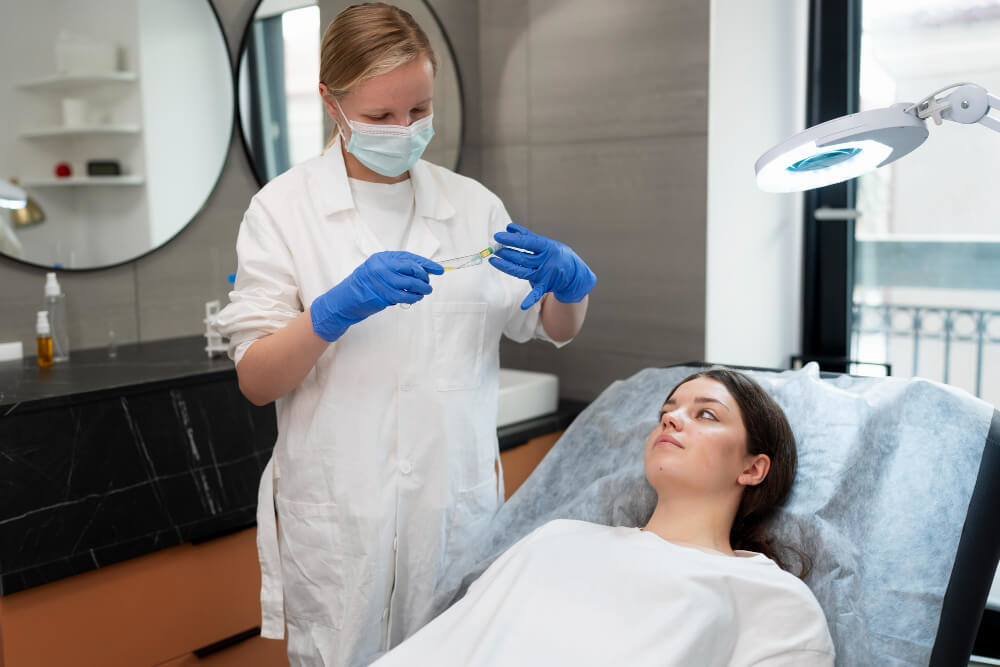
PRP therapy is a straightforward and popular regenerative treatment. It begins with a simple blood draw from the patient, similar to a routine blood test. This blood is then placed in a centrifuge, a machine that spins at high speed to separate the blood into its different components.
This process isolates and concentrates the platelets, which are cell fragments in the blood best known for their role in clotting. However, platelets are also rich reservoirs of hundreds of proteins called growth factors. These growth factors are powerful signaling molecules that orchestrate the body’s natural healing cascade. The concentrated PRP is then injected back into the patient at the site of injury, delivering a potent dose of healing signals to kickstart and amplify the repair process.
What Are Stem Cell Therapies?
Stem cell therapies typically use adult stem cells harvested from the patient’s own body, most commonly from bone marrow or adipose (fat) tissue. This process avoids the ethical debates associated with embryonic stem cells and eliminates the risk of rejection since the cells are the patient’s own.
Once harvested, the stem cells are concentrated and then precisely delivered to the area of damage. These cells have a remarkable ability to not only transform into needed cell types but also to act as powerful anti-inflammatory agents and signal other cells in the vicinity to begin the repair process. The sophistication of these treatments necessitates extensive education, which is why specialized clinical training in stem cell therapy using MSCs derived from adipose tissue is essential for practitioners.
What is prolotherapy?
Prolotherapy, short for ‘proliferative therapy’, is considered one of the original forms of regenerative injection therapy. While it does not involve stem cells or platelets, it operates on a similar principle of stimulating the body’s own healing response.
The procedure involves injecting a mild irritant solution, often containing dextrose (a form of sugar), into a damaged ligament or tendon. This injection creates a localized, controlled inflammatory response, which is the first stage of healing. This process essentially tricks the body into thinking there is a new injury, prompting it to send growth factors and repair cells to the area to strengthen and rebuild the weakened connective tissue.
How is the Field of Regenerative Medicine Evolving?
This field is anything but static. The pace of discovery is breathtaking, with new breakthroughs constantly refining our understanding and expanding the toolkit of therapies. The future of regenerative medicine lies in more precise, personalized, and powerful approaches.
What is the impact of systems biology?
Modern medicine is moving away from a one-size-fits-all approach. Systems biology represents this shift by viewing the body not as a collection of independent organs, but as a complex, interconnected network. It studies how genes, proteins, and cells interact with each other and with environmental factors.
By understanding this complex web of interactions, clinicians can develop more personalized regenerative treatments. They can better predict how an individual will respond to a specific therapy and tailor it to their unique biology. Learning how to apply systems biology in a clinical setting is becoming a cornerstone of advanced functional and regenerative medicine, allowing for more holistic and effective patient care.
What are exosomes and their role?
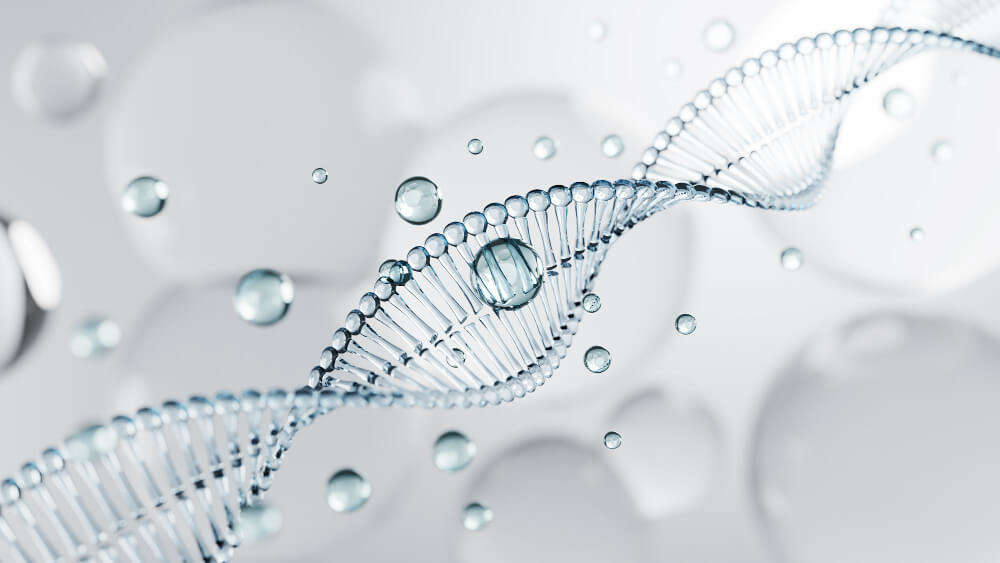
One of the most exciting recent discoveries is the role of exosomes. These are microscopic vesicles, or tiny bubbles, that are released by cells, especially stem cells. For a long time, they were thought to be simple cellular waste products.
We now know that exosomes are sophisticated communication devices. They carry important cargo like proteins, lipids, and genetic material from one cell to another, acting as messages that can instruct the recipient cells to behave in certain ways. Stem cell-derived exosomes can tell damaged cells to reduce inflammation, prevent cell death, and begin regenerating. This has opened the door to ‘cell-free’ therapies, where the regenerative benefits of stem cells can be delivered through their exosomes alone, potentially offering a safer and more stable alternative.

How are 3D bioprinting and advanced biomaterials changing the game?
Tissue engineering is getting a major upgrade with 3D bioprinting. This technology works much like a standard 3D printer, but instead of plastic, it uses a ‘bio-ink’ composed of living cells and other biological materials. It can meticulously build complex tissue structures, layer by layer, with a precision that was previously impossible.
While printing a fully functional heart or kidney for transplant is still a long-term goal, researchers are already bioprinting tissues like cartilage, bone, and blood vessels for research and testing. In parallel, new ‘smart’ biomaterials are being developed that can change shape, release drugs on command, or actively guide cell growth in specific ways, further enhancing our ability to engineer biology.

Who Are the Key Players and How Can One Learn More?
Navigating the world of regenerative medicine can be daunting for both patients and healthcare professionals. It is vital to rely on credible sources for information and to understand the importance of proper training and credentials for those offering treatments.
What organizations lead regenerative medicine research?
Several international organizations are dedicated to advancing the field responsibly. The International Society for Stem Cell Research (ISSCR) provides global guidelines for stem cell research and clinical translation, working to ensure ethical and scientific rigor. For professionals, online hubs like RegMedNet offer a community space to share knowledge and stay updated on the latest breakthroughs. In Europe, organizations such as EuroStemCell provide independent, expert-reviewed information for the public, helping to demystify the science.

How do healthcare professionals get trained in this field?
The complexity and rapid evolution of regenerative therapies demand that practitioners receive highly specialized training beyond standard medical school education. This ensures they can perform procedures safely, understand the nuances of cell biology, and stay current with the latest evidence-based protocols.
Many clinicians pursue advanced credentials through dedicated