What is a Biohacking Clinic and How Can It Revolutionize Your Health?
In our modern world, we optimize everything from our smartphones to our work schedules. So, why not apply that same principle to the most complex and important system we will ever manage: our own biology? This is the core idea behind biohacking, a growing movement focused on making incremental changes to your body and lifestyle to improve your health, performance, and well-being. It’s about moving from a passive role in your health to becoming the active CEO of your own body.
While the term might conjure images of futuristic labs and complex science, biohacking can be as simple as adjusting your diet or sleep schedule. However, for those seeking to dive deeper and leverage cutting-edge science, a new type of facility is emerging as a hub for human optimization. This is where the modern biohacking clinic comes into play, offering a gateway to personalized health strategies that go far beyond the scope of traditional medicine.
These clinics represent a paradigm shift in healthcare. They are not just for treating sickness; they are for building a superior state of wellness. By using advanced diagnostics and targeted therapies, a biohacking clinic aims to unlock your body’s full potential, helping you feel more energetic, think more clearly, and build resilience against the stressors of life and the process of aging. It’s a proactive approach designed for anyone who believes that ‘fine’ is not good enough.
What Exactly is Biohacking?
Have you ever wondered if you could have more energy, sharper focus, or a stronger immune system? At its heart, biohacking is the practice of using science, technology, and a deep understanding of human physiology to answer these questions and actively improve your body’s functions. It is a broad term that encompasses a wide spectrum of activities, from simple lifestyle adjustments to the use of sophisticated medical technologies.
Think of your body as a complex system. Biohacking is the process of identifying the inputs, like food, sleep, light, and stress, and then systematically adjusting them to achieve a desired output, such as increased mental clarity or enhanced physical performance. It’s a data-driven approach to wellness that empowers individuals to make informed decisions about their health based on their unique biological makeup.
The spectrum of biohacking is vast. On one end, you have accessible practices like intermittent fasting, mindfulness meditation, or optimizing your sleep environment for deeper rest. On the other end, you find the advanced interventions typically offered in a specialized clinic, such as intravenous nutrient therapy, genetic analysis, and red light therapy. The unifying theme is a desire for self-improvement and the belief that we can actively guide our biological destiny.
Many people are already biohackers without even realizing it. If you wear a fitness tracker to monitor your steps and sleep, track your macronutrients, or take specific supplements like Vitamin D or omega-3s, you are engaging in a form of biohacking. The field seeks to take this innate desire for self-betterment and support it with scientific principles and measurable results. For those looking for a clear overview, many resources online provide a good primer on what is biohacking and its core concepts.
What Happens Inside a Biohacking Clinic?
Stepping into a biohacking clinic is often a very different experience from visiting a conventional doctor’s office. The atmosphere is typically less clinical and more like a wellness spa or a high-tech fitness center. The focus is not on diagnosing and treating a specific disease but on assessing your current biological baseline and creating a personalized roadmap for optimization and peak performance.
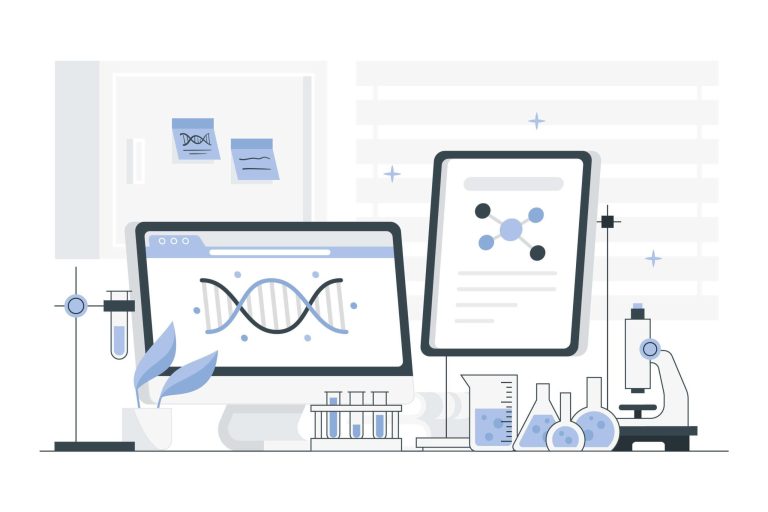
The journey usually begins with a comprehensive data collection phase. This is far more in-depth than a standard physical. It may include extensive blood panels that look at hundreds of biomarkers, from inflammatory markers and hormone levels to nutrient deficiencies and metabolic health indicators. Some clinics also offer genetic testing to understand your predispositions, microbiome analysis to assess your gut health, and advanced body composition scans.
Once this wealth of data is collected, you will typically consult with a team of experts. This team might include functional medicine doctors, nutritionists, health coaches, and other specialists. They work together to interpret your results and understand your personal health goals. Do you want to boost your cognitive function, improve your athletic recovery, or focus on long-term vitality and anti-aging?
Based on this deep understanding of your biology and goals, the clinic develops a customized protocol. This protocol is a multi-faceted plan that could include a combination of in-clinic therapies, a personalized nutrition plan, a targeted supplement regimen, and specific lifestyle recommendations. The entire process is collaborative, treating you as an active partner in your health journey rather than a passive recipient of care.
What are Some Common Therapies and Technologies Offered?
The toolkit available at a biohacking clinic is diverse and constantly evolving. These therapies are designed to support the body’s natural healing and optimization processes at a cellular level. Here are some of the most common modalities you might encounter.

What is Cryotherapy?
Whole-body cryotherapy involves exposing your body to extremely cold temperatures, typically between minus 200 and minus 300 degrees Fahrenheit, for a very short period, usually two to three minutes. This is done in a specialized chamber or cryosauna. The intense cold triggers a powerful physiological response.
The primary benefit is a massive reduction in inflammation. The cold causes blood vessels to constrict, and upon leaving the chamber, they rapidly dilate. This process helps flush out inflammatory markers and metabolic waste from the muscles and tissues, making it a favorite among athletes for accelerating recovery and reducing muscle soreness. Users also report a significant endorphin rush, leading to an immediate mood boost and a feeling of energy.
How Does Infrared Sauna Therapy Work?
Unlike a traditional sauna that heats the air around you, an infrared sauna uses specific wavelengths of light to heat your body directly. This allows for a much deeper penetration of heat at a lower, more comfortable ambient temperature. This deep heat raises your core body temperature, inducing a heavy sweat.
This process is highly effective for detoxification, as sweating is one of the body’s primary ways to eliminate toxins. Infrared sauna use is also linked to improved circulation, lower blood pressure, and profound relaxation as it helps calm the nervous system. Regular sessions can support skin health, aid in muscle recovery, and promote a sense of overall well-being.
What are IV Nutrient Drips?
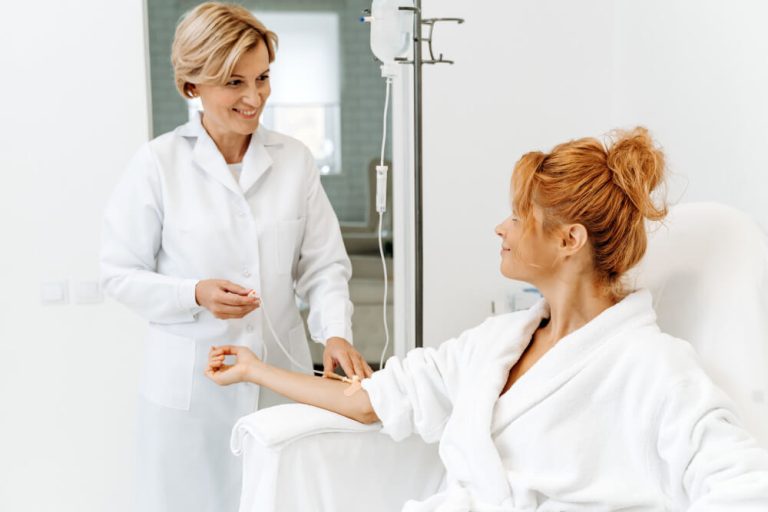
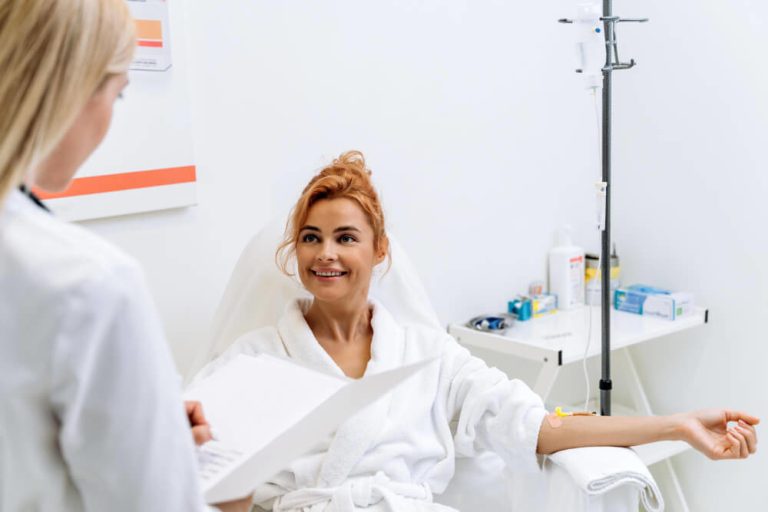
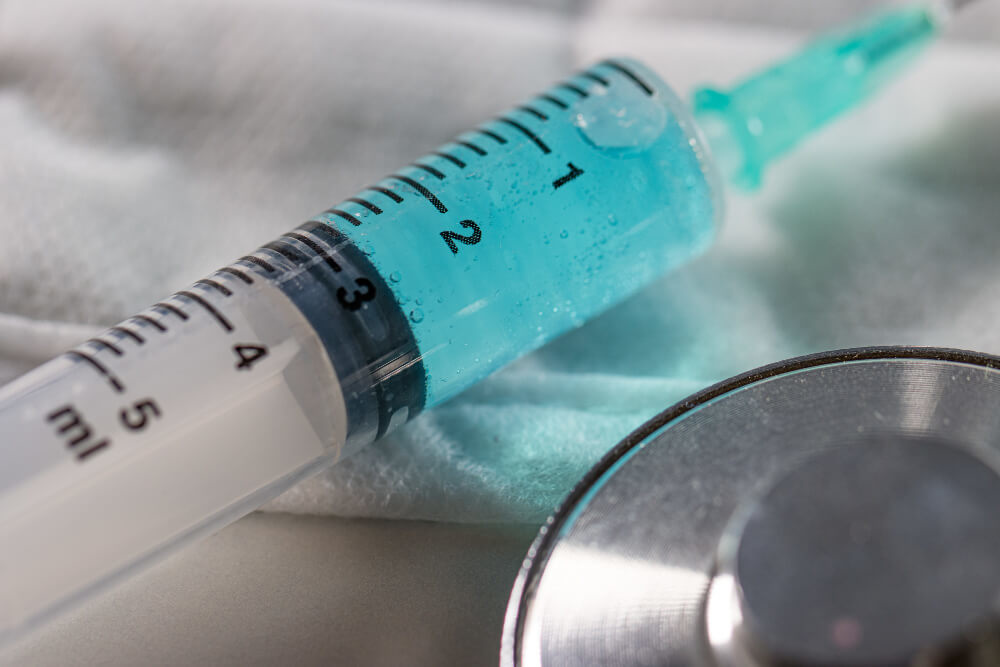
Intravenous (IV) nutrient therapy delivers vitamins, minerals, antioxidants, and amino acids directly into your bloodstream. This method bypasses the digestive system, which can sometimes limit the absorption of nutrients, especially in individuals with compromised gut health. Direct infusion ensures 100 percent bioavailability, meaning your cells get the full dose of nutrients they need to function optimally.
Clinics offer a wide variety of IV ‘cocktails’ tailored to specific goals. There are drips designed to boost the immune system with high doses of Vitamin C and Zinc, formulas to enhance athletic performance and recovery with amino acids, and blends aimed at improving cognitive function or hydrating the body. It is a fast and efficient way to correct nutrient deficiencies and give your body a powerful wellness boost.

What is Hyperbaric Oxygen Therapy (HBOT)?
Hyperbaric Oxygen Therapy involves breathing pure oxygen in a pressurized chamber. The air pressure inside the chamber is increased to two to three times higher than normal atmospheric pressure. This combination of high pressure and high oxygen concentration allows your blood to carry much more oxygen than it normally could.
This oxygen-rich blood is transported throughout the body, where it can stimulate the release of growth factors and stem cells, which are crucial for healing. HBOT is well-regarded for its ability to accelerate wound healing, reduce swelling and inflammation, fight off certain types of infections, and promote the formation of new blood vessels. It’s used to support recovery from injuries, surgeries, and conditions where circulation is compromised.

Can Red Light Therapy Improve My Health?
Red light therapy, also known as photobiomodulation, uses specific, low-level wavelengths of red and near-infrared light. When this light penetrates the skin, it is absorbed by the mitochondria, the powerhouses within our cells. This absorption helps the mitochondria produce more adenosine triphosphate (ATP), which is the primary energy currency of the cell.
By boosting cellular energy production, red light therapy can have a wide range of benefits. It is known to enhance skin health by stimulating collagen production, which can reduce fine lines and wrinkles. It also helps speed up muscle recovery, reduce joint pain and inflammation, and improve circulation. The therapy is non-invasive, painless, and a relaxing way to support your body’s fundamental processes.

Who Can Benefit from a Biohacking Clinic?
The clientele of a biohacking clinic is incredibly diverse, as the desire for improved health and performance is universal. One major group includes executives, entrepreneurs, and other high-performing professionals. For them, cognitive function is paramount. They seek an edge in focus, memory, and mental stamina to navigate demanding careers and reduce the impact of stress.
Athletes, both professional and amateur, are another key demographic. They are constantly looking for ways to optimize their physical performance, shorten recovery times between training sessions, and prevent injuries. Therapies like cryotherapy, HBOT, and IV drips can provide the support they need to push their bodies to the limit and bounce back faster.
Individuals dealing with chronic, nagging health issues that have not been fully resolved by conventional medicine often turn to biohacking clinics for answers. People with persistent fatigue, brain fog, digestive issues, or low-level inflammation can benefit from the deep diagnostic approach that seeks to identify and address the root cause of their symptoms rather than just managing them.
Finally, there is a growing population of people focused on healthspan and longevity. These individuals are not necessarily sick or high-performers; they are simply proactive about their future health. They want to maintain their vitality, cognitive function, and physical abilities for as long as possible. A biohacking clinic provides them with the tools and strategies to invest in their future selves and age gracefully and powerfully.

How is a Biohacking Clinic Different from a Regular Doctor’s Office?
The fundamental difference lies in the philosophy of care. Conventional medicine is primarily a reactive model. It excels at treating acute illnesses, injuries, and established diseases. You go to the doctor when you are sick, and the goal is to return you to a state of not being sick.
A biohacking clinic operates on a proactive and optimization-focused model. The goal is not just to avoid disease but to achieve a state of exceptional health. It serves clients who are already healthy but want to be healthier, stronger, and more resilient. The focus is on elevating your baseline and pushing the upper limits of your performance and well-being.
This difference in philosophy leads to a different kind of relationship between the practitioner and the client. In a biohacking clinic, it is a collaborative partnership. You are an active participant, armed with data about your own body, working with experts to co-create your health plan. This is a significant shift for many clinicians and patients, and it reflects a broader movement in medicine. Learning how to transition from conventional to longevity-focused care is a key step for professionals entering this space.
The tools used are also different. While a conventional doctor relies on standard blood tests and physical exams, a biohacking clinic integrates data from wearables, continuous glucose monitors, genetic tests, and highly detailed biomarker panels. This creates a continuous feedback loop, allowing for real-time adjustments to your health protocol for truly personalized care.

Is Biohacking Safe and Regulated?
As with any approach to health and wellness, safety is a primary concern. The field of biohacking is relatively new and rapidly evolving, which means the landscape of regulation is still developing. This makes it crucial for consumers to be discerning and do their due diligence before engaging with a clinic or a specific therapy.
The safety of biohacking largely depends on the specific intervention and the qualifications of the people administering it. Reputable biohacking clinics are run by licensed medical professionals, including doctors, nurses, and naturopaths. They operate with a high standard of care, ensuring that therapies are administered correctly and are appropriate for the individual’s health status.
For practitioners looking to enter this field, proper education is non-negotiable. The importance of comprehensive training and certification in biohacking modalities cannot be overstated, as it ensures both client safety and practitioner competency. Furthermore, clinic owners must navigate a complex landscape of legal and operational responsibilities. Understanding the specifics of liability and insurance for a biohacking clinic is essential for protecting both the business and its clients.
When considering a clinic, you should ask about the credentials of the staff, the evidence supporting their offered therapies, and the safety protocols they have in place. A trustworthy clinic will be transparent about the potential risks and benefits and will always prioritize your health and safety above all else.

Who are the Leading Voices in Biohacking and Longevity?
The rise of biohacking has been fueled by a number of influential scientists, physicians, and entrepreneurs who are dedicated to making complex health information accessible to the public. These leaders have helped translate cutting-edge research into practical strategies for everyday life.
One of the most prominent figures is Dr. Andrew Huberman, a neuroscientist at Stanford University. Through his incredibly popular Huberman Lab podcast, he provides deep, science-backed protocols for everything from improving sleep and focus to managing stress, all explained in a clear and actionable way. His work has empowered millions to make informed changes to their daily routines.
Another key physician in this space is Dr. Peter Attia, whose work focuses on the science of longevity. On his platform, Peter Attia MD, he explores strategies for extending not just lifespan but healthspan, the period of life spent in good health. He emphasizes a proactive approach to preventing chronic diseases through exercise, nutrition, and early diagnostics.
On the clinical side, companies are bringing these concepts to life. For example, Fountain Life is a company co-founded by Tony Robbins and Dr. Peter Diamandis that offers advanced, proactive health screening to detect potential illnesses years before they would typically be found, embodying the preventative spirit of the biohacking movement.
Biohacking clinics are at the forefront of a healthcare revolution, shifting the focus from sickness to optimization. They provide a space where science, technology, and personalized care converge to help you take ultimate control of your biology. By leveraging advanced diagnostics and targeted therapies, these clinics empower you to build a more resilient, energetic, and vibrant version of yourself, today and for years to come.
Frequently Asked Questions
When should I consult a clinician before trying a popular biohack?
It is highly recommended to consult a clinician before starting any biohack that involves significant physiological changes, such as restrictive diets, extreme temperature exposure, or supplementation. This is especially critical if you have pre-existing medical conditions like heart disease or diabetes, are pregnant, or are taking prescription medications. A medical professional can evaluate your personal health status and help you understand the potential risks and interactions specific to your body.
Engaging with a clinician provides a layer of safety and helps you set realistic, evidence-based goals for your health journey. They can help you monitor key biomarkers to ensure the intervention is having a positive effect and not causing unintended harm. This professional guidance allows you to separate scientifically-backed practices from unproven trends, ensuring your efforts are both safe and effective.

Why is there a gap between the hype around some biohacks and the actual clinical evidence?
The gap between hype and evidence often exists due to the powerful influence of anecdotal reports and the placebo effect. When individuals experience a perceived benefit, even if it’s not directly caused by the intervention, their enthusiastic testimonials can quickly create a buzz online. This personal storytelling is compelling but lacks the scientific rigor needed to establish a true cause-and-effect relationship, which requires controlled, large-scale studies.
Furthermore, conducting high-quality clinical trials is a slow and expensive process, and many popular biohacks, like specific breathing techniques or dietary patterns, are not patentable, reducing the financial incentive for research. This creates an information vacuum where marketing and personal success stories can outpace the available scientific data. A clinician’s review is crucial for interpreting the preliminary evidence and distinguishing promising interventions from those built primarily on hype.
Can biohacking techniques replace foundational health habits like diet and exercise?
No, biohacking techniques are intended to supplement, not replace, the foundational pillars of health. The most significant and proven drivers of long-term wellness remain consistent sleep, a balanced and nutritious diet, regular physical activity, and effective stress management. These core habits have overwhelming scientific support for preventing chronic disease and promoting vitality.
Think of foundational health as the strong base of a pyramid, while biohacks are the smaller blocks you might add to the very top for optimization. Interventions like red light therapy or nootropic supplements cannot compensate for the negative effects of a poor diet, lack of sleep, or a sedentary lifestyle. To achieve meaningful and sustainable results, you must first master the fundamentals before exploring advanced techniques for marginal gains.
Are you a healthcare professional ready to lead the future of medicine? Discover the most comprehensive functional medicine training, longevity training, and biohacking certification programs designed specifically for healthcare professionals, medics, and clinic owners who want to master regenerative medicine protocols and anti-aging therapies. Elevate your practice and empower your patients with Talking Longevity.