
The Future of Healing: A Deep Dive into Exosome Training
The world of regenerative medicine is constantly evolving, with new discoveries pushing the boundaries of what we thought possible for health and longevity. At the forefront of this revolution are exosomes, tiny but mighty messengers that are changing how we approach healing, aging, and wellness. Their potential is immense, but harnessing it safely and effectively requires specialized knowledge.
This is where the importance of comprehensive education becomes clear. For healthcare professionals looking to integrate this cutting-edge therapy into their practice, understanding the science, application, and safety protocols is not just an advantage; it’s a necessity. Proper Exosome Training is the bridge between the incredible potential of this science and its successful clinical application.
This guide will explore the fascinating world of exosomes, from their fundamental biology to the advanced training required to utilize them. We will delve into why this field is growing so rapidly, what constitutes a high-quality training program, and how practitioners can become leaders in this exciting new era of medicine.

What Exactly Are Exosomes?
To understand their therapeutic power, we first need to ask what exosomes are. Imagine your body is a vast and complex country. Cells are the cities, and they constantly need to communicate with each other to coordinate everything from daily maintenance to emergency repairs. Exosomes are the high-speed delivery couriers in this system.
They are incredibly small, nano-sized vesicles, or sacs, that are released by almost all cell types in the body. These vesicles are not empty; they are packed with a cargo of vital materials from their parent cell. This cargo includes proteins, lipids, and various forms of RNA like messenger RNA (mRNA) and microRNA (miRNA).
When an exosome is released from one cell, it travels through the bloodstream or other bodily fluids until it finds a target cell. Upon arrival, it fuses with the recipient cell and delivers its contents. This delivery acts as a set of instructions, telling the recipient cell how to behave. It might tell it to reduce inflammation, begin repairing damaged tissue, or even to self-destruct if it has become harmful.
This natural cell-to-cell communication system is what makes exosomes so powerful. They are not a foreign substance but a fundamental part of the body’s own regenerative and regulatory processes. By harnessing these natural messengers, we can potentially direct and enhance the body’s innate ability to heal itself.

Why is This Field Exploding in Popularity?
The interest in exosome therapy has surged for several compelling reasons. At its core, the appeal lies in its regenerative potential. Unlike treatments that simply manage symptoms, exosome therapy aims to address issues at a cellular level, promoting actual repair and rejuvenation of tissues.
One of the most significant advantages is that exosomes are acellular. This means they do not contain any whole cells or DNA from a donor. This characteristic greatly reduces the risk of rejection or other adverse immune responses that can be a concern with traditional stem cell therapies. They are seen as a safer, more refined tool for regenerative applications.
Furthermore, the applications are incredibly broad. From aesthetics to orthopedics and general wellness, exosomes offer a versatile platform for treatment. They can help reduce inflammation, stimulate collagen production, promote new blood vessel formation, and protect cells from damage. This versatility has captured the attention of clinicians across many different specialties.
The rise of functional and anti-aging medicine has also fueled this popularity. Patients are increasingly seeking proactive and minimally invasive treatments that enhance their healthspan, not just their lifespan. Exosome therapy fits perfectly into this paradigm, offering a sophisticated, science-backed approach to optimizing health and combating the effects of aging.

Why is Specialized Training So Crucial?
With such great potential comes great responsibility. The science of exosomes is complex and rapidly advancing, making specialized training an absolute prerequisite for any practitioner wishing to offer these therapies. Simply buying a vial of exosomes and injecting it is not only ineffective but also potentially dangerous.
First, the quality and source of exosomes matter immensely. Practitioners must be trained to critically evaluate products, understand lab reports, and verify the purity, concentration, and viability of the exosomes they use. Without this knowledge, they risk using substandard or contaminated products that could harm patients.
Second, application protocols are highly specific. The correct dosage, delivery method, and treatment frequency depend on the patient’s condition, goals, and overall health. A one-size-fits-all approach does not work. Training provides the clinical framework for developing personalized treatment plans that maximize efficacy and ensure patient safety.
Finally, a trained practitioner understands the nuances of patient selection and contraindications. They know who is a good candidate for exosome therapy and who is not. This critical judgment, honed through education and experience, is essential for achieving positive outcomes and upholding the highest standards of medical care. The complexity of the field requires a deep understanding of the underlying science, including how to properly go about studying exosomes and extracellular vesicles to interpret new findings.
What Should a Good Training Program Include?
A truly comprehensive training program goes far beyond a simple weekend course. It should provide a deep, multi-faceted education that equips clinicians with both the theoretical knowledge and practical skills needed to excel. When evaluating a program, there are several key components to look for.
A solid curriculum empowers practitioners to offer these advanced therapies confidently and competently, ensuring they are at the forefront of regenerative medicine. The goal is to create experts who can not only perform the treatments but also innovate and adapt as the science evolves.

How Are Exosomes Sourced and Characterized?
The foundation of effective therapy is the quality of the product itself. A training program must dedicate significant time to the science of exosome sourcing and characterization. Practitioners need to learn where exosomes come from, with mesenchymal stem cells (MSCs) being one of the most common and well-researched sources.
The curriculum should cover the intricate processes of exosome bioproduction, from culturing the parent cells to isolating and purifying the resulting exosomes. This includes understanding different isolation techniques like ultracentrifugation and their pros and cons. A key part of this is learning to read and interpret a Certificate of Analysis (CoA).
This document provides critical data about the product, including its concentration, purity, and the absence of contaminants like endotoxins. Training should empower clinicians to scrutinize these reports and ask the right questions of manufacturers. Understanding the tools used for cell analysis and characterization, such as nanoparticle tracking analysis (NTA) and flow cytometry, is vital for verifying product quality.

What Are the Key Application Protocols?
Knowing what is in the vial is only half the battle. A premier training program must provide detailed, evidence-based instruction on clinical application protocols. This involves learning the different ways exosomes can be delivered to the body and which method is best suited for specific therapeutic goals.
In the aesthetic world, topical application combined with energy-based devices or microneedling is a common approach for skin rejuvenation and hair restoration. A good course will offer hands-on instruction or detailed video demonstrations of these techniques. You can learn more about specific protocols for using exosomes in aesthetic medicine to see how they are applied for concerns like fine lines, skin texture, and hair loss.
For systemic wellness and anti-aging benefits, intravenous delivery is often the method of choice. This requires a different skill set and a deeper understanding of systemic effects, dosage calculations, and patient monitoring. Comprehensive intravenous IV exosome therapy training is essential for any practitioner looking to offer these powerful systemic treatments safely. The training should cover everything from preparing the IV bag to managing patient expectations.
How Does Exosome Therapy Integrate with Other Treatments?
Exosome therapy rarely exists in a vacuum. It is most powerful when used as part of a holistic, multi-modal treatment plan. A high-caliber training program will teach practitioners how to integrate exosomes with other therapies to create synergistic effects and superior patient outcomes.
For example, in aesthetics, using exosomes post-procedure after a laser treatment or chemical peel can dramatically accelerate healing, reduce downtime, and enhance the final results. The exosomes help to calm inflammation and provide the building blocks for rapid tissue repair.
In a broader functional medicine context, exosome therapy can be combined with nutritional strategies, lifestyle modifications, and even hormone optimization to create a comprehensive anti-aging protocol. Understanding how different systems in the body interact is key. For instance, a clinician might explore how balanced hormones support cellular health, making a discussion about bioidentical testosterone vs synthetic androgens relevant to a patient’s overall regenerative plan. This integrated approach addresses health from multiple angles, leading to more profound and lasting results.
How Do Practitioners Stay Current with Research?
The field of exosome research is moving at an incredible pace, with new studies published almost daily. What is considered best practice today may be updated tomorrow. Therefore, a crucial element of any training is learning how to stay current and critically evaluate new information.
A good program will not just teach you a set of protocols; it will teach you how to think like a scientist. It will equip you with the skills to read scientific papers, understand study design, and differentiate between marketing hype and legitimate clinical data. This is essential for making informed decisions about new products and techniques as they emerge.
Practitioners should become familiar with reputable sources for scientific information. Following the work of leading companies and institutions in the space provides valuable insight into the latest advancements. Continually exploring the landscape of exosome research is not a one-time task but an ongoing professional responsibility.
This commitment to continuous education is what separates the true experts from the casual providers. The best practitioners are lifelong learners, constantly seeking to refine their knowledge and improve their skills. This ensures they are always offering their patients the safest, most effective, and most advanced treatments available.

Who is This Training Designed For?
Exosome training is designed for a wide range of licensed healthcare professionals who are passionate about regenerative and functional medicine. The primary audience includes medical doctors (MDs), doctors of osteopathic medicine (DOs), nurse practitioners (NPs), and physician assistants (PAs). These clinicians have the diagnostic and procedural skills to fully leverage both systemic and localized exosome therapies.
Clinic owners and medical directors also represent a key group. For them, the training is not just about clinical application but also about business development. Understanding the science and potential of exosomes allows them to strategically add a high-value, in-demand service to their practice, setting them apart from the competition and attracting a new clientele.
In some jurisdictions, other licensed professionals like registered nurses (RNs) or highly trained aestheticians may be able to perform certain exosome applications, particularly in aesthetics under medical supervision. For these individuals, training provides the necessary expertise to operate safely and effectively within their scope of practice.
Ultimately, this training is for any forward-thinking medical professional who wants to move beyond the traditional ‘sick care’ model. It is for those who want to be on the cutting edge of medicine, offering proactive solutions that enhance health, vitality, and longevity for their patients. It is an investment in the future of their practice and the well-being of the people they serve.
This advanced therapy represents a paradigm shift in how we think about healing. By learning to speak the body’s own cellular language, trained practitioners can unlock new levels of therapeutic success. The journey begins with a commitment to high-quality, comprehensive education.
The power of these tiny vesicles is just beginning to be understood, and those who invest in mastering this science today will be the leaders of tomorrow’s medicine. They will be the ones guiding their patients toward a future of enhanced regeneration, vitality, and optimal health.
Frequently Asked Questions
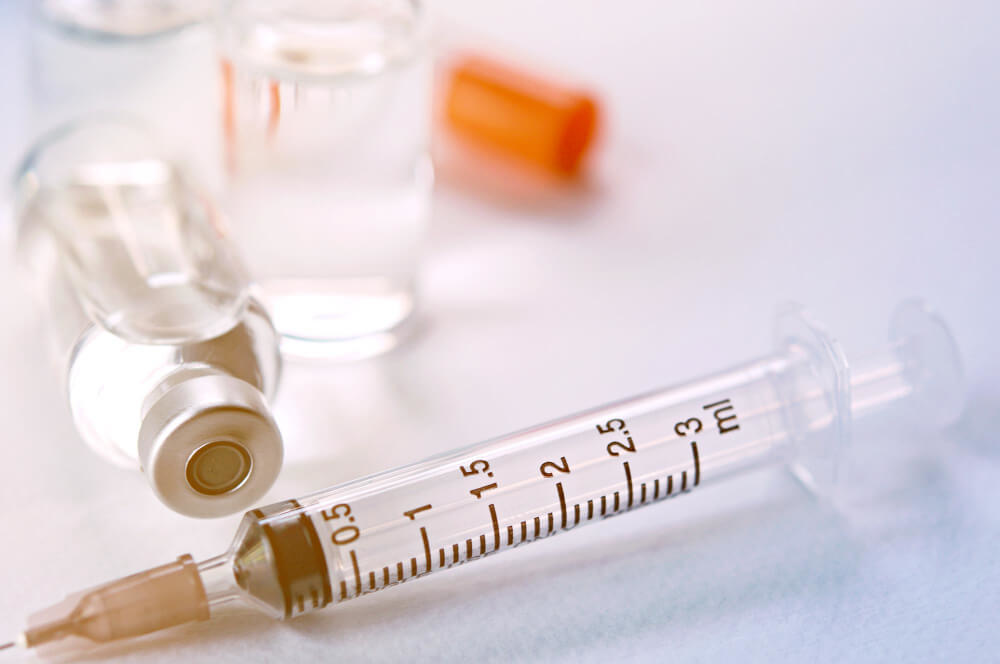
How can EVs be used as "liquid biopsies," and what are their current limitations?
Extracellular vesicles are shed by all cells, including those from tumors, into accessible body fluids like blood, urine, and saliva. These vesicles contain a specific cargo of proteins and nucleic acids that act as a snapshot of their parent cell’s health and status. By isolating and analyzing this cargo from a simple blood draw, clinicians can obtain real-time information about a disease’s presence, progression, or response to treatment without an invasive tissue biopsy.
Despite this promise, a primary limitation is the lack of standardized methods for EV isolation, purification, and analysis, which causes variability in results. The signal from disease-specific EVs can also be diluted by the overwhelming number of vesicles from healthy cells, making early detection a significant challenge. Overcoming these technical hurdles in sensitivity and standardization is critical before EV-based liquid biopsies can be reliably implemented in routine clinical practice.

What makes EVs a promising drug delivery system compared to synthetic options like liposomes?
EVs possess several innate advantages as therapeutic carriers, primarily their high biocompatibility and low immunogenicity. Because they are derived from our own cells, they are less likely to trigger an adverse immune response and are cleared from circulation more slowly than many synthetic nanoparticles. Furthermore, their natural surface proteins can facilitate crossing biological barriers, like the blood-brain barrier, and enable specific targeting to recipient cells.
This inherent targeting capability gives EVs a key edge over many synthetic systems, which often require complex chemical modifications to achieve similar specificity. The natural structure of EVs is also ideal for protecting fragile cargo, such as RNA or proteins, from degradation in the bloodstream. This combination of safety, stability, and natural targeting makes them a highly compelling platform for delivering next-generation therapies.
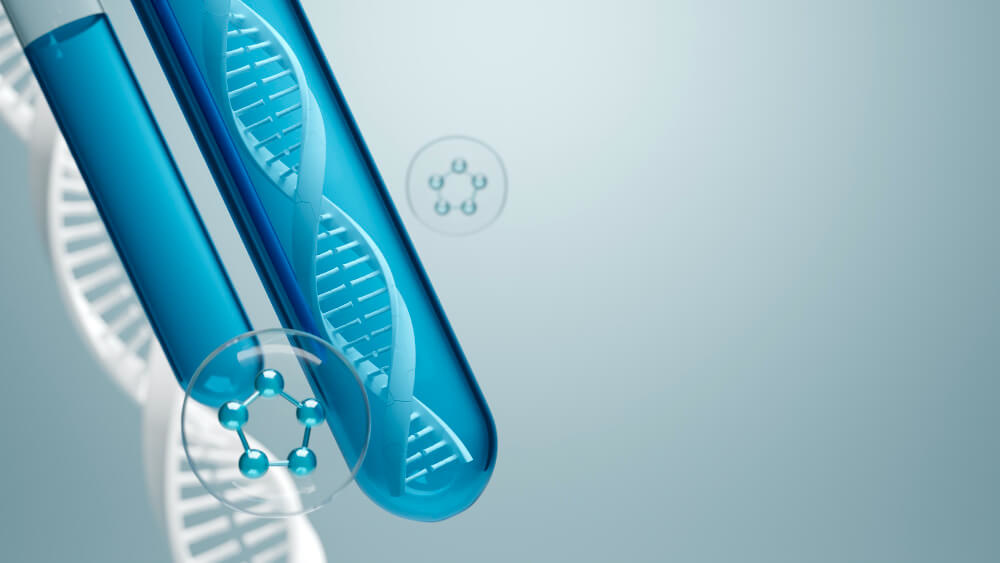
What are the main challenges preventing the widespread clinical adoption of EV-based therapies?
One of the greatest obstacles is the difficulty in producing large quantities of pure, consistent, and clinical-grade EVs. Scaling up manufacturing from a lab bench to a commercial level while ensuring each batch has the same therapeutic properties is a major technical and logistical challenge. Establishing robust, standardized quality control protocols that satisfy regulatory agencies like the FDA is essential for ensuring patient safety and treatment efficacy.
Beyond manufacturing, the precise mechanisms of action and long-term safety profiles for EV therapies are still under intense investigation. Clinicians and researchers must clearly define optimal dosing, understand potential off-target effects, and navigate the complex regulatory pathways for a new class of biological drugs. Addressing these issues through rigorous preclinical studies and well-designed clinical trials is a critical step before EVs can become a standard therapeutic option.
Discover the most comprehensive functional medicine training, longevity training, and biohacking certification programs designed specifically for healthcare professionals, medics, and clinic owners who want to master regenerative medicine protocols and anti-aging therapies. Talking Longevity is your partner in building a practice at the forefront of medical innovation.