Decoding Your DNA: The Ultimate Guide to Genetic Testing
Inside every one of your cells lies a unique instruction manual, a biological blueprint that contains the story of you. This manual, your DNA, dictates everything from your eye color to your body’s basic functions. For centuries, this intricate code was a mystery, but today, we have the key to unlock its secrets.
This key is genetic testing. It’s a powerful technology that reads sections of your DNA to provide insights into your ancestry, health, and personal traits. The world of modern DNA testing has expanded dramatically, moving from specialized medical labs into our homes, offering unprecedented access to our personal genetic information.
Understanding this information can be empowering. It can connect you to your past, inform your present lifestyle choices, and offer a glimpse into your future health. This guide will walk you through the fascinating world of DNA testing, from the basic science to the practical applications shaping the future of personalized medicine.

What Exactly is DNA and Why Does it Matter?
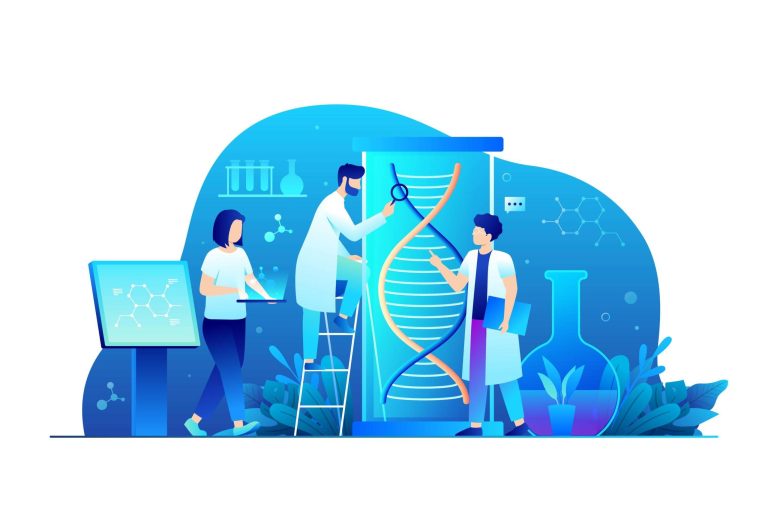
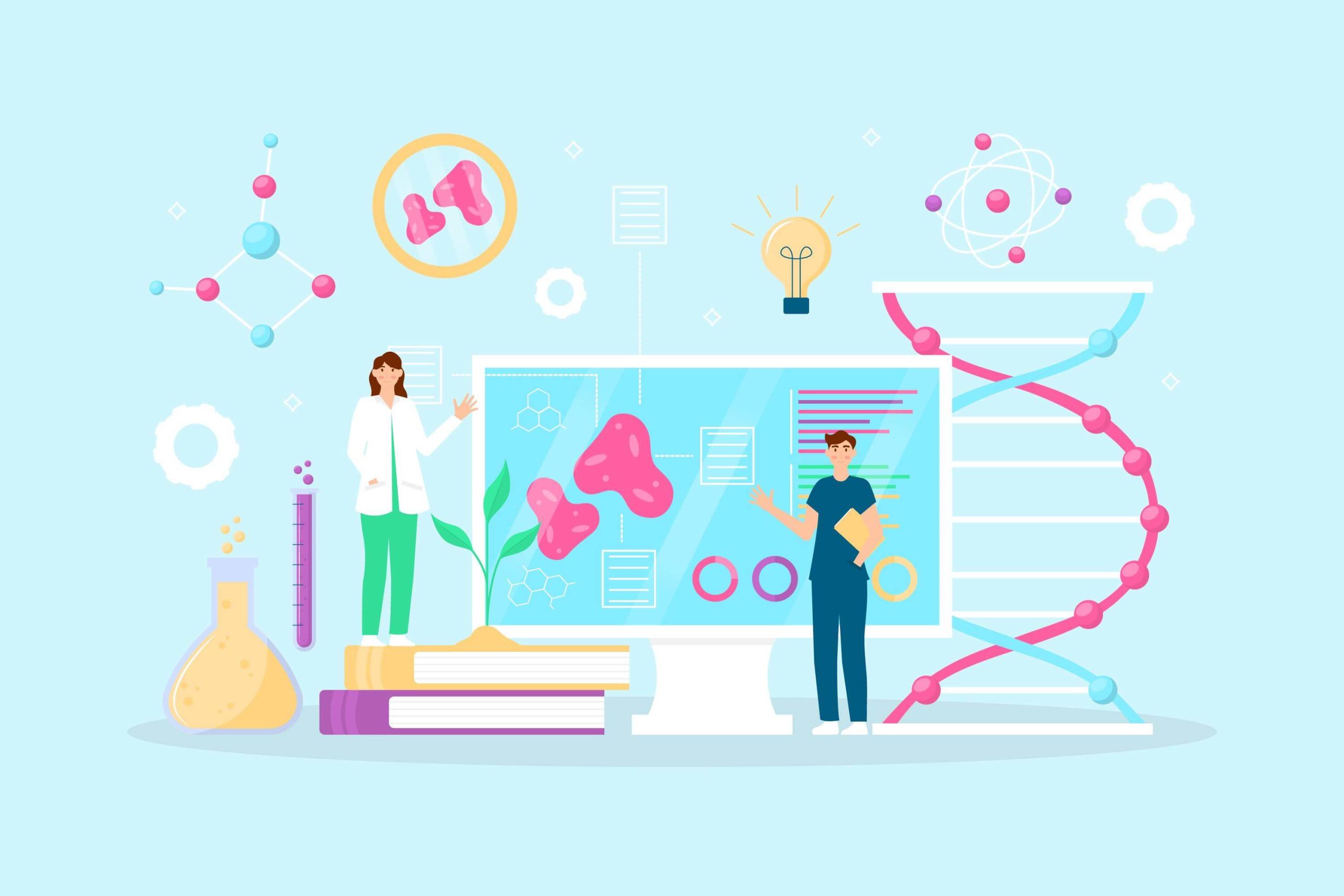
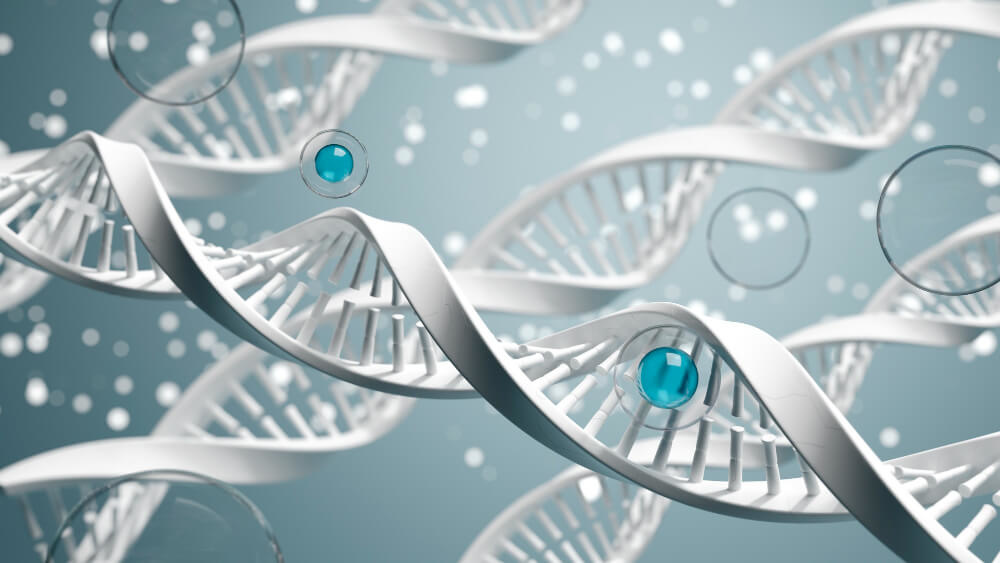
To appreciate genetic testing, it helps to understand the fundamentals of what is being tested. Your DNA, or deoxyribonucleic acid, is a long molecule shaped like a twisted ladder, often called a double helix. This molecule contains four chemical bases: adenine (A), guanine (G), cytosine (C), and thymine (T). The specific sequence of these bases forms the instructions for building and maintaining your body.
These instructions are organized into segments called genes. You have about 20,000 genes, and each one has a specific job, like instructing your body how to produce a protein that determines your hair texture or metabolizes your food. Genes are the fundamental units of heredity, passed down from your parents.
Genes themselves are packaged into structures called chromosomes, which reside in the nucleus of each cell. Humans typically have 23 pairs of chromosomes, for a total of 46. You inherit one set of 23 from your mother and the other set of 23 from your father, which is why you share traits with both of your parents.
The complete set of your DNA is called your genome. The Human Genome Project, a monumental international research effort, successfully mapped the entire human genome for the first time in 2003. This achievement laid the groundwork for the explosion in genetic research and testing we see today, allowing scientists and doctors to pinpoint specific genetic variations associated with different traits and conditions.

What Are the Different Types of DNA Tests Available?
Not all DNA tests are the same. They vary widely in their purpose, the technology they use, and the type of information they provide. The test you choose depends entirely on what you want to learn. The main categories are ancestry testing, health and wellness testing, and pharmacogenomic testing.

How Do Ancestry Tests Work?
This is often the gateway into the world of genetic testing for many people. These direct-to-consumer tests analyze your DNA to uncover information about your ethnic background and help you find relatives you never knew you had. They primarily use three types of DNA for this purpose.
Autosomal DNA testing is the most common. It examines the 22 pairs of chromosomes you inherited from both parents, providing a broad overview of your ethnic mix from recent generations. This is the test most people use to get their ethnicity percentages and connect with relatives on both sides of their family tree. Companies like AncestryDNA have built massive databases that allow users to find genetic matches and build out their family histories.
Y-DNA testing focuses exclusively on the Y chromosome, which is passed down from father to son. Because it changes very little over generations, it can be used to trace a direct paternal lineage far back in time. Only biological males can take this test.
Conversely, mitochondrial DNA (mtDNA) testing looks at the DNA found in mitochondria, which is passed down from a mother to all her children. This test allows both males and females to trace their direct maternal lineage deep into the past.

What Can Health and Wellness DNA Tests Reveal?
Beyond tracing your roots, DNA testing can offer valuable insights into your health. These tests look for specific genetic variants that may be associated with your risk for certain health conditions or influence your wellness traits. It’s crucial to understand that these tests show predispositions, not certainties.
Carrier screening can tell you if you carry a genetic variant for a specific inherited condition, like cystic fibrosis or sickle cell anemia. While you may not have the condition yourself, you could pass the gene variant to your children. This information is often used by couples planning to start a family.
Predictive and presymptomatic testing looks for genetic mutations that increase your risk of developing a condition later in life, such as certain types of cancer or heart disease. Discovering a higher genetic risk can empower you and your doctor to create a proactive screening and prevention plan.
Wellness tests focus on non-medical traits. They might offer reports on how your genes could influence your sleep patterns, your body’s response to different types of exercise, your ability to metabolize caffeine, or your likelihood of having certain nutritional deficiencies. This information can be used to fine-tune your diet and lifestyle for optimal well-being.

What is Pharmacogenomic (PGx) Testing?
One of the most exciting and practical applications of genetic testing in medicine is pharmacogenomics, or PGx. This field studies how your unique genetic makeup affects your response to different medications. The same drug and dosage can work perfectly for one person, cause harmful side effects in another, and have no effect at all on a third.
The reason for this variability often lies in our genes, specifically those that code for enzymes responsible for metabolizing drugs. A PGx test can identify variants that affect how quickly or slowly your body processes a particular medication. This knowledge helps doctors select the right drug and the most effective dose from the start, minimizing trial-and-error and reducing the risk of adverse reactions. As personalized medicine becomes more mainstream, understanding how to integrate pharmacogenomics into a practice is becoming a critical skill for forward-thinking clinicians.

How is a DNA Test Performed?
The process for most direct-to-consumer DNA tests is remarkably simple and non-invasive. It typically begins with ordering a collection kit online from the testing company of your choice. The kit arrives at your home with detailed instructions.
Inside the kit, you will find a collection tool, which is usually a small plastic tube for a saliva sample or a cheek swab that looks like a long cotton bud. You simply spit into the tube up to a fill line or rub the swab firmly against the inside of your cheek for about a minute. This collects thousands of your cells, which contain your DNA.
After collecting the sample, you seal it in the provided packaging, register your kit’s unique barcode online, and mail it back to the company’s laboratory in a prepaid envelope. Once at the lab, the real science begins. Technicians extract your DNA from the cells in your sample.
From there, the lab uses a process called genotyping. They use a special chip that can identify hundreds of thousands of specific genetic variations, known as single nucleotide polymorphisms (SNPs), at different points across your genome. The specific pattern of your SNPs is then analyzed by a computer algorithm to generate your personalized ancestry and health reports.
How Do I Choose the Right DNA Test for Me?
With so many options on the market, selecting the right DNA test can feel overwhelming. The best choice depends on your personal goals, budget, and comfort level with sharing your genetic data. The first step is to clarify what you want to learn. Are you primarily interested in building your family tree, or are you seeking actionable health information?
If your goal is ancestry, look at the size of a company’s user database. A larger database increases your chances of finding genetic relatives. If health is your focus, examine the types of reports offered. Some tests provide extensive health risk and carrier status reports, while others concentrate on wellness and lifestyle traits.
It is also vital to distinguish between direct-to-consumer (DTC) tests and clinical-grade tests ordered by a healthcare provider. DTC tests are excellent for ancestry and general wellness insights, but for medical decision-making, a test ordered by a doctor is the standard. Clinical tests are often more comprehensive and are performed in labs with specific certifications for diagnostic purposes.
Finally, always read the company’s privacy policy. Understand how your data will be stored, who it might be shared with, and what control you have over your information. Reputable companies are transparent about their privacy practices and allow you to decide whether your data can be used for research.

What Are the More Advanced Forms of Genetic Analysis?
While the common SNP-based genotyping is powerful, it only looks at specific, pre-selected points in your DNA. For more complex medical questions, doctors may turn to more advanced and comprehensive methods of genetic analysis, such as sequencing. These methods read nearly every single letter of your genetic code.

When is Whole Exome or Genome Sequencing Necessary?
Whole Exome Sequencing (WES) focuses on the exome, which includes all the protein-coding regions of your genes. Although the exome makes up only about 1-2% of your total DNA, it contains the vast majority of known disease-causing mutations. WES is a powerful diagnostic tool for individuals with complex medical histories or rare genetic disorders that have been difficult to diagnose.
Whole Genome Sequencing (WGS) goes even further, mapping out your entire genetic code, including both the coding and non-coding regions. This provides the most complete picture of your DNA possible. Because of its comprehensive nature, it is an invaluable tool for medical research and can sometimes uncover answers that even WES might miss. Deciding when to order whole exome or whole genome sequencing is a clinical decision made by a specialist when they suspect a genetic cause for a patient’s condition that hasn’t been found through more targeted testing.

How Are Professional Organizations Involved in Genetic Testing?
As the field of genetics grows, professional organizations play a crucial role in establishing standards, guidelines, and best practices. These groups help ensure that genetic testing is performed accurately, results are interpreted correctly, and the information is used ethically and responsibly.
Groups like The American College of Medical Genetics and Genomics (ACMG) are composed of medical geneticists, laboratory specialists, and genetic counselors. They develop clinical guidelines for which genes should be analyzed for certain conditions and how to report findings. Their work helps bring consistency and quality control to the field, ensuring that both clinicians and patients can trust the results of genetic testing for medical purposes.

What Are the Benefits and Limitations of DNA Testing?
Genetic testing offers a wealth of potential benefits, but it’s equally important to be aware of its limitations and potential downsides. A balanced perspective is key to making the most of your genetic information.

What Are the Potential Benefits?
Knowledge is perhaps the greatest benefit. Understanding your genetic predispositions can empower you to take proactive steps toward managing your health. It can motivate positive lifestyle changes in diet, exercise, and preventative screenings that could make a real difference in your long-term well-being.
For ancestry, it can solve family mysteries and connect you with a broader sense of identity and community. In medicine, it can provide a definitive diagnosis for a long-standing ‘mystery’ illness or guide doctors to the safest and most effective medication for you, saving time, money, and discomfort.

What Are the Potential Risks and Limitations?
Privacy is a significant concern for many. While leading testing companies have robust security measures, data breaches are always a possibility. It is important to be comfortable with a company’s privacy policy before you test.
There is also the emotional impact to consider. Receiving unexpected or difficult news about your health risks or family connections can be stressful. It’s important to be prepared for any outcome. This is why genetic counseling is often recommended, especially for clinical testing.
Crucially, a genetic test is not a crystal ball. It reveals predispositions, not destiny. Having a genetic variant for a disease does not guarantee you will get it. Lifestyle, environment, and other factors play a huge role. The science is also constantly evolving, and our understanding of what certain genetic variants mean will continue to change over time.

How Should I Interpret My DNA Test Results?
Once your results are ready, you will typically access them through a secure online portal. The information can be dense, so take your time exploring it. For ancestry results, remember that ethnicity estimates are just that: estimates. Different companies use different reference populations and algorithms, so your percentages might vary slightly from one service to another.
For health results, context is everything. Your genes are just one piece of your overall health puzzle. They interact with your lifestyle choices, your environment, your diet, and other biological factors. A ‘high risk’ result is a call for a conversation, not a cause for panic.
If you receive any health information that concerns you, the single most important step is to discuss it with a healthcare professional, preferably one with knowledge of genetics, or a certified genetic counselor. They can help you understand the true implications of the results, separate hype from reality, and determine the appropriate next steps, such as further testing or changes to your healthcare plan. The vast amount of information from genetic testing requires careful and professional interpretation.

How is DNA Testing Shaping the Future of Medicine?
The rise of accessible DNA testing is a cornerstone of a major shift in healthcare towards a more personalized and proactive model. Instead of a one-size-fits-all approach, medicine is moving toward treatments and prevention strategies tailored to an individual’s unique genetic profile. This is the essence of precision medicine.
Leading medical institutions now routinely use genetic testing to diagnose rare diseases and guide cancer therapy. This trend is expanding into primary care, where genetic insights can inform everyday health management. This is particularly true in the field of longevity medicine, which focuses on extending human healthspan, not just lifespan.
By understanding an individual’s genetic blueprint, practitioners can create highly personalized strategies to mitigate age-related disease risks. This proactive approach, which combines genetic insights with advanced diagnostics and targeted interventions, is at the forefront of modern healthcare. For medical professionals, learning how to integrate longevity medicine into a medical practice represents a powerful way to offer patients a truly preventative and personalized path to healthy aging.
As the cost of sequencing continues to fall and our understanding of the genome deepens, genetic information will become an increasingly standard part of your medical record. It will help you and your doctor make better decisions together, unlocking a new era of healthcare that is more precise, more predictive, and more personal than ever before.
Frequently Asked Questions

How reliable is genetic data for determining my ideal diet and supplement plan?
Genetic data provides valuable insights into your body’s predispositions, not absolute certainties. It can effectively highlight how your unique genetic makeup may influence nutrient metabolism, food sensitivities, and responses to different types of exercise. Think of it as a highly personalized roadmap that can guide your choices, rather than a definitive diagnostic tool that provides all the answers.
Ultimately, your genes are just one piece of a much larger health puzzle. Environmental factors, current health status, and daily lifestyle choices play an equally, if not more, significant role in your overall well-being. Therefore, the recommendations derived from your DNA are most powerful when used to inform and personalize your approach, helping you make more strategic decisions for your health.

If my genes indicate a health risk, does that mean it’s guaranteed to happen?
No, a genetic predisposition for a health issue does not mean it is your destiny. It simply indicates that you may have a statistically higher-than-average likelihood of developing a certain condition or having a specific trait, such as difficulty processing vitamin D. Your genes can be thought of as "loading the gun," while your lifestyle and environment are what "pull the trigger."
This is precisely where the power of this information lies, as it allows you to be proactive rather than reactive. By understanding your genetic tendencies, you can make targeted lifestyle and dietary adjustments specifically designed to mitigate those risks. This knowledge empowers you to work with your body and make informed choices that support your long-term health goals.
Can I use my genetic report on my own, or should I consult a professional?
While a genetic report can offer fascinating insights on its own, interpreting the complex interplay between various genetic markers can be challenging without a trained eye. A raw report may present data without providing crucial context on how different genes interact or which findings should be prioritized. This can lead to confusion, anxiety, or misguided actions, such as taking incorrect supplement dosages.
For this reason, it is highly recommended to review your results with a qualified healthcare provider, such as a functional medicine practitioner or a nutritionist trained in genomics. They can translate the scientific data into a safe, practical, and effective action plan that is tailored to your complete health picture, including your lifestyle, lab results, and personal goals. This collaborative approach ensures you get the most benefit from your genetic information while avoiding potential risks.
Discover the most comprehensive functional medicine training, longevity training, and biohacking certification programs designed specifically for healthcare professionals, medics, and clinic owners who want to master regenerative medicine protocols and anti-aging therapies.