Hormone And Longevity Training
Optimize Your Hormones, Maximize Your Lifespan.
Hormones are the body’s master conductors; these chemical messengers orchestrate the symphony of life from our first breath to our last. As we age, however, this symphony can fall out of tune. The production of key hormones like testosterone, estrogen, thyroid, and DHEA naturally declines, a process known as endocrinological aging. For decades, this was accepted as an inevitable part of getting older, a harbinger of decreased energy, cognitive fog, frailty, and chronic disease. But a new paradigm is emerging in longevity medicine. We now understand that this hormonal decline is not just a symptom of aging; it is a primary driver of it. By proactively and intelligently optimizing our hormonal environment, we can do more than just treat symptoms. We can fundamentally influence the rate at which we age, extending not just our lifespan but, more importantly, our healthspan. This is the essence of hormone training for longevity, a sophisticated clinical discipline focused on restoring youthful signaling to preserve vitality and resilience for decades to come.
Advanced Hormone Optimization Training For Longevity
This elevated level of clinical training transcends the traditional model of simply replacing a deficient hormone to a “normal” lab range. It involves a sophisticated understanding of the entire endocrine web and its interaction with the aging process. This level of training equips clinicians to think beyond single-hormone deficiencies and instead focus on creating a state of systemic hormonal balance. It covers the nuances of different hormone delivery systems, from transdermal creams to subcutaneous pellets, and the art of physiological dosing. The goal is not to create unnaturally high levels but to restore the body’s youthful signaling pathways safely and effectively. This advanced education moves away from a reactive, disease-based approach and towards a proactive strategy aimed at preserving function, preventing age-related decline, and enhancing the overall quality of life.
Certification In Longevity Medicine And Hormone Therapy
In a rapidly evolving field like longevity medicine, certification provides a critical benchmark for both clinicians and patients. Achieving certification in longevity medicine and hormone therapy signifies that a practitioner has undergone rigorous, evidence-based training and has demonstrated a high level of competency in this specialized area. It signals a commitment to staying at the forefront of medical science and an understanding of the complex interplay between hormones, genetics, and aging. For patients, this certification provides confidence and trust, assuring them that their physician is practicing a legitimate, science-backed discipline and not merely experimenting with “anti-aging” fads. It differentiates a qualified expert from an untrained provider, ensuring that protocols are based on safety, efficacy, and a deep understanding of human physiology.

How To Integrate Hormone Protocols Into A Longevity Practice
The process of adding hormone-based protocols is a cornerstone of any serious longevity practice. The process begins with a comprehensive patient intake that goes far beyond a standard physical. It includes a deep dive into symptoms, lifestyle, and personal health goals. This is followed by advanced diagnostic testing, including detailed blood panels and often urine metabolite tests, to get a complete picture of the patient’s hormonal status. Based on these results, a personalized protocol is developed. This is not a one-size-fits-all approach. It is a highly individualized plan that considers the patient’s unique physiology, genetics, and risk factors. The integration is an ongoing partnership, involving regular follow-up testing and consultations to fine-tune dosages, monitor progress, and adjust the strategy as the patient’s body responds and their health improves.
Clinical Training On The Endocrine System And Aging
A deep, clinical understanding of how the endocrine system ages is fundamental. Training in this area focuses on the gradual dysregulation of the body’s key hormonal axes. For example, clinicians learn about somatopause, the age-related decline in growth hormone, and its impact on body composition and cellular repair. They study the HPA (hypothalamic-pituitary-adrenal) axis and how chronic stress can lead to adrenal dysfunction and an altered rhythm of the body’s primary stress hormone, accelerating aging. The training also covers the decline of the gonadal axis leading to andropause in men and menopause in women. Crucially, it emphasizes that these are not isolated events. A well-trained clinician understands how the decline in one hormone can create a cascade effect, disrupting the entire endocrine network and contributing to a systemic decline in health.

Evidence Based Hormone Interventions For Extending Healthspan
The goal of hormone optimization is not just living longer but living better for longer, a concept known as extending healthspan. The interventions used in modern longevity medicine are rooted in a growing body of scientific evidence. For example, numerous studies support Menopausal Hormone Therapy (MHT) for its role in preserving bone density, reducing cardiovascular risk when started at the right time, and supporting cognitive function in women. Similarly, evidence shows that Testosterone Replacement Therapy (TRT) in men with low levels can significantly improve muscle mass, metabolic health, mood, and libido. The use of other hormones like DHEA and pregnenolone is also supported by evidence for their roles in immune function, stress resilience, and neurological health. This evidence-based approach ensures that interventions are chosen for their proven ability to combat specific aspects of age-related decline.
A Physicians Course On Trt And Mht For Longevity
A specialized course for physicians provides the advanced training needed to safely manage TRT and MHT within a longevity framework. Such a course goes far beyond basic prescribing guidelines. It delves into the pros and cons of different formulations like gels, injections, and pellets. It teaches advanced dosing strategies designed to mimic the body’s natural rhythms. A significant portion is dedicated to risk mitigation, including how to monitor key biomarkers like hematocrit, PSA in men, and estrogen metabolites in women. The curriculum emphasizes patient selection, ensuring that therapy is appropriate and safe for each individual. Ultimately, it trains physicians to use TRT and MHT not just to relieve symptoms but as strategic tools to promote long-term cardiovascular, metabolic, and cognitive health.
Thyroid And Adrenal Optimization In The Context Of Aging
Thyroid and adrenal health are pillars of vitality, yet they are often overlooked or inadequately assessed in conventional medicine. In a longevity context, optimization goes beyond looking at a single TSH value. It involves a comprehensive thyroid panel including Free T3, Free T4, and Reverse T3 to understand how the body is actually converting and utilizing thyroid hormone. Subclinical hypothyroidism is common with age and can rob individuals of their energy and metabolic fire. Similarly, adrenal optimization is not about diagnosing extreme conditions like Addison’s or Cushing’s disease. It is about assessing the rhythm of cortisol production throughout the day and the levels of DHEA. An imbalanced cortisol curve can drive inflammation and disrupt sleep, while low DHEA is linked to reduced resilience and vitality. Properly fine-tuning both thyroid and adrenal function can have a profound impact on a patient’s energy levels and ability to cope with stress.
Interpreting Dutch And Other Advanced Hormone Panels For Longevity
Standard blood tests for hormones provide a snapshot in time, but they don’t tell the whole story. This is why advanced panels like the DUTCH (Dried Urine Test for Comprehensive Hormones) test are invaluable in a longevity practice. The DUTCH test measures not only hormone levels but also their metabolites. This allows a clinician to see how the body is breaking down hormones like estrogen and testosterone. For example, it can reveal if a patient is metabolizing estrogen down a pathway associated with higher cancer risk, allowing for targeted nutritional or supplemental interventions to correct it. It also provides insights into cortisol production patterns and melatonin levels. Learning to extract clinically actionable data from these complex reports is a specialized skill that enables a much higher degree of personalization and safety in hormone therapy.
The Role Of Hormones In Modulating The Hallmarks Of Aging
The Hallmarks of Aging are the fundamental cellular and molecular processes that drive aging. Hormones are not separate from these processes; they act as powerful modulators of these fundamental processes. For instance, declining sex hormones like testosterone and estrogen contribute to the hallmark of “loss of proteostasis,” making it harder for the body to maintain healthy proteins and leading to muscle loss (sarcopenia). The insulin-like growth factor 1 (IGF-1) pathway, heavily influenced by growth hormone, is a key regulator of “deregulated nutrient sensing.” Estrogen has a known role in maintaining “genomic stability,” and its decline can leave DNA more vulnerable to damage. By optimizing hormones, clinicians are intervening directly at the level of these hallmarks, helping to slow down the aging process at its very foundation.
Curriculum For A Fellowship In Hormone And Longevity Medicine
A formal fellowship represents the pinnacle of training in this field, and its comprehensive curriculum is structured to create true experts. Key modules would include:
- Advanced Endocrinology of Aging: A deep dive into the molecular mechanisms of hormonal decline.
- Pharmacology of Bioidentical Hormones: Detailed study of dosing, delivery systems, and metabolism.
- Advanced Diagnostics and Interpretation: Mastery of complex lab panels like DUTCH, organic acids testing, and genomic analysis.
- Nutraceutical and Lifestyle Integration: Understanding how to use diet, supplements, and lifestyle to support hormonal health.
- Clinical Case Management: Reviewing complex patient cases to develop troubleshooting skills.
- The Business of Longevity Medicine: Practical training on practice management, marketing, and legal compliance.
This type of immersive fellowship ensures that graduating clinicians are prepared for all facets of running a successful and effective longevity practice.
Protocols For Using Growth Hormone Secretagogues
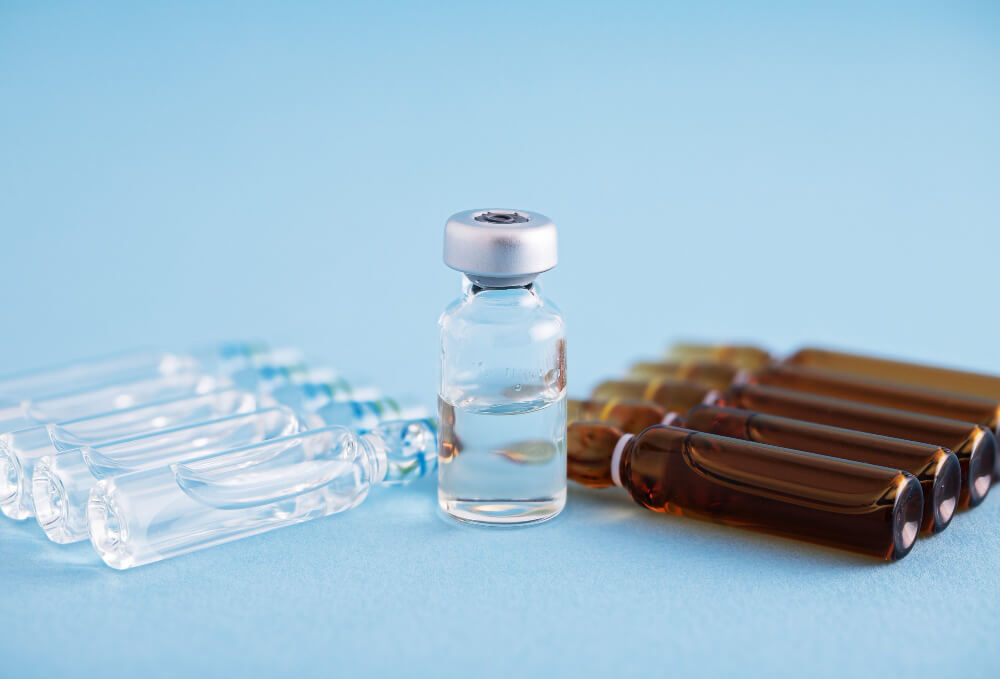
While direct replacement with recombinant human growth hormone (HGH) can be effective, it also carries risks and can be costly. A more subtle and often safer approach involves using peptides to stimulate the body’s own GH production. These are compounds, such as Sermorelin, CJC-1295, and Ipamorelin, that stimulate the pituitary gland to produce and release its own growth hormone. This method preserves the body’s natural feedback loops, reducing the risk of overdose and side effects. Protocols for secretagogues are typically administered via small subcutaneous injections at night to mimic the body’s natural GH pulse. The primary goal is not to achieve supraphysiological levels but to restore IGF-1 levels to a youthful, optimal range, thereby supporting lean muscle mass, improving recovery, and enhancing skin quality.
How To Balance Hormones To Improve Cellular Health
The ultimate goal of hormone balance is to foster a healthy internal environment at the cellular level. Optimized hormones directly impact cellular health in multiple ways. For example, adequate testosterone and estrogen, often supported by the adaptive response to exercise, help maintain mitochondrial density and function, which are crucial for cellular energy production. Balanced hormones also help regulate the body’s inflammatory response, preventing the chronic, low-grade inflammation that damages cells over time. Furthermore, certain hormonal signals can influence autophagy, the body’s cellular cleanup process that removes damaged components. By restoring a youthful hormonal milieu, we are providing cells with the right signals to repair themselves, produce energy efficiently, and resist the stressors that lead to cellular aging.
Building A Patient Care Plan Around Hormonal Longevity
A successful patient care plan in hormonal longevity is a collaborative, long-term journey. It starts with establishing a strong therapeutic alliance built on education and shared goals. The initial phase involves extensive data collection, including a detailed history, symptom questionnaires, and advanced lab testing. The first care plan is then developed, outlining the initial hormone protocol, targeted nutritional supplements, and specific lifestyle recommendations. This is not a static plan; it is a dynamic