NAD Training
Master NAD Training: Unlock Cellular Energy and Longevity.
As a clinician navigating the rapidly evolving landscape of wellness and longevity medicine, you are witnessing a paradigm shift. The focus is moving beyond treating symptoms to optimizing health at its most fundamental level, the cell. At the heart of this cellular revolution is Nicotinamide Adenine Dinucleotide (NAD), a coenzyme essential for life itself. This powerful molecule is not just a supplement. It is a critical component of metabolic function, DNA repair, and the regulation of aging processes. Understanding how to harness its potential through advanced training is no longer a niche interest but a clinical imperative. Mastering NAD therapy allows you to offer transformative treatments that can revitalize cellular energy, enhance cognitive function, and tap into the ongoing scientific search for a true ‘longevity pill’ for your patients. This guide provides the comprehensive knowledge base you need to become a leader in this exciting field.

Nad Iv Therapy Certification For Clinicians
Obtaining a formal NAD IV therapy certification is the foundational step for any clinician seeking to integrate this powerful modality into their practice. Certification moves beyond basic knowledge, providing a structured, evidence-based framework for safe and effective administration. A high-quality certification program ensures you are not just learning a procedure but mastering a complex biochemical intervention, one built upon a deep scientific understanding of NAD+. It validates your expertise to patients, builds trust, and significantly reduces clinical and liability risks.
These comprehensive training courses are designed specifically for medical professionals, including physicians, nurse practitioners, and physician assistants. The curriculum typically covers the deep science of NAD metabolism, clinical pharmacology, and the mechanisms behind its therapeutic effects. More importantly, it provides hands-on protocols, dosing strategies for various conditions, and critical guidance on managing patient expectations and potential side effects. Choosing a program that covers these essential topics equips you with the confidence and competence to deliver superior patient outcomes and establish your practice as a center of excellence in cellular medicine.
How To Administer Intravenous Nad Safely
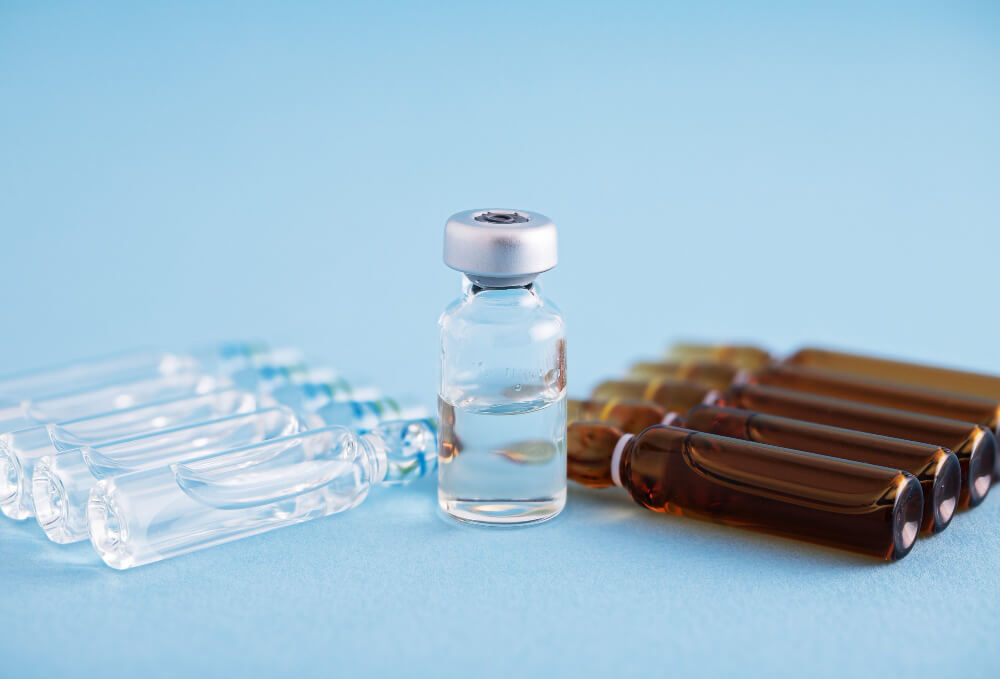
Adhering to a meticulous, patient-centered protocol is paramount for the safe administration of intravenous NAD and hinges on a thorough, individualized approach. The process begins with a comprehensive patient evaluation, including a detailed medical history and baseline assessment, to identify any potential contraindications. Once a patient is cleared for therapy, the primary rule of NAD infusion is to “start low and go slow.” The infusion rate is the single most important variable to control for patient comfort and safety. Rapid administration can overwhelm cellular uptake mechanisms, leading to uncomfortable but temporary side effects like chest pressure, flushing, and mild nausea.
A typical starting infusion rate might be 250mg of NAD+ diluted in 500mL of normal saline, administered over a period of two to four hours. Throughout the infusion, continuous monitoring by trained medical staff is essential. Clinicians should check in with the patient regularly, assessing their comfort and adjusting the drip rate as needed. If side effects occur, the infusion should be slowed down or temporarily paused until the symptoms subside. This careful, responsive management ensures the therapeutic benefits of NAD are delivered without causing undue stress or discomfort, fostering a positive patient experience.
Clinical Protocols For Nad Infusions
Effective NAD therapy relies on developing customized NAD treatment plans that are tailored to the patient’s unique health goals and conditions. There is no one-size-fits-all approach. Protocols are generally differentiated by dosage, infusion frequency, and duration. For general wellness, anti-aging, and athletic performance enhancement, a lower-dose protocol might be employed. This often involves infusions of 250mg to 500mg administered over a few sessions and followed by periodic maintenance infusions every four to eight weeks.
For more challenging therapeutic targets, such as addiction recovery or significant neurocognitive support, more intensive protocols are required. An addiction detox protocol, for example, may involve daily high-dose infusions of 1000mg to 1500mg for 7 to 14 consecutive days. This “loading” phase aims to rapidly replenish depleted NAD levels and support the brain’s healing process. Similarly, protocols for neurodegenerative conditions or severe chronic fatigue may involve a series of front-loaded infusions followed by a structured maintenance plan. Developing these protocols requires a deep understanding of the patient’s condition and the dose-dependent effects of NAD.

Evidence For Nad Therapy In Clinical Practice
A review of the promising data from preclinical and human studies shows that support for NAD therapy is rapidly growing, transitioning from promising animal models to compelling clinical observations. In animal models, NAD repletion has consistently demonstrated remarkable effects on lifespan, healthspan, and the mitigation of age-related diseases. These studies have laid a strong scientific foundation, showing that restoring NAD levels can improve mitochondrial function, reduce inflammation, and enhance DNA repair.
In human clinical practice, the evidence is most robust in the area of addiction medicine. For decades, clinics have used IV NAD to help manage withdrawal symptoms from alcohol and opioids, with countless anecdotal reports and observational studies showing reduced cravings and a smoother detoxification process. More recent research is exploring its use in other areas. Small-scale human trials and clinical reports suggest benefits for conditions like chronic fatigue syndrome, “brain fog” following viral illnesses, and early-stage neurodegenerative diseases like Parkinson’s. While more large-scale, placebo-controlled trials are needed to meet the highest standards of evidence-based medicine, the existing clinical data and strong safety profile support its use by trained clinicians.
Training On Nad Precursors Nicotinamide Riboside Nr Vs Nicotinamide Mononucleotide Nmn
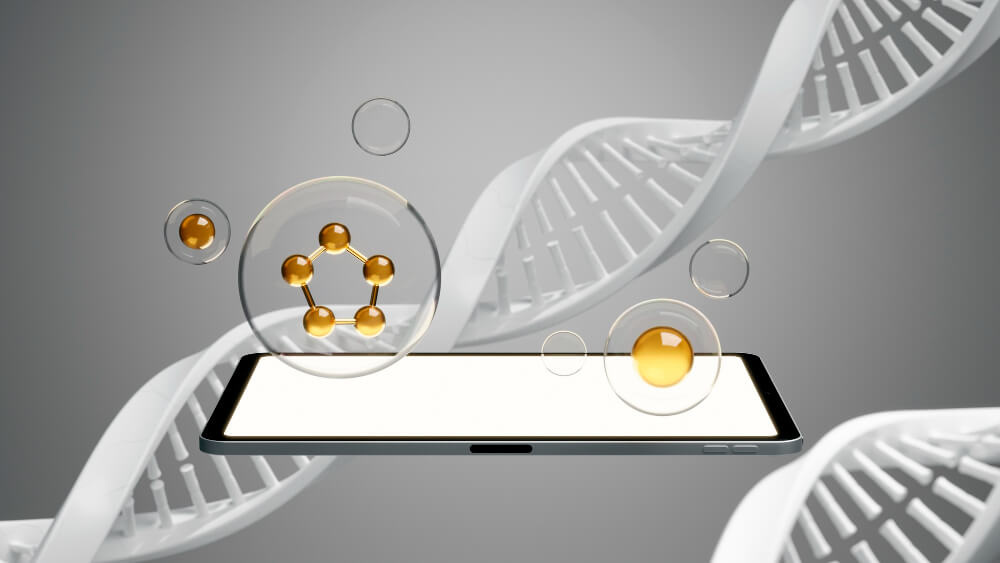
A crucial component of any comprehensive NAD training involves understanding the key differences between oral NAD precursors, primarily Nicotinamide Riboside (NR) and Nicotinamide Mononucleotide (NMN). While IV NAD+ provides direct, 100% bioavailability, oral precursors offer a convenient and effective way for patients to maintain their NAD levels between infusions or as a standalone strategy. Clinicians must be able to explain the differences and guide patients toward the most appropriate choice for their needs.
NR and NMN are both precursors that the body converts into NAD+. For a long time, the prevailing theory was that NR enters cells and is then converted to NMN, which is subsequently converted to NAD+. However, an evolving body of research has identified specific transporters that may allow NMN to enter some cells directly. The debate over which precursor is superior is ongoing and complex. Clinical training should cover the key human studies for both molecules, discuss typical dosages (e.g., 300-1000mg daily), and review their safety profiles. Understanding both NR and NMN allows clinicians to create a multi-faceted NAD repletion strategy for their patients.
The Science Of Sirtuins And Parps For Doctors
For doctors to truly master NAD therapy, they must understand how it affects two critical families of proteins: sirtuins and Poly (ADP-ribose) polymerases (PARPs). NAD+ is not just a coenzyme for metabolism. It is a vital substrate that these proteins consume to carry out their functions. A deep dive into this science is essential for appreciating the profound impact of NAD repletion.
Sirtuins are often called “longevity genes.” This family of seven proteins regulates a vast array of cellular processes, including gene expression, DNA repair, inflammation, and metabolic efficiency. Sirtuins require NAD+ as fuel to function. As NAD+ levels decline with age, sirtuin activity decreases, contributing to the aging process. By replenishing NAD+, we effectively “turn on” these protective sirtuins. On the other hand, PARPs are the cell’s emergency first responders. When DNA damage occurs, PARP enzymes are activated to signal and coordinate repairs. This process consumes massive amounts of NAD+. In states of chronic stress or damage, PARP over-activation can severely deplete cellular NAD+, leaving little for other essential functions like energy production. Understanding this dynamic interplay between NAD+, sirtuins, and PARPs provides a clear rationale for NAD therapy as a tool to support cellular resilience and health.

How To Start An Nad Iv Clinic
Building a successful practice from the ground up requires a strategic blend of clinical expertise and business acumen. The first step is to create a solid business plan that outlines your vision, target demographic, services offered, and financial projections. This plan will be your roadmap for securing funding, whether through loans or private investors, and for making key operational decisions. Location is critical. You’ll need a professional medical space that is compliant with all local and state health regulations for administering intravenous therapies.
Next, you must address the legal and corporate structure of your business, which may involve forming an LLC or corporation and consulting with a healthcare attorney. Staffing is another crucial element. You will need to hire qualified medical professionals, such as registered nurses or nurse practitioners, who are trained and certified in IV therapy. Finally, you must source your supplies from reputable compounding pharmacies and establish relationships with vendors for medical equipment. Building a successful NAD clinic is about creating a safe, professional, and effective environment where patients can achieve their health goals.

Dosing Guidelines For Oral Nad Supplements
While IV therapy offers a powerful clinical tool, guiding patients on oral NAD supplementation is a vital part of a comprehensive longevity practice. Oral supplements, primarily in the form of precursors like NR and NMN, provide a practical method for daily NAD+ support. Clinicians should be well-versed in the current literature to provide evidence-based guidance on appropriate daily intake.
For general health maintenance and anti-aging purposes, a typical daily dose of NR or NMN ranges from 250mg to 500mg. Some protocols, particularly those aimed at addressing more significant age-related decline or supporting specific health challenges, may recommend doses up to 1000mg per day. It is generally advised to start with a lower dose and titrate up as tolerated to assess individual response. It’s also important to counsel patients on the quality of supplements, as the market is largely unregulated. Recommending third-party tested, reputable brands ensures patients are getting a pure and accurately dosed product.
Nad Therapy For Neurodegenerative Conditions A Clinical Review
Exploring the potential of NAD therapy to support patients with neurodegenerative conditions represents one of the most exciting frontiers in cellular medicine. Diseases like Parkinson’s, Alzheimer’s, and other forms of dementia are characterized by mitochondrial dysfunction, increased oxidative stress, and neuronal cell death, all processes intrinsically linked to NAD+ depletion. By replenishing NAD+ levels, we may be able to support neuronal health and slow disease progression.
Clinical application in this area is still emerging but shows significant promise. The rationale is that boosting NAD+ can enhance energy production in struggling neurons, activate sirtuins to reduce neuroinflammation, and support DNA repair mechanisms to maintain neuronal integrity. Protocols for these conditions often involve an initial series of higher-dose IV NAD+ infusions to rapidly saturate the system, followed by a maintenance plan that may include periodic IVs and daily oral precursor supplementation. While not a cure, NAD therapy can be a powerful adjunctive treatment to improve quality of life, enhance cognitive function, and potentially modify the course of the disease.
The Role Of Nad In Mitochondrial Function And Health
Mitochondria are the powerhouses of our cells, responsible for generating the vast majority of our body’s energy in the form of ATP. NAD+ is absolutely central to this process. It acts as a crucial electron carrier in the electron transport chain, the final and most productive stage of cellular respiration. Without sufficient NAD+, this energy-generating engine sputters and fails, leading to mitochondrial dysfunction.
Mitochondrial dysfunction is a hallmark of aging and is implicated in nearly every chronic disease, from metabolic syndrome to cardiovascular disease and neurodegeneration. As we age, NAD+ levels naturally decline, impairing mitochondrial efficiency. This creates a vicious cycle. Dysfunctional mitochondria produce less ATP and more damaging reactive oxygen species, which in turn causes more cellular damage and further depletes NAD+. Replenishing NAD+ levels directly supports the function of our cellular powerhouses, helping to restore energy production, reduce oxidative stress, and promote a process called mitophagy, where the cell recycles old, damaged mitochondria to make way for new, healthy ones.
Billing And Coding For Iv Nutritional Therapies
Navigating the complexities of billing for nutritional IVs is a critical operational aspect of offering therapies like NAD. It is important for clinicians to understand that most elective IV therapies are not covered by health insurance. Patients should be clearly informed upfront that these are typically self-pay services. This t