Unlock Your Potential: A Guide to Hormone Training for Optimal Health
Have you ever felt like you are doing everything right but still not seeing the results you want? You eat clean, you exercise, yet you feel tired, struggle with stubborn weight, or find your mood is all over the place. The missing piece of your health puzzle might not be about trying harder, but about working smarter with your body’s internal chemistry.
This is where the concept of hormone training comes into play. It is not a specific workout plan or a fad diet. Instead, it is a comprehensive and strategic approach to your lifestyle, exercise, and nutrition designed to optimize your body’s powerful chemical messengers: your hormones. By understanding how your daily choices influence these signals, you can unlock a new level of vitality and well-being.
Mastering this internal communication system is the key to everything from building muscle and losing fat to improving your energy and mental clarity. True health optimization begins with a deep understanding of the principles behind Hormone training, allowing you to tailor your efforts for maximum impact. This guide will explore how you can start using these strategies to take back control of your health.
What Exactly Are Hormones?
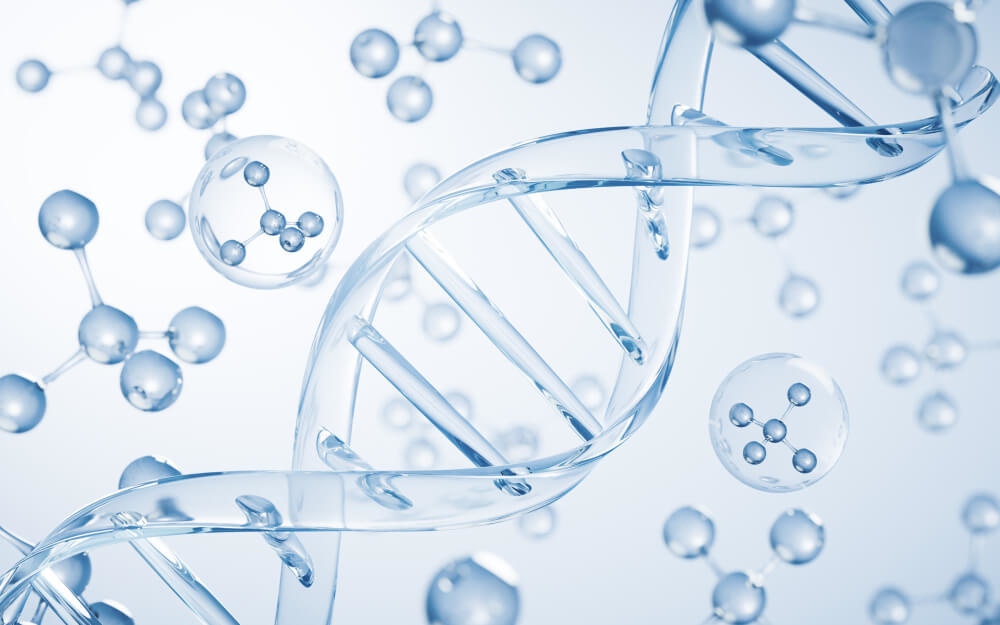
Think of hormones as the body’s internal postal service. They are chemical messengers produced by the endocrine system, a network of glands that includes the thyroid, adrenals, pituitary, and reproductive organs. These glands release hormones into the bloodstream, which then travel to various tissues and organs, delivering specific instructions.
These instructions are incredibly diverse and vital for life. Hormones regulate your metabolism, determining how your body uses energy. They control your sleep-wake cycles, influence your mood and cognitive function, manage your stress response, and govern your growth and reproductive systems.
Every single moment, a complex symphony of hormones is playing in the background, dictating how you feel, look, and perform. When this symphony is in tune, you feel fantastic. But when a few key instruments are out of sync, the entire performance can falter, leading to noticeable health issues.

Why Does Hormonal Balance Matter So Much?
Hormonal balance, or homeostasis, is the state where all your hormonal signals are being produced and received correctly. This balance is crucial for optimal health. When hormones become imbalanced, even slightly, it can create a cascade of negative effects throughout the body.
Common signs of hormonal imbalance include persistent fatigue that sleep does not seem to fix, unexplained weight gain especially around the midsection, and frustrating mood swings or increased anxiety. You might also experience poor sleep quality, a diminished sex drive, brain fog, or skin problems like acne.
Our modern lifestyle is a primary culprit in disrupting this delicate balance. Chronic stress, a diet high in processed foods and sugar, insufficient sleep, and a sedentary lifestyle all send distress signals to our endocrine system. This forces it to work overtime, leading to burnout and imbalance. Addressing your hormones is not just about aging gracefully; it is about living vibrantly at every age.
How Can Exercise Influence Your Hormones?
Exercise is one of the most powerful tools you have for positively influencing your hormonal profile. Physical activity is not just about burning calories; it is a direct conversation with your endocrine system. Different types of exercise send different signals, prompting the release or regulation of specific hormones that can profoundly impact your body composition and overall health.
When you engage in physical activity, your body responds by adjusting its hormonal output to meet the demands of the movement. This can lead to short-term spikes that are beneficial for growth and repair, as well as long-term adaptations that improve your baseline hormonal environment. Understanding how does exercise affect your hormones is the first step toward creating a workout plan that truly works for you.
By being strategic with your training, you can encourage the production of beneficial hormones like testosterone and growth hormone while helping to manage potentially harmful ones like excess cortisol. The key is to find the right type, intensity, and frequency of exercise to promote balance rather than create more stress. Ultimately, the connection between exercise and hormones is a cornerstone of effective, long-term health management.
Can Strength Training Boost Testosterone and Growth Hormone?
Yes, absolutely. Testosterone and human growth hormone (HGH) are two of the most important anabolic hormones, meaning they are responsible for building and repairing tissues. They are critical for maintaining lean muscle mass, bone density, and a healthy metabolism, and they contribute significantly to energy levels and vitality in both men and women.
Intense resistance training is a potent stimulus for the release of both testosterone and HGH. When you lift heavy weights using large, compound movements like squats, deadlifts, bench presses, and overhead presses, you create microscopic tears in your muscle fibers. The hormonal response is the body’s way of initiating the repair and growth process, making the muscles stronger and more resilient.
To maximize this effect, focus on workouts that involve multiple large muscle groups, use challenging weights that you can lift for 6 to 12 repetitions, and keep rest periods relatively short, around 60 to 90 seconds. This style of training creates the metabolic stress necessary to signal a robust hormonal release. For those seeking to build a strong, lean physique, a well-structured resistance training program is a non-negotiable part of a successful strategy, as detailed in many expert guides like the hormone handbook.

What Is the Relationship Between Cardio and Cortisol?
Cortisol is widely known as the ‘stress hormone’. Produced by the adrenal glands, its primary role is to help your body respond to stressful situations by increasing blood sugar for quick energy and heightening your focus. This is essential for short-term survival. However, in our chronically stressed world, cortisol levels can remain elevated for long periods, leading to negative consequences like fat storage, muscle breakdown, and impaired immune function.
Cardiovascular exercise has a complex relationship with cortisol. Moderate-intensity cardio, like a brisk walk, a light jog, or cycling, can be an excellent way to manage stress and lower resting cortisol levels over time. It helps burn off the nervous energy associated with stress and promotes a sense of well-being.
Conversely, very long or high-intensity endurance exercise, like running a marathon or engaging in daily hour-long HIIT sessions without adequate recovery, can significantly increase cortisol production. While some acute elevation is normal, chronic over-training can push cortisol into a permanently high state, undermining your health goals. The key is balance: incorporate moderate cardio for its stress-reducing benefits, but be mindful not to overdo it.

How Does Exercise Improve Insulin Sensitivity?
Insulin is a hormone produced by the pancreas that plays a central role in energy metabolism. Its job is to shuttle glucose from your bloodstream into your cells, where it can be used for energy or stored for later use. Insulin sensitivity refers to how responsive your cells are to insulin’s signals.
When you have high insulin sensitivity, your body needs to release only a small amount of insulin to clear sugar from the blood effectively. Poor insulin sensitivity, or insulin resistance, means your cells do not respond well, forcing the pancreas to pump out more and more insulin. This condition is a precursor to metabolic syndrome and type 2 diabetes and makes it very difficult to lose fat.
Exercise is one of the most effective ways to improve insulin sensitivity. During physical activity, your muscles can take up glucose from the blood without needing much insulin at all. Furthermore, regular exercise makes your cells more sensitive to insulin in the long term. Both strength training, which increases muscle mass, and cardiovascular exercise, which depletes muscle glycogen, are incredibly beneficial. The physiological mechanisms behind this are well-documented, with deep scientific research showing how muscle contractions directly enhance glucose uptake.

Can Your Workout Affect Your ‘Feel-Good’ Hormones?
Your workout has a profound impact on your mood, largely thanks to its effect on neurotransmitters and hormones that regulate how you feel. The most well-known of these are endorphins, which are the body’s natural painkillers. They are released during strenuous exercise and are responsible for the feeling of euphoria often called the ‘runner’s high’.
Beyond endorphins, exercise also influences dopamine and serotonin. Dopamine is linked to the brain’s reward and pleasure centers, and its release during enjoyable physical activity can boost motivation and focus. Serotonin plays a crucial role in mood, sleep, and appetite regulation. Regular exercise has been shown to increase serotonin levels, which can help combat feelings of sadness and anxiety.
This is why exercise is so often recommended as a complementary strategy for managing mental health conditions. By consistently engaging in physical activity you enjoy, you are not just training your body; you are training your brain to create a more positive and resilient hormonal and neurochemical environment. This can lead to improved mood, reduced stress, and a greater sense of overall well-being.

Is Diet a Major Part of Hormone Training?
While exercise is a powerful hormonal lever, it is only one part of the equation. Your diet provides the raw materials your body needs to produce hormones and function correctly. You cannot out-train a poor diet, especially when your goal is hormonal balance. Nutrition and exercise work in synergy to create the optimal internal environment for health.
Everything you eat sends a signal to your body. Nutrient-dense, whole foods provide the building blocks for a healthy endocrine system, while processed, sugary, and inflammatory foods can disrupt hormonal communication pathways. A diet designed for hormonal health is not about severe restriction but about providing your body with the right balance of macronutrients and micronutrients.
Think of your diet as the fuel and the building materials for your body’s hormonal factory. Without the right supplies, production slows down, quality suffers, and the entire system becomes inefficient. Therefore, paying close attention to what you eat is just as important as how you move.

Which Macronutrients Are Key for Hormones?
All three macronutrients, proteins, fats, and carbohydrates, play distinct and essential roles in hormone production and regulation. Neglecting any one of them can lead to imbalances. A balanced approach is crucial.
Protein provides amino acids, which are the building blocks for peptide hormones like insulin and growth hormone. Adequate protein intake is also necessary for muscle repair after exercise and helps promote satiety, which can aid in weight management. Good sources include lean meats, fish, eggs, dairy, and legumes.
Dietary fat is perhaps the most critical macronutrient for hormonal health, as cholesterol and fatty acids are the direct precursors to all steroid hormones, including testosterone, estrogen, and cortisol. It is vital to consume enough healthy fats from sources like avocados, olive oil, nuts, and seeds. Low-fat diets can severely impair hormone production.
Carbohydrates also play a significant role. They help fuel your workouts and are important for the conversion of thyroid hormones. They can also help manage cortisol levels by replenishing glycogen stores after exercise. The key is to choose complex, high-fiber carbohydrates like vegetables, fruits, and whole grains over refined sugars and flours.

Are There Specific Micronutrients to Focus On?
Beyond the big three macronutrients, a variety of micronutrients, vitamins, and minerals act as essential cofactors in hormonal pathways. Deficiencies in these key nutrients can disrupt the entire endocrine system, even if your macronutrient intake is perfect.
Vitamin D, often called the ‘sunshine vitamin’, actually functions as a prohormone in the body and is essential for immune function and testosterone production. Many people are deficient, especially in colder climates.
Magnesium is involved in hundreds of enzymatic reactions, including those related to stress regulation and insulin sensitivity. It helps calm the nervous system and can improve sleep quality. Zinc is another crucial mineral, particularly for thyroid health and the production of testosterone.
B vitamins are also vital, as they play a key role in energy metabolism and help the body cope with stress. Ensuring your diet is rich in a wide variety of colorful fruits and vegetables, along with quality proteins and fats, is the best way to cover your micronutrient bases.

What About Sleep and Stress Management?
If exercise and diet are the first two pillars of hormone training, sleep and stress management are the equally important third and fourth pillars. You can have the perfect workout plan and diet, but if you are chronically stressed and sleep-deprived, your hormonal system will remain in a state of crisis.
Sleep is when your body performs most of its repair and recovery processes, including crucial hormonal regulation. Stress management, on the other hand, is all about controlling the output of cortisol and preventing your body from being stuck in a constant ‘fight or flight’ mode. Neglecting these two areas will sabotage your efforts in the gym and the kitchen.

How Does Poor Sleep Wreck Your Hormones?
Sleep deprivation is one of the fastest ways to throw your hormones into chaos. A single night of poor sleep can have a measurable negative impact. When you do not get enough quality sleep, your cortisol levels the next day are often higher, promoting stress and fat storage.
At the same time, lack of sleep suppresses the production of human growth hormone, which is released in its largest pulse during deep sleep. This impairs recovery and muscle growth. It also disrupts the hormones that regulate appetite: ghrelin, the ‘hunger’ hormone, increases, while leptin, the ‘satiety’ hormone, decreases. This is why you often feel ravenous and crave junk food after a poor night’s sleep.
Prioritizing 7 to 9 hours of quality sleep per night is non-negotiable for hormonal health. This means creating a relaxing bedtime routine, keeping your bedroom dark and cool, and avoiding screens before bed.
Why Is Managing Stress Non-Negotiable?
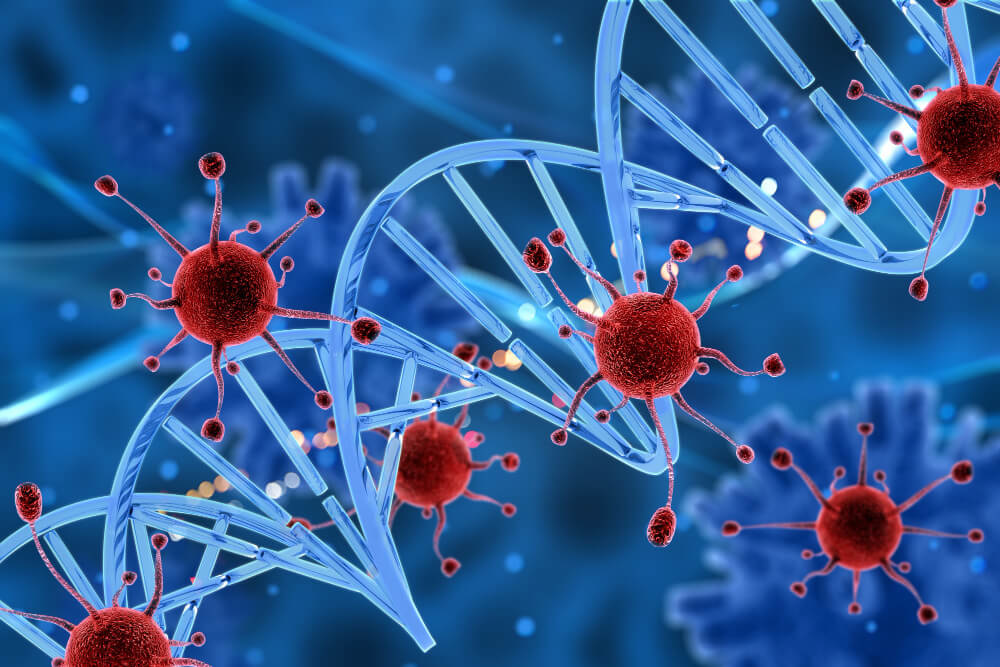
Chronic stress is the arch-nemesis of hormonal balance. When you are constantly stressed, your adrenal glands continuously pump out cortisol. While essential in the short term, chronically elevated cortisol wreaks havoc on the body. It promotes the breakdown of muscle tissue, encourages the storage of visceral belly fat, impairs immune function, and disrupts the balance of other hormones like testosterone and thyroid hormone.
This is why stress management must be an active practice, not an afterthought. Techniques like meditation, deep breathing exercises, yoga, and spending time in nature can help shift your nervous system from a sympathetic ‘fight or flight’ state to a parasympathetic ‘rest and digest’ state. This actively lowers cortisol and allows your body to recover.
Finding healthy ways to cope with life’s pressures is fundamental to hormone training. It protects your body from the corrosive effects of chronic stress and ensures that your hard work with diet and exercise can actually pay off.
How Can Healthcare Professionals Guide This Process?
While lifestyle modifications are the foundation of hormone training, there are times when professional guidance is necessary. If you suspect a significant hormonal imbalance or are not seeing progress despite your best efforts, consulting with a knowledgeable healthcare professional is a wise next step. They can order specific lab tests to get a clear picture of your hormonal status.
Practitioners trained in functional and longevity medicine are particularly well-suited to help. They look beyond symptoms to find the root cause of imbalances and use a holistic approach that integrates lifestyle changes with targeted interventions. The growing field of longevity medicine is a testament to the shift towards proactive, personalized healthcare.
For clinic owners and medical professionals, understanding how to add these services is becoming a key differentiator. Learning how to integrate longevity medicine into a medical practice allows them to offer more comprehensive and effective care to patients seeking to optimize their health and lifespan.

What Kind of Training Do Doctors Need for This?
This specialized area of medicine requires education that goes beyond the standard curriculum. It involves a deep dive into the intricate workings of the endocrine system and the complex interplay between hormones, diet, exercise, and other lifestyle factors. Physicians must be equipped with the latest knowledge to provide effective and safe guidance.
For doctors who want to expand their expertise, dedicated training programs are essential. An advanced course in clinical endocrinology for GPs can provide general practitioners with the nuanced understanding needed to address common hormonal issues in their patients. This type of continuing education is invaluable for staying at the forefront of modern medicine.
For those who wish to specialize fully in this area, pursuing a comprehensive hormone therapy certification for doctors is the gold standard. These programs offer in-depth training on diagnostic testing, personalized treatment protocols, and the safe application of therapies when necessary, ensuring they can provide the highest level of care.
In conclusion, hormone training is a powerful, holistic framework for taking control of your health. It moves beyond simplistic ideas of ‘calories in, calories out’ and empowers you to work with your body’s innate intelligence. By strategically using exercise, nutrition, sleep, and stress management, you can orchestrate a hormonal symphony that promotes energy, vitality, and long-term well-being. The journey begins with small, consistent steps, and the reward is a healthier, more vibrant you.
Frequently Asked Questions

How long does it actually take to become a board-certified endocrinologist?
The path to becoming a board-certified endocrinologist is a lengthy and rigorous one, typically taking between 13 to 14 years after high school. This journey begins with a four-year bachelor’s degree, followed by four years of medical school to earn an MD or DO. After graduating from medical school, you must complete a three-year residency in internal medicine to build a strong foundation in adult medicine.
Following residency, the final step is a specialized two-to-three-year fellowship in endocrinology, diabetes, and metabolism. It is during this fellowship that you gain in-depth knowledge and hands-on experience in managing hormonal disorders. Upon successful completion of all training, you are then eligible to take the board certification exams to officially become an endocrinologist.
What key skills and personal qualities are essential for a successful career as a hormone specialist?
Beyond academic excellence, a successful hormone specialist must possess exceptional analytical and problem-solving skills. They often act as medical detectives, piecing together subtle symptoms, patient history, and complex lab results to diagnose conditions that can be elusive. A deep commitment to lifelong learning is also critical, as the field of endocrinology is constantly evolving with new research and treatment options.
On a personal level, empathy and strong communication are paramount for building trust with patients. You will be guiding individuals through chronic and often life-altering conditions, requiring patience and the ability to explain complex medical information clearly. Resilience is also a key trait, as managing long-term patient care and navigating intricate diagnostic challenges can be demanding.

Are there other career paths to specialize in hormones without becoming a medical doctor?
Yes, there are several rewarding career paths for those passionate about hormonal health who do not wish to become a medical doctor. Advanced practice providers like Nurse Practitioners (NPs) and Physician Assistants (PAs) can specialize in endocrinology. After completing their master’s degree and licensure, they can seek employment and on-the-job training in an endocrinology practice, where they diagnose and treat patients, often with a high degree of autonomy.
Additionally, registered dietitians can specialize in the nutritional management of hormonal conditions such as diabetes, PCOS, and thyroid disorders. Some individuals also pursue roles in research, contributing to the scientific understanding of the endocrine system. While roles like health coaches or naturopathic doctors also focus on hormones, their training, scope of practice, and regulatory oversight differ significantly from licensed medical professionals.
Discover the most comprehensive functional medicine training, longevity training, and biohacking certification programs designed specifically for healthcare professionals, medics, and clinic owners who want to master regenerative medicine protocols and anti-aging therapies.