
Live Longer and Healthier: Unlocking the Secrets of Longevity Medicine
For centuries, humanity has searched for the fountain of youth, a mythical source of eternal life. While we haven’t found a magical spring, we have entered a revolutionary new era of science and healthcare that aims for something perhaps even more valuable: a longer, healthier life. This field is not about simply extending your lifespan; it’s about radically improving your healthspan, the years you live free from chronic disease and full of vitality.
This emerging medical discipline is transforming our understanding of aging. It moves beyond the traditional model of treating sickness as it arises. Instead, it focuses on prevention, optimization, and reversing the biological damage that accumulates over time. This proactive approach is the core of Longevity Medicine, a personalized and data-driven strategy to help you thrive for as long as possible.
By targeting the root causes of aging at a cellular level, this field offers a roadmap to not just add years to your life, but more importantly, add life to your years. It’s about maintaining cognitive function, physical strength, and overall well-being well into what was once considered old age. It is the ultimate form of preventative healthcare.

What Is Longevity Medicine Really About?
At its heart, longevity medicine is a paradigm shift. Traditional medicine is often reactive; you develop symptoms, see a doctor, and receive a diagnosis and treatment for a specific disease. Longevity medicine, however, is deeply proactive. It seeks to identify and correct biological imbalances and dysfunctions long before they manifest as a full-blown illness.
This approach is built on a few core principles. First, it is intensely personalized. Your genetic makeup, lifestyle, environment, and specific biomarkers are all unique. A longevity plan for one person will look very different from another’s because it’s tailored to their individual biology and health goals.
Second, it is deeply rooted in data. Practitioners use advanced diagnostic tools that go far beyond a standard physical. They look at genetic predispositions, epigenetic markers that show how your genes are being expressed, telomere length, comprehensive hormone panels, and markers of inflammation and metabolic health. This data provides a detailed snapshot of your current biological age, which may be very different from your chronological age.
Finally, it focuses on the underlying mechanisms of aging itself. Scientists have identified several key biological processes, often called the ‘Hallmarks of Aging’, that drive the aging process. These include things like cellular senescence, where old cells stop dividing and create inflammation, mitochondrial dysfunction, where the powerhouses of our cells become less efficient, and a loss of proteostasis, our cells’ ability to keep proteins stable and functional.
Instead of waiting for these processes to cause heart disease, dementia, or cancer, longevity medicine uses targeted interventions to slow, stop, or even reverse them. It’s about treating aging itself as a modifiable condition, not an inevitable decline.
How Does Longevity Medicine Differ from Anti-Aging?
While the terms are sometimes used interchangeably, there is a meaningful distinction between longevity medicine and the broader ‘anti-aging’ industry. The anti-aging world can sometimes be associated with cosmetic procedures, creams, and supplements that promise to turn back the clock, often with little scientific backing. It frequently focuses on the external appearance of youth.
Longevity medicine, on the other hand, is a legitimate and rigorous medical specialty. It is practiced by licensed healthcare professionals who use evidence-based science to address the internal, biological processes of aging. While a side effect of better cellular health might be improved skin or hair, the primary goal is not aesthetic. The goal is to prevent chronic disease and extend healthspan.
Think of it as the difference between painting over rust on a car versus replacing the engine and reinforcing the chassis. One addresses the surface, while the other addresses the fundamental integrity and performance of the machine. The evolution of this field shows a clear move toward a more clinical and scientific framework, as the focus has shifted from simply looking younger to being biologically younger. A historical perspective on what is anti-aging medicine shows its roots and how it has matured into the data-driven discipline it is today.
This medical field is not about a single magic pill. It is a comprehensive, long-term strategy involving lifestyle modifications, targeted supplementation, and potentially advanced therapies, all guided by regular biomarker tracking. It’s a true partnership between you and your physician to optimize your body’s function for the long haul.

What Are the Key Pillars of a Longevity Strategy?
A robust longevity plan is multifaceted, integrating several key areas of health and lifestyle. These pillars work synergistically to support cellular health, reduce inflammation, and promote resilience against the stressors of aging. While advanced therapies are exciting, the foundation is always built on these core principles.

How does nutrition impact longevity?
What you eat is one of the most powerful levers you can pull to influence your aging process. Longevity-focused nutrition is less about a specific named diet and more about a set of principles. It emphasizes a whole-foods, plant-predominant diet rich in a diverse array of colorful vegetables and fruits. These foods are packed with polyphenols and antioxidants, which help combat oxidative stress, a key driver of cellular damage.
Many longevity strategies incorporate some form of caloric optimization or intermittent fasting. The idea is not to chronically undereat but to cycle periods of eating with periods of fasting. This practice can trigger powerful cellular cleanup processes like autophagy, where your cells clear out damaged components and recycle them into new parts. It also helps improve insulin sensitivity, a cornerstone of metabolic health.
Healthy fats, like those found in olive oil, avocados, and nuts, are crucial for brain health and reducing inflammation. Adequate protein intake is also vital, especially as we age, to maintain muscle mass, which is a key predictor of long-term health and mobility. The focus is on nutrient density, ensuring every calorie you consume is working to support your body’s systems.

Why is exercise so crucial for a long healthspan?
If there were a single pill for longevity, it would probably be exercise. Its benefits are profound and impact nearly every hallmark of aging. A balanced exercise regimen is a non-negotiable part of any serious longevity plan. It should include a mix of different types of movement.
Cardiovascular or aerobic exercise, like running, swimming, or cycling, strengthens the heart and improves mitochondrial function. Healthy mitochondria are essential for energy production, and their decline is a major factor in aging. Regular cardio helps create new, more efficient mitochondria.
Strength or resistance training is equally important. Starting around age 30, we begin to lose muscle mass in a process called sarcopenia. This loss of muscle is linked to frailty, metabolic dysfunction, and an increased risk of falls. Lifting weights or doing bodyweight exercises helps preserve and build muscle, which acts as a metabolic sink for glucose and a reservoir of amino acids for your body.
Finally, stability and mobility work, like yoga or stretching, are critical for maintaining balance and a full range of motion. This prevents injuries and ensures you can continue to be active and independent as you age. The goal is to be a capable and resilient human for as long as possible.

What role does sleep play in healthy aging?
Sleep is not a passive state of rest; it’s a critical period of active repair and rejuvenation for both the brain and body. During deep sleep, your body ramps up cellular repair, produces essential hormones, and consolidates memories. It’s when your brain’s waste clearance system, the glymphatic system, is most active, flushing out metabolic byproducts that can accumulate and contribute to neurodegenerative diseases.
Chronic sleep deprivation, on the other hand, is a recipe for accelerated aging. It increases inflammation, disrupts hormonal balance, impairs immune function, and promotes insulin resistance. Consistently getting seven to nine hours of high-quality sleep per night is one of the most effective longevity interventions available.
Optimizing sleep involves more than just being in bed for enough hours. It means creating a dark, cool, and quiet environment, avoiding blue light from screens before bed, and maintaining a consistent sleep schedule. Prioritizing sleep is a powerful statement that you are prioritizing your long-term health.

Can stress management really extend your life?
Chronic stress is a silent killer and a potent accelerator of the aging process. When you are constantly stressed, your body is flooded with the hormone cortisol. While useful in short bursts for ‘fight or flight’ situations, chronically elevated cortisol wreaks havoc on the body. It promotes inflammation, suppresses the immune system, increases belly fat, and can even shrink parts of the brain.
Effective stress management is therefore a crucial pillar of longevity. This doesn’t mean eliminating all stress, which is impossible, but rather building resilience and having tools to manage your response to it. Practices like meditation, mindfulness, and deep breathing exercises can activate the parasympathetic nervous system, your body’s ‘rest and digest’ mode, which counteracts the effects of cortisol.
Spending time in nature, fostering strong social connections, and engaging in hobbies you love are also powerful stress reducers. Social connection, in particular, has been shown in numerous studies to be a strong predictor of a long and healthy life. Exploring the various evidence-based tools and topics on longevity can provide practical protocols for everything from sleep to stress.
What Advanced Therapies Are Being Explored?
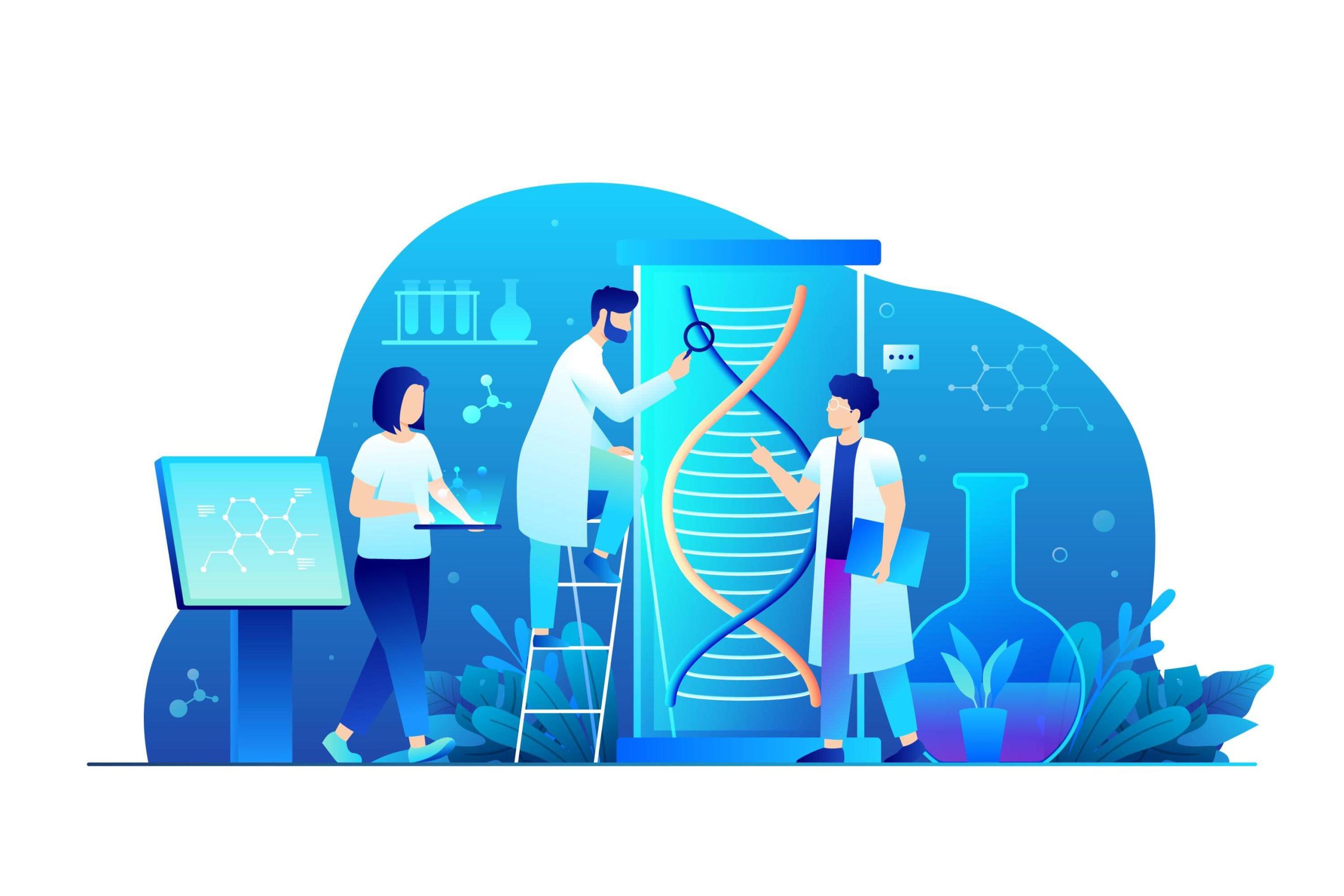
While lifestyle is the foundation, the cutting edge of longevity medicine involves advanced diagnostics and therapies designed to intervene directly in the aging process. These are the tools that allow practitioners to move from general recommendations to highly specific, personalized interventions based on your unique biology.

What are cellular rejuvenation and senolytics?
One of the most exciting areas of longevity research is cellular rejuvenation. As we age, some of our cells enter a state called senescence. They are no longer able to divide, but they don’t die. Instead, they stick around like ‘zombie cells’, secreting a cocktail of inflammatory signals that damage nearby healthy cells and contribute to a wide range of age-related diseases.
Senolytics are a class of drugs or compounds that can selectively target and eliminate these senescent cells. By clearing them out, senolytics have been shown in animal studies to improve healthspan, reversing aspects of cardiovascular disease, osteoporosis, and neurodegeneration. Human trials are ongoing and represent a major frontier in medicine. For those interested in the deep science, understanding the science of cellular rejuvenation for doctors reveals the complex mechanisms at play.

How is hormone optimization used?
Hormones are chemical messengers that regulate virtually all of your body’s functions, from metabolism and mood to sleep and libido. As we age, the production of key hormones like estrogen, testosterone, progesterone, DHEA, and growth hormone naturally declines. This decline is responsible for many of the symptoms we associate with aging, such as fatigue, weight gain, muscle loss, and cognitive fog.
Hormone optimization, often using bioidentical hormone replacement therapy (BHRT), aims to restore these hormone levels to a more youthful, optimal range. Unlike synthetic hormones, bioidentical hormones are molecularly identical to those your body produces. A specialist will use comprehensive testing to create a personalized dosing regimen to alleviate symptoms and provide protective benefits for the bones, brain, and heart. This is a highly specialized area, and practitioners require extensive education on how to become a hormone specialist to practice safely and effectively.

What other research is on the horizon?
The field of longevity science is advancing at an incredible pace, with new discoveries emerging constantly. Researchers are exploring a wide range of potential interventions. This includes therapies to boost NAD+, a critical coenzyme for mitochondrial function and DNA repair that declines sharply with age.
Stem cell therapies are being investigated for their potential to regenerate damaged tissues and organs. Gene therapies and even gene editing tools like CRISPR are being studied for their potential to correct genetic predispositions to age-related diseases. Much of this groundbreaking work is happening at dedicated research centers like The Buck Institute for Research on Aging, which is solely focused on understanding and intervening in the biology of aging.

How Can You Find a Longevity Doctor?
As interest in proactive health grows, so does the number of practitioners focusing on longevity. Finding the right doctor is a critical step in your journey. You should look for a licensed medical professional, such as an MD or DO, who has additional training in functional, preventative, or longevity medicine.
Ask about their approach. A good longevity doctor will emphasize a partnership, focusing on comprehensive testing, personalized plans, and continuous monitoring and adjustment. They should be just as interested in your lifestyle, nutrition, and stress levels as they are in your lab results. This is a field where the longevity medicine is a booming industry, attracting both top medical talent and significant investment.
It’s also important to understand the financial aspect. Because this type of proactive, in-depth care is not yet standard, it is often not fully covered by insurance. The business side of this specialty involves complex considerations, including the specifics of billing and coding for preventative and longevity medicine, which can impact how clinics structure their services. Be prepared to invest in your health, viewing it as the most important asset you have.
Ultimately, longevity medicine is about empowerment. It gives you the knowledge and tools to take control of your own biology. It is a fundamental shift away from the old ‘wait and see’ model of healthcare and toward a future where a long, vibrant, and healthy life is not the exception, but the norm.
Frequently Asked Questions

How do I choose between a functional medicine and a longevity medicine specialist?
Your choice should be guided by your primary health goals. If you are struggling with a chronic condition, persistent symptoms like fatigue or brain fog, or a specific diagnosed illness, a functional medicine specialist is your ideal starting point. Their expertise is in clinical investigation to uncover and treat the root causes of your current health problems.
Conversely, if you are generally healthy and your goal is to proactively extend your years of optimal health, a longevity medicine specialist is the better fit. This approach uses advanced diagnostics and genetic insights to mitigate future disease risk and slow the biological aging process. It is a forward-looking strategy focused on maximizing your healthspan, rather than treating an existing disease.
If I am currently healthy with no specific symptoms, which approach is more beneficial?
For an individual who is already in good health, longevity medicine typically offers more targeted benefits. The entire field is built around proactive optimization and the prevention of age-related decline before it manifests as symptoms. A longevity specialist will use predictive biomarkers and genetic analysis to create a personalized plan aimed at maintaining peak health and extending your vitality.
While a functional medicine practitioner can certainly help optimize health, their primary toolkit is designed to correct existing imbalances that are causing dysfunction. A healthy person may not have these underlying issues to address, making the preventative and future-focused strategy of longevity medicine a more direct and relevant path for their specific goals.

Can functional medicine and longevity medicine be used together?
Absolutely; in fact, the two fields are incredibly complementary and often work best when integrated. A person might begin their journey with a functional medicine doctor to resolve a foundational health issue, such as poor gut health, chronic inflammation, or a hormonal imbalance. Addressing these existing problems is crucial, as they can accelerate the aging process and hinder long-term wellness.
Once a healthy baseline is established through functional medicine, the principles of longevity medicine can be applied to build upon that foundation. With the body’s systems functioning correctly, a longevity-focused strategy can be implemented to optimize cellular health, manage genetic risks, and slow aging. This powerful combination ensures you are not only resolving current issues but also proactively building a resilient future.
Discover the most comprehensive functional medicine training, longevity training, and biohacking certification programs designed specifically for healthcare professionals, medics, and clinic owners who want to master regenerative medicine protocols and anti-aging therapies.