
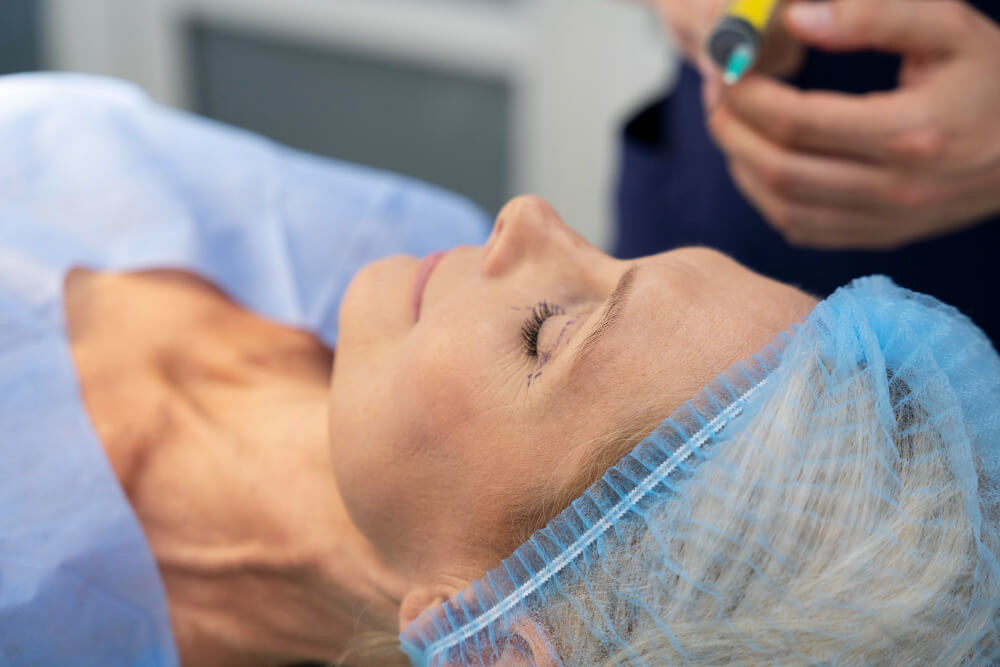
The Ultimate Guide to Preventative Care: Investing in Your Future Health Today
You meticulously schedule oil changes for your car to keep the engine running smoothly. You repair a small leak in your roof to prevent major water damage. This principle of proactive maintenance, of addressing small issues before they become catastrophic, is something we readily apply to our possessions. But what if we applied the same diligence to our most valuable asset: our health?
This is the fundamental concept behind preventative care. It’s a shift in mindset from being reactive, only seeking medical help when symptoms arise, to being proactive. It involves making conscious choices and taking specific actions to prevent illness and disease from developing in the first place. This approach empowers you to become the architect of your own well-being, laying a foundation for a longer, more vibrant life.
Taking control of your health journey isn’t about chasing fads or extreme measures. It’s about understanding your body, recognizing your personal risk factors, and working with healthcare professionals to create a sustainable plan. By embracing preventative care, you are not just avoiding future sickness; you are actively investing in your future health, vitality, and longevity.

What Are the Pillars of Preventative Care?
Preventative care rests on a foundation of several key pillars that work together to protect and enhance your health. Think of these as the core components of your personal health strategy. Ignoring one can weaken the entire structure, while nurturing all of them creates a powerful defense against illness.
These pillars are not complex medical secrets but are instead accessible, everyday practices. They involve the choices you make at the grocery store, the way you move your body, and your commitment to regular medical guidance. Mastering these fundamentals is the first and most crucial step in a proactive health journey.

What is a healthy lifestyle?
A healthy lifestyle is the cornerstone of all prevention. It encompasses the daily habits that have a profound impact on your body’s ability to function optimally and fight off disease. The first element is nutrition. A balanced diet rich in whole foods like fruits, vegetables, lean proteins, and healthy fats provides the essential nutrients your cells need to thrive. It’s about fueling your body for resilience, not just filling an empty stomach.
Next is regular physical activity. Exercise is medicine. It strengthens your heart, improves circulation, helps maintain a healthy weight, boosts your mood, and reduces the risk of numerous chronic conditions. The goal is consistency, finding activities you enjoy to ensure you stick with them for the long term.
Finally, we cannot overlook the importance of adequate sleep and stress management. Sleep is when your body repairs and recharges. Chronic sleep deprivation can weaken your immune system and disrupt hormonal balance. Similarly, chronic stress floods your body with hormones that can lead to inflammation and increase your risk for many health problems. Practices like mindfulness, meditation, or even simple hobbies can be powerful tools for managing stress.
Why are regular check-ups important?
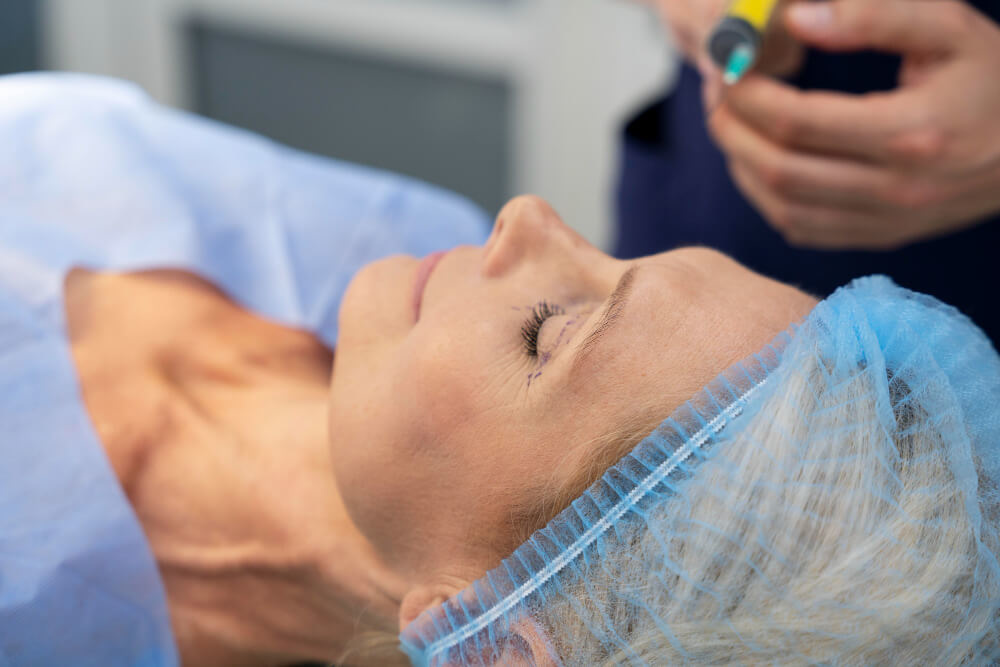
Even if you feel perfectly healthy, regular check-ups with a healthcare provider are non-negotiable. These visits, often called wellness exams, serve multiple critical purposes. First, they help establish a baseline for your health. Your doctor can track key metrics like blood pressure, weight, and heart rate over time, making it easier to spot concerning trends early on.
These appointments are also your opportunity to have an open dialogue about your health. You can discuss your lifestyle, family history, and any subtle changes you may have noticed. This partnership allows your provider to offer personalized advice and recommend appropriate screenings tailored to your specific needs and risk profile.
Think of your doctor as your health co-pilot. They have the map and the technical expertise, but you are the one in the driver’s seat. Regular communication ensures you are both navigating toward the same destination: your long-term health and well-being.

How do vaccinations fit in?
Vaccinations are one of the most effective and straightforward forms of preventative medicine. They work by training your immune system to recognize and fight off specific viruses and bacteria, preventing infectious diseases before they can take hold and cause serious illness or complications.
From childhood immunizations that have nearly eradicated diseases like polio and measles to annual flu shots and vaccines for adults, they represent a powerful community-wide and personal health tool. Staying up-to-date on recommended vaccinations is a simple yet profound way to protect yourself and those around you.

How Do Screenings Work to Protect You?
Health screenings are a vital tool in the secondary prevention toolkit. Their purpose is to detect potential health issues or diseases in their earliest, most treatable stages, often long before you would notice any symptoms. Catching a problem early dramatically improves the chances of a successful outcome and can prevent a minor issue from escalating into a major health crisis.
Imagine finding a tiny crack in a dam versus discovering a full-blown breach. Screenings are the inspection crew looking for those tiny cracks. They are systematic checks designed to give you and your doctor a clear picture of what’s happening inside your body, providing crucial information for your ongoing health plan.

What are common health screenings?
Several screenings are standard for most adults, though the specific recommendations can vary. Blood pressure checks are routine and crucial for monitoring cardiovascular health, as high blood pressure often has no symptoms. Cholesterol and lipid panels are blood tests that measure fats in your blood, which are key indicators of heart disease risk.
Blood sugar tests, like a fasting glucose or A1c test, screen for prediabetes and diabetes. Early detection can lead to lifestyle changes that may prevent or delay the onset of type 2 diabetes. This kind of proactive metabolic health screening is fundamental to long-term wellness.
Cancer screenings are also a critical component. These include mammograms for breast cancer, Pap tests for cervical cancer, and colonoscopies for colorectal cancer. Each is designed to find abnormal cells or growths at a stage where treatment is most effective.

How often should I get screened?
The frequency of health screenings is not one-size-fits-all. It depends on a combination of factors including your age, sex, family health history, and personal lifestyle factors like diet and tobacco use. For example, a person with a strong family history of heart disease may need to start cholesterol screenings earlier and have them more often than someone with no known risk factors.
This is why the partnership with your healthcare provider is so important. They will use established medical guidelines and combine them with your personal health profile to create a screening schedule that is right for you. It’s essential to follow their recommendations and not to skip these appointments, as they are a key part of your preventative strategy.

Can You Personalize Your Preventative Health Plan?
Absolutely. In fact, personalization is the future of effective preventative care. While general guidelines provide a solid framework, the most powerful health strategies are those tailored to your unique biology, history, and lifestyle. A generic plan is good, but a personalized plan is transformative.
This customization moves beyond basic demographics and delves into the specific factors that make you, you. It considers your genetic predispositions, your daily environment, and your individual health goals. This bespoke approach ensures that your efforts are focused where they will have the greatest impact.

What role does family history play?
Your family health history is a treasure map of clues about your potential health risks. Knowing that a close relative had a condition like heart disease, diabetes, or a certain type of cancer can alert you and your doctor to a heightened genetic predisposition. This does not mean you will definitely develop the same condition, but it does mean you should be more vigilant.
This knowledge allows for more targeted prevention. You might begin certain screenings earlier, undergo them more frequently, or make specific lifestyle changes to counteract that genetic risk. Sharing your complete family history with your provider is one of the most important things you can do to personalize your care.

How does your lifestyle impact your needs?
Your daily choices have a direct and significant impact on your preventative care needs. A person who smokes will require a very different screening and counseling plan than a non-smoker. Someone with a high-stress job may need to focus more on stress management techniques and monitoring for related issues like high blood pressure.
Similarly, your diet, level of physical activity, alcohol consumption, and even where you live can influence your health risks. A personalized plan takes all these variables into account, creating a strategy that is relevant and achievable for your specific circumstances.

What is functional medicine’s approach?
Functional medicine takes personalization a step further. It is a systems-biology-based approach that focuses on identifying and addressing the root cause of disease. Instead of just treating symptoms, functional medicine practitioners look at the complex interactions between a person’s genetics, environment, and lifestyle factors.
This patient-centered approach seeks to understand the ‘why’ behind a health issue. It often involves more comprehensive testing to look at nutritional status, gut health, and hormonal balance. For those seeking a deeply personalized and holistic preventative strategy, exploring resources like The Institute for Functional Medicine can provide valuable insights into this growing field.

What Are the Different Levels of Prevention?
To fully grasp the scope of preventative care, it helps to understand that it operates on three distinct levels: primary, secondary, and tertiary. Each level has a different goal and employs different strategies, but all are aimed at maximizing health and quality of life. Thinking about prevention in these stages can clarify the purpose of various health recommendations.

What is primary prevention?
Primary prevention is what most people think of when they hear ‘preventative care’. Its goal is to stop a disease or injury from ever occurring. This is the most proactive level of prevention, focused on eliminating causes of disease and reducing risk factors before any health problem exists.
Examples of primary prevention are abundant in a healthy lifestyle. Eating a nutritious diet, engaging in regular exercise, and avoiding tobacco are all powerful primary prevention strategies. Vaccinations are another classic example, as they prevent the initial onset of infectious diseases.

What is secondary prevention?
Secondary prevention aims to reduce the impact of a disease or injury that has already occurred but may not yet be apparent. The goal here is early detection and swift intervention to halt or slow the progression of the condition. This is where health screenings play their starring role.
A mammogram that detects breast cancer at stage one, a blood test that reveals prediabetes, or a colonoscopy that finds and removes a precancerous polyp are all examples of secondary prevention in action. The disease process has begun, but intervention at this stage can prevent it from becoming a major, life-altering problem.

What is tertiary prevention?
Tertiary prevention focuses on managing the impact of an ongoing, established illness or chronic condition. The goal is to soften the disease’s impact on a person’s life, prevent long-term complications, and improve their quality of life. This is about helping people manage complex health problems as effectively as possible.
For someone with diabetes, tertiary prevention would include regular foot exams to prevent ulcers and eye exams to prevent retinopathy. For a person who has had a heart attack, it would involve cardiac rehabilitation programs. Resources that provide chronic disease self-management education are invaluable at this stage, empowering patients to take an active role in their ongoing care and prevent further decline.

How Does Preventative Care Evolve With Age?
Your preventative health needs are not static; they change and evolve as you move through different stages of life. What is critical for a 25-year-old is different from what is most important for a 65-year-old. Understanding these shifts allows you to focus your efforts on the most relevant risks and opportunities at each age.

What should young adults focus on?
For people in their 20s and 30s, the primary focus is on building a strong foundation. This is the time to cement healthy lifestyle habits that will pay dividends for decades to come. Establishing a consistent exercise routine, developing healthy cooking skills, and learning effective stress management are key investments.
This is also the time to ensure all recommended vaccinations are up to date and to establish a relationship with a primary care provider. Screenings for blood pressure and cholesterol may begin, and mental health screenings are particularly important for this age group.

What changes in middle age?
During middle age, typically from the 40s to the early 60s, the focus of preventative care begins to shift more toward secondary prevention. While maintaining a healthy lifestyle is still paramount, the risk for many chronic diseases like heart disease, diabetes, and certain cancers starts to increase.
This is when regular, targeted screenings become critically important. Your doctor will likely recommend a more rigorous schedule for monitoring blood pressure, cholesterol, and blood sugar. Cancer screenings like mammograms, colonoscopies, and prostate cancer screenings (for men) become standard recommendations. It’s a time for increased vigilance and proactive monitoring.

What is important for older adults?
For older adults, preventative care continues to encompass lifestyle and screenings but also adds a focus on maintaining function and independence. Managing existing chronic conditions to prevent complications becomes a top priority, which is a form of tertiary prevention.
Additional screenings may be recommended, such as bone density scans to check for osteoporosis. Fall prevention strategies, including balance exercises and home safety assessments, are crucial. Furthermore, maintaining cognitive health through social engagement and mental stimulation, as well as monitoring for signs of depression, are vital aspects of preventative care in the golden years.

What Are the Modern Tools and Therapies in Preventative Medicine?
The field of preventative medicine is constantly advancing, with new technologies, therapies, and educational resources emerging that offer more effective ways to manage health and prevent disease. These modern tools empower both patients and practitioners to be more precise and proactive.

How are new medications changing disease management?
Pharmaceutical advancements are providing powerful new options for prevention, particularly in the realm of metabolic health. For individuals struggling with obesity or type 2 diabetes, conditions that are major risk factors for a host of other diseases, new classes of medications are changing the landscape.
For example, understanding how to effectively prescribe GLP-1 agonists has given clinicians a powerful tool to help patients manage weight and blood sugar, thereby preventing future cardiovascular events and other complications. These therapies represent a significant step forward in proactive disease management.

Where can healthcare professionals learn more?
For this progress to reach patients, healthcare professionals must engage in ongoing learning. The science of health and longevity is evolving rapidly, and staying current is essential. Top-tier institutions offer a wealth of knowledge through continuing professional education programs, allowing doctors and clinicians to integrate the latest research into their practice.
Furthermore, government-supported networks like public health training centers play a crucial role in disseminating best practices and new preventative strategies across the country. When patients know their providers are committed to this level of continuous improvement, it builds trust and leads to better health outcomes for everyone.

How is Preventative Care Covered?
One of the most common questions people have about preventative care is related to its cost and insurance coverage. The good news is that many preventative services are covered by most health insurance plans, often with no out-of-pocket cost to the patient. This was a key provision of the Affordable Care Act.
This typically includes services like wellness visits, various screenings based on age and gender, and immunizations. However, it’s always a good idea to check with your specific insurance plan to understand exactly what is covered. Being an informed consumer can help you avoid unexpected bills.
For patients and providers alike, navigating the system can sometimes be complex. Understanding the nuances of billing and coding for preventative medicine ensures that these vital services are properly documented and covered. As a patient, knowing that this system exists can help you feel more confident in accessing the care you are entitled to.
Ultimately, the investment in preventative care, whether it is your time, your effort, or your money, pays the greatest possible dividend: a longer, healthier, and more fulfilling life. It is the single best investment you can ever make.
Frequently Asked Questions

How does a prevention-focused clinic manage acute or unexpected health issues?
While the primary goal is proactive care, a well-structured prevention clinic must also efficiently handle acute patient needs. This is typically managed through a robust triage system, where a nurse or medical assistant assesses the urgency of a patient’s symptoms to determine the appropriate level of care. The workflow often includes a number of reserved same-day appointment slots specifically for these urgent, unforeseen issues.
This dual focus ensures that preventive care efforts are not derailed by reactive demands, maintaining the clinic’s core mission. The established relationships and comprehensive health records from preventive visits often provide valuable context that allows for faster and more effective diagnosis and treatment during an acute event. Clear protocols guide staff on when to schedule an urgent visit versus directing a patient to emergency services, ensuring patient safety and workflow integrity.

What are the key metrics for measuring the success of a prevention-focused model?
Success in a prevention-focused clinic is measured using a blend of clinical, operational, and financial metrics. Clinically, key performance indicators (KPIs) include tracking the completion rates for recommended health screenings, immunizations, and annual wellness visits. Improvements in patient biometrics over time, such as lower blood pressure or better A1c levels for diabetic patients, are also critical measures of clinical effectiveness.
Operationally and financially, success is evaluated by looking at patient engagement and retention rates, as these indicate patient satisfaction with the proactive model. A key long-term metric is the reduction in hospitalizations or emergency room visits among the patient population, which demonstrates a clear return on investment. Tracking staff efficiency and satisfaction is also important, as a smooth, team-based workflow is essential for sustainability.

Can a small practice successfully implement a prevention-focused workflow with a limited budget?
Absolutely, a small practice can adopt a prevention-focused model by starting with targeted, high-impact changes that don’t require a massive investment. The key is to leverage existing staff and technology more effectively, such as by empowering medical assistants to conduct pre-visit planning or manage patient outreach for care gaps. Instead of hiring new roles, practices can begin by redefining responsibilities within the current team to support proactive care.
The focus should be on phased implementation rather than a complete overhaul, starting with one or two specific preventive goals, like increasing cancer screening rates. Many electronic medical record (EMR) systems have built-in tools for running patient data reports and setting up automated reminders at no extra cost. By creatively using existing resources and prioritizing changes, even the smallest practices can build a successful and sustainable prevention-focused workflow.
For healthcare professionals, medics, and clinic owners who want to master regenerative medicine protocols and anti-aging therapies, Talking Longevity is your definitive resource. Discover the most comprehensive functional medicine training, longevity training, and biohacking certification programs designed specifically for you.