Unlocking Your Body’s Healing Power: A Guide to Regenerative Medicine
Have you ever marveled at how a simple paper cut heals, leaving smooth skin in its place? Or how a broken bone knits itself back together, becoming strong once more? This incredible capacity for self-repair is encoded into our biology. Now, imagine a field of medicine dedicated entirely to harnessing and amplifying this innate power. That is the essence of regenerative medicine.
This revolutionary approach to healthcare moves beyond simply managing symptoms. Instead, it aims to repair, replace, or regenerate damaged cells, tissues, and even organs to restore normal function. It represents a fundamental shift from treating illness to cultivating wellness from the inside out. The goal is not just to patch a problem but to provide the body with the tools it needs to truly heal itself.
By leveraging the body’s own building blocks and communication systems, regenerative medicine offers a new frontier of possibilities. It seeks to address the root cause of injury and disease, potentially offering solutions for conditions that were once considered chronic or untreatable. This is the future of healing, grounded in the wisdom of our own biology.
What is the Core Principle of Regenerative Medicine?
At its heart, regenerative medicine operates on a simple yet profound principle: your body is the best healer. Traditional medicine often focuses on external interventions, like pharmaceuticals to block a chemical pathway or surgery to remove a damaged part. While incredibly valuable, these methods can sometimes be like silencing a fire alarm without putting out the fire. Regenerative medicine, in contrast, is about giving the firefighters, your cells, the resources they need to extinguish the blaze and rebuild the structure.
This field works by tapping into the body’s natural repair mechanisms. Think of it as a biological toolkit. This kit includes powerful components like stem cells, which are the body’s raw materials, and growth factors, which are the instructional signals that tell cells what to do and where to go. The entire process is a symphony of cellular communication designed to maintain and repair the body.
When injury or disease occurs, this natural healing process can become overwhelmed or inefficient. Regenerative therapies aim to supplement and direct these processes. It is like bringing in a master construction crew with superior blueprints and materials to a building site that has fallen behind schedule. The objective is to restore function by prompting the body to create new, healthy tissue, not just scar tissue or a temporary fix.
This proactive approach is what makes the field so exciting. It is not about fighting against the body but working in harmony with it. The focus is on creating an internal environment that supports healing, reduces inflammation, and encourages the regeneration of healthy, functional tissue for long-term wellness.

What Are the Main Approaches in Regenerative Medicine?
Regenerative medicine is not a single treatment but a collection of advanced techniques and therapies. These approaches can be used alone or in combination, tailored to a patient’s specific needs. They all share the common goal of stimulating the body’s repair systems. Understanding these key methods provides a clearer picture of how this field is transforming patient care.
Each approach leverages a different aspect of the body’s healing cascade. Some focus on delivering a high concentration of signaling molecules to a site of injury, while others involve introducing new cells to lead the repair effort. The choice of therapy depends on the condition being treated, its severity, and the overall health of the patient.

How Does Cell-Based Therapy Work?
Cell-based therapy is perhaps the most well-known branch of regenerative medicine, often associated with the term ‘stem cells’. Stem cells are unique because they are undifferentiated, meaning they have not yet become a specific type of cell like a skin cell or a muscle cell. This makes them incredibly versatile, like a blank slate that can be written upon.
These cells act as the body’s internal repair crew. When an injury occurs, they can be called to the site to help. Once there, they can perform several critical functions. They can differentiate into the specific cells needed for repair, like cartilage cells in a damaged knee. They also release powerful anti-inflammatory agents and growth factors that orchestrate the healing process, instructing other cells to get to work.
Practitioners can harvest these regenerative cells from a patient’s own body, typically from sources like bone marrow or adipose (fat) tissue. After being concentrated, they are precisely injected into the area of injury or disease. This delivers a potent dose of healing potential directly where it is needed most, helping to accelerate and improve the quality of the natural repair process.

What is Tissue Engineering?
Tissue engineering takes the concept of regeneration a step further. It is a multidisciplinary field that combines cells, engineering, and materials science to create functional tissues. The goal is to grow new tissue or even simple organs in a laboratory for implantation into the body.
This process often begins with a scaffold. A scaffold is a three-dimensional structure, usually made of a biocompatible material, that acts as a template for tissue growth. It mimics the natural extracellular matrix of the body, giving cells a framework to attach to and grow upon. Think of it as the rebar in a concrete structure, providing shape and support.
Cells, often a patient’s own, are then ‘seeded’ onto this scaffold. In a specialized environment called a bioreactor, which provides nutrients and signals, the cells multiply and form new, functional tissue. This technique has been used to create skin for burn victims, cartilage for joint repair, and even entire bladders. It holds immense promise for replacing tissues damaged beyond self-repair.

How Do Cellular Products and Exosomes Contribute?
Beyond whole cells, regenerative medicine also utilizes the powerful products that cells create. These acellular therapies focus on delivering the ‘instructions’ for healing without introducing new cells. Two of the most common examples are Platelet-Rich Plasma (PRP) and exosomes.
PRP therapy begins with a simple blood draw from the patient. The blood is then placed in a centrifuge to separate its components, concentrating the platelets. These platelets are storehouses of hundreds of growth factors, the proteins that signal tissue repair. When this concentrated PRP is injected into an injured area, it releases a flood of these signals, jumpstarting the healing cascade and reducing inflammation.
Exosomes are even more refined. They are microscopic vesicles, or tiny bubbles, that cells release to communicate with each other. These vesicles are packed with messenger RNA, microRNA, and proteins, essentially carrying detailed instructions from one cell to another. By isolating and using exosomes, practitioners can deliver very specific regenerative messages to target tissues, guiding them toward repair and regeneration without transplanting whole cells.
What Conditions Can Regenerative Medicine Potentially Address?
The applications for regenerative medicine are vast and continue to expand as research progresses. Because it works by supporting the body’s fundamental healing processes, its potential extends to nearly every system in the body. From nagging joint pain to the complex processes of aging, regenerative therapies are offering new hope and new solutions.
While many applications are still being explored, several areas have already seen significant clinical success. These therapies are helping people regain mobility, reduce pain, and improve their quality of life in tangible ways. The focus is always on restoring function and promoting long-term health.

Can It Help with Orthopedic and Musculoskeletal Issues?
This is one of the most established and successful areas for regenerative medicine. Millions of people suffer from conditions like osteoarthritis, tendonitis, ligament sprains, and chronic back pain. These issues often stem from wear and tear, overuse, or acute injury, leading to tissue damage and inflammation that the body struggles to heal effectively.
Regenerative orthopedic treatments, often called orthobiologics, aim to break this cycle. Therapies like PRP and cell-based injections are used to target the precise site of injury, such as a knee joint with worn-out cartilage or a partially torn rotator cuff tendon. The introduction of concentrated growth factors and regenerative cells can help reduce chronic inflammation, stimulate the repair of damaged cartilage, and strengthen weakened tissues.
For athletes and active individuals, these treatments can mean a faster return to sport and a reduced risk of re-injury. For those with chronic joint pain, it can mean delaying or even avoiding major surgery. Learning about a comparison of PRP, MSCs, and exosomes for orthopedics can help patients and practitioners understand which option might be best for a specific condition, from a simple sprain to advanced arthritis.
What is its Role in Anti-Aging and Aesthetics?
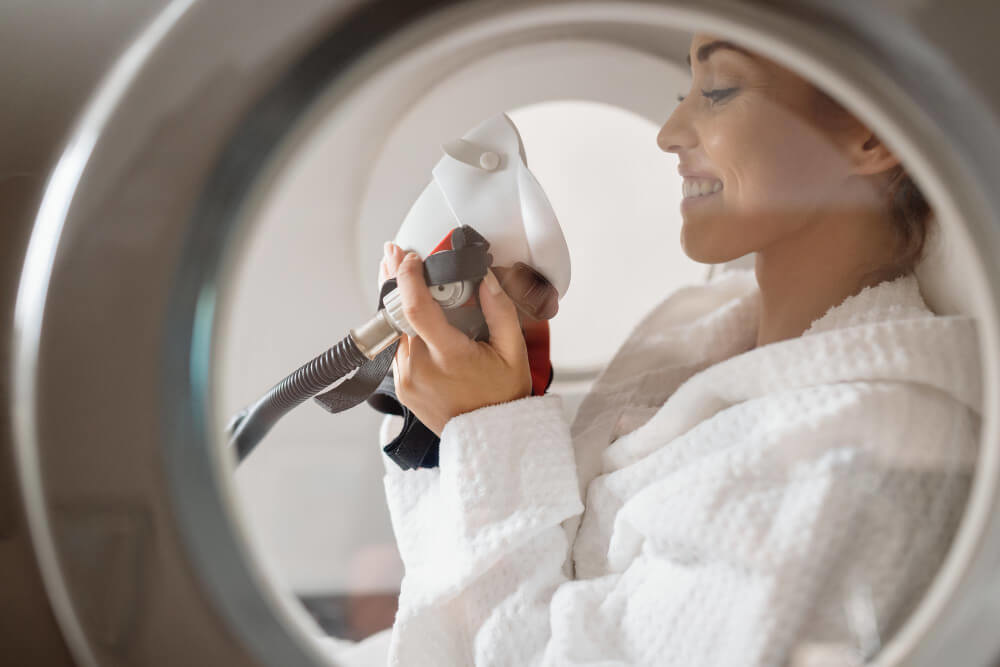
Regenerative medicine is also at the forefront of aesthetics and anti-aging, focusing on rejuvenation from the inside out. The same principles used to repair a joint can be applied to revitalize skin and hair. Aesthetic regenerative medicine aims for natural-looking results by improving the health and quality of the tissue itself, rather than just masking the signs of aging.
Procedures like PRP facials, sometimes called vampire facials, use the growth factors from your own blood to stimulate collagen production, improve skin texture, and reduce fine lines. When applied to the scalp, these same growth factors can awaken dormant hair follicles, leading to thicker, fuller hair. It is a shift from temporary fillers to long-term tissue health.
Beyond aesthetics, regenerative principles are central to the science of longevity. The goal is to enhance healthspan, the number of years we live in good health. This involves optimizing cellular function, reducing systemic inflammation, and supporting the body’s ability to repair itself as we age. It is a proactive approach to aging, focused on maintaining vitality and function for as long as possible.

Are There Applications in Chronic Diseases and Cellular Health?
The potential of regenerative medicine extends deep into the realm of cellular health and chronic disease. Researchers are actively exploring its use for complex conditions like autoimmune disorders, heart disease, and neurodegenerative issues. The aim is to modulate the immune system, repair damaged heart muscle, or protect brain cells by addressing the underlying cellular dysfunction.
At this level, the focus is on optimizing the very foundation of health: the cell. This includes ensuring cells have enough energy to perform their functions. A key molecule in cellular energy production is Nicotinamide Adenine Dinucleotide, or NAD+. Levels of NAD+ decline with age, which can impair cellular repair.
Therapies aimed at boosting NAD+ levels are a key part of functional and regenerative medicine. Understanding the science behind these approaches is crucial for both patients and practitioners. For instance, getting proper training on NAD+ precursors Nicotinamide Riboside NR vs Nicotinamide Mononucleotide NMN is essential for clinicians looking to incorporate these powerful anti-aging strategies into their practice, helping to support cellular health at its most fundamental level.

Who Are the Professionals Leading This Field?
Regenerative medicine is a highly specialized and rapidly evolving field. The professionals who practice it are not just doctors; they are pioneers and innovators. They come from diverse backgrounds, including orthopedics, sports medicine, plastic surgery, and functional medicine, but they all share a commitment to understanding and applying the latest advancements in cellular biology and healing.
These practitioners are dedicated to rigorous, evidence-based protocols. They understand that successful outcomes depend on a deep knowledge of the science, precise techniques, and a comprehensive understanding of the patient’s overall health. This is not a one-size-fits-all approach; it requires a high degree of personalization and expertise.
Becoming a leader in this field requires extensive and ongoing education. Physicians must go beyond their traditional medical training to master the intricacies of cell harvesting, processing, and application. They need to stay current on the latest research and clinical trials to ensure they are providing the safest and most effective treatments available.
This commitment to excellence is reflected in the growing number of advanced training opportunities. Many of the top practitioners seek out specialized regenerative medicine fellowship and certification programs to hone their skills. These intensive programs provide the in-depth knowledge and hands-on experience necessary to excel.
Esteemed institutions offer various pathways for this advanced education. Organizations like the Academy of Regenerative Practices provide comprehensive training for clinicians looking to integrate these therapies. University-based programs, such as the continuing medical education offered by Boston University School of Medicine, provide a strong academic foundation. For those specializing in orthopedics, dedicated centers like The Orthobiologic Institute offer focused training on musculoskeletal applications. Even top-tier research universities recognize the importance of this field, with places like the Harvard Stem Cell Institute leading the charge in foundational science and education, shaping the next generation of regenerative experts.

What Should You Consider Before Pursuing Treatment?
While the promise of regenerative medicine is immense, it is important for patients to approach it with realistic expectations and a commitment to their own research. This is still a developing area of medicine, and not all treatments are suitable for every person or condition. A thoughtful and informed approach is the best way to ensure a safe and positive experience.
First and foremost, the expertise of the practitioner is paramount. Seek out a qualified, experienced physician who specializes in regenerative medicine. Ask about their training, certifications, and how many procedures they have performed. A reputable clinician will be transparent about their credentials and happy to answer all of your questions.
It is also crucial to have a thorough consultation to determine if you are a good candidate. The doctor should conduct a comprehensive evaluation, review your medical history, and discuss the potential risks and benefits. Be wary of anyone promising a ‘miracle cure’. Regenerative medicine is about facilitating healing, which is a process that takes time and varies from person to person. Understand the expected outcomes and the timeline for seeing results.
Finally, inquire about the specifics of the procedure. Ask where the cells or biologics are sourced from, how they are processed, and how they will be administered. A trustworthy clinic will adhere to strict safety protocols and be able to explain every step of the process clearly. Your health is the top priority, and you should feel confident and comfortable with your chosen provider.
Regenerative medicine is a paradigm shift, moving healthcare toward a future where we can actively participate in our own healing. It empowers the body’s own magnificent systems to restore function, reduce pain, and enhance vitality. By working with our biology, not against it, we unlock a new potential for health and longevity.
Frequently Asked Questions

Will personalized regenerative therapies be affordable for the average person?
Initially, these advanced therapies will likely carry a high price tag due to the immense costs of research, specialized equipment, and highly customized procedures. This is a common pattern for groundbreaking medical technologies as they first enter the market. However, as the science matures and manufacturing processes become more efficient and scalable, the costs are projected to decrease over time.
In the long term, personalized regenerative medicine may prove to be more cost-effective than the lifelong management of chronic diseases. By offering potential cures rather than just ongoing treatments, these therapies could reduce the overall financial burden on both patients and healthcare systems. This potential for long-term savings is a key driver for research and will likely influence future insurance coverage policies.
How does using my own cells for therapy reduce the risk of rejection compared to traditional transplants?
Traditional organ transplants involve introducing tissue from a donor, which the recipient’s immune system identifies as foreign and often attacks. This biological response, known as rejection, requires patients to take powerful immunosuppressant drugs for the rest of their lives. These drugs, while necessary, carry their own significant risks and side effects, including increased susceptibility to infections.
Personalized therapies that use a patient’s own cells—known as autologous therapies—effectively bypass this core problem. Because the new tissue is grown from the patient’s own genetic material, the immune system recognizes it as "self" and does not mount an attack. This eliminates the risk of immune rejection, removing the need for lifelong immunosuppressants and leading to safer, more successful long-term outcomes.

What are the biggest hurdles preventing these therapies from becoming widely available today?
One of the primary obstacles is the immense scientific and manufacturing complexity involved in these treatments. Scientists are still refining the methods to consistently guide stem cells to form specific, fully functional tissues and ensuring these engineered cells remain stable and safe after being introduced into the body. Scaling these highly personalized processes from a lab setting to a widespread clinical reality presents a significant logistical and technical challenge.
Beyond the scientific hurdles, there is a complex regulatory landscape that must be navigated. Health authorities like the FDA have stringent, multi-stage approval processes to guarantee patient safety, which are both time-consuming and expensive. Additionally, ongoing ethical discussions and the need to establish clear legal frameworks for technologies like gene editing and stem cell sourcing must be resolved before these therapies can be broadly adopted by the medical community.
Discover the most comprehensive functional medicine training, longevity training, and biohacking certification programs designed specifically for healthcare professionals, medics, and clinic owners who want to master regenerative medicine protocols and anti-aging therapies.