
DNA Testing: Your Personal Guide to Unlocking Genetic Secrets
Have you ever wondered what secrets are encoded in your DNA? Tucked inside nearly every cell in your body is a unique biological instruction manual that determines everything from your eye color to how you metabolize coffee. Thanks to modern science, we can now read parts of this manual, offering a fascinating glimpse into our past, present, and even our potential future.
At-home genetic testing has exploded in popularity, transforming a complex scientific process into something you can do from your living room. This comprehensive guide to DNA testing will demystify the science, explore what you can learn, and help you navigate this powerful tool for self-discovery and proactive health. It’s a journey into the very essence of you.
This technology provides more than just trivia; it can offer actionable insights into your health, wellness, and heritage. Understanding your genetic predispositions is the first step toward personalized health management, allowing you to make more informed decisions about your lifestyle and future.

What Exactly Is DNA and Why Does It Matter?
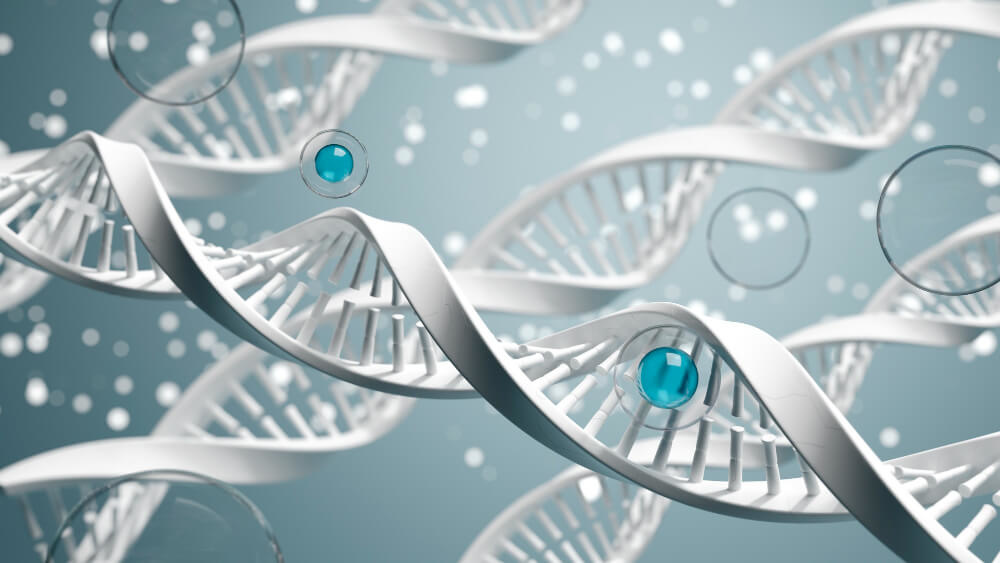
Think of your DNA, or deoxyribonucleic acid, as the master blueprint for your body. It’s a long, spiral-shaped molecule that contains all the instructions needed for you to develop, survive, and reproduce. These instructions are organized into sections called genes.
You have about 20,000 genes, and they carry the information that dictates your specific traits. Genes are packaged into structures called chromosomes. Humans have 23 pairs of chromosomes, inheriting one set from each parent. This complete set of DNA is your genome.
While all humans share about 99.9% of the same DNA, that tiny 0.1% difference is what makes each of us unique. These variations, often called single nucleotide polymorphisms or SNPs, are small changes in the DNA sequence. DNA tests analyze these SNPs to reveal information about your ancestry, traits, and health predispositions.
What Can You Discover from a DNA Test?
The scope of information you can get from a DNA test is vast and continues to grow as research advances. The results are typically broken down into a few key categories, each offering a different window into your genetic makeup.

Can DNA Tests Reveal Your Ancestry?
This is often the main draw for many people. Ancestry testing analyzes your DNA and compares it to reference populations from around the world to estimate your ethnic mix. You might discover that your heritage is more diverse than you thought, spanning continents and cultures.
These tests can also connect you with potential relatives by identifying people who share significant portions of your DNA. It’s a powerful way to build out your family tree and find ‘lost’ cousins you never knew you had. The experience can be both fun and deeply moving, connecting you to a much larger human story.

Can DNA Tests Predict Health Risks?
Beyond ancestry, many tests offer health-related information. They can screen for genetic variants associated with an increased risk for certain health conditions, such as late-onset Alzheimer’s disease, Parkinson’s disease, or certain types of cancer. It’s crucial to understand that these tests show a predisposition, not a diagnosis.
Having a specific genetic marker does not guarantee you will develop a condition. It simply means your risk may be higher than average. This information can be a catalyst for proactive health measures, like more frequent screenings or lifestyle changes, made in consultation with a healthcare provider.

What About Carrier Status for Inherited Conditions?
Carrier screening is another important aspect of genetic health testing. It can tell you if you carry a genetic variant for an inherited condition that you could pass on to your children, such as cystic fibrosis, sickle cell anemia, or Tay-Sachs disease.
Most carriers are healthy and show no symptoms of the condition themselves. This information is particularly valuable for individuals or couples who are planning to start a family, as it allows them to understand their reproductive risks and explore their options with a genetic counselor.

Can Genetics Influence Your Wellness and Traits?
On a lighter note, DNA tests can also reveal your genetic likelihood for a wide range of wellness and physical traits. You can learn how your genes might influence your sleep patterns, your body’s response to different types of exercise, or your ability to metabolize caffeine.
These reports might also tell you if you’re predisposed to lactose intolerance, have a preference for sweet or salty foods, or are likely to have a unibrow. While some of these are just for fun, others, like learning about potential vitamin deficiencies, can guide you toward making beneficial dietary adjustments.
How Does the DNA Testing Process Work?
For a direct-to-consumer test, the process is remarkably straightforward and designed to be user-friendly. It typically involves just a few simple steps from start to finish.
First, you choose a testing company and order a kit online. The kit is mailed directly to your home and contains everything you need to provide a sample, along with clear instructions. Most companies use a saliva sample, which simply involves spitting into a collection tube.
Once you’ve collected your sample, you seal it in the provided packaging and mail it back to the company’s lab. There, scientists extract your DNA from the cells in your saliva. Your DNA is then analyzed using a process called genotyping, which reads hundreds of thousands of SNPs in your genome.
After several weeks, your results are ready. The company will notify you via email, and you can log in to a secure online portal to view your personalized reports. These are usually presented with interactive maps, detailed explanations, and links to learn more about the science behind your results.

What Are the Different Types of DNA Tests Available?
Navigating the world of genetic testing can be confusing because not all tests are created equal. They generally fall into two main categories: direct-to-consumer tests and clinical-grade tests.
Direct-to-consumer, or DTC, tests are the ones you can order yourself without a doctor’s prescription. These are excellent for exploring ancestry, learning about wellness traits, and getting some general health risk information. Well-known providers like 23andMe have made this type of testing accessible to millions. They provide a broad overview but are generally not intended for diagnostic purposes.
Clinical genetic tests, on the other hand, must be ordered by a healthcare professional. These tests are used to diagnose a specific genetic condition, confirm a DTC result, or assess the risk for a known hereditary disease in a family. Companies such as Invitae specialize in medical-grade genetic information that doctors use to make clinical decisions. For anyone seeking to understand the landscape of these options, MedlinePlus offers a wealth of reliable information on the topic.

How Should You Approach Your DNA Test Results?
Receiving your genetic report can be an exciting and sometimes overwhelming experience. It’s important to approach your results with a balanced perspective and understand their limitations.

What If You Get Unexpected or Concerning Results?
First and foremost, do not panic. A genetic predisposition is not a deterministic forecast of your future health. Lifestyle, environment, and other factors play a huge role. If you receive a result that concerns you, the most important next step is to discuss it with your doctor or a genetic counselor.
They can help you understand the context of the result, determine if follow-up clinical testing is needed for confirmation, and discuss preventive strategies. Healthcare professionals are increasingly accustomed to these conversations; understanding how to manage a patient who brings in their 23andMe data is becoming a key skill in modern medicine. For additional context, the Centers for Disease Control and Prevention also provides excellent public resources for understanding genetic testing.
Are There Privacy and Ethical Considerations?
Absolutely. When you send your DNA to a company, you are entrusting them with your most personal information. Before you buy a test, it’s wise to read the company’s privacy policy. Understand how they use, store, and share your data. Some companies allow you to opt-in to research, which can help advance science but also means your anonymized data is used by third parties.
Another concern is genetic discrimination. People often worry if their results could be used against them by employers or insurance companies. In the United States, there are legal protections in place. Learning about the Genetic Information Nondiscrimination Act or GINA can help ease these concerns, as it prevents health insurers and employers from using your genetic information to make decisions about you.
Finally, remember that your genetic information is also your family’s information. A discovery you make about your health risks or ancestry can have implications for your parents, siblings, and children. It’s a good idea to consider these potential impacts before you decide to test.
How Can You Use Genetic Information for Better Health and Longevity?
Beyond satisfying curiosity, the true power of DNA testing lies in its ability to empower you to take control of your health. It is a key tool in the world of personalized medicine and longevity, shifting the focus from treating sickness to proactively cultivating wellness.

Can You Tailor Your Diet and Fitness Based on DNA?
Yes, this is a growing field known as nutrigenomics. Your DNA can offer clues about how your body processes certain nutrients. For example, if you have a variant that makes you more likely to have low levels of Vitamin D, you can make a conscious effort to get more sun exposure or take a supplement.
Similarly, genetic insights can help you optimize your fitness routine. Some genes influence muscle composition, suggesting whether you might be naturally better suited for endurance activities versus power-based sports. This doesn’t mean you can’t excel at any activity you choose, but it might help explain why certain workouts feel more effective for you.

Can DNA Testing Guide Advanced Health Interventions?
For those interested in the cutting edge of anti-aging and regenerative medicine, genetic information can be even more valuable. It can inform a highly personalized health strategy developed with a functional medicine practitioner.
Understanding your genetic predispositions can open up conversations about proactive, advanced therapies. For instance, if your genetic profile indicates a potential weakness in your body’s natural antioxidant defenses or cellular repair mechanisms, your doctor might discuss targeted interventions. This could include therapies aimed at boosting cellular health, such as NAD+ therapy, for which there are established clinical protocols for NAD infusions designed to support mitochondrial function and promote cellular repair.
DNA testing is a journey, not a destination. It’s a single, albeit powerful, data point in the complex picture of your overall health. When used wisely, it can be a fascinating tool for self-discovery and a valuable guide for a longer, healthier life. It equips you with knowledge, and knowledge is the foundation of empowerment.
Frequently Asked Questions
How does personalized medicine actually use my DNA to choose a treatment?
Pharmacogenomics is the key field where your DNA directly influences treatment selection, primarily by analyzing how your genes affect your body’s response to drugs. Specific genes create the enzymes responsible for metabolizing medications, and variations in these genes can make you a "poor," "normal," or "ultra-rapid" metabolizer of a particular drug. By sequencing these specific genes, doctors can predict whether a standard dose will be ineffective, toxic, or just right for you, avoiding a trial-and-error approach.
This genetic insight allows for precise adjustments to both drug choice and dosage from the very beginning of treatment. For example, if your DNA indicates you are a poor metabolizer of a certain antidepressant, a doctor can prescribe a lower dose or an alternative medication that is processed by a different pathway. This proactive approach not only increases the likelihood of the treatment’s success but also significantly reduces the risk of adverse drug reactions, making medicine safer and more effective.

What are the biggest ethical and privacy risks associated with genomic medicine?
The primary ethical concern revolves around data security and the potential for genetic discrimination. Your genomic data is the most personal information you have, and if it were to be breached, it could theoretically be used by entities like insurance companies or employers to make decisions about your coverage or employability. Protecting this sensitive data requires robust encryption, secure storage, and strict access controls to prevent unauthorized use.
Furthermore, the issue of informed consent is paramount in ensuring ethical practice. Patients must be given clear, understandable information about how their genetic data will be used, who will have access to it, and for what purposes. There is an ongoing debate about data ownership and whether individuals should have complete control over their genomic information, including the right to have it deleted. Establishing strong legal and ethical frameworks is crucial to building public trust as personalized medicine becomes more common.

Is personalized medicine only for treating serious diseases like cancer?
While oncology has been a major pioneer in using personalized medicine, its applications extend far beyond cancer treatment. It is increasingly used in cardiology to predict risk for heart disease and to prescribe blood thinners like warfarin, where the correct dose is highly dependent on a patient’s genetic makeup. Additionally, it is being applied in rheumatology, psychiatry, and in managing rare genetic disorders where a specific gene mutation is the root cause.
The future of personalized medicine aims to shift healthcare from a reactive to a proactive model for everyone. By understanding your unique genetic predispositions, doctors can recommend tailored lifestyle changes, dietary plans, and screening schedules to prevent diseases before they even start. This preventative power means that even healthy individuals can benefit from genomic insights to optimize their long-term well-being and catch potential issues at their earliest, most treatable stages.
Are you ready to lead the future of healthcare? Discover the most comprehensive functional medicine training, longevity training, and biohacking certification programs designed specifically for healthcare professionals, medics, and clinic owners who want to master regenerative medicine protocols and anti-aging therapies. Elevate your practice with Talking Longevity.