
Unlocking Your Genetic Code: The Ultimate Guide to DNA Testing
Inside every one of your cells lies a remarkable instruction manual, a biological blueprint that has shaped who you are. This manual, your DNA, dictates everything from the color of your eyes to your predisposition for certain health conditions. For centuries, its contents were a mystery, but today, we have the key to unlock its secrets.
This key comes in the form of genetic analysis. The world of DNA testing has exploded in popularity, offering unprecedented insights into our personal biology. It empowers us to understand our past, manage our present health, and make more informed decisions for our future.
But what can these tests really tell you? How do you navigate the growing market of options, and what should you consider before sending off your sample? This guide will walk you through the fascinating science of genetic testing, from the basics of your DNA to the practical applications that are revolutionizing personalized health and wellness.
What Exactly Is DNA and Why Does It Matter?
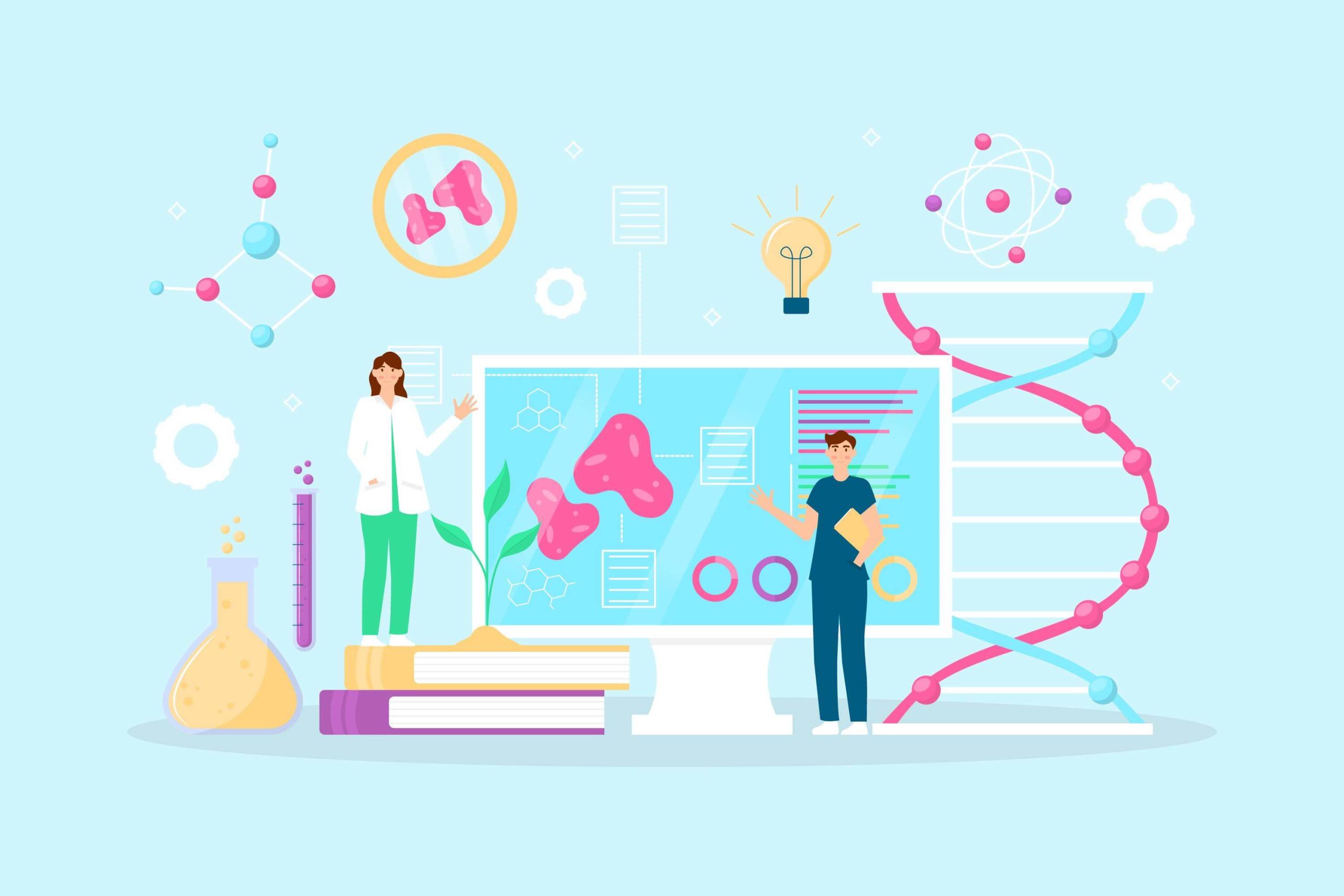
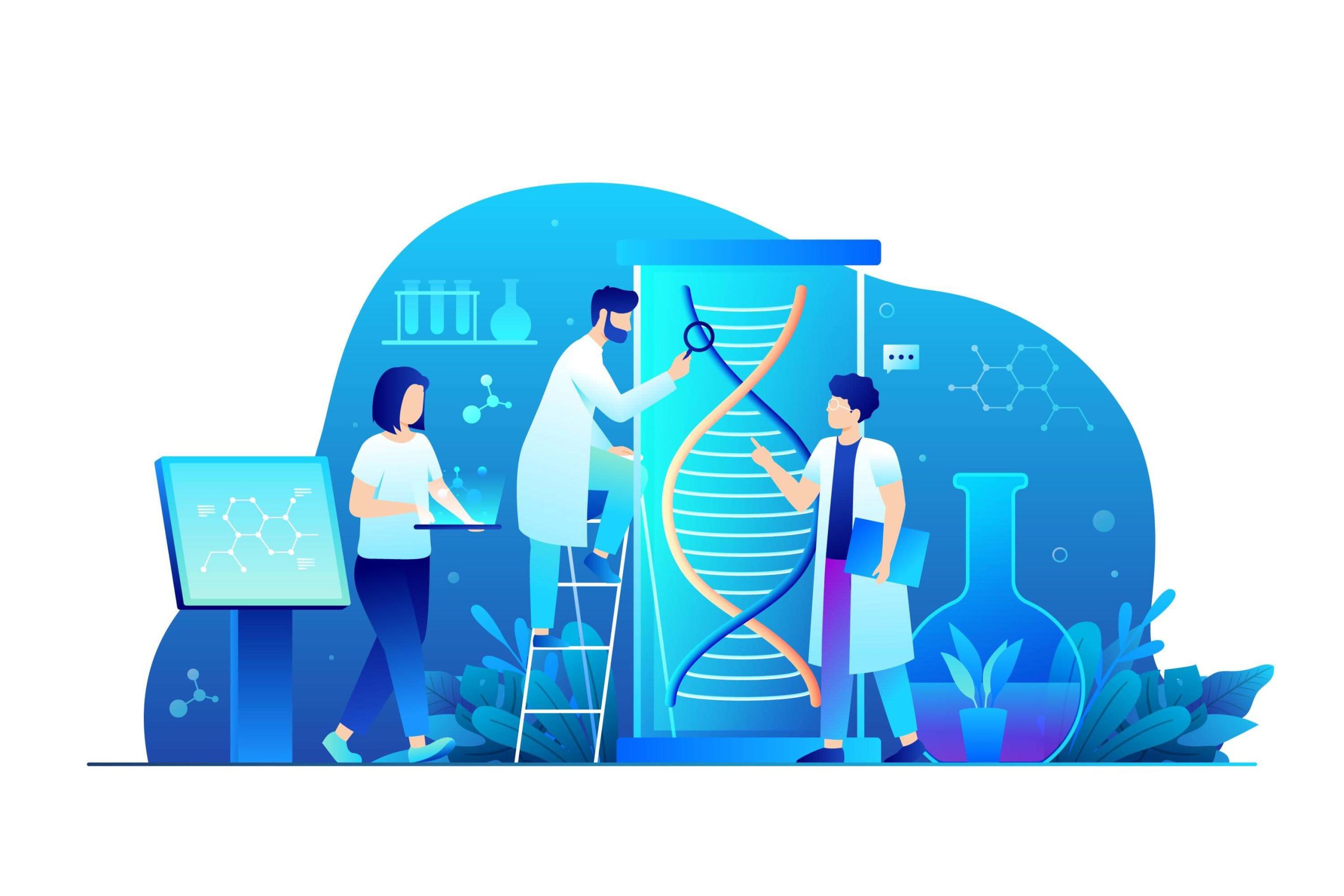
Think of your DNA, or deoxyribonucleic acid, as an incredibly long and detailed cookbook. This cookbook is stored in the nucleus of almost every cell in your body. It contains all the recipes, called genes, needed to build and operate you.
These recipes are written in a simple four-letter alphabet: A (adenine), T (thymine), C (cytosine), and G (guanine). The specific sequence of these letters provides the instructions for making proteins, the workhorse molecules that perform countless jobs, from carrying oxygen in your blood to fighting off infections.
Humans share about 99.9% of their DNA. It is the tiny 0.1% difference that makes each of us unique. These variations, often single-letter changes in the genetic code called Single Nucleotide Polymorphisms or SNPs, are what DNA tests primarily analyze.
These SNPs can influence a wide range of traits. They can affect how you metabolize coffee, your natural inclination to be a morning person, your muscle composition, and your potential risk for developing certain diseases. Understanding these variations is the foundation of personalized genomics.
How Does DNA Testing Work?
The process of getting your DNA analyzed is surprisingly straightforward from your perspective. It typically begins with ordering a test kit online from a direct-to-consumer company. This kit arrives at your home with simple instructions.
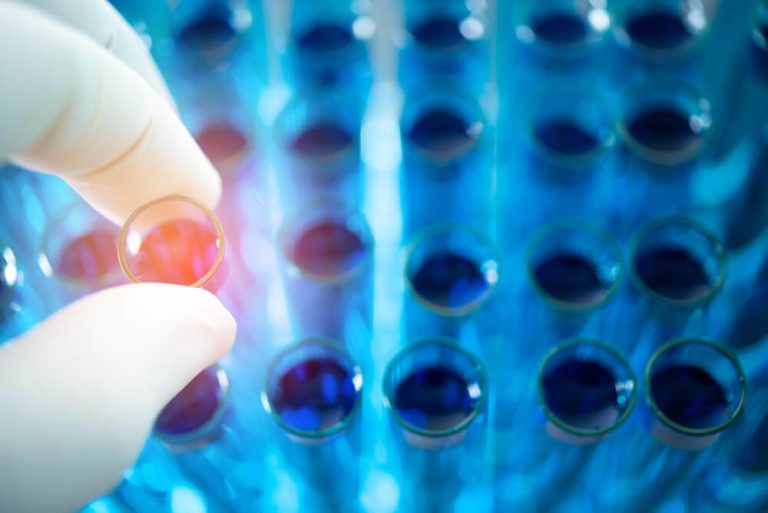
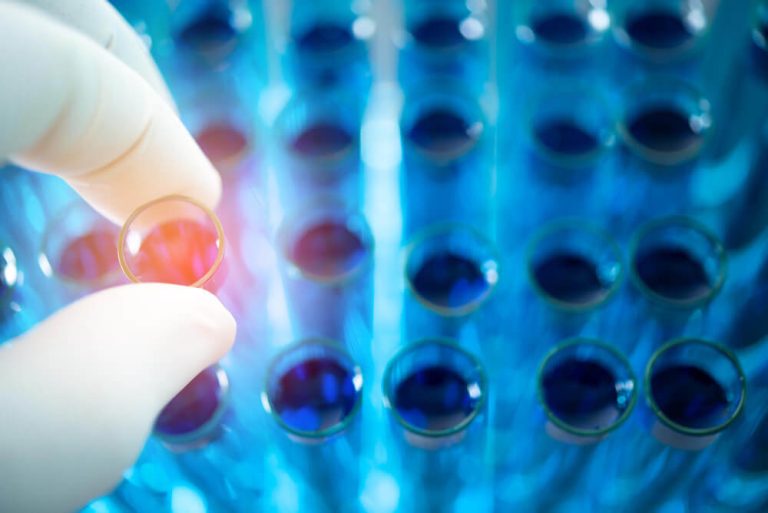
Your part involves providing a biological sample. Most commonly, this is a saliva sample collected in a small tube or a cheek swab that gently scrapes cells from the inside of your mouth. The process is painless and takes only a few minutes.
Once you have collected your sample, you seal it in the provided packaging and mail it back to the company’s laboratory. This is where the complex scientific work begins. In the lab, technicians extract your DNA from the cells in your sample.
This extracted DNA is then placed onto a tiny silicon chip called a microarray. This chip is engineered to detect hundreds of thousands of specific SNPs throughout your genome. The results are digitized and run through sophisticated algorithms to generate your personalized report, which you can then access through a secure online portal.

What Are the Different Types of DNA Tests Available?
Not all DNA tests are created equal. The type of test you choose depends entirely on what you hope to learn. The main categories focus on ancestry, health risks, and lifestyle traits, each using different methods and analyzing different parts of your DNA.
Understanding your goals is the first step in selecting the right path. Are you building a family tree, or are you more interested in optimizing your diet and fitness routine? Your answer will point you toward the most suitable test.

Can a DNA Test Reveal My Ancestry?
This is one of the most popular reasons people turn to genetic testing. Ancestry tests analyze your DNA to connect you with your heritage, providing an ethnicity estimate and potentially connecting you with living relatives.
These tests look at your autosomal DNA, which you inherit from both of your parents, giving you a broad overview of your recent ancestry from all branches of your family tree. The results break down your genetic makeup into percentages from different regions around the world.
For those interested in deep-diving into their family history, genetic genealogy has become an invaluable tool. It complements traditional paper-trail research by providing biological evidence of family connections. Enthusiasts and researchers can find a wealth of information and community support from organizations like the International Society of Genetic Genealogy.
Some tests also analyze Y-DNA, passed down from father to son, to trace a direct paternal line, and mitochondrial DNA (mtDNA), passed down from a mother to all her children, to trace a direct maternal line. These can reveal ancient migration patterns of your ancestors from thousands of years ago.

Can DNA Testing Predict My Health Risks?
Beyond ancestry, many tests offer insights into your genetic predisposition for certain health conditions. These tests scan your DNA for specific genetic variants that have been scientifically linked to an increased risk for diseases like late-onset Alzheimer’s, Parkinson’s, or certain types of cancer.
It is crucial to understand that these tests provide risk information, not a diagnosis. Having a specific genetic marker does not guarantee you will develop a condition; it simply means your genetic risk may be higher than average. Lifestyle and environmental factors play a significant role.
There are different levels of health testing. Direct-to-consumer tests provide reports on a limited number of conditions. For more comprehensive or diagnostic information, you would need a clinical-grade test ordered by a healthcare provider. You can find reliable general information about these different applications from government resources like the MedlinePlus genetic testing guide.
For instance, specific tests can look for mutations in the BRCA1 and BRCA2 genes, which significantly increase the risk of breast and ovarian cancers. Companies like Myriad Genetics specialize in this type of clinical-grade testing, working directly with healthcare professionals to provide actionable information for patient care and preventative strategies. This level of testing should always be done in consultation with a doctor or genetic counselor.

What Is Nutrigenomics and How Can It Affect My Diet?
Nutrigenomics is a fascinating field that studies the interaction between your genes, your nutrition, and your health. It moves beyond one-size-fits-all dietary advice, offering a personalized approach based on your unique genetic makeup.
Your genes can influence how your body processes macronutrients like fats and carbohydrates, as well as micronutrients like vitamins and minerals. For example, variations in the CYP1A2 gene can determine whether you are a ‘fast’ or ‘slow’ metabolizer of caffeine. This explains why one person can have an espresso after dinner and sleep soundly, while another gets jittery from a morning cup.
Similarly, a common variation in the MTHFR gene can affect how efficiently your body converts folate (vitamin B9) into its active form. People with this variant may have higher folate requirements. Understanding these genetic tendencies can help you tailor your diet to better support your body’s needs.
This personalized approach is gaining traction among forward-thinking clinicians. There is a growing body of work exploring the evidence for using nutrigenomics in patient plans, helping to create more effective and targeted nutritional strategies for health optimization and disease prevention.

How Can Genetics Influence My Response to Medication?
Have you ever wondered why a standard dose of a medication works perfectly for one person but causes side effects or has no effect on another? The answer may lie in their genes. This area of study is called pharmacogenomics.
Pharmacogenomics explores how your genetic variations affect your body’s response to specific drugs. Your genes produce enzymes that are responsible for metabolizing medications. Depending on your genetic code, you might break down a certain drug very quickly, requiring a higher dose, or very slowly, increasing your risk of side effects from a standard dose.
This information can be incredibly valuable for doctors. It can help them select the right drug and the most appropriate dosage from the start, avoiding a frustrating and potentially dangerous trial-and-error process. This is especially important for medications with narrow therapeutic windows, such as certain blood thinners, antidepressants, and pain relievers.
While genetics is a key piece of the puzzle, other biological factors are also at play. For instance, emerging research is uncovering the influence of the gut microbiome on pharmacokinetics, showing how the bacteria in our gut can also alter how we process drugs. This highlights the complex interplay of factors that determine individual drug response.

What About Fitness and Lifestyle Traits?
Many DNA tests also provide reports on a variety of wellness and lifestyle traits. These can range from your genetic likelihood of having a certain sleep chronotype (being a ‘night owl’ or ‘early bird’) to your skin’s potential aging characteristics.
In the realm of fitness, some tests analyze genes like ACTN3, often called the ‘gene for speed’. Certain variants are more common in elite power and sprint athletes, while other variants are associated with endurance performance. This does not mean your genes dictate your athletic destiny, but they can provide clues about your natural strengths.
These trait reports can be fun and interesting, offering another layer of self-discovery. They might explain why you dislike cilantro (a known genetic trait) or have a sweet tooth. However, it is important to remember that these are often complex traits influenced by many genes and, most importantly, by your environment and choices.

How Do I Choose the Right DNA Test for Me?
With so many companies and test types on the market, choosing the right one can feel overwhelming. The most important step is to clarify your primary goal. Are you curious about your ethnic roots, concerned about a specific health condition, or looking to optimize your wellness routine?
If your interest is purely in genealogy, choose a company with a large user database, as this increases your chances of finding relative matches. If your focus is health, look for a test that provides actionable insights and ideally offers access to genetic counseling to help you interpret the results.
It is also vital to understand the difference between direct-to-consumer (DTC) tests and clinical testing ordered by a doctor. DTC tests are great for informational and wellness purposes, but they are not diagnostic tools. The CDC’s guide to genetic testing offers valuable context on what to expect from different kinds of tests and how they are used in a healthcare setting.
Finally, always read the company’s privacy policy. Understand how your data will be used, stored, and protected. Reputable companies will be transparent about their policies and give you control over your genetic information, including the option to have your sample and data deleted.

What Are the Limitations and Ethical Considerations?
While DNA testing is a powerful tool, it comes with important limitations and considerations. First and foremost, a genetic test is not a crystal ball. For most common diseases, genes are only one piece of a much larger puzzle that includes your lifestyle, diet, environment, and other health factors.
Receiving your results can also be an emotional experience. You may uncover unexpected information about your health risks or family relationships. It is important to be prepared for this possibility. This is why genetic counselors are so valuable; they are trained professionals who can help you understand the implications of your results in a supportive environment.
Data privacy is perhaps the most significant ethical consideration. Your genetic data is the most personal information you have. Before you test, you should be clear on the company’s policy regarding sharing data with third parties, such as pharmaceutical companies or law enforcement.
Ultimately, the decision to take a DNA test is a personal one. Weighing the potential benefits of self-knowledge against the potential for unexpected or challenging information is a key part of the process. Being an informed consumer is your best defense.

How Can Healthcare Professionals Use This Information?
The rise of consumer genomics has also had a profound impact on the medical field. A growing number of healthcare practitioners are integrating genetic data into a more personalized and preventative approach to medicine. They use this information to create customized health plans that go beyond generic advice.
However, interpreting genetic data is a highly specialized skill. It requires a deep understanding of human genetics, biochemistry, and the latest scientific research. A raw data report from a consumer test is not something a practitioner can use without the proper training and context.
This has created a demand for advanced education in this area. To bridge this knowledge gap, dedicated programs now offer courses and certifications in clinical genomics for non-geneticists. These programs equip doctors, nutritionists, and other health professionals with the expertise to confidently and effectively apply genomic insights in their practice.
This shift represents the future of healthcare: a move away from a reactive, one-size-fits-all model toward a proactive, personalized system where treatment and prevention are tailored to your unique biological blueprint.

What Is the Future of Genetic Testing?
The field of genomics is advancing at an incredible pace. The cost of DNA sequencing has plummeted, making it more accessible than ever. The next frontier is whole genome sequencing, which analyzes your entire genetic code, not just select SNPs. As this becomes more affordable, it will offer an even more comprehensive view of our health.
We are also moving toward an integrated health model. In the near future, your genetic data will likely be combined with real-time information from wearable sensors, regular blood biomarker analysis, and microbiome testing. This holistic data stream will provide a dynamic and deeply personalized picture of your health.
This wealth of information will power the next generation of medicine, focusing on predicting and preventing disease long before symptoms appear. It is a future where healthcare is truly personalized, proactive, and participatory.
DNA testing has opened a window into our very essence. It offers a powerful new dimension of self-awareness, providing insights that can help us connect with our past and take control of our future health. It is not just about data; it is about empowerment.
Frequently Asked Questions
What happens if genetic testing doesn’t find a diagnosis for a rare disease?
A negative or inconclusive genetic test result can be disheartening, but it does not mean the diagnostic journey is over. This outcome may indicate that the underlying genetic cause has not yet been discovered by science or that the condition is not genetic in nature. Your medical team will review the results to discuss potential next steps, which could include re-analyzing the data in the future as new genetic discoveries are made.
In many cases, doctors may recommend different types of testing or refer you to specialized research programs that focus on undiagnosed diseases. It is also vital to continue managing symptoms and working with your healthcare providers to maintain the best possible quality of life. This ongoing partnership is crucial while the search for a definitive answer continues.

Is genetic testing for rare diseases typically covered by insurance?
Insurance coverage for genetic testing can vary significantly based on your provider, your specific plan, and the established medical necessity of the test. Insurers often require a letter of medical necessity from your doctor and pre-authorization before they will approve coverage for more comprehensive tests like whole exome sequencing. This is especially true if other, less extensive tests have already failed to yield a diagnosis.
It is essential to contact your insurance company directly to understand your policy’s specifics regarding genetic testing for diagnostic purposes. If coverage is initially denied, your doctor’s office or the genetic testing lab may offer assistance with the appeals process. Additionally, some laboratories and patient advocacy groups have financial assistance programs available to help reduce the out-of-pocket cost.

How does a genetic diagnosis for a rare disease impact other family members?
A genetic diagnosis provides crucial information that extends beyond the individual patient to their biological relatives. It can reveal if parents are carriers of the condition, which has significant implications for future family planning. Siblings and other close family members may also be at risk for having or carrying the same genetic variant.
Based on the specific inheritance pattern, a genetic counselor can help the family understand these risks and discuss options for cascade testing, where relatives are tested for the known mutation. This knowledge empowers family members to make informed decisions about their own health, preventative screenings, and reproductive choices. It can also help identify other affected relatives who may have been previously misdiagnosed or were asymptomatic.
Take the next step in your professional journey. Discover the most comprehensive functional medicine training, longevity training, and biohacking certification programs designed specifically for healthcare professionals, medics, and clinic owners who want to master regenerative medicine protocols and anti-aging therapies. Elevate your practice with Talking Longevity.