The Ultimate Guide to NAD Training and Its Role in Modern Wellness
In the ever-expanding universe of health and longevity, few molecules have generated as much excitement as NAD+. This tiny but mighty coenzyme is a cornerstone of life, playing a pivotal role in how our bodies produce energy and maintain cellular health. As we age, however, our natural levels of NAD+ begin a steady decline, a process linked to many of the hallmark signs of aging. This has sparked a revolution in wellness, with therapies designed to replenish this vital resource gaining immense popularity.
For healthcare practitioners and clinic owners, this represents a significant opportunity to offer cutting-edge services that address the root causes of age-related decline. However, harnessing the power of NAD+ effectively and safely requires specialized knowledge. This is where comprehensive NAD training becomes not just beneficial, but absolutely essential for anyone looking to integrate these powerful protocols into their practice.
Understanding the science, application, and safety protocols behind NAD+ therapy is the foundation of successful patient outcomes. This guide will explore the world of NAD+, from its fundamental role in our biology to the critical importance of professional education for those administering it. We will delve into why this molecule is so crucial and how practitioners can become leaders in this exciting field of regenerative medicine.

What is this Molecule Everyone is Talking About?
Nicotinamide Adenine Dinucleotide, or NAD+, is a coenzyme found in every living cell in your body. Think of it as a microscopic shuttle bus, constantly working behind the scenes. Its primary job is to transport electrons from one molecule to another during metabolic processes, which is the fundamental way your cells create energy.
This molecule exists in two forms: NAD+, the oxidized form, and NADH, the reduced form. The continuous conversion between these two states is what allows energy to be transferred and utilized. Without NAD+, critical cellular functions, including the conversion of food into energy, would grind to a halt. It is a linchpin of cellular vitality.

Why is NAD+ So Important for Our Bodies?
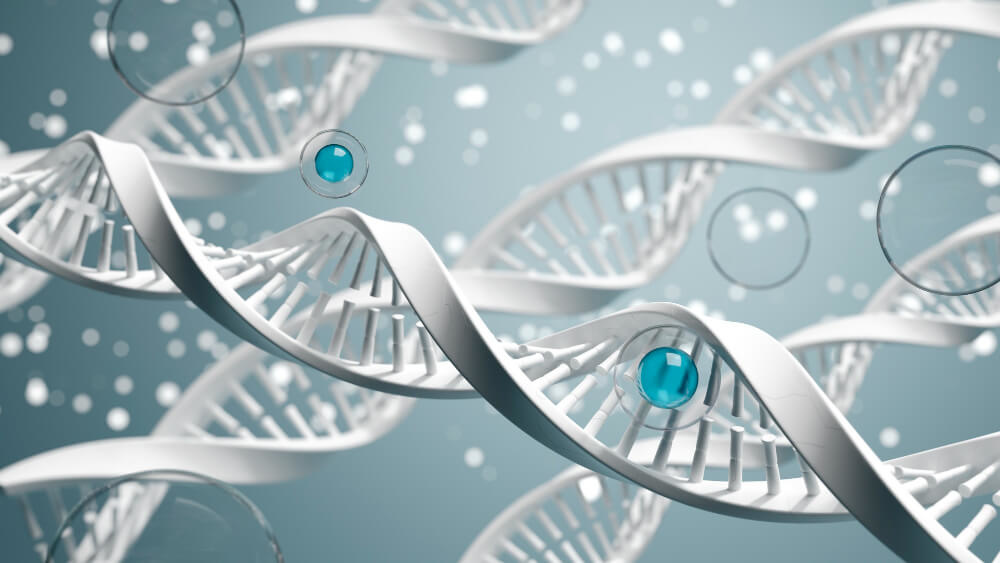
The importance of NAD+ extends far beyond simple energy production. It is a crucial substrate for several key enzyme families, most notably sirtuins and PARPs. Sirtuins are often called ‘longevity genes’ because they regulate cellular health, inflammation, and stress resistance. PARPs are enzymes that are essential for repairing damaged DNA.
When NAD+ levels are high, these protective enzymes function optimally, helping to maintain cellular resilience and repair damage before it accumulates. This multifaceted role in energy, repair, and regulation is why NAD+ is considered a cornerstone of health and a key target in anti-aging research. Its influence touches nearly every biological system, from our metabolism to our cognitive function.
Why Do Our NAD+ Levels Decrease?
The decline of NAD+ is a natural part of the aging process. Studies have shown that by the time we reach middle age, our NAD+ levels may be half of what they were in our youth. This reduction is not just a passive consequence of getting older; it is an active contributor to the aging process itself.
Several factors accelerate this decline. Chronic inflammation, oxidative stress from environmental toxins, a diet high in processed foods, excessive alcohol consumption, and a lack of quality sleep all place a heavy demand on our NAD+ supply. As our cells work harder to repair damage, they consume more NAD+, leading to a systemic depletion over time.
This decline creates a vicious cycle. Lower NAD+ levels impair the cell’s ability to produce energy and repair itself, which in turn leads to more cellular damage and further NAD+ consumption. This cascade is thought to underlie many age-related conditions, from cognitive decline to metabolic dysfunction.
How Can We Boost Our NAD+ Levels?
Fortunately, the decline in NAD+ is not irreversible. There are several strategies available to help replenish and support our body’s supply of this critical coenzyme. These approaches range from simple lifestyle adjustments to advanced clinical therapies, each offering a unique way to support cellular health.
Lifestyle choices form the bedrock of maintaining healthy NAD+ levels. Regular exercise, particularly high-intensity interval training, has been shown to stimulate NAD+ production. Similarly, caloric restriction and intermittent fasting can activate pathways that conserve and recycle NAD+. A diet rich in B vitamins and whole foods provides the raw materials your body needs to synthesize its own NAD+.
For a more direct approach, supplementation with NAD+ precursors is a popular option. These are molecules that the body can convert into NAD+. The two most well-researched precursors are Nicotinamide Mononucleotide, often called NMN, and Nicotinamide Riboside, or NR. These oral supplements provide the building blocks for cellular NAD+ production. Many experts, including thought leaders like Peter Attia, have explored the potential of NMN as a strategy to support healthy aging.
The most direct and potent method for increasing NAD+ levels is through intravenous, or IV, therapy. This method bypasses the digestive system and delivers NAD+ directly into the bloodstream, ensuring 100% bioavailability. This approach allows for higher, more concentrated doses to be administered under clinical supervision, making it a powerful tool for achieving rapid and significant replenishment. The therapeutic potential of NAD+ repletion is a subject of intense scientific interest and clinical application.

What is the Difference Between Precursors and Direct NAD+?
The main difference between taking oral precursors like NMN or NR and receiving IV NAD+ therapy lies in the delivery and conversion process. Precursors are the raw materials. When you ingest them, they must be absorbed through the gut, travel to the cells, and then be converted into NAD+ through a series of enzymatic steps. This process can be influenced by individual genetics, gut health, and metabolic efficiency.
IV NAD+ therapy, on the other hand, delivers the finished product directly to your cells. This circumvents any potential bottlenecks in the conversion pathway, providing an immediate and guaranteed increase in systemic NAD+ levels. While oral precursors are excellent for daily maintenance and long-term support, IV therapy is often used for more intensive ‘loading’ protocols or for individuals seeking more profound and rapid effects.
Both approaches have their place in a comprehensive longevity strategy. The choice between them often depends on an individual’s specific goals, health status, and budget. For practitioners, understanding the nuances of each method is key to providing personalized recommendations to their patients. This understanding is supported by foundational research, such as studies published in journals like Cell Metabolism that explore NAD+ precursor function.

What is NAD+ IV Therapy?
NAD+ IV therapy is a medical procedure where a solution containing Nicotinamide Adenine Dinucleotide is slowly infused into a patient’s bloodstream through a vein. The process is similar to receiving any other type of intravenous drip and is performed in a clinical setting by a trained healthcare professional.
This therapy has gained significant attention for its potential to rapidly restore cellular function. By flooding the body with this essential coenzyme, the therapy aims to kickstart cellular repair mechanisms, boost energy production, and enhance neurological function. Patients often report feeling a surge in mental clarity, improved mood, and increased physical energy following a course of treatment.
Clinics offer NAD+ IV therapy for a variety of applications. These include anti-aging and wellness protocols, support for athletic performance and recovery, management of chronic fatigue, and as an adjunctive therapy for neurodegenerative conditions and addiction recovery. The direct, high-impact nature of IV delivery makes it a versatile and powerful intervention.
Why is Professional Training Essential for Administering NAD+?
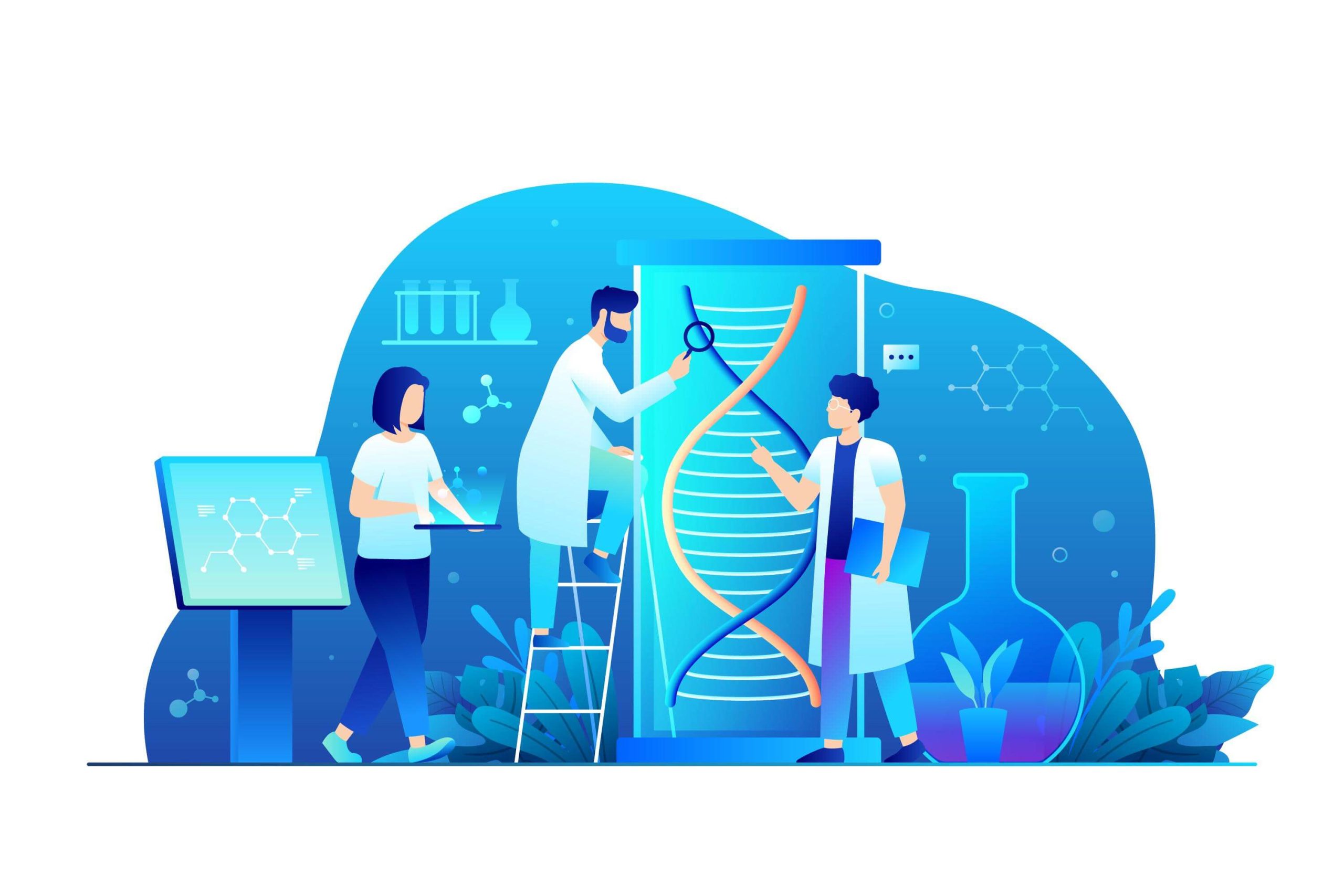
While the benefits of NAD+ therapy are compelling, its administration is not a simple ‘one size fits all’ procedure. It is a potent biochemical intervention that requires a deep understanding of physiology, patient assessment, and safety protocols. This is why professional training is absolutely non-negotiable for any practitioner offering this service.
Proper training ensures that the therapy is both safe and effective. It covers the critical knowledge needed to manage the entire process, from initial patient screening to post-infusion care. Without this education, practitioners risk suboptimal outcomes or, worse, patient harm. For example, the rate of infusion is a critical factor; administering NAD+ too quickly can cause uncomfortable side effects like chest pressure, flushing, and nausea. A trained professional knows how to titrate the drip rate to the patient’s tolerance.
Furthermore, understanding the science is paramount. A well-trained practitioner can explain exactly why the therapy works, particularly the role of NAD+ in mitochondrial function and health. This ability to educate patients builds trust and ensures they have realistic expectations. Ultimately, professional training transforms the administration of NAD+ from a simple task into a sophisticated therapeutic art, prioritizing patient well-being above all else. This includes knowing how to administer intravenous NAD+ safely and effectively, which is the cornerstone of any reputable practice.

What Does NAD Training Typically Cover?
A comprehensive NAD+ training program goes far beyond just learning how to insert an IV line. It provides a holistic education designed to equip healthcare professionals with the confidence and competence to master this therapy. A quality curriculum will be multifaceted, covering the science, the clinical application, and the business logistics.
First and foremost, training delves deep into the biochemistry of NAD+ and its precursors. Practitioners learn about the metabolic pathways, the function of sirtuins and PARPs, and the mechanisms behind NAD+ depletion and repletion. This scientific foundation is crucial for understanding why and how the therapy works.
Next, the focus shifts to clinical protocols. This involves learning how to conduct thorough patient consultations, identify ideal candidates, and recognize contraindications. Training provides evidence-based protocols for various conditions, including specific dosing recommendations, infusion schedules, and synergistic therapies that can enhance outcomes. A major component is learning to manage patient experiences, including setting expectations and mitigating potential side effects.
Finally, a robust training program addresses the practical aspects of running a successful service. This includes guidance on sourcing high-quality NAD+, proper mixing and storage procedures, and creating a safe and comfortable environment for patients. It also often includes vital information on the business side of practice integration, such as understanding the specifics of billing and coding for preventative and longevity medicine, which is essential for creating a sustainable and compliant business model.
What Does the Future Hold for NAD+?
The field of NAD+ research is dynamic and rapidly evolving. What was once a niche topic in biochemistry labs is now at the forefront of longevity and preventative medicine. The future of NAD+ looks incredibly bright, with ongoing studies exploring its full potential to enhance human healthspan, which is the period of life spent in good health.
Researchers are investigating the role of NAD+ repletion in a wider range of age-related conditions, from cardiovascular disease to metabolic syndrome and cognitive health. As our understanding deepens, we can expect to see more refined and personalized therapeutic protocols emerge. This may include new delivery methods, combination therapies, and more precise ways to measure and track individual NAD+ levels.
This growing body of evidence is fueling interest from both the medical community and the general public. More people are becoming proactive about their health and seeking out strategies that address aging at the cellular level. NAD+ therapy is perfectly positioned to meet this demand, moving from a novel treatment to a mainstream component of a comprehensive wellness plan.
For practitioners, this signifies a paradigm shift. The focus is moving away from simply treating disease and toward proactively optimizing health and resilience. By embracing therapies like NAD+ and investing in the proper training, healthcare professionals can position themselves as leaders in the future of medicine, helping their patients not just live longer, but live better.
Frequently Asked Questions

How can our practice effectively demonstrate medical necessity to prevent insurance denials for IV nutritional therapy?
To effectively demonstrate medical necessity, your documentation must paint a clear and compelling picture of why the IV therapy is essential for the patient’s health. This starts with a specific, supported diagnosis, such as malabsorption syndrome, severe dehydration, or a diagnosed vitamin deficiency that cannot be corrected orally. The physician’s notes must explicitly state why the patient is unable to tolerate or absorb oral supplements, making intravenous administration the only viable treatment route.
Furthermore, bolstering your claim with objective data is critical for securing reimbursement and surviving an audit. Include relevant lab results that confirm the deficiency, and ensure the signed physician’s order details the specific infusion ingredients, dosage, and frequency. Proactively seeking pre-authorization from payers whenever possible can also significantly reduce the likelihood of a post-service denial.
Can I bill for an IV push and a therapeutic infusion on the same day for the same patient?
Yes, you can bill for both an IV push and a therapeutic infusion during the same patient encounter, but it requires precise coding and clear documentation. The key is that the services must be separate and distinct, meaning one is not incidental to the other. You will likely need to append a modifier, such as Modifier 59, to the secondary procedure code to indicate it was a distinct procedural service.
For this to be compliant, the medical record must justify the need for both administration methods. For example, a patient may receive a primary IV infusion for hydration (e.g., CPT 96360) and also require a separate IV push of an antiemetic medication (e.g., CPT 96374) to manage nausea. The documentation must clearly differentiate the two services, including the different substances administered and the medical rationale for each.

What specific documentation is required in the patient’s chart to support the J-codes used for the nutritional substances?
Supporting J-codes requires meticulous documentation that goes beyond just listing the substance administered. Each entry must clearly state the name of the drug or substance, the precise dosage given to the patient, and the route of administration. You must also record the National Drug Code (NDC) from the vial used, as this is increasingly required by payers to verify the product.
In addition, your records must accurately account for the amount of the substance used versus any amount that was wasted. If you must discard the remainder of a single-use vial, this wastage must be documented according to payer-specific guidelines to ensure you can bill for the entire vial. Failing to document waste properly is a common reason for J-code claim denials and audit failures.
Are you ready to be at the forefront of the longevity revolution? Discover the most comprehensive functional medicine training, longevity training, and biohacking certification programs designed specifically for healthcare professionals, medics, and clinic owners who want to master regenerative medicine protocols and anti-aging therapies. Elevate your practice with Talking Longevity.