Exosome Training: Unlocking the Next Frontier in Regenerative Medicine
The world of medicine is on the brink of a monumental shift, powered by something so small it was once considered cellular dust. These tiny messengers, called exosomes, are revolutionizing our understanding of how the body heals, communicates, and ages. For healthcare professionals and anyone fascinated by the future of health, this new field represents a paradigm-changing opportunity.
As the potential of exosome therapy grows, so does the urgent need for credible, in-depth education. The complexity and power of this biotechnology demand more than a weekend seminar; it requires a deep dive into the science, safety protocols, and clinical applications. Understanding this is the first step toward mastering this cutting-edge modality, and comprehensive exosome training is the bridge between theoretical knowledge and practical expertise for medical practitioners.
This guide will explore the incredible world of exosomes, demystifying the science behind them. We will look at why they are generating so much excitement, what proper training entails, and what the future holds for this remarkable area of regenerative medicine. It’s a journey into the body’s own communication network, a system we are only now beginning to understand and harness.

What Exactly Are Exosomes?
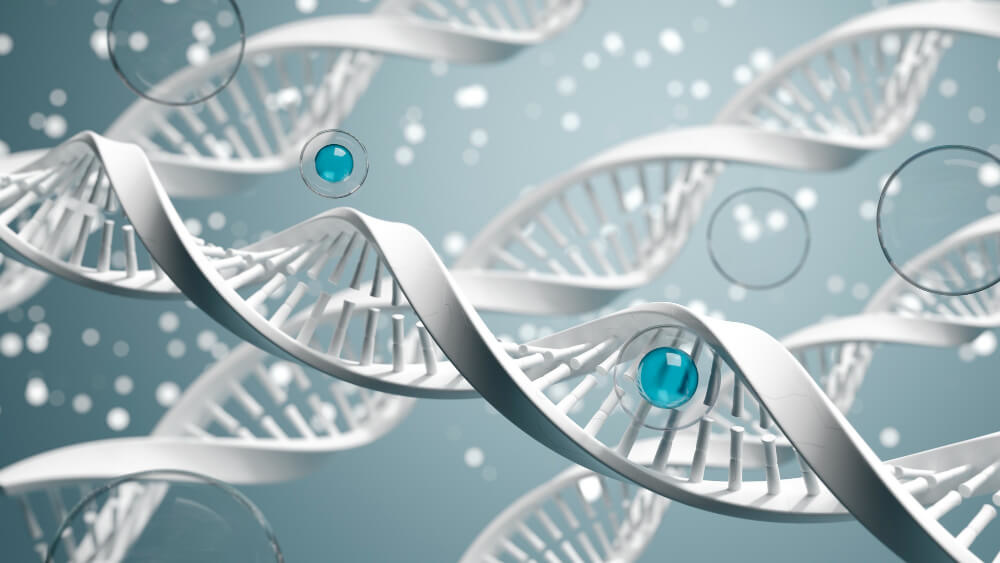
Imagine your body is a vast, bustling country with trillions of citizens, which are your cells. For this country to function, messages must be sent constantly between different cities and states. Exosomes are the high-tech, express mail carriers in this system. They are nano-sized vesicles, or tiny bubbles, released by almost all types of cells.
For a long time, scientists thought these vesicles were just a way for cells to discard waste. However, we now know they are sophisticated communication packages. Each exosome is packed with a specific cargo of proteins, lipids, and genetic material like RNA, carefully selected by its parent cell.
When an exosome is released, it travels through the bloodstream or other bodily fluids until it finds its target cell. It then fuses with that cell and delivers its cargo, effectively giving the recipient cell a set of instructions. These instructions can tell a cell to repair itself, to reduce inflammation, or even to behave more like a younger, healthier cell.
This process of intercellular communication is fundamental to how our bodies maintain health, fight disease, and repair tissue. By understanding and utilizing these natural messengers, we open up entirely new possibilities for therapeutic interventions.
Why Is Everyone Talking About Exosomes in Medicine?
The excitement surrounding exosomes stems from their incredible versatility and natural origin. Unlike synthetic drugs that can have unintended side effects, exosomes are a part of the body’s innate biological system. They are nature’s own delivery service, fine-tuned over millennia.
One of the most promising areas is regenerative medicine. Exosomes derived from young, healthy stem cells can be used to encourage tissue repair and reduce inflammation in areas of injury or degeneration. They can signal older or damaged cells to begin a rejuvenation process, making them a powerful tool in anti-aging and aesthetic medicine.
Beyond regeneration, exosomes hold immense potential for diagnostics. Because they carry molecular information from their cell of origin, analyzing exosomes in a blood sample could one day provide a real-time snapshot of a person’s health. This could lead to early detection of diseases long before symptoms appear, creating a new era of proactive, personalized medicine.
Their ability to cross barriers in the body, like the blood-brain barrier, also makes them ideal candidates for targeted drug delivery. Scientists are exploring ways to load exosomes with specific therapeutic agents and guide them directly to diseased tissues, minimizing systemic exposure and maximizing efficacy.
How Do Exosomes Work Their Magic?
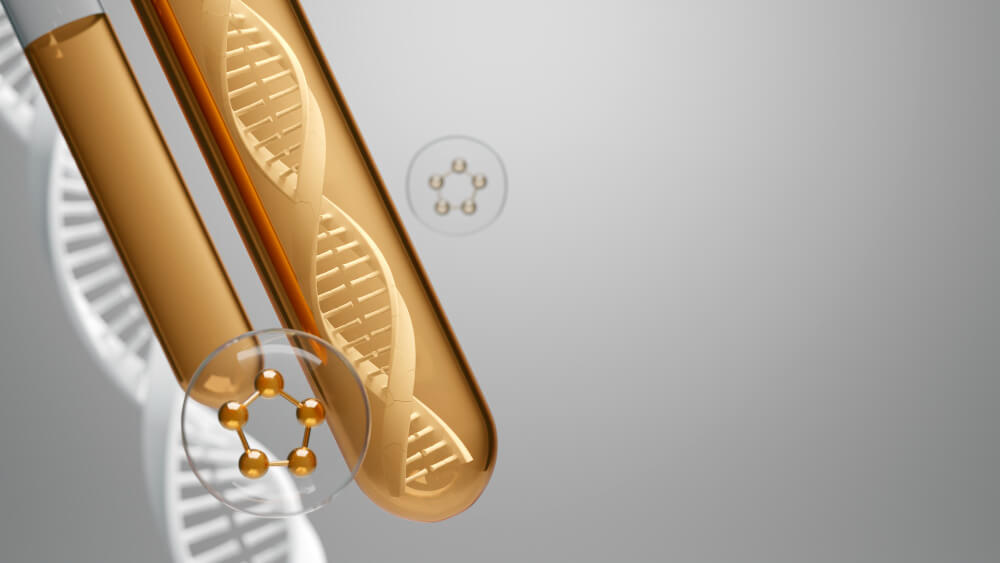
The mechanism behind an exosome’s influence is all about the cargo it carries. It’s not the bubble itself that works the magic, but the precious information it contains. This cargo can be broadly categorized into three main types: proteins, lipids, and nucleic acids.
Proteins within exosomes can act as signaling molecules, triggering specific pathways within the recipient cell. For example, they might carry growth factors that stimulate cell proliferation and tissue repair. They can also carry enzymes that alter the recipient cell’s metabolic activity.
Lipids, which form the outer shell of the exosome, are not just passive packaging. They play an active role in helping the exosome fuse with the target cell and can also have signaling functions of their own. The specific lipid composition can influence an exosome’s stability and destination.
Perhaps the most fascinating cargo is the nucleic acids, particularly messenger RNA (mRNA) and microRNA (miRNA). These molecules are essentially genetic blueprints and regulators. When delivered to a recipient cell, they can alter its gene expression, effectively reprogramming it to perform new functions or to stop performing harmful ones. This is the basis for their powerful anti-inflammatory and regenerative effects.
What Does Exosome Training Involve for Healthcare Professionals?
As exosome therapy moves from the research lab to the clinic, the need for standardized, high-quality training has become paramount. This is not a simple procedure to be learned from a manual. It requires a comprehensive understanding of cell biology, patient selection, safety protocols, and the regulatory landscape.
Proper training programs cover the fundamental science first, ensuring practitioners have a solid grasp of what exosomes are and how they function. This includes the biology of cell-to-cell communication and the mechanisms by which exosome cargo influences recipient cells. A great starting point for this foundational knowledge can be found in resources that offer an introduction to exosomes and their basic properties.
Next, the curriculum delves into the practical aspects. This involves learning about the different sources of exosomes, such as those derived from mesenchymal stem cells, and the various methods used for their isolation and purification. Quality control is a major focus, as the efficacy and safety of the therapy depend on the purity and concentration of the exosome product.
Clinical application protocols are another core component. Practitioners learn how to assess patients to determine if they are good candidates for exosome therapy. They are trained on administration techniques, appropriate dosing, and how to combine exosome therapy with other modalities for synergistic effects. Finally, a crucial part of any credible program is a thorough review of the current ethical and regulatory guidelines governing this emerging therapy.

Is This Training Just for Specialized Researchers?
While researchers laid the groundwork, the application of exosomes is rapidly expanding into clinical practice. Consequently, the audience for this education has broadened significantly. Today, a wide range of medical professionals are seeking to add this tool to their skillset.
Specialized programs offering exosome therapy training for doctors are designed to equip physicians with the clinical confidence to integrate these treatments. This includes specialists in orthopedics, dermatology, and functional medicine who see direct applications for tissue repair, skin rejuvenation, and systemic wellness.
Clinic owners and nurse practitioners are also key participants. They are often at the forefront of patient care and are instrumental in administering treatments and educating patients. Proper training ensures the entire clinical team operates from the same high standard of knowledge and safety.
Ultimately, anyone involved in regenerative or anti-aging medicine can benefit from understanding this technology. It represents a significant advancement in the field, and being knowledgeable about its potential and limitations is becoming a new standard of care.
What Key Skills Are Taught?
Effective exosome training focuses on building a specific set of tangible skills that go beyond theoretical knowledge. The first is the ability to critically evaluate exosome products. Practitioners learn how to read a certificate of analysis and understand the metrics that define a high-quality product, such as particle count, purity, and the presence of key biomarkers.
Another critical skill is patient assessment and consultation. Training teaches professionals how to set realistic expectations with patients, explain the science in understandable terms, and develop a personalized treatment plan. This includes identifying contraindications and managing patient follow-up.
Practitioners also learn specific handling and administration protocols. Because exosomes are biological products, they require careful storage and preparation to maintain their viability. The training covers various delivery methods, from localized injections for joint pain or hair loss to intravenous infusions for systemic effects, ensuring that the technique matches the therapeutic goal.
Finally, a key takeaway is the ability to stay current in a rapidly evolving field. Good training provides a framework for ongoing learning, teaching practitioners how to interpret new research and integrate emerging best practices into their clinical work.
Are There Different Types of Regenerative Medicine Training?
Exosome training is a prominent part of a much larger movement in medicine towards functional, regenerative, and longevity-focused therapies. As our understanding of the aging process and chronic disease deepens, new educational pathways are emerging for healthcare professionals who want to move beyond the traditional ‘sick care’ model.
These training programs share a common philosophy: to address the root causes of dysfunction rather than just managing symptoms. They empower practitioners with tools to optimize patient health and extend healthspan, not just lifespan. For instance, alongside exosome education, many professionals are seeking certification in other foundational areas of age management.
One of the most established and impactful areas is hormone optimization. For example, comprehensive Testosterone Replacement Therapy (TRT) training for GPs teaches family doctors how to safely and effectively manage age-related hormone decline. This has profound effects on a patient’s energy, body composition, cognitive function, and overall quality of life.
Other related fields of study include peptide therapy, nutritional science, and advanced diagnostics. The modern regenerative medicine practitioner often builds a portfolio of these skills, allowing them to create truly holistic and personalized treatment plans for their patients. Exosome therapy is a powerful addition to this toolkit, often used to amplify the results of these other interventions.

What Are the Challenges and Considerations in Exosome Therapy?
With any powerful new technology, there comes a set of challenges and important considerations. The field of exosome therapy is no exception, and it is crucial for both practitioners and the public to be aware of them. The biggest challenge currently is the lack of regulatory standardization.
The U.S. Food and Drug Administration (FDA) has noted the proliferation of unapproved products and has issued warnings about clinics making unsubstantiated claims. The agency has released a public safety notification on exosome products to caution consumers about treatments that have not undergone the necessary rigorous review. This highlights the absolute necessity for practitioners to use products from reputable labs and to be transparent with patients about the current regulatory status.
Quality control is another significant hurdle. The therapeutic effect of an exosome preparation is directly related to its contents. However, the concentration and cargo of exosomes can vary widely depending on the source cells and the manufacturing process. Without industry-wide standards for production and characterization, there can be inconsistency between products, making it difficult to compare clinical results.
There is also a great deal of research still to be done. While early results are incredibly promising, we are still learning about optimal dosing, the best sources for therapeutic exosomes, and the long-term effects of treatment. This is why ongoing education and a commitment to evidence-based practice are so vital for any professional in this space.
How Is the Industry Ensuring Quality and Safety?
In response to these challenges, the responsible segment of the industry is actively working to establish best practices for quality and safety. Leading laboratories are investing heavily in technologies to ensure their exosome products are pure, potent, and consistent.
This involves sophisticated characterization techniques to verify the size and concentration of the vesicles and to analyze their protein and RNA content. They provide detailed certificates of analysis with their products, giving practitioners transparent data to support their clinical decisions.
Furthermore, educational initiatives are emerging to raise the bar for the entire field. Organizations are developing resources focused on the complexities of exosome bioproduction, helping to standardize the manufacturing process from cell bank to final product. This focus on the upstream process is critical for ensuring that the final therapeutic material is safe and effective.
This self-regulation, combined with a commitment to rigorous scientific inquiry and practitioner education, is paving the way for the legitimate and responsible growth of exosome therapy. It is a collaborative effort between researchers, manufacturers, and clinicians to build a foundation of trust and efficacy.

What Does the Future Hold for Exosome Applications?
The future of exosome therapy is incredibly bright, with potential applications that sound like they are pulled from science fiction. As our ability to isolate, analyze, and even engineer exosomes improves, their use in medicine will become increasingly targeted and powerful.
One of the most exciting frontiers is in the treatment of neurodegenerative diseases like Alzheimer’s and Parkinson’s. Because exosomes can cross the blood-brain barrier, they offer a potential vehicle to deliver restorative growth factors or protective molecules directly to the brain, something that has been a major challenge for conventional drug development.
In oncology, researchers are exploring a dual strategy. First, they are analyzing exosomes released by tumors for early cancer detection. Second, they are designing ‘trojan horse’ exosomes that can deliver chemotherapy drugs directly to cancer cells, sparing healthy tissue and dramatically reducing side effects. This concept is supported by groundbreaking research in cell communication that underpins our understanding of how these vesicles interact with target cells.
In the realm of anti-aging, the focus will likely shift from general rejuvenation to highly personalized treatments. Imagine a future where your own young, healthy cells can be harvested and used to produce exosomes that are a perfect match for your body, providing a bespoke therapy to combat the aging process at a cellular level.

Why is Proper Education So Critical in This Field?
As we stand at the dawn of this new age in medicine, the importance of proper education cannot be overstated. The potential benefits of exosome therapy are immense, but so are the risks associated with its improper use. A weekend course or a marketing seminar is simply not enough to confer the expertise needed to administer these treatments safely and effectively.
High-quality training protects patients. It ensures that practitioners understand the science, respect the current regulatory environment, and prioritize patient safety above all else. It equips them to distinguish between high-quality, well-characterized products and those that are unproven and potentially unsafe.
Proper education also protects the practitioner and the field itself. By adhering to evidence-based protocols and ethical guidelines, clinicians build trust and contribute to the body of knowledge. This responsible approach is what will ultimately allow exosome therapy to achieve its full potential and become a mainstream, accepted standard of care.
Investing in deep, comprehensive training is an investment in the future. It is a commitment to excellence and a recognition that with great power comes great responsibility. For healthcare professionals looking to lead the way in regenerative medicine, there is no substitute for a world-class education.
Frequently Asked Questions

How does this certification impact my practice’s liability and patient safety protocols?
Completing a formal certification in exosome and regenerative therapies establishes a recognized standard of care for your practice. This credential demonstrates that you have undergone specialized training in evidence-based protocols, which can be a critical factor in mitigating professional liability. By adhering to standardized guidelines for patient selection, product sourcing, and administration techniques, you minimize risks and create a more defensible position against potential claims.
Furthermore, the training directly enhances your clinic’s patient safety framework by focusing on crucial details like contraindications and managing patient expectations. The curriculum ensures you can obtain truly informed consent by clearly explaining the potential benefits and limitations of the treatments. This focus on safety and transparency not only protects the patient but also strengthens the integrity and reputation of your practice.
What are the ongoing requirements to maintain this certification in regenerative therapies?
Maintaining your certification typically requires a commitment to continuing education, ensuring your skills remain current in this rapidly evolving field. Most certifying bodies mandate the completion of a specific number of continuing education units or hours on a biennial or annual basis. These credits are often earned by attending advanced workshops, participating in approved webinars, or contributing to relevant research.
The purpose of these ongoing requirements is to uphold the high standards of the certification and ensure practitioners are aware of the latest scientific findings, new application techniques, and shifting regulatory landscapes. The recertification process is generally straightforward, involving the submission of completed credits through an online portal and payment of a renewal fee. This ensures that certified professionals consistently provide the safest and most effective treatments available.
Beyond clinical skills, what business and marketing advantages does this certification offer?
This specialized certification serves as a powerful marketing tool that immediately differentiates your practice in a competitive market. It acts as a third-party endorsement of your expertise, which can be prominently featured on your website, marketing materials, and in your office to build trust with prospective patients. This credential signals that your practice is at the forefront of aesthetic and regenerative medicine, attracting clients seeking the most advanced treatments.
From a business perspective, this validated expertise allows you to confidently introduce premium-priced services, creating new and significant revenue streams. The certification builds the patient confidence necessary to command higher price points and fosters long-term loyalty. Ultimately, it transforms your clinical proficiency into a tangible business asset that enhances your brand’s authority and profitability.
Discover the most comprehensive functional medicine training, longevity training, and biohacking certification programs at Talking Longevity. Our courses are designed specifically for healthcare professionals, medics, and clinic owners who want to master regenerative medicine protocols and anti-aging therapies. Take the next step in your professional journey and become a leader in the future of medicine.