Longevity Training: The Ultimate Guide to Exercising for a Longer, Healthier Life
We all share a fundamental human desire: to live a long life. But what if we could redefine that goal? Instead of simply adding more years, what if we focused on adding more life, more vitality, and more function to those years? This is the core principle behind the shift from focusing on lifespan to prioritizing healthspan, the period of our lives spent in good health, free from chronic disease and disability.
This is where a strategic approach to physical activity becomes paramount. It’s not just about going to the gym; it’s about engaging in a thoughtful, holistic practice designed to optimize your body for the long haul. This practice is known as longevity training, and it represents a paradigm shift in how we view exercise as a tool for aging.
Longevity training is a comprehensive fitness methodology focused on improving healthspan by targeting the physical attributes that decline with age. It’s less about aesthetics and more about function, resilience, and biological optimization. It’s an investment in your future self, ensuring you have the strength, balance, and energy to enjoy life to its fullest for decades to come.

Why is movement so crucial for a long life?
To understand the power of longevity training, we must first appreciate why movement is so deeply intertwined with our biology. Our bodies are designed to move. For millennia, human survival depended on physical activity, and our cells evolved in response to this demand. When we are sedentary, we send a signal to our body that it can begin to power down non-essential systems, leading to a cascade of negative effects.
At a cellular level, exercise is one of the most potent anti-aging interventions available. It stimulates mitochondrial biogenesis, the creation of new mitochondria, which are the powerhouses of our cells. More robust mitochondria mean more cellular energy, slowing down a key aspect of the aging process. Regular physical activity also helps maintain telomere length, the protective caps on our DNA that shorten as we age.
Furthermore, movement is a powerful anti-inflammatory. Chronic, low-grade inflammation is a known driver of nearly every age-related disease, from heart disease and type 2 diabetes to neurodegenerative conditions. Exercise helps to regulate the immune system and reduce these inflammatory markers, creating a healthier internal environment.
Beyond the cellular benefits, an active lifestyle is fundamental to maintaining cognitive function. Exercise increases blood flow to the brain, promotes the growth of new neurons, and enhances the connections between brain cells. This helps to protect memory, improve focus, and reduce the risk of dementia and Alzheimer’s disease. The connection between a healthy body and a sharp mind is undeniable.
What are the core components of an effective longevity exercise plan?
An effective longevity training program isn’t random. It’s a balanced portfolio of different types of movement, each targeting a specific aspect of physical decline. Think of it as a four-legged stool; if one leg is weak or missing, the entire structure becomes unstable. The four pillars of longevity training are Stability, Strength, Aerobic Efficiency, and Anaerobic Performance.
Mastering these four domains creates a synergistic effect, building a body that is not just fit, but resilient. It’s a body that can resist injury, recover quickly, maintain a high metabolic rate, and power you through any activity you wish to pursue, whether you’re 40, 60, or 80 years old. Let’s explore what each of these pillars entails and why it’s so critical for your healthspan.

How does improving stability extend your healthspan?
Stability is perhaps the most overlooked yet most foundational pillar of longevity. It encompasses balance, core strength, and joint integrity. It’s our ability to control our body’s position in space, whether we are standing still or moving. As we age, our proprioception, or the body’s awareness of its position, naturally declines, making stability training essential.
The most compelling reason to focus on stability is fall prevention. Falls are a major threat to the independence and health of older adults. A fall can lead to a hip fracture, a traumatic brain injury, or a debilitating fear of movement that creates a downward spiral of inactivity and muscle loss. By actively training our balance and stabilizing muscles, we can dramatically reduce this risk.
Stability work strengthens the deep muscles of the core, which support the spine and pelvis. A strong, stable core is the foundation for all other movements, protecting your back from injury during everyday activities like lifting groceries or playing with grandchildren. It also improves posture, which can alleviate chronic pain and improve respiratory function.
Simple exercises to enhance stability include single-leg stands, tandem walking (heel-to-toe), and dynamic movements found in practices like Tai Chi and yoga. Incorporating exercises on unstable surfaces, like a foam pad or balance disc, can further challenge and improve your stabilizing systems. These aren’t flashy movements, but they are profoundly important for maintaining autonomy and quality of life.
Why is building muscle the key to aging gracefully?
Muscle is our metabolic currency. It is far more than just a tool for lifting heavy things; it is a vital endocrine organ that plays a central role in our overall health. Unfortunately, beginning around age 30, we start to lose muscle mass in a process called sarcopenia. This loss accelerates with age and is a primary driver of frailty and metabolic disease.
Strength training is the single most effective antidote to sarcopenia. By challenging our muscles with resistance, we signal them to grow stronger and more resilient. This has profound benefits. Stronger muscles mean stronger bones, as the mechanical load of resistance training stimulates an increase in bone mineral density, directly combating osteoporosis.
Moreover, muscle is a major consumer of glucose. The more muscle mass you have, the more ‘storage’ you have for carbohydrates, improving insulin sensitivity and drastically reducing your risk of type 2 diabetes and metabolic syndrome. A healthy muscle mass is a cornerstone of maintaining a lean body composition and a high resting metabolism.
According to the National Institute on Aging, exercise and physical activity are critical for older adults to maintain independence. Strength training directly translates to improved functional capacity. It’s what allows you to carry your suitcases, get up from the floor with ease, and open a stubborn jar. The goal is to build a ‘reserve’ of strength that will serve you for your entire life. Aim for two to three full-body resistance training sessions per week, focusing on compound movements like squats, lunges, push-ups, and rows.

What role does cardio play in cellular health?
Aerobic exercise, often called cardio, is the cornerstone of cardiovascular health and mitochondrial fitness. This type of exercise is performed at a low to moderate intensity, where you can still hold a conversation. It’s often referred to as Zone 2 training, and it is perhaps the most important type of exercise for improving healthspan.
During steady-state aerobic exercise, your body becomes incredibly efficient at using fat for fuel. This improves metabolic flexibility, the ability to switch between fuel sources effectively. More importantly, it places a specific type of stress on your mitochondria, forcing them to become more numerous and more efficient at producing energy. This cellular upgrade has system-wide benefits for health and longevity.
Of course, the most well-known benefit of aerobic exercise is its effect on the heart. It strengthens the cardiac muscle, improves circulation, lowers resting heart rate, and helps maintain healthy blood pressure and cholesterol levels. A strong, efficient cardiovascular system is fundamental to a long and healthy life. The current guidelines for adults from the CDC recommend at least 150 minutes of moderate-intensity aerobic activity per week.
This doesn’t have to mean hours on a treadmill. It can be brisk walking, cycling, swimming, or dancing. The key is consistency. As recent research highlights, even small amounts of regular movement provide significant longevity benefits for seniors. The goal is to make this type of movement a non-negotiable part of your weekly routine, aiming for three to four sessions of 45 minutes or more.

Can short bursts of intense exercise really make you live longer?
While steady-state cardio builds your endurance base, short, intense bursts of anaerobic exercise build your performance peak. Anaerobic exercise is performed at an all-out intensity for a very short duration, pushing your body beyond what your aerobic system can support. This includes activities like sprinting, high-intensity interval training (HIIT), and heavy weightlifting.
This type of training provides a unique set of longevity benefits. It is the most effective way to improve your VO2 max, which is the maximum amount of oxygen your body can utilize during intense exercise. VO2 max is considered one of the most powerful predictors of future mortality; a higher VO2 max is strongly correlated with a longer life.
High-intensity training also triggers a potent hormonal response, stimulating the release of human growth hormone (HGH) and other beneficial signaling molecules that help with tissue repair and muscle growth. It forces your body to adapt to extreme stress, making it more resilient and efficient at handling all types of stressors, both physical and psychological.
However, more is not better when it comes to high-intensity work. Because it is so demanding, it requires adequate recovery. For most people, one or two short sessions per week is sufficient to reap the benefits without risking overtraining or injury. This pillar should be added only after a solid base of stability, strength, and aerobic fitness has been established. It’s the powerful finishing touch on a well-rounded longevity plan.

How can you personalize your longevity training plan?
A template is a great starting point, but true optimization comes from personalization. We are all unique, with different genetics, lifestyles, and health histories. The most effective longevity training plan is one that is tailored to your individual needs and adapts as you progress.
One of the most exciting frontiers in this field is the use of genetic information to inform exercise and treatment strategies. Understanding your genetic predispositions can help you and your healthcare provider make more targeted decisions. The growing role of genomics in personalized patient treatment is empowering individuals to move beyond one-size-fits-all recommendations and toward a truly bespoke approach to health.
This level of personalization requires a deep understanding of human physiology, regenerative medicine, and anti-aging science. As a result, many healthcare professionals are pursuing advanced training to better serve their patients. Specialized fellowship programs in anti-aging and regenerative medicine are equipping clinicians with the cutting-edge knowledge needed to guide patients in creating these highly personalized health strategies.
For the individual, personalization starts with listening to your body. Pay attention to your energy levels, sleep quality, and motivation. If you are constantly sore or fatigued, you may need more recovery. If workouts start to feel easy, it’s time to apply progressive overload by increasing the weight, duration, or intensity. This constant feedback loop is key to making sustainable progress.
How can you make longevity training a sustainable habit?
The most scientifically perfect exercise plan is useless if you don’t stick with it. The secret to long-term success is integrating movement into the fabric of your daily life, rather than viewing it as a chore to be completed.
This concept is beautifully illustrated by the world’s Blue Zones, regions where people live exceptionally long and healthy lives. People in these communities don’t have gym memberships or run marathons. Instead, they live in environments that constantly nudge them into motion. They walk everywhere, tend to gardens, and do manual household chores. They move naturally throughout the day, accumulating a high volume of low-intensity physical activity without even thinking about it.
We can learn from this by engineering more movement into our own lives. This is often referred to as Non-Exercise Activity Thermogenesis (NEAT), and it can have a massive impact on your total daily energy expenditure and overall health. Look for opportunities to be less efficient.
Take the stairs instead of the elevator. Park at the far end of the parking lot. Get up and walk around during phone calls. Set a timer to stand up and stretch every hour if you work at a desk. These small, consistent efforts add up significantly over time and complement your structured workouts, creating a truly active lifestyle.

What does a sample weekly longevity training schedule look like?
Putting all four pillars together can seem daunting, but a well-structured week makes it manageable. The goal is to touch on each pillar without overtaxing your body’s recovery systems. Here is a sample template that you can adapt to your own schedule and fitness level.
- Monday: Strength Training. Focus on full-body compound movements like squats, deadlifts, overhead presses, and rows. This session builds your foundation of strength.
- Tuesday: Aerobic Efficiency. Engage in 45 to 60 minutes of Zone 2 cardio. This could be a brisk walk on an incline, a steady bike ride, or a session on the elliptical where you can comfortably hold a conversation.
- Wednesday: Stability and Active Recovery. Dedicate this day to lighter activity. This is a perfect time for a yoga class, Tai Chi, or a dedicated session of balance and core exercises. A gentle walk also fits well here.
- Thursday: Strength Training. A second full-body strength day. You can use slightly different exercises than on Monday to provide a novel stimulus to your muscles.
- Friday: Aerobic Efficiency + Anaerobic Performance. Start with 30 to 40 minutes of Zone 2 cardio to warm up. Then, finish with a short, intense anaerobic session. For example, 6-8 sets of 30-second all-out sprints on a stationary bike with 2-3 minutes of easy recovery in between.
- Saturday: Active Lifestyle. This is the day for fun, natural movement. Go for a long hike, play a sport with friends, work in the garden, or take a long bike ride. The goal is prolonged, low-intensity activity.
- Sunday: Rest. True rest is critical for adaptation and growth. This can mean complete rest or very light activity like a leisurely stroll or some gentle stretching.
This schedule ensures you are building strength, improving your cardiovascular engine, challenging your peak capacity, and honing your stability, all while allowing for adequate recovery. It’s a blueprint for a body built to last.
Ultimately, longevity training is a mindset. It is the conscious choice to view exercise not as a punishment for what you ate, but as a celebration of what your body can do. It’s an act of deep respect for your future self, a daily investment in a future filled with health, vitality, and boundless freedom.
Frequently Asked Questions
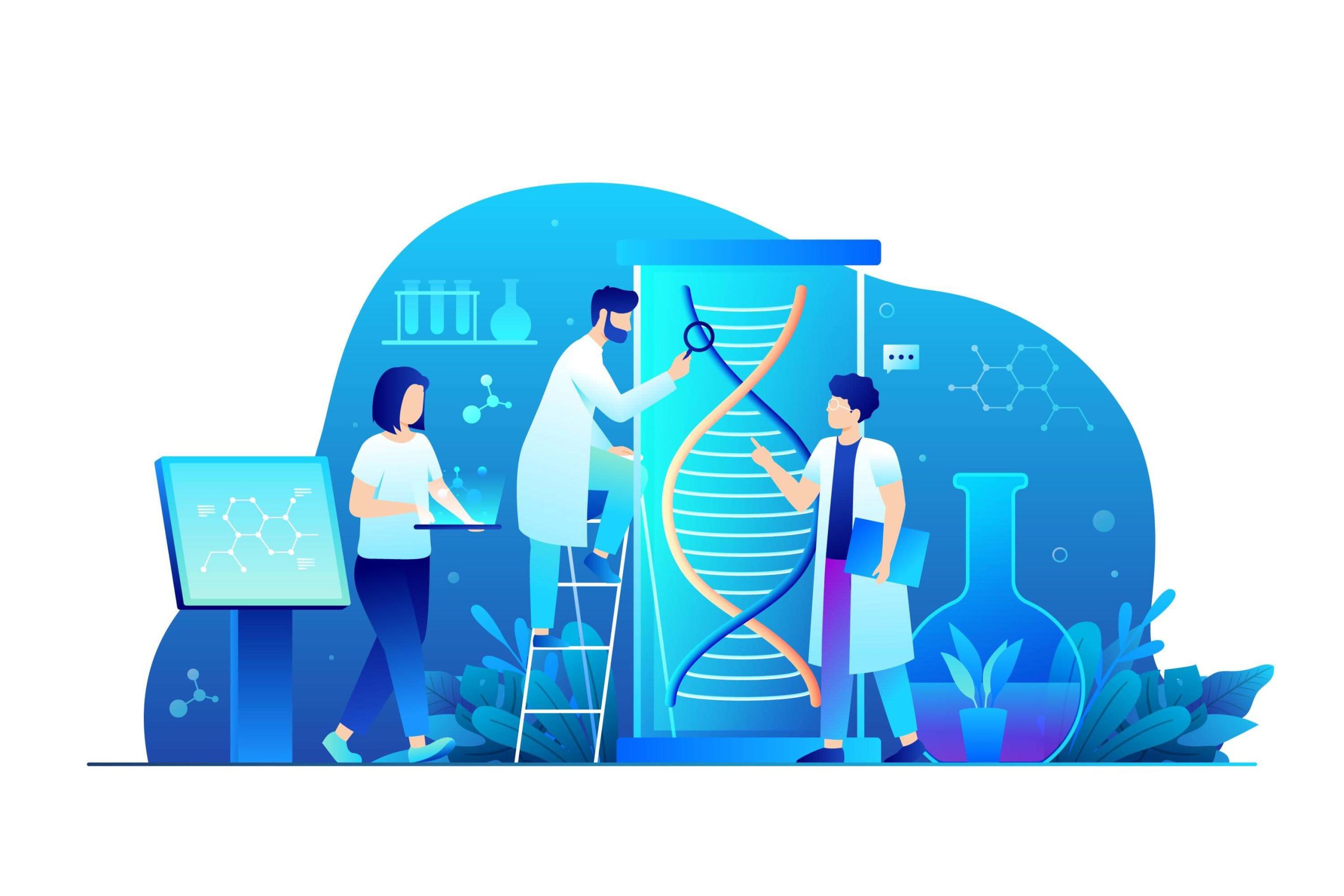
Can a practitioner trained in functional medicine effectively practice longevity medicine?
A practitioner with a strong foundation in functional medicine is exceptionally well-positioned to incorporate longevity principles into their practice. The core functional medicine approach of systems biology and root-cause analysis provides the perfect framework for understanding the complex mechanisms of aging. This training equips clinicians to see the body as an interconnected whole, a perspective that is essential for both disciplines.
However, to fully practice longevity medicine, some supplementary training is highly recommended. Longevity medicine places a greater emphasis on geroscience, advanced biomarkers of aging like epigenetic clocks, and specific protocols aimed at extending healthspan before disease manifests. While the functional medicine background is a major asset, specialized longevity training provides the specific tools to master the proactive, optimization-focused aspects of the field.
Which training is better if my practice focuses on preventative care for healthy patients?
For practitioners whose primary goal is to optimize the health of already healthy individuals, longevity medicine training offers a more direct and specialized path. This field is inherently proactive, utilizing advanced diagnostics to identify and mitigate future health risks long before any symptoms appear. The curriculum is specifically designed around extending healthspan and enhancing performance in a non-diseased population.
While functional medicine is also powerfully preventative, its training often centers on reversing the underlying drivers of chronic illness, making it ideal for patients on the brink of or already experiencing dysfunction. A practitioner can certainly apply functional principles to healthy patients with great success. However, longevity training provides a more targeted toolkit and forward-looking perspective for the specific goal of maximizing health and lifespan in those who are not yet sick.

How do the diagnostic tools and lab tests typically differ between the two specialties?
While both specialties utilize comprehensive lab work that goes far beyond conventional testing, their focus creates key differences in the specific panels ordered. Functional medicine testing often prioritizes identifying current dysfunctions that are causing symptoms, using tools like advanced gut microbiome analysis, food sensitivity panels, and detailed nutrient deficiency tests. The primary goal is to uncover the "why" behind a patient’s current health complaints and restore balance.
Longevity medicine incorporates many of these but adds a distinct layer of forward-looking diagnostics designed to quantify biological age and predict future risk. This often includes tests like epigenetic age clocks, telomere length analysis, advanced cardiometabolic markers like ApoB and Lp(a), and continuous glucose monitoring. These tools are used not just to diagnose a problem but to measure the effectiveness of interventions aimed at slowing the aging process itself.
Discover the most comprehensive functional medicine training, longevity training, and biohacking certification programs designed specifically for healthcare professionals, medics, and clinic owners who want to master regenerative medicine protocols and anti-aging therapies. At Talking Longevity, we deliver cutting-edge education in cellular health optimization, nutritional medicine, hormone balancing, NAD+ therapy, and advanced bio-hack strategies to help you extend patient health span, improve outcomes, and grow your clinic’s revenue. Our globally accessible longevity training courses combine evidence-based science with practical implementation, giving you the tools to stand out in the fast-growing fields of personalized medicine, integrative health, and regenerative longevity medicine. Whether you’re seeking functional medicine certification, biohacking training for medics, or a complete longevity clinic growth strategy, our programs equip you with the skills, credibility, and business systems to lead the future of health.