The Future of Health: Why Preventative Care Training is a Game-Changer for Everyone
Have you ever felt that healthcare is more about ‘sick care’? You wait until a problem arises, then you see a doctor for a diagnosis and a prescription. This reactive model has been the standard for decades, but a powerful and necessary shift is underway, moving us from treating illness to proactively creating and sustaining wellness.
This new frontier is called preventative care, a philosophy centered on identifying and addressing health risks long before they become chronic diseases. It is about empowering individuals with the knowledge and tools to optimize their healthspan, not just their lifespan. To lead this change, healthcare professionals are embracing specialized preventative care training to gain the advanced skills needed to guide patients toward a future of vibrant, long-term health.
This isn’t just a trend; it’s a fundamental re-imagining of medicine. It’s about personalized strategies, advanced diagnostics, and a partnership between patient and provider, all aimed at one simple goal: keeping you healthy in the first place. This evolution in medical education is the engine driving the future of healthcare for everyone.

What Does Preventative Care Really Mean?
At its heart, preventative care is a proactive approach to your health. Think of it like maintaining a high-performance car. You don’t wait for the engine to seize before you change the oil; you perform regular maintenance to keep it running smoothly and prevent catastrophic failure. Your body is infinitely more complex and deserving of the same forward-thinking attention.
Instead of focusing solely on symptoms and diseases that have already taken hold, preventative medicine looks upstream. It seeks to understand an individual’s unique genetic predispositions, lifestyle habits, and environmental exposures. The goal is to identify the subtle imbalances and risk factors that could lead to problems down the road.
This approach uses a combination of lifestyle medicine, advanced diagnostics, and personalized interventions to fortify the body’s natural defenses. It’s about building a foundation of resilience, making you less susceptible to the chronic conditions that affect so many people today. This is a shift from a passive patient to an active participant in one’s own health journey.
Aren’t Annual Check-ups a Form of Preventative Care?
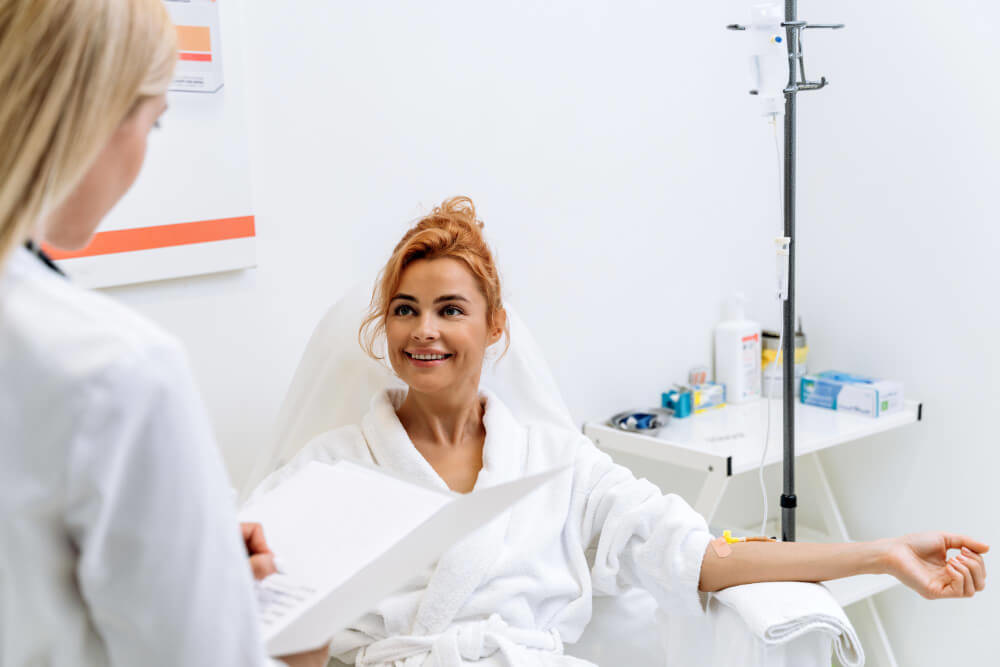
Yes, traditional annual check-ups are a foundational element of prevention, but modern preventative care goes significantly deeper. A standard physical often involves a basic blood pressure check, a stethoscope to the chest, and a limited panel of blood tests. While valuable, this only provides a snapshot of your health at that single moment.
A truly preventative approach, guided by a trained professional, expands this snapshot into a feature-length film of your health. It incorporates a much wider array of data points to create a comprehensive, personalized picture. This might include a deep dive into your family history, a detailed analysis of your diet and sleep patterns, and stress level assessments.
Furthermore, the diagnostics are far more advanced. Instead of just checking total cholesterol, a preventative specialist might look at lipoprotein particle size, inflammation markers like hs-CRP, and nutrient levels. This granular detail allows for highly specific, targeted interventions long before a standard test would ever raise a red flag.

What Are the Different Levels of Prevention?
To understand its full scope, it helps to think of prevention in three distinct stages. The first is primary prevention, which is the most proactive form. This stage is all about stopping a health problem from ever occurring. Think of vaccinations, eating a nutrient-dense diet, maintaining a regular exercise routine, and avoiding tobacco. It’s the wall you build to keep illness out.
Next comes secondary prevention. This stage focuses on early detection and intervention when a disease process may have already begun but is not yet causing symptoms. The goal is to catch it early to halt or slow its progression. Common examples include cancer screenings like mammograms and colonoscopies, as well as regular blood pressure monitoring to catch hypertension in its initial phase.
Finally, there is tertiary prevention. This level applies to individuals who already have an established health condition. Here, the aim is to manage the disease, prevent complications, and improve quality of life. This could involve a cardiac rehabilitation program for someone who has had a heart attack or meticulous blood sugar management for a person with diabetes to prevent nerve or kidney damage.
Why Is Everyone Talking About Prevention Now?
The surge in interest for preventative health isn’t accidental; it’s a response to some of our most pressing modern challenges. A primary driver is the alarming rise of chronic diseases. Conditions like type 2 diabetes, heart disease, certain cancers, and obesity now represent the leading causes of illness and death worldwide, and the vast majority are directly linked to lifestyle and environmental factors.
Treating these conditions is incredibly expensive, placing a massive strain on healthcare systems and national economies. It has become clear that a reactive ‘sick care’ model is financially unsustainable. The economic argument for prevention is compelling; it is far more cost-effective to help someone maintain their health than it is to manage a complex, lifelong chronic illness.
Beyond the economics, there has been a cultural shift. People today are more educated and empowered about their health than ever before. The internet provides access to a wealth of information, and individuals are no longer content to be passive recipients of care. They want to understand their bodies, take control of their well-being, and partner with their doctors to achieve optimal health.

How Does This Shift Affect Healthcare Professionals?
This new, empowered patient presents both an opportunity and a challenge for healthcare professionals. Patients are arriving at appointments armed with questions about nutrition, supplements, genetic risks, and advanced wellness strategies. They are seeking guidance that extends far beyond a prescription pad.
Many physicians, despite their exceptional training in diagnosing and treating disease, find themselves ill-equipped to have these deep, nuanced conversations. Traditional medical school curricula have historically focused on pharmacology and pathology, with limited time dedicated to nutrition, exercise physiology, or behavior change psychology.
This gap creates a clear and urgent need for continuing education and specialized training. Doctors, nurses, and other clinicians recognize that to meet the demands of the modern patient and to practice a more fulfilling and effective form of medicine, they must acquire new skills. They need to learn how to interpret advanced diagnostic tests, craft personalized lifestyle plans, and effectively coach patients toward sustainable change.

What Core Competencies Does This Training Provide?
Specialized preventative care training equips healthcare professionals with a sophisticated toolkit that goes far beyond the standard ‘eat less, move more’ advice. A central pillar of this education is mastering advanced diagnostic interpretation. This means learning to analyze complex data from sources like genomic testing, which reveals genetic predispositions to certain conditions.
Practitioners also learn to use comprehensive biomarker analysis, looking at dozens of markers for inflammation, metabolic health, hormonal balance, and nutrient status. They delve into the gut microbiome, understanding how the trillions of bacteria in our digestive system influence everything from immunity to mood. This allows them to see a patient’s health with unparalleled clarity.
Armed with this data, they learn to develop truly personalized interventions. This isn’t about one-size-fits-all diet plans. It’s about crafting precise nutritional protocols, targeted supplementation strategies, and lifestyle modifications tailored to an individual’s unique biology. The training focuses on root-cause analysis, addressing the underlying drivers of dysfunction rather than just masking symptoms.

How Do Doctors Learn to Motivate Patients?
Possessing a wealth of knowledge is one thing; successfully transferring that knowledge and inspiring lasting change in a patient is another entirely. This is often the biggest hurdle in healthcare. A doctor can create the perfect plan, but if the patient doesn’t follow it, the effort is wasted. This is why a critical component of modern preventative training focuses on the art and science of communication.
A key technique taught is motivational interviewing. This is a collaborative, goal-oriented style of communication designed to strengthen a person’s own motivation and commitment to change. Instead of telling a patient what to do, the practitioner acts as a guide, helping the patient explore their own reasons for wanting to improve their health and overcome their personal barriers.
This empathetic, patient-centered approach is proven to be far more effective than traditional authoritative advice. By enrolling in programs that offer motivational interviewing training for healthcare professionals, clinicians learn to build trust, reduce resistance, and empower patients to become the architects of their own wellness. It transforms the dynamic from a lecture into a partnership.

Does Preventative Training Cover Specific Conditions?
While the principles of preventative medicine are universal, their application is often highly specific to different organ systems and disease categories. For this reason, high-quality training programs frequently include specialized modules that focus on the prevention of major chronic conditions. One of the most critical areas of focus is cardiovascular health.
Heart disease remains a leading cause of mortality globally, yet it is also one of the most preventable conditions. A general practitioner who wants to excel in this area can’t rely on basic cholesterol numbers alone. They need a deeper understanding of vascular biology, inflammatory pathways, and the nuances of lipidology.
Specialized training in preventative cardiology for GPs provides exactly that. It teaches clinicians how to use advanced cardiac imaging and blood markers to identify at-risk individuals decades before a potential cardiac event. They learn to implement aggressive, targeted lifestyle and therapeutic strategies to preserve cardiovascular function and help patients avoid the devastating consequences of heart disease.

Is It Possible to Prevent Aging Itself?
The most ambitious frontier in preventative medicine asks a profound question: can we prevent or slow the biological process of aging itself? This has given rise to the field of anti-aging medicine, which seeks to extend a person’s ‘healthspan’ – the period of life spent in good health, free from chronic disease and disability. The goal isn’t just a longer life, but more healthy, vibrant years within that life.
This specialized discipline views aging not as an inevitability to be accepted, but as a process that can be understood and modulated. It focuses on the so-called ‘hallmarks of aging’, such as cellular senescence, mitochondrial dysfunction, and telomere attrition. By targeting these root causes of age-related decline, practitioners aim to maintain youthful function at a cellular level.
This is a rapidly evolving field that requires dedicated and continuous education. Healthcare professionals who wish to become leaders in this space often pursue advanced credentials to master the complex protocols involved. Ambitious clinicians can explore intensive fellowship programs in anti-aging and regenerative medicine to gain the highest level of expertise in optimizing human longevity and performance.

What Is Regenerative Medicine’s Role in Prevention?
Closely linked with anti-aging is the revolutionary field of regenerative medicine. While it might sound like science fiction, its core concept is quite direct. For those asking the basic question of what is regenerative medicine, it is best described as a branch of medicine that develops methods to regrow, repair, or replace damaged or diseased cells, organs, or tissues.
Its role in prevention is profound. Imagine being able to repair joint cartilage before it wears down completely, preventing the need for a joint replacement. Or consider regenerating pancreatic beta cells to prevent the progression of diabetes. By restoring function at the tissue level, regenerative therapies can head off the decline that ultimately leads to chronic disease and disability.
This field encompasses a range of cutting-edge therapies, including stem cell therapy, platelet-rich plasma (PRP), and gene therapies. It represents a paradigm shift from managing symptoms to truly restoring health from the inside out. The scientific community is incredibly active in this area, with constant breakthroughs being reported in top-tier publications exploring the latest in [regenerative medicine](https://www.nature.com/subjects/regenerative-medicine).

Who Is Leading the Way in This Field?
The advancement of such groundbreaking fields as regenerative and gene-based medicine relies on a global community of scientists, clinicians, and patient advocates. Several key organizations are at the forefront, driving research, establishing standards, and educating both the public and professionals about the potential of these therapies.
One such leader is The American Society of Gene & Cell Therapy. This professional organization is home to thousands of researchers and clinicians dedicated to understanding and applying gene and cell therapies to treat and cure human disease. Their work is fundamental to developing the next generation of preventative and restorative treatments.
Another vital institution is The Regenerative Medicine Foundation, which works to accelerate the field by fostering collaboration and advocating for supportive policies. These organizations are instrumental in translating laboratory discoveries into safe and effective clinical applications, ensuring that the promise of regenerative medicine becomes a reality for patients. They are building the foundation for a future where we can not only prevent disease but also regenerate health.
The convergence of preventative care, anti-aging science, and regenerative medicine is creating a new vision for the future of human health. It is a future where medicine is personalized, proactive, and participatory. The training that healthcare professionals receive today is what will make this future possible, transforming how we approach health and wellness for generations to come.
Frequently Asked Questions

How does this course provide practical skills for managing incidental findings, not just theoretical knowledge?
This training is built around a practical, case-based learning model to ensure skills are directly applicable in a professional setting. We utilize interactive workshops and simulated clinical scenarios that challenge participants to apply decision-making frameworks in real-time. You will work through complex cases, learning to identify, evaluate, and document incidental findings according to established best practices and protocols.
Ultimately, the goal is to bridge the gap between theory and daily practice, equipping you with actionable tools you can use immediately. You will leave the course with a clear understanding of how to implement standardized reporting and follow-up procedures within your workflow. This focus on application builds confidence and enhances your ability to manage unexpected discoveries effectively and efficiently.

What guidance does the training offer for communicating uncertain or low-risk incidental findings to patients?
The course dedicates a specific module to the nuanced art of patient communication, particularly for findings where the clinical significance is unclear. We provide evidence-based strategies for explaining uncertainty and risk without causing unnecessary anxiety, focusing on clear, empathetic, and jargon-free language. You will learn how to frame the conversation, manage patient expectations, and clearly outline the next steps for follow-up or monitoring.
Furthermore, the training includes practical exercises such as role-playing and script analysis to help you build confidence in these sensitive discussions. We equip you with techniques to navigate difficult questions and address patient concerns about potentially serious outcomes. These skills are crucial for maintaining patient trust while fulfilling your ethical and professional duty to disclose information.

Does the course cover how to develop or improve an institutional protocol for handling incidental findings?
Yes, a key component of the curriculum is focused on the development and implementation of robust institutional policies. We provide a comprehensive blueprint for creating a standardized protocol that defines clear roles, responsibilities, and communication pathways for the entire clinical team. The training covers critical elements such as establishing reporting thresholds, creating standardized documentation templates, and designing effective escalation procedures.
This course empowers you to become a leader in improving patient safety and quality of care within your organization. We examine how to adapt general best-practice frameworks to the specific needs and resources of different departments, from radiology to primary care. You will gain the knowledge needed to champion, design, or refine a protocol that ensures incidental findings are managed consistently and effectively across your institution.
Discover the most comprehensive functional medicine training, longevity training, and biohacking certification programs designed specifically for healthcare professionals, medics, and clinic owners who want to master regenerative medicine protocols and anti-aging therapies.