Hormone Training: Your Ultimate Guide to Balancing Your Body for Peak Performance
Have you ever felt like you are running on empty, no matter how much you sleep? Maybe you struggle with stubborn weight that will not budge, persistent brain fog, or mood swings that feel out of your control. These frustrating experiences are incredibly common, yet they are not a required part of life. Often, the root cause lies deep within your body’s intricate communication network, governed by powerful chemical messengers called hormones.
Understanding and influencing these messengers is the core of a transformative approach to wellness. This is where a holistic strategy comes into play, one that looks at the entire picture of your health. True optimization involves a synergistic blend of targeted exercise, precise nutrition, and smart lifestyle modifications. This comprehensive approach, known as Hormone Training, empowers you to work with your body, not against it, to restore balance and unlock your full potential for vitality.
Think of your hormones as the master conductors of your body’s orchestra. They dictate everything from your energy levels and metabolism to your mood and cognitive function. When they are in harmony, the music is beautiful. When they are out of tune, the result is chaos. Learning how to manage them is the key to reclaiming your health and feeling your best every single day.

What Are Hormones and Why Do They Matter?
Your body contains a sophisticated system called the endocrine system, a collection of glands that produce and release hormones. These hormones travel through your bloodstream, carrying instructions to various organs and tissues. They are fundamental to nearly every process that keeps you alive and functioning.
Consider some of the key players. Cortisol, often called the stress hormone, helps manage your response to pressure but can cause issues when chronically elevated. Insulin is crucial for regulating blood sugar and energy storage. Your thyroid hormones, T3 and T4, act as the engine of your metabolism, influencing how quickly you burn calories.
Then there are the sex hormones. Estrogen, progesterone, and testosterone are vital not just for reproduction but also for bone health, muscle mass, mood, and cognitive sharpness. Human Growth Hormone, or HGH, plays a significant role in cell repair, metabolism, and maintaining a healthy body composition throughout your life. Each hormone has a specific job, but they all work together in a delicate and interconnected dance. When one steps out of line, it can create a ripple effect that impacts the entire system.

How Can You Tell if Your Hormones Are Unbalanced?
Recognizing the signs of hormonal imbalance is the first step toward addressing it. Because hormones influence so many bodily functions, the symptoms can be widespread and sometimes vague, making them easy to dismiss as just a part of aging or a busy life.
Persistent, unexplained fatigue is a classic sign. This is not just feeling tired after a long day; it is a deep exhaustion that sleep does not seem to fix. You might also notice significant changes in your weight, either gaining it easily and struggling to lose it, or losing it without trying. This often points to issues with insulin, cortisol, or thyroid hormones.
Your sleep patterns can also offer clues. Difficulty falling asleep, waking up frequently during the night, or never feeling rested upon waking can all be linked to hormonal disruptions, particularly with cortisol and melatonin. Your mental and emotional state is another major indicator. Increased anxiety, irritability, feelings of depression, or a general lack of motivation can signal that your hormonal symphony is off-key.
Other common signs include changes in your skin like acne or dryness, a noticeable decrease in libido, digestive problems, and frustrating brain fog that makes it hard to concentrate. While any one of these symptoms could have various causes, a persistent combination of them strongly suggests it is time to investigate your hormonal health more closely.

What Is the Connection Between Exercise and Hormones?
Exercise is one of the most powerful tools you have for influencing your hormones naturally. However, not all exercise is created equal in its hormonal effects. The type, intensity, and duration of your workouts all send different signals to your endocrine system. Strategically choosing your activities can help you nudge your hormones in the right direction.
Strength training, for example, is a potent stimulus for the release of testosterone and human growth hormone. These anabolic hormones are essential for building and maintaining lean muscle mass, which in turn improves your metabolic rate and insulin sensitivity. Lifting weights two to three times per week can create the ideal environment for a stronger, more resilient body.
High-Intensity Interval Training, or HIIT, is another fantastic option. This involves short bursts of all-out effort followed by brief recovery periods. HIIT is incredibly effective at improving how your body uses insulin, helping to shuttle glucose into your cells for energy instead of storing it as fat. It can also provide a healthy, acute spike in hormones like adrenaline and noradrenaline, which can improve focus and energy. For a deeper dive, experts are constantly exploring using exercise to optimize hormones with specific protocols.
On the other end of the spectrum, moderate-intensity endurance exercise like jogging, swimming, or cycling is excellent for managing stress and improving mood. This type of activity can help lower chronically high cortisol levels and boosts the release of endorphins, your body’s natural feel-good chemicals. The key is to avoid overdoing it, as excessively long or intense cardio sessions can actually increase cortisol and create more stress on the body. Understanding how exercise affects your hormones is crucial for creating a balanced routine.
Finally, do not underestimate the power of restorative activities. Practices like yoga, tai chi, and even gentle walking can significantly lower cortisol levels by activating your parasympathetic nervous system, the ‘rest and digest’ state. Incorporating these into your routine is vital for recovery and overall hormonal harmony.
How Does Nutrition Influence Your Hormonal Health?
What you eat provides the fundamental building blocks for your hormones. Your nutritional choices have a direct and profound impact on your endocrine system’s ability to function correctly. A well-formulated diet is non-negotiable for achieving and maintaining hormonal balance.
Macronutrients all play distinct and vital roles. Adequate protein intake is essential, as it provides the amino acids necessary to produce peptide hormones like insulin and growth hormone. Including a quality protein source with every meal helps stabilize blood sugar and promotes satiety, preventing the hormonal roller coaster that comes with blood sugar spikes and crashes.
Healthy fats are perhaps the most critical nutrient for steroid hormone production. Hormones like estrogen, testosterone, and cortisol are all synthesized from cholesterol. Sources like avocados, olive oil, nuts, seeds, and fatty fish provide the raw materials your body needs to create these essential messengers. A low-fat diet can starve your body of these crucial components.
Carbohydrates are also important, but the type matters immensely. Complex carbohydrates from sources like vegetables, legumes, and whole grains provide a steady release of energy and support healthy insulin function. They are also important for the proper conversion of thyroid hormones. The world of information on hormones is vast, but the link to nutrition is undeniable.
Beyond macros, micronutrients are key. Vitamin D acts more like a hormone than a vitamin and is involved in countless processes. Magnesium is a calming mineral that helps regulate cortisol and improve sleep. B vitamins are critical for energy production and detoxification pathways that help clear old hormones from the body. Even the health of your gut microbiome plays a role, as it helps metabolize and regulate circulating estrogen. Some individuals and their practitioners may even explore the role of precursors like DHEA, highlighting the need for a deep, scientific understanding of the evidence-based use of DHEA and pregnenolone and their building blocks.

Can Stress and Sleep Really Derail Your Hormones?
Absolutely. Stress and sleep are two of the most significant, yet often overlooked, factors in hormonal health. They are intimately connected, primarily through the hormone cortisol. Your body is designed to handle acute, short-term stress, but modern life often bombards us with chronic, low-grade stress that keeps our systems on high alert.
This chronic stress leads to a dysregulated HPA axis, the communication pathway between your brain and your adrenal glands. The result is a constant, elevated output of cortisol. High cortisol does not just make you feel wired and tired; it actively suppresses thyroid function, interferes with the production of sex hormones, and promotes insulin resistance. It essentially tells your body to stay in survival mode, diverting resources away from long-term health functions like repair and reproduction.
Sleep is your body’s prime time for repair and hormonal regulation. It is during deep sleep that you get a vital surge of human growth hormone, which is critical for cellular repair and maintaining muscle mass. Poor sleep, on the other hand, disrupts this process and is perceived by your body as a major stressor, leading to higher cortisol levels the next day.
This creates a vicious cycle. High stress and cortisol make it difficult to sleep, and poor sleep increases stress and cortisol. Breaking this cycle is paramount. Prioritizing a consistent sleep schedule, creating a relaxing bedtime routine, and actively managing stress through techniques like mindfulness, meditation, or simply spending time in nature can have a more powerful effect on your hormones than you might imagine.
What Role Does Professional Guidance Play in Hormone Optimization?
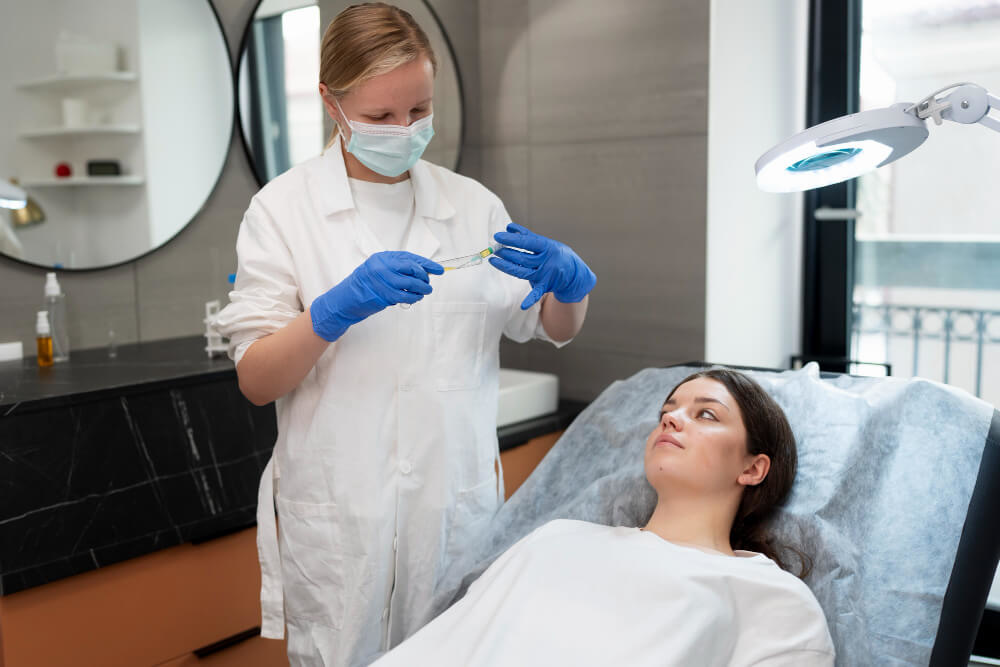
While lifestyle strategies like exercise, nutrition, and stress management are the foundation of hormonal health, navigating this complex area alone can be challenging. The symptoms of imbalance can be non-specific, and what works for one person may not work for another. This is where the expertise of a knowledgeable healthcare professional becomes invaluable.
Self-diagnosing based on symptoms can be misleading. A qualified practitioner can help you move beyond guesswork by utilizing comprehensive testing. Standard blood panels often do not provide the full picture. Advanced testing can offer a detailed look at your hormone levels, their metabolites, and how they are functioning throughout the day. This data provides a clear roadmap for creating a truly personalized plan.
An expert can help you interpret these complex results and connect them to your specific symptoms and health goals. For instance, understanding a full thyroid panel, including antibodies and conversion markers, is far more useful than just looking at TSH. Similarly, a professional skilled in training for interpreting advanced cardiometabolic panels can identify subtle signs of insulin resistance long before they become a major problem.
In some cases, lifestyle changes alone may not be enough to restore optimal balance, especially as we age. A practitioner can guide you through more advanced interventions when appropriate. For those who require it, a professional can create a plan that safely integrates both lifestyle and medical support. Combining exercise and hormone replacement therapy for example, requires careful management to achieve the best outcomes. The field is constantly evolving, which is why ongoing education through resources like CME courses on hormone replacement therapy is so critical for clinicians who want to provide the best possible care.
Hormone training is a journey toward reclaiming your body’s natural vitality. It is about recognizing that you are not just a collection of symptoms but an integrated system. By strategically using exercise, nourishing your body with the right foods, prioritizing sleep, and managing stress, you can become the conductor of your own hormonal orchestra. This proactive approach puts you back in control of your health, energy, and well-being.
Taking that first step, guided by knowledge and a commitment to your health, can be life-changing. It is about moving from a state of simply surviving to one where you are truly thriving.
Frequently Asked Questions
What happens if a provider’s personal beliefs conflict with a patient’s request for hormone therapy?
When a provider’s personal or religious beliefs conflict with prescribing hormones, they must navigate a fine line between their convictions and their professional duty of care. While clinicians may have a right to conscientious objection, this does not permit patient abandonment. The provider is ethically obligated to inform the patient of their refusal in a timely and respectful manner and must provide a direct referral to another qualified provider who can meet the patient’s needs.
This process ensures the patient’s access to care is not compromised or delayed, upholding the principle of patient autonomy and well-being. Professional medical associations and state licensing boards have specific guidelines on this issue, generally stating that the patient’s health must remain the primary concern. Failing to provide a proper referral or creating barriers to care can lead to ethical violations and potential legal action.

How does the process of informed consent for hormone therapy differ for adolescent patients?
Informed consent for adolescents is significantly more complex than for adults, as it typically requires the consent of parents or legal guardians. The process must be tailored to the adolescent’s developmental stage, ensuring they understand the information and can participate in the decision-making process, which is known as assent. Clinicians must thoroughly educate both the patient and their guardians about the treatment’s risks, benefits, potential for irreversible effects, and alternatives.
Furthermore, the ethical standard involves a comprehensive assessment that often includes mental health professionals to evaluate the patient’s capacity and the stability of their gender identity. Documentation is critical and should include the assent of the minor and the formal, written consent of the guardians. This multi-faceted approach ensures the decision is well-considered and legally sound while prioritizing the long-term welfare of the young patient.

What specific documentation is crucial to mitigate legal risks when prescribing hormones?
Comprehensive documentation is the most effective tool for mitigating legal risk in hormone prescription. This must begin with a thorough patient evaluation, including a detailed medical history, psychosocial assessment, and the clear clinical rationale for initiating therapy. A robust, signed informed consent form is non-negotiable; it should explicitly detail the specific medications, expected effects, potential risks, and any off-label use.
Beyond the initial consultation, meticulous records of every follow-up visit are essential for demonstrating adherence to the standard of care. This includes documenting lab results, monitoring for side effects, any adjustments made to the treatment plan, and ongoing conversations with the patient about their progress and goals. Such detailed notes create a clear record of a thoughtful, patient-centered, and medically appropriate treatment course.
Discover the most comprehensive functional medicine training, longevity training, and biohacking certification programs designed specifically for healthcare professionals, medics, and clinic owners who want to master regenerative medicine protocols and anti-aging therapies.