Harness Your Hormones: The Ultimate Guide to Hormone Training for Peak Performance
Have you ever felt like you are doing everything right but still not seeing the results you want? You eat clean, you hit the gym, yet you feel sluggish, your mood is unpredictable, and that stubborn body fat just will not budge. The culprit might not be your effort but a group of silent puppet masters working behind the scenes: your hormones.
These powerful chemical messengers dictate nearly every function in your body, from your energy levels and metabolism to your mood and muscle growth. When they are in balance, you feel unstoppable. When they are out of sync, it can feel like you are fighting an uphill battle. This is where a strategic approach becomes essential for long-term wellness.
Understanding how to influence these signals through targeted lifestyle choices is the core principle of a transformative practice. Welcome to the world of Hormone Training, a method of using exercise, nutrition, and daily habits to naturally optimize your hormonal environment for better health, performance, and longevity.
What Exactly Are Hormones?
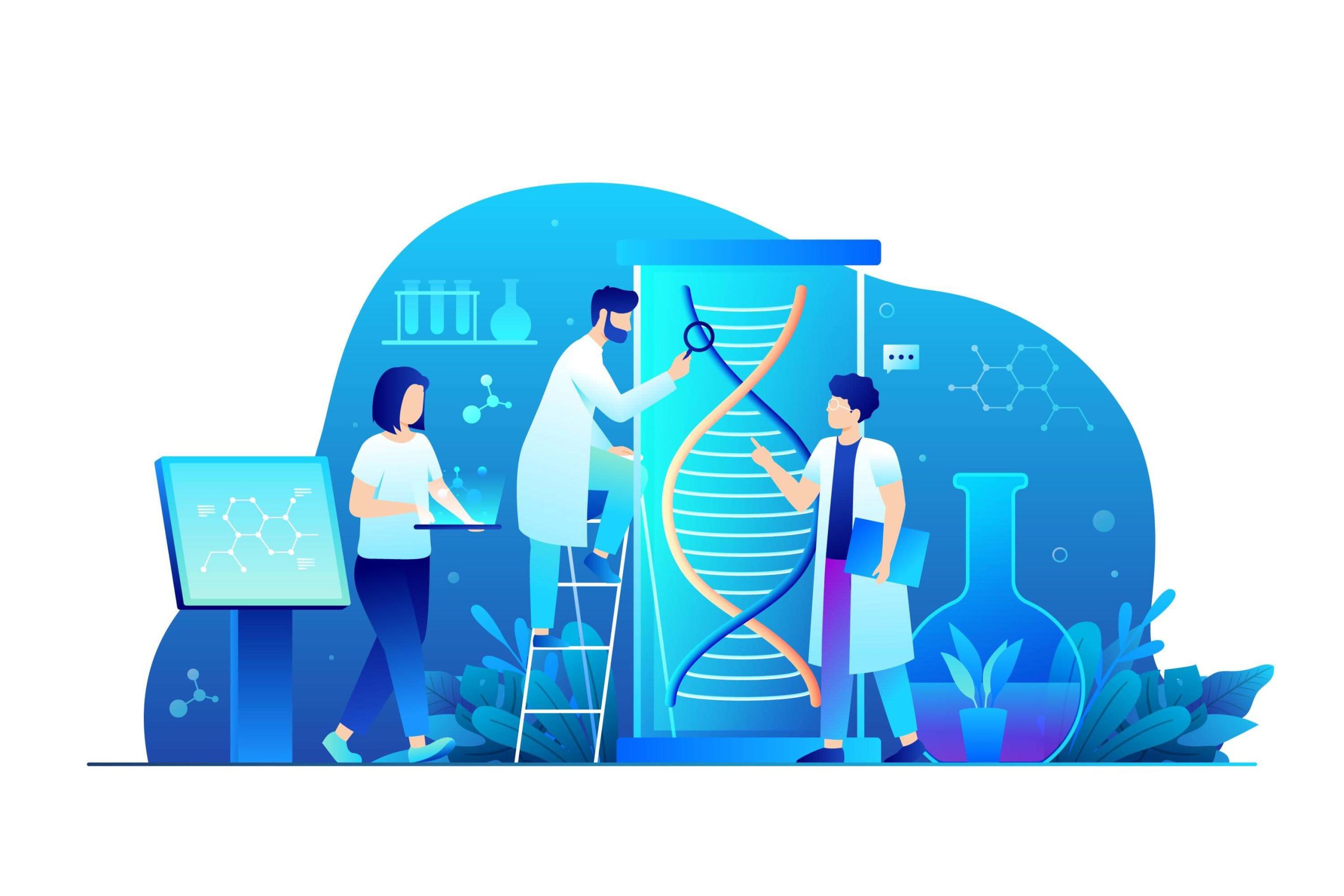
Think of your hormones as the body’s internal communication network. They are chemical messengers produced by various glands that make up your endocrine system. These messengers travel through your bloodstream to tissues and organs, delivering specific instructions that tell your body what to do, when to do it, and for how long.
This system is incredibly sophisticated. It controls your metabolism, your sleep-wake cycles, your stress response, your reproductive cycles, and so much more. When one hormone is out of balance, it can create a domino effect, impacting many other systems throughout your body.
Maintaining this delicate balance is crucial for feeling your best. It is not about achieving one perfect level but about ensuring all your hormones are working together in harmony, like a well-conducted orchestra. A single instrument playing out of tune can disrupt the entire symphony.

Which Hormones Should I Know About?
While your body produces over 50 different hormones, a few key players have an outsized impact on your daily health and fitness goals. Understanding their roles is the first step toward learning how to influence them positively.
How Does Insulin Affect My Body?
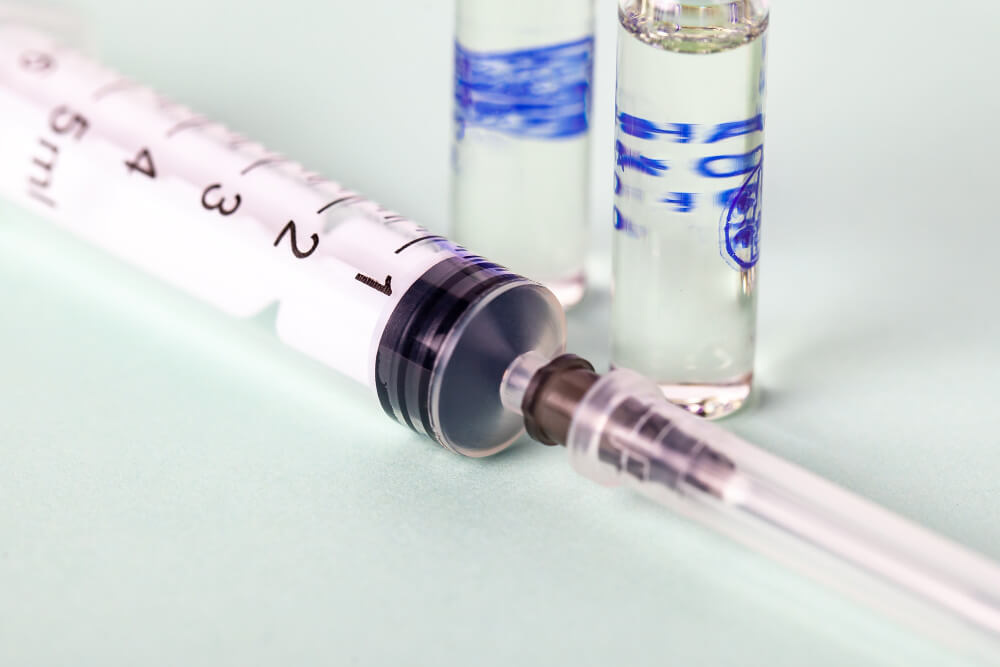
Insulin is often called the energy storage hormone. When you eat carbohydrates, your body breaks them down into glucose, which enters your bloodstream. In response, your pancreas releases insulin to help shuttle that glucose into your cells to be used for energy or stored for later.
This is a vital process. However, a diet high in processed sugars and refined carbohydrates can lead to chronically high insulin levels. Over time, your cells can become resistant to insulin’s signals, a condition known as insulin resistance. This can lead to increased fat storage, persistent fatigue, and other metabolic issues.

What Is Cortisol’s Role?
Cortisol is your primary stress hormone. It is part of your body’s natural fight-or-flight response, providing a burst of energy and heightened focus when you perceive a threat. In short-term situations, this is incredibly helpful.
The problem arises when stress becomes chronic. Constant deadlines, lack of sleep, and emotional distress can keep cortisol levels elevated. This chronic elevation can lead to muscle breakdown, increased belly fat, impaired immune function, and mental fog. Managing stress is not just a mental health practice; it is a hormonal health necessity.

Why Are Thyroid Hormones So Important?
Your thyroid gland, located in your neck, produces hormones that act as the master regulator of your metabolism. They control how quickly your body uses energy, which affects everything from your heart rate and body temperature to your ability to maintain a healthy weight.
If your thyroid is underactive, a condition called hypothyroidism, your metabolism can slow down, leading to weight gain, fatigue, and feeling cold. Conversely, an overactive thyroid, or hyperthyroidism, can cause weight loss, anxiety, and a rapid heartbeat. Supporting thyroid function through proper nutrition is a cornerstone of hormonal balance.

What About Testosterone and Estrogen?
Though often labeled as ‘male’ and ‘female’ hormones, both testosterone and estrogen are vital for everyone. In men, testosterone is crucial for muscle mass, bone density, and libido. In women, it also plays a role in muscle, bone health, and overall energy.
Estrogen is the primary female sex hormone, regulating the menstrual cycle and supporting bone health. Men also have estrogen, which is important for modulating libido and sperm production. The key is the ratio between these hormones. Imbalances in either direction can affect mood, body composition, and overall vitality in both sexes.

How Can I Use Exercise to Balance My Hormones?
Exercise is one of the most powerful tools you have for influencing your hormones. The type, intensity, and duration of your workouts all send different signals to your body, triggering specific hormonal responses. A well-designed fitness plan is not just about burning calories; it is a conversation with your endocrine system.
Strategic exercise can help improve insulin sensitivity, manage cortisol, and boost beneficial hormones like testosterone and growth hormone. The key is to find the right blend of activities that challenge your body without creating excessive stress. For a deeper look into this relationship, it is helpful to understand how does exercise affect your hormones on a physiological level.
Strength training, in particular, is a potent stimulus for hormonal optimization. Lifting heavy weights creates microscopic tears in your muscle fibers. In response to this stress, your body releases hormones to repair and rebuild the muscle stronger than before. This process is driven by some of the most powerful anabolic hormones in the body.
In fact, a targeted resistance training program can significantly influence the 6 hormones that will build you a bigger body, including testosterone and human growth hormone. These hormones do more than just build muscle; they also help improve bone density and increase your metabolic rate, which helps with fat loss.
High-Intensity Interval Training, or HIIT, is another effective method. Short bursts of all-out effort followed by brief recovery periods can improve insulin sensitivity and trigger a significant release of endorphins, your body’s natural mood elevators. The key is to keep these sessions short and intense to get the benefits without spiking cortisol too much.
Finally, do not underestimate the power of low-intensity movement like walking, yoga, or stretching. These activities are crucial for recovery and stress management. They help lower cortisol levels, promote blood flow, and activate the parasympathetic ‘rest and digest’ nervous system, which is essential for hormonal regulation and overall recovery.

What Should I Eat for Better Hormonal Health?
Your diet provides the raw materials your body needs to produce and regulate hormones. Every meal is an opportunity to send your body signals that promote balance. Focusing on whole, nutrient-dense foods is the foundation of eating for hormonal health.
Are Carbs Good or Bad for Hormones?
Carbohydrates have a complicated reputation, but they are not inherently bad. In fact, they are crucial for hormonal health, particularly for thyroid function and managing cortisol. The type and timing of your carbs matter most.
Opt for complex carbohydrates like sweet potatoes, quinoa, oats, and vegetables. These foods are rich in fiber, which slows down the absorption of sugar and prevents sharp spikes in insulin. Timing your carb intake around your workouts can also be beneficial, as it helps replenish muscle glycogen and can lower cortisol post-exercise.

Why Is Protein Essential?
Protein is non-negotiable for hormonal balance. Your body needs amino acids from protein to build and repair tissues, but also to synthesize certain hormones and neurotransmitters. Adequate protein intake helps with satiety, keeping you full and preventing overeating that can disrupt insulin levels.
Aim to include a quality protein source with every meal. Foods like lean meats, fish, eggs, legumes, and tofu provide the essential building blocks your body needs. This steady supply of amino acids supports muscle maintenance and provides the foundation for a healthy endocrine system.

What Kind of Fats Should I Eat?
Dietary fat is absolutely essential for hormone production. Cholesterol, a compound often feared, is the precursor to all your steroid hormones, including testosterone, estrogen, and cortisol. Without enough healthy fats, your body simply cannot produce these vital messengers.
Focus on incorporating healthy fats from sources like avocados, olive oil, nuts, seeds, and fatty fish like salmon. These fats not only support hormone synthesis but also help reduce inflammation and improve cell membrane health, allowing hormones to communicate more effectively with their target cells.
Does Sleep Really Matter That Much?
Yes, absolutely. Sleep is not a luxury; it is a fundamental biological requirement for hormonal health. While you sleep, your body undergoes critical repair and regulation processes. It is during these hours that your hormonal system effectively resets itself for the next day.
Lack of quality sleep is a major stressor on the body. Even one night of poor sleep can disrupt insulin sensitivity and raise cortisol levels the following day. Chronic sleep deprivation can have a profound negative impact on testosterone, growth hormone, and the hormones that regulate your appetite, ghrelin and leptin.
Prioritizing 7-9 hours of quality sleep per night is one of the most effective things you can do for your hormones. Create a relaxing bedtime routine, make your bedroom dark and cool, and avoid screens before bed. This simple act of prioritizing rest can dramatically improve how you feel and function.

How Can I Manage Stress Effectively?
In our fast-paced world, chronic stress has become the norm for many, and it is wreaking havoc on our hormones. The constant activation of your stress response system keeps cortisol levels high, which can disrupt nearly every other hormone in your body. Learning to manage stress is a critical skill for modern life.
Effective stress management involves actively engaging your parasympathetic nervous system, the ‘rest and digest’ counterpart to your ‘fight or flight’ response. Practices like deep breathing, meditation, and mindfulness have been shown to lower cortisol and promote a state of calm. You can get a better sense of this by understanding cortisol levels and how they fluctuate.
Spending time in nature, listening to calming music, or engaging in a hobby you love can also be powerful stress-reducers. The goal is to find healthy coping mechanisms that work for you and to incorporate them into your daily routine. Managing stress is not about eliminating it entirely but about building resilience so it does not control your physiology.

What Is Hormone Replacement Therapy?
Sometimes, despite a person’s best efforts with diet, exercise, and lifestyle, significant hormonal imbalances persist. This is often the case with age-related hormone decline, such as menopause in women or andropause in men. In these situations, hormone replacement therapy, or HRT, can be a valuable medical intervention.
HRT involves supplementing the body with bioidentical hormones to restore more youthful and optimal levels. This can alleviate many symptoms associated with hormonal decline, such as hot flashes, low energy, mood swings, and loss of muscle mass. It is a powerful tool for improving quality of life and promoting healthy aging.
It is crucial to understand that HRT is a medical treatment that requires the guidance of a qualified healthcare professional. For those looking to combine medical treatments with lifestyle changes, learning about exercise and hormone replacement therapy is essential for achieving the best outcomes. For medical professionals seeking to deepen their knowledge, there are specialized CME courses on hormone replacement therapy that provide comprehensive training on these advanced protocols.
Who Should I Talk to About My Hormones?
If you suspect you have a hormonal imbalance, self-diagnosing can be difficult and potentially misleading. The best first step is to consult with a healthcare professional who has expertise in this area. They can order the appropriate lab tests to get a clear picture of your hormonal status.
Your general practitioner is a good starting point, and they may refer you to a specialist like an endocrinologist. Functional medicine practitioners are also well-versed in taking a holistic approach to hormonal health, looking at how diet, lifestyle, and environment intersect to influence your endocrine system. The field is constantly evolving, and an advanced course in clinical endocrinology for GPs helps practitioners stay at the forefront of patient care.
Working with a qualified expert is paramount. They can help interpret your results, rule out any underlying medical conditions, and create a personalized plan tailored to your unique needs. As this field of medicine grows, it is also important to consider the legal and ethical considerations in longevity medicine, which ensures that practitioners provide safe and effective care.

How Do I Create My Own Hormone Training Plan?
Creating a personal hormone training plan involves integrating all the pillars we have discussed: strategic exercise, nutrient-dense eating, restorative sleep, and stress management. The goal is consistency, not perfection. Start by making small, sustainable changes.
Consider structuring your day to support your natural hormonal rhythms. For example, you might start your morning with exposure to sunlight to help regulate your circadian rhythm and a protein-rich breakfast to stabilize blood sugar. Schedule a strength training session in the late afternoon when your body temperature is highest, and follow it with a meal containing protein and carbs.
In the evening, focus on winding down. Dim the lights, avoid stressful activities, and practice a relaxation technique to lower cortisol and prepare your body for sleep. This holistic approach, where each part of your day supports your hormonal health, is where the real magic happens. Listen to your body, be patient, and remember that you are playing the long game for health and vitality.
Your hormonal health is not a fixed state; it is a dynamic system that you can influence every single day. By making conscious choices about how you move, eat, sleep, and live, you can take control of your hormones and unlock a new level of well-being. This journey is about empowering yourself with knowledge and building a lifestyle that allows you to thrive.
Frequently Asked Questions
If lifestyle changes and metformin aren’t enough to manage my PCOS symptoms, what are the next steps?
When first-line treatments are insufficient, your healthcare provider will likely explore more advanced or combination therapies tailored to your specific symptoms. For persistent irregular cycles, combination oral contraceptives are often prescribed to regulate hormones and protect the uterine lining. If symptoms like excess hair growth or acne are the primary concern, anti-androgen medications such as spironolactone may be added to your regimen.
For individuals focused on fertility, the next step typically involves ovulation-inducing medications like letrozole or clomiphene citrate. Should these prove ineffective, your doctor may recommend injectable hormones or a referral to a reproductive endocrinologist for more specialized procedures like in vitro fertilization (IVF). The key is a collaborative approach with your provider to systematically find the most effective treatment combination for your unique needs.

How does long-term PCOS management impact my risk for other health conditions like diabetes and heart disease?
Proactive, long-term management of PCOS is absolutely critical for mitigating the risk of serious associated health conditions. The insulin resistance common in PCOS significantly increases your lifetime risk for developing metabolic syndrome, gestational diabetes, and type 2 diabetes. Consistent monitoring of blood sugar and A1c levels, combined with targeted lifestyle and medical interventions, helps control this progression.
Furthermore, PCOS is linked to an elevated risk of cardiovascular problems, including high blood pressure, high cholesterol, and subsequent heart disease. Advanced management includes regular screening for these risk factors and treating them aggressively if they arise. This comprehensive strategy shifts the focus from solely managing immediate symptoms to safeguarding your overall cardiovascular and metabolic health for the future.
Are there any promising new treatments or supplements for PCOS that I should discuss with my doctor?
Yes, several emerging therapies are showing significant promise in advanced PCOS management and are worth discussing with your specialist. Supplements like inositol, specifically a 40:1 ratio of myo-inositol to D-chiro-inositol, have gained strong evidence for improving insulin sensitivity and promoting ovulatory function. Other supplements like N-acetylcysteine (NAC) and berberine are also being studied for their metabolic benefits.
In the pharmaceutical realm, GLP-1 receptor agonists (e.g., semaglutide), are increasingly used off-label to effectively manage both the weight and insulin resistance aspects of PCOS. These newer options represent a shift towards treating the root metabolic dysfunctions of the syndrome. A conversation with your doctor can determine if these advanced supplements or medications are a safe and appropriate choice for you.
Discover the most comprehensive functional medicine training, longevity training, and biohacking certification programs designed specifically for healthcare professionals, medics, and clinic owners who want to master regenerative medicine protocols and anti-aging therapies. Elevate your practice with Talking Longevity.