
Your Complete Guide to Understanding and Mastering Gut Health
Have you ever had a ‘gut feeling’ about something? That intuitive sense, that deep-seated certainty, is more than just an old saying. It’s a glimpse into the profound connection between your mind and your digestive system, an intricate world teeming with life that scientists are only just beginning to fully appreciate. This internal ecosystem, known as your gut microbiome, is a critical command center for your overall well-being.
Understanding this complex system is the first step toward optimizing your health in ways you may have never thought possible. From your immune response to your daily mood, the state of your gut sends ripples throughout your entire body. For those looking to deepen their knowledge, whether for personal health or professional development, exploring comprehensive gut health training can unlock a new level of understanding and mastery over human wellness.
This guide will walk you through the fundamentals of gut health, exploring what it is, why it matters, and how you can cultivate a thriving internal environment. We will journey from basic dietary changes to the advanced knowledge required to truly make a difference. Welcome to the foundation of modern health.

What Exactly Is the Gut Microbiome?
How Can We Define This Internal World?
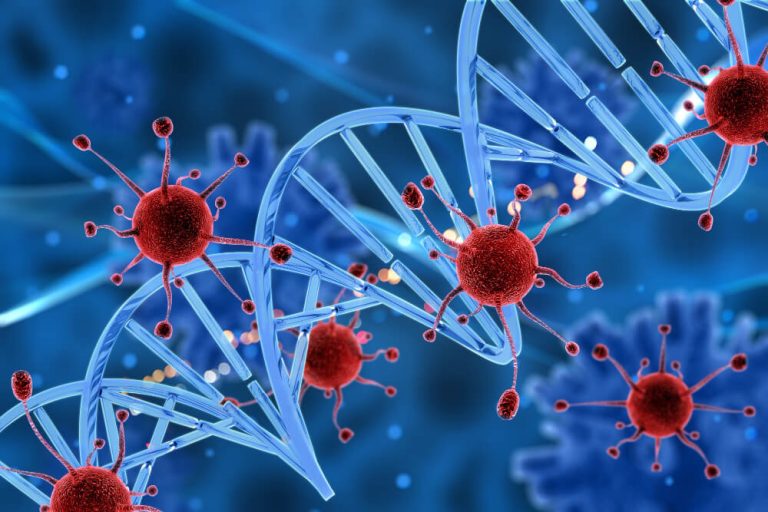
Imagine a bustling, invisible city inside your digestive tract. This city is your gut microbiome, a complex community of trillions of microorganisms. These residents include bacteria, viruses, fungi, and other microbes that live primarily in your large intestine. While the thought of being filled with bacteria might sound alarming, the vast majority of these organisms are not only harmless but essential for your survival.
Each person’s microbiome is unique, like a fingerprint, shaped by genetics, environment, diet, and lifestyle from the moment of birth. This microbial community weighs about as much as your brain and functions with a similar level of complexity. It performs critical tasks that our bodies cannot do on their own, making it a symbiotic partner in our health journey.

Are All Gut Bacteria the Same?
Not at all. The key to a healthy gut is balance and diversity. The microorganisms in your gut can be broadly categorized as beneficial, neutral, or potentially harmful. Beneficial bacteria, often called probiotics, help with digestion, produce essential vitamins like B12 and K, and protect against invaders. A healthy gut maintains a favorable ratio, keeping the potentially harmful microbes in check.
When this balance is disrupted, a state known as ‘dysbiosis’ can occur. This imbalance is linked to a wide range of health issues, from digestive discomfort to chronic diseases. The goal of gut health is not to eliminate all ‘bad’ bacteria but to cultivate a diverse and resilient ecosystem where beneficial microbes flourish.

How Does Gut Health Affect Your Overall Well-being?

Can Your Gut Influence Your Immune System?
Absolutely. A remarkable 70-80% of your immune cells reside in your gut. The gut lining acts as a critical barrier, deciding what gets absorbed into your bloodstream and what gets kept out. A healthy gut microbiome helps to reinforce this barrier and trains the immune system to distinguish between friend and foe.
When your gut is healthy, it supports a balanced immune response, helping you fight off pathogens effectively without overreacting. An imbalanced microbiome, however, can lead to a compromised gut barrier, often called ‘leaky gut’. This condition allows toxins and undigested food particles to enter the bloodstream, triggering inflammation and potentially contributing to autoimmune conditions and allergies.

What Is the Gut-Brain Axis?
Your gut is often called the ‘second brain’, and for good reason. The gut-brain axis is a bidirectional communication network that connects your central nervous system with your enteric nervous system, the complex web of neurons lining your gut. This connection means your gut and brain are in constant conversation, influencing each other profoundly.
This communication happens through various pathways, including the vagus nerve, neurotransmitters, and hormones. In fact, your gut produces a significant amount of the body’s serotonin, a key neurotransmitter for mood regulation. This is why that ‘gut feeling’ is more than just a metaphor; your emotional and cognitive state can affect your gut, and conversely, the state of your gut can impact your mood, stress levels, and even cognitive function.

Does Your Gut Impact Digestion and Nutrient Absorption?
This is one of the most direct roles of your gut microbiome. The bacteria in your gut are metabolic powerhouses, breaking down food components that your body cannot digest on its own, such as certain types of fiber. In doing so, they produce beneficial compounds called short-chain fatty acids, like butyrate, which is the primary fuel source for the cells lining your colon.
A healthy microbiome ensures you extract the maximum amount of nutrients from your food. It aids in the absorption of minerals like magnesium, calcium, and iron. When the gut is imbalanced, you might experience common digestive issues like bloating, gas, constipation, or diarrhea, which are often signs that your digestive processes are not functioning optimally.
Could Your Skin and Gut Health Be Connected?
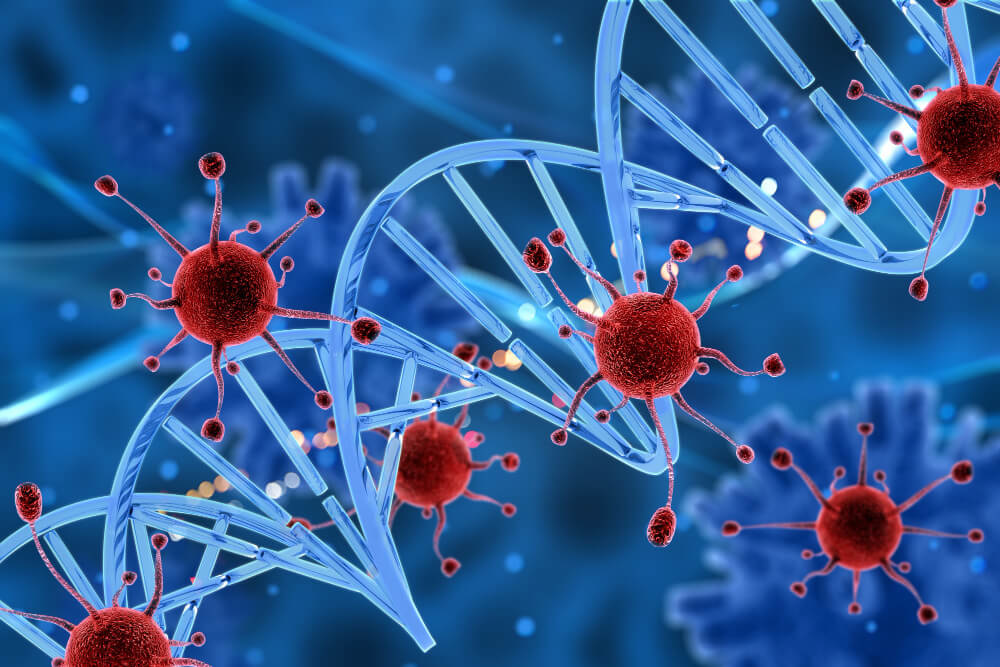
Yes, the link between gut health and skin clarity is becoming increasingly clear through the concept of the gut-skin axis. Just as inflammation in the gut can affect the entire body, it can also manifest on your skin. Conditions like acne, eczema, rosacea, and psoriasis have all been linked to gut dysbiosis and inflammation.
An unhealthy gut can lead to a leaky gut barrier, allowing inflammatory molecules to enter the circulation and travel to the skin, triggering or worsening skin conditions. By addressing the root cause in the gut, many people find significant improvement in their skin health. A glowing complexion often starts with a happy gut.

What Factors Influence Your Gut Health?

How Does Diet Shape Your Microbiome?
Diet is arguably the most powerful tool you have for shaping your gut microbiome. The food you eat directly feeds the trillions of microbes living inside you. A diet rich in diverse, plant-based foods provides the fiber and prebiotics that beneficial bacteria love to ferment, helping them thrive.
Prebiotic foods like garlic, onions, bananas, and asparagus act as fertilizer for your good gut bugs. Conversely, a diet high in processed foods, sugar, and unhealthy fats can feed the less desirable microbes, leading to dysbiosis. The impact is surprisingly swift, as researchers are exploring how diet rapidly alters the microbiome, with changes observable in as little as a few days.

Why Are Stress and Sleep Important for Your Gut?
Your mental state and sleep patterns have a direct physical impact on your gut. Chronic stress triggers the release of the hormone cortisol, which can suppress beneficial gut bacteria and increase the permeability of the gut lining. This can create a vicious cycle, as an unhealthy gut can, in turn, make you more susceptible to stress.
Sleep is equally vital. Your gut microbes have their own circadian rhythm, just like you do. Poor sleep or inconsistent sleep schedules can disrupt this rhythm, negatively affecting microbial diversity and function. Prioritizing stress management techniques and consistent, quality sleep is a non-negotiable aspect of gut care.

Can Medications and Antibiotics Affect Your Gut?
While often necessary for treating bacterial infections, antibiotics are like a bomb going off in your gut. They don’t discriminate between good and bad bacteria, wiping out large portions of your microbial community. This can lead to a significant loss of diversity and create an opportunity for harmful microbes to overgrow.
It can take months or even years for the microbiome to fully recover from a course of antibiotics. Other common medications, including nonsteroidal anti-inflammatory drugs (NSAIDs) and acid blockers, can also negatively alter the gut environment. It’s always important to use medications as prescribed and to focus on rebuilding gut health afterward.
How Can You Improve Your Gut Health?
What Foods Should You Eat for a Healthier Gut?
To build a robust microbiome, focus on diversity. Aim to ‘eat the rainbow’ by incorporating a wide variety of colorful fruits, vegetables, legumes, and whole grains into your diet. Each plant food contains different types of fiber and polyphenols that feed different species of beneficial bacteria, promoting a more diverse and resilient ecosystem.
Fermented foods are another excellent addition. Foods like yogurt, kefir, kimchi, sauerkraut, and kombucha are natural sources of live bacteria, or probiotics. They can help introduce beneficial new strains to your gut community. For those new to this, the International Scientific Association for Probiotics and Prebiotics provides helpful information for consumers on probiotics and prebiotics to guide your choices.

Are Probiotic Supplements Worth It?
While a food-first approach is always best, probiotic supplements can be a useful tool for some individuals, especially after a course of antibiotics or for targeting specific health concerns. However, the world of probiotics is complex. It’s not as simple as grabbing any bottle off the shelf.
Different probiotic strains have different effects, and the quality and potency of supplements vary widely. It is crucial to choose a product that contains specific, well-researched strains targeted to your needs. For anyone considering this route, doing your homework and looking into a deeper dive into the science behind probiotic supplements can be incredibly insightful before making a purchase.

What Lifestyle Changes Support a Healthy Gut?
Beyond diet, several lifestyle habits are foundational to gut wellness. Regular, moderate exercise has been shown to increase microbial diversity and promote the growth of beneficial bacteria. It also helps with stress reduction and promotes regular bowel movements.
Prioritizing sleep is another critical step. Aim for 7-9 hours of quality sleep per night to support your microbes’ natural rhythms. Finally, actively manage your stress. Incorporate practices like meditation, deep breathing, yoga, or spending time in nature to calm your nervous system and, in turn, your gut.

Why Consider Professional Gut Health Training?
Who Can Benefit from Advanced Gut Health Knowledge?
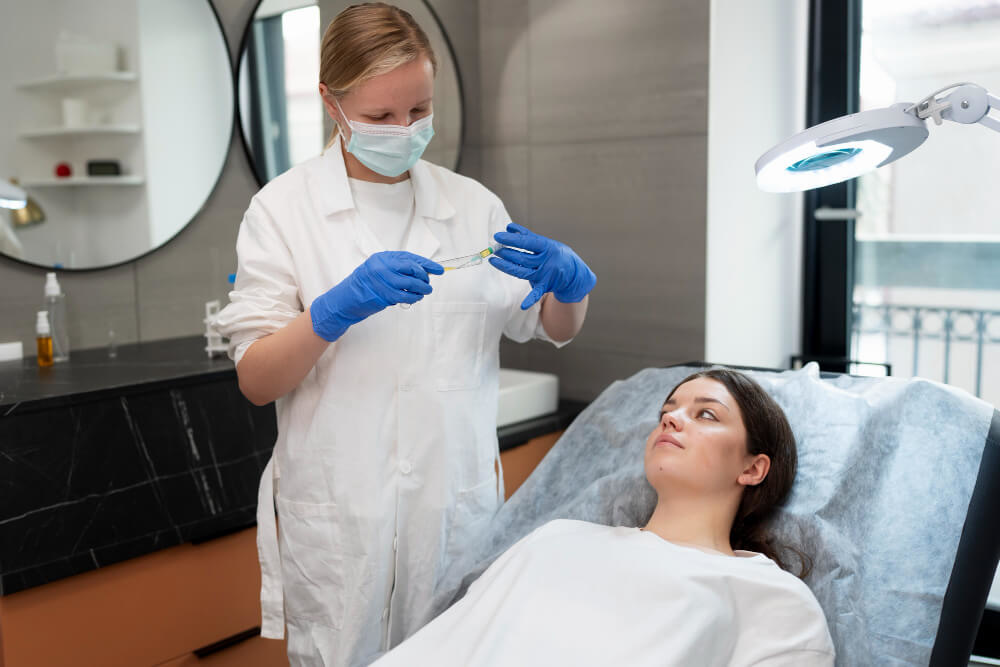
While the general advice is a great starting point, the world of gut health is incredibly nuanced. Advanced knowledge is invaluable for healthcare practitioners like doctors, nutritionists, dietitians, and health coaches who want to provide the best outcomes for their clients. It allows them to move beyond generic recommendations and address the root causes of complex health issues.
Passionate individuals seeking to optimize their own health or that of their families can also benefit immensely. Understanding the science enables you to make truly informed decisions, navigate complex information, and advocate for your own health effectively. It transforms you from a passive recipient of advice into an active participant in your wellness journey.

What Do You Learn in a Gut Health Program?
Professional training goes far beyond the basics of ‘eat more fiber’. It delves into the intricate science of the microbiome, teaching you how to interpret advanced diagnostic tests like comprehensive stool analysis and organic acids testing. This level of detail is a cornerstone of effective practice, and high-level functional gastroenterology training for clinicians is designed to build this expertise.
You learn to identify specific microbial patterns associated with conditions like Irritable Bowel Syndrome (IBS), Small Intestinal Bacterial Overgrowth (SIBO), and leaky gut. The curriculum covers how to create targeted, personalized protocols using diet, supplements, and lifestyle interventions to restore balance and resolve chronic symptoms for good.

How Can You Become a Certified Gut Health Expert?
Becoming a certified expert provides credibility and a structured path to mastery. Certification programs offer a comprehensive curriculum that synthesizes the latest scientific research into practical, clinical applications. They provide the tools, resources, and community support needed to confidently guide others toward better health.
For those ready to take this professional step, a clear pathway exists. Following a dedicated program is the most efficient way to gain the necessary skills and confidence. Learning how to become a certified gut health practitioner is the definitive step for professionals who want to specialize in this rapidly growing and essential field of health.

How Does Gut Health Fit into Personalized Medicine?
Gut health is the very essence of personalized medicine. Since each person’s microbiome is unique, a one-size-fits-all approach to health is inherently limited. The future of medicine lies in understanding and treating the individual, not just the disease, and the gut is central to this paradigm shift.
By analyzing an individual’s unique microbial signature, practitioners can develop highly tailored interventions that are far more effective than generic advice. This approach considers how a person’s genetics, lifestyle, and unique gut ecosystem interact to create their state of health. For professionals looking to be at the forefront of this evolution, the ability to become certified in personalised medicine is a powerful differentiator, placing gut health at the center of a truly holistic and individualized strategy.
Your gut is the foundation upon which your entire house of health is built. Nurturing it is not a trend; it’s a fundamental practice for a long, vibrant life. By understanding its complexities and taking intentional steps to support it, you empower yourself with one of the most effective tools for lifelong wellness. For professionals, mastering this field is no longer a niche specialty but a core competency in modern healthcare.
Frequently Asked Questions
Do I need to be a licensed practitioner to get value from this course?
While this course is designed with clinicians, nutritionists, and naturopathic doctors in mind, it is also immensely valuable for health coaches and wellness advocates. The curriculum breaks down complex scientific concepts into understandable modules, ensuring you can grasp the material without an advanced medical degree. The focus is on practical interpretation skills that can be applied within your specific scope of practice.
For licensed practitioners, the course provides advanced clinical tools to enhance diagnostic accuracy and create more effective patient protocols. For health coaches or individuals passionate about health, it empowers you to better understand lab data, ask more informed questions, and collaborate more effectively with medical professionals. This knowledge allows you to support your clients or your own health journey on a much deeper level.

How does this course go beyond standard gut health or nutrition training?
Many gut health programs focus broadly on diet, lifestyle, and general supplement recommendations. This course distinguishes itself by specializing in the technical skill of stool test analysis, teaching you how to translate raw data into a targeted, personalized health strategy. You will learn to identify specific microbial patterns, pathogen loads, and digestive health markers that other courses often overlook.
Ultimately, this program bridges the critical gap between receiving a complex lab report and knowing exactly what to do with it. Instead of applying generic gut-healing protocols, you will be equipped to develop precise, evidence-based interventions based on an individual’s unique microbiome data. This level of specificity is what elevates your practice and delivers superior results for your clients.
What kind of support is available after I complete the course to help me apply what I’ve learned?
Upon completion, you gain access to an exclusive online community of fellow graduates and course instructors. This private forum serves as a powerful resource for discussing challenging client cases, sharing clinical insights, and seeking advice from your peers. It provides a collaborative environment for continuous learning long after you have finished the final module.
Furthermore, graduates receive ongoing access to the course materials, including any future updates reflecting the latest scientific research. We also host periodic live Q&A sessions with our expert instructors where you can get answers to your most pressing questions. Our commitment is to your long-term success, ensuring you remain confident and competent in your interpretation skills as the field evolves.
Discover the most comprehensive functional medicine training, longevity training, and biohacking certification programs designed specifically for healthcare professionals, medics, and clinic owners who want to master regenerative medicine protocols and anti-aging therapies.