
The Ultimate Guide to a Biohacking Clinic: Unlocking Your Body’s Full Potential
In a world where we can track our finances, optimize our schedules, and personalize nearly every aspect of our digital lives, a new frontier is capturing our attention: our own biology. The term ‘biohacking’ might conjure images of science fiction, but its core concept is simple. It is the art and science of changing the environment around you and inside you so you have more control over your own biology.
This desire for control and optimization has given rise to a new type of health facility. More than a doctor’s office and more than a spa, the modern biohacking clinic is a playground for personal health exploration. It is a place where cutting-edge technology meets personalized medicine, with the singular goal of helping you function at your absolute best.
These centers operate on a paradigm shift away from traditional reactive medicine, which typically waits for symptoms to appear before acting. Instead, they focus on proactive health, using data to build resilience, enhance performance, and extend healthspan. The objective is not just to avoid sickness but to cultivate a state of vibrant, optimized wellness.
What Exactly Happens Inside a Biohacking Clinic?
Stepping into a biohacking clinic for the first time can feel like entering the future of healthcare. The environment is often a sleek blend of a medical lab, a high-end gym, and a tranquil wellness center. The process is methodical, personalized, and centered entirely around you and your unique biological data.
Your journey typically begins with a deep-dive consultation. This is not a quick ten-minute chat about your symptoms. It is an extensive conversation about your lifestyle, your goals, your diet, your sleep patterns, your stress levels, and what you hope to achieve. This qualitative information provides the context for the quantitative data that comes next.
Following the consultation, the clinic embarks on a comprehensive data collection phase. This is the cornerstone of the biohacking approach. The goal is to create a detailed, multi-layered snapshot of your current health status, far beyond what a standard physical can provide. Once the data is gathered, it is analyzed by a team of experts, including doctors, scientists, and health coaches, to identify patterns, risks, and opportunities for optimization. From this analysis, a completely personalized protocol is created just for you.

What Kind of Data Do They Collect?
The depth of data collection is what truly sets these clinics apart. They aim to understand your body as a complex, interconnected system, which requires looking at a wide array of biomarkers and inputs. This goes far beyond a simple cholesterol check or blood pressure reading.

Is It More Than Just Blood Work?
Absolutely. While advanced blood analysis is a key component, it is only one piece of a much larger puzzle. The diagnostic toolkit of a premier biohacking clinic is extensive and multi-faceted. It often includes an in-depth blood panel that examines hundreds of biomarkers, looking at everything from inflammatory markers and nutrient levels to a complete hormonal profile and metabolic function indicators.
Genetic testing is another common element. This does not just tell you about your ancestry; it provides actionable insights into how your body processes certain foods, your predisposition to specific nutrient deficiencies, and how you might respond to different types of exercise. This field, known as nutrigenomics, helps tailor dietary advice to your unique genetic makeup.
Beyond blood and genes, many clinics analyze your gut microbiome. By examining the composition of bacteria in your gut, they can identify imbalances that may contribute to issues like digestive distress, inflammation, and even mood disorders. This allows for targeted interventions with probiotics, prebiotics, and specific dietary changes.
Finally, they integrate data from your daily life. Many clinics will ask you to use a wearable device like an Oura Ring or WHOOP strap to track metrics like sleep stages, resting heart rate, and heart rate variability or HRV. This real-world data provides invaluable insight into how your lifestyle choices are impacting your body’s recovery and stress levels, connecting the dots between your actions and your biological responses.
What Are the Core Philosophies Guiding These Clinics?
Biohacking clinics are built on a set of principles that differ fundamentally from the conventional medical model. Understanding these philosophies helps to clarify their unique approach to health and wellness. The primary guiding principle is a belief in data-driven decision making. Intuition and guesswork are replaced with objective, measurable data to guide therapies and track progress.
A second core idea is systems thinking. Instead of viewing a symptom in isolation, they see the body as an integrated network where everything is connected. Poor sleep, for example, is not just a sleep problem; it could be linked to hormonal imbalances, blood sugar dysregulation, or chronic stress. By addressing the root cause within the system, the symptom resolves naturally.
This leads to the concept of proactive health. The goal is to identify and correct subtle dysfunctions long before they escalate into a diagnosable disease. It is about building a buffer of health and resilience that protects you from future illness and slows the aging process. This proactive stance empowers individuals to take charge of their health trajectory.
Finally, there is the principle of n=1, which means ‘the experiment has a sample size of one’. This acknowledges that you are biologically unique. A diet or supplement that works wonders for one person might be ineffective or even detrimental for another. Personalization is therefore non-negotiable, and every protocol is an experiment designed specifically for your body.

What Common Therapies and Technologies Are Offered?
After the data is collected and a plan is formed, the implementation phase begins. Biohacking clinics are equipped with an impressive array of cutting-edge therapies and technologies designed to upgrade your biology from the cellular level up. These tools are used to reduce inflammation, boost energy, enhance cognitive function, and accelerate recovery.

How Do They Enhance Cellular Health?
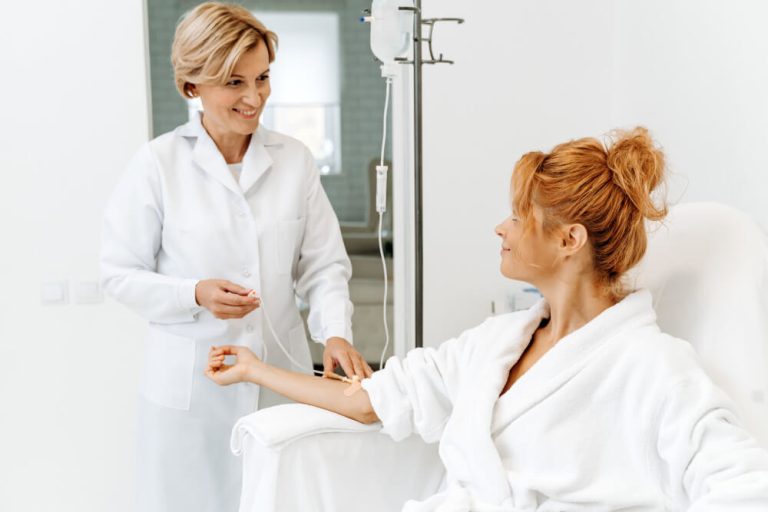
Many therapies focus on improving the function of your mitochondria, the tiny power plants inside your cells. IV drip therapy is a staple, delivering a high-potency cocktail of vitamins, minerals, antioxidants, and amino acids directly into your bloodstream for maximum absorption. NAD+, a critical coenzyme for energy production and DNA repair, is a particularly popular infusion for its anti-aging benefits.
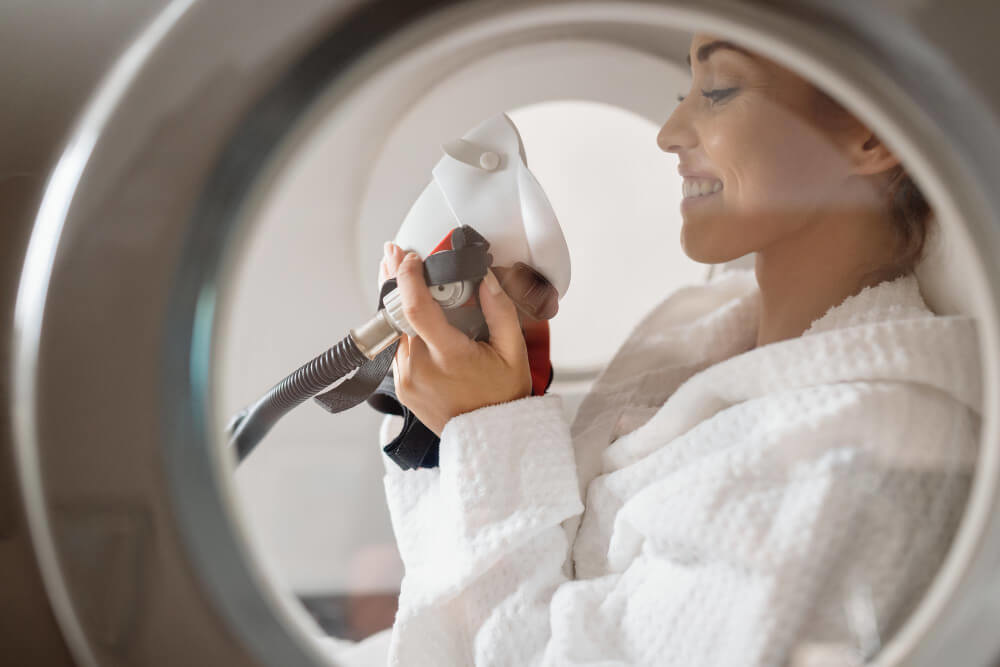
Red Light Therapy, or photobiomodulation, uses specific wavelengths of red and near-infrared light to stimulate mitochondrial function, reduce inflammation, and promote tissue repair. Hyperbaric Oxygen Therapy, or HBOT, involves breathing pure oxygen in a pressurized chamber. This floods your tissues with oxygen, which can accelerate healing, reduce swelling, and support brain health.
What About Recovery and Resilience?
Optimizing recovery is a major focus, as it is during periods of rest that the body repairs and strengthens itself. Whole-body cryotherapy is a popular modality where you spend a few minutes in a chamber cooled to sub-zero temperatures. This intense cold exposure is believed to drastically reduce inflammation, release endorphins, and improve sleep. Many franchise-style wellness centers, such as the well-known Restore Hyper Wellness, have made services like cryotherapy widely accessible.
On the opposite end of the temperature spectrum are infrared saunas. Unlike traditional saunas that heat the air around you, infrared saunas use light to heat your body directly. This deep, penetrating heat can help detoxify the body through sweat, improve circulation, and promote a state of deep relaxation. Another tool often used is Pulsed Electromagnetic Field or PEMF therapy, which uses magnetic fields to ‘recharge’ your cells, reduce pain, and enhance recovery.

How Is Cognitive Function Addressed?
Biohacking is not just about the body; it is also about the brain. Many clinics offer services aimed at enhancing mental clarity, focus, and memory. Neurofeedback is a type of brain training that uses real-time displays of brain activity to teach self-regulation. By receiving feedback, you can learn to guide your brain into more desirable states, such as calm focus.
Personalized supplementation plans often include nootropics, which are compounds believed to enhance cognitive function. Based on your genetic and blood work data, a clinic can recommend specific nootropics that are most likely to benefit you. This data-driven approach avoids the trial-and-error that often comes with trying to find the right brain-boosting supplements on your own.
How Does a Biohacking Clinic Differ From a Traditional Doctor’s Office?
The distinction between a biohacking clinic and a traditional medical practice is significant, centered on goals, methods, and the patient-practitioner relationship. A traditional doctor’s office is primarily designed for disease management. Its purpose is to diagnose and treat sickness, guided by established standard-of-care protocols. The main goal is to bring you from a state of ‘sick’ back to a baseline of ‘not sick’.
A biohacking clinic, on the other hand, is designed for health optimization. Its goal is to take you from a baseline of ‘not sick’ or ‘fine’ to a state of ‘optimal’. It operates in the space above the absence of disease, focusing on enhancing performance, vitality, and longevity. This fundamental difference in objectives shapes every other aspect of the experience.
The approach is proactive versus reactive. Instead of waiting for a problem, a biohacking clinic actively seeks out potential future problems and subtle inefficiencies in your system. The tools used are also different. While a traditional physical might involve a few dozen data points, a biohacking assessment can involve thousands, creating a high-resolution picture of your health. You can find a more detailed breakdown in this biohacking vs longevity clinic a clinical and business comparison which explores the nuances between these emerging models.

Who Should Consider Visiting a Biohacking Clinic?
There is a common misconception that biohacking clinics are only for elite athletes or Silicon Valley billionaires. While high-performers are certainly a core demographic, the services offered can benefit a much broader range of people. Anyone looking to move beyond the limitations of conventional medicine and take a more empowered, personalized approach to their health is a potential candidate.
This includes individuals struggling with chronic, nagging issues that have not responded well to traditional treatments. Conditions like persistent fatigue, brain fog, digestive problems, or hormonal imbalances are often the result of complex systemic dysfunctions that a biohacking approach is well-suited to unravel.
It is also for people who are proactive about their future health. If you are interested in healthy aging and want to do everything you can to extend your healthspan, a biohacking clinic can provide the data and tools to create a long-term strategy. It is about investing in your health now to prevent decline later.
Finally, it is for anyone who feels ‘fine’ but has a sense that they could feel better. If you want more energy, sharper focus, better sleep, and a greater sense of vitality, a biohacking clinic can help you identify the specific biological roadblocks that are holding you back from your full potential.

Are There Different Types of Biohacking Centers?
The biohacking landscape is diverse, with centers that exist on a spectrum of complexity and medical oversight. On one end, you have accessible wellness studios that focus on offering a handful of popular therapies like cryotherapy, red light therapy, and IV drips on an a la carte basis. These are great for experiencing specific modalities but typically lack the deep diagnostic component.
On the other end of the spectrum are comprehensive, physician-led clinics that function as full-service health optimization platforms. These centers are built around extensive diagnostic workups, including advanced imaging, genetic sequencing, and detailed biomarker analysis. Prominent examples in this space include clinics like Fountain Life and personalized medicine practices such as Wild Health, which use deep data to create highly individualized health roadmaps for their members.
The growth of this field has been heavily influenced by thought leaders and physicians who have shared their deep-dive methodologies with the public. Experts like Dr. Peter Attia have popularized the concept of ‘Medicine 3.0’, an approach centered on prevention and longevity that relies on the same principles of deep data analysis and personalization used in top-tier clinics.
This variety means there is an entry point for almost everyone, from the casually curious to the deeply committed. For those interested in the operational side of this growing industry, exploring the various frameworks is key. Understanding the different ways to structure these services is crucial, as detailed in this overview of the business model for a biohacking center.

What Are Some Specific Health Areas They Can Target?
Because they take a systems-based approach, biohacking clinics can have a positive impact on nearly every aspect of health. By focusing on foundational pillars like cellular energy, inflammation, and hormonal balance, they create upstream effects that ripple throughout the entire body.
Can They Help With Hormonal Balance?
Yes, this is a major area of focus. Traditional hormone tests often use wide reference ranges and may only look at a few key markers. A biohacking clinic will conduct a comprehensive hormone panel that looks at everything from thyroid and adrenal function to sex hormones and their metabolites. This detailed picture allows for much more nuanced interventions.
For example, when it comes to the thyroid, they go beyond a simple TSH test to look at the full cascade of hormones like Free T3, Free T4, and Reverse T3. This level of detail is critical for effective treatment, and the thyroid optimization protocols for clinicians used in these settings are far more sophisticated than standard approaches, often incorporating nutrition, supplements, and lifestyle changes alongside medication when necessary.

What About Gut Health and Digestion?
Gut health is considered a cornerstone of overall health in the biohacking world. Using advanced microbiome and food sensitivity testing, clinics can move beyond generic advice like ‘eat more fiber’. They can identify specific bacterial overgrowths or deficiencies and pinpoint exact foods that may be triggering an inflammatory response in your unique body.
The resulting protocol might include targeted probiotics, gut-healing nutrients like L-glutamine, and a personalized elimination diet to calm the immune system. The goal is to restore the integrity of the gut lining and cultivate a diverse, healthy microbiome, which can have benefits for everything from digestion and immunity to mood and skin health.
Can Biohacking Improve Sleep?
Improving sleep is one of the most powerful levers for upgrading overall health, and biohacking clinics take it very seriously. By combining wearable data with blood work, they can uncover the root causes of poor sleep. Perhaps your cortisol levels are spiking at night, or maybe you have a magnesium deficiency that is preventing you from relaxing.
Once the ‘why’ is identified, the interventions are targeted. This could involve specific supplements, changes to your meal timing, a blue-light-blocking routine in the evening, or using therapies like PEMF or an infrared sauna before bed to promote relaxation. They help you systematically troubleshoot your sleep until you are consistently getting the deep, restorative rest your body needs.
How Do I Choose the Right Biohacking Clinic for Me?
With the growing number of options, selecting the right clinic requires some careful consideration. The first step is to clarify your own goals. Are you looking for a quick boost with a one-off therapy, or are you seeking a long-term partner to guide you on a comprehensive health optimization journey? Your answer will help you narrow down the type of center that is right for you.
Next, investigate the qualifications and philosophy of the staff. Look for clinics that have a team of credentialed professionals, including medical doctors (MDs), naturopathic doctors (NDs), registered dietitians, and certified health coaches. Read about their approach to see if it aligns with your own values and health philosophy.
Do your research. Read online reviews, look for testimonials, and see if they have published any case studies or articles that showcase their work. A reputable clinic will be transparent about its methods and results. Do not be afraid to schedule a consultation call to ask questions and get a feel for their process and communication style.
Finally, understand the investment. A comprehensive biohacking workup and program is a significant investment in your health. Ensure you have a clear understanding of the costs, what is included in the package, and what ongoing fees might be. Choosing a clinic is about finding a trusted partner, so take the time to find one that feels like the right fit for your health and your future.
Biohacking clinics represent a powerful evolution in our relationship with our own health. They move us from being passive recipients of medical care to active participants in our own biological destiny. By leveraging data and technology, they provide the tools and insights needed to build a more resilient, energetic, and vibrant version of ourselves. This is not about chasing perfection; it is about pursuing potential.
Frequently Asked Questions
What happens if I change my mind after starting an experimental therapy?
Participating in experimental therapy is entirely voluntary, and your informed consent is an ongoing process, not a one-time decision. You have the absolute right to withdraw from a study at any time and for any reason. This decision will not result in any penalty or the loss of standard medical care to which you are otherwise entitled.
Should you decide to withdraw, you must inform the research team of your decision as soon as possible. The medical staff will then manage a safe transition, which may involve a final health assessment or a plan to safely discontinue the treatment. Your continued health is the priority, and the team will work with you to ensure you continue to receive appropriate care outside of the trial.

How does the screening process for experimental therapies protect me as a patient?
The patient screening process serves as a critical safety measure designed specifically to protect you. By thoroughly evaluating your medical history, current health status, and specific biological markers, researchers can determine if you are a suitable candidate. This ensures that the potential benefits of the experimental treatment are likely to outweigh the potential risks for your specific situation.
Furthermore, this rigorous process helps prevent harm by identifying any pre-existing conditions or concurrent medications that could lead to a dangerous interaction with the therapy. These strict inclusion and exclusion criteria are not meant to be restrictive but are essential for minimizing the risk of adverse events. This protects both your well-being and the scientific integrity of the research.

Can my personal doctor be involved in the informed consent process for a clinical trial?
Yes, and it is highly encouraged that you involve your personal doctor in the decision-making process. Your primary physician understands your complete health history and can offer a trusted perspective on how the experimental therapy might impact your overall health. They can help you understand complex medical information and prepare a list of important questions to ask the research team.
While your doctor is a vital advisor, the formal informed consent process is conducted directly by the study’s principal investigator or a designated member of the research staff. They are responsible for explaining all study-specific details, procedures, and risks before you sign the official consent form. Your doctor’s role is to supplement this information, ensuring you can make a choice that is fully informed and right for you.
Discover the most comprehensive functional medicine training, longevity training, and biohacking certification programs designed specifically for healthcare professionals, medics, and clinic owners who want to master regenerative medicine protocols and anti-aging therapies.