
Exosome Training: Unlocking the Next Frontier in Regenerative Health
The world of health and wellness is buzzing with a new word: exosomes. These microscopic powerhouses are at the forefront of regenerative medicine, promising a new way to think about healing, rejuvenation, and longevity. As interest surges, so does the need for skilled practitioners who can safely and effectively harness their potential. This is where the importance of professional education becomes paramount.
For healthcare professionals, medics, and clinic owners, understanding this groundbreaking field is no longer optional; it is essential for staying on the cutting edge of patient care. Comprehensive Exosome training provides the critical knowledge base to integrate these advanced therapies into practice, covering the science, application protocols, and safety guidelines required for optimal outcomes. It represents a commitment to the future of medicine.
But what are these exosomes, and why are they causing such excitement? Imagine them as the body’s natural communication network, sending vital messages between cells to coordinate repair and regeneration. By learning to understand and utilize these signals, we can tap into the body’s innate healing intelligence in ways we never thought possible. This guide will explore the world of exosomes, from the basic science to the importance of specialized training.

What Exactly Are Exosomes?
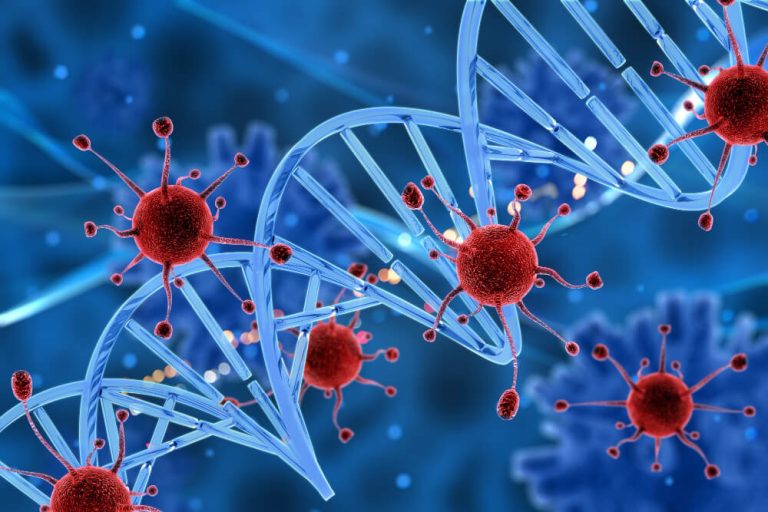
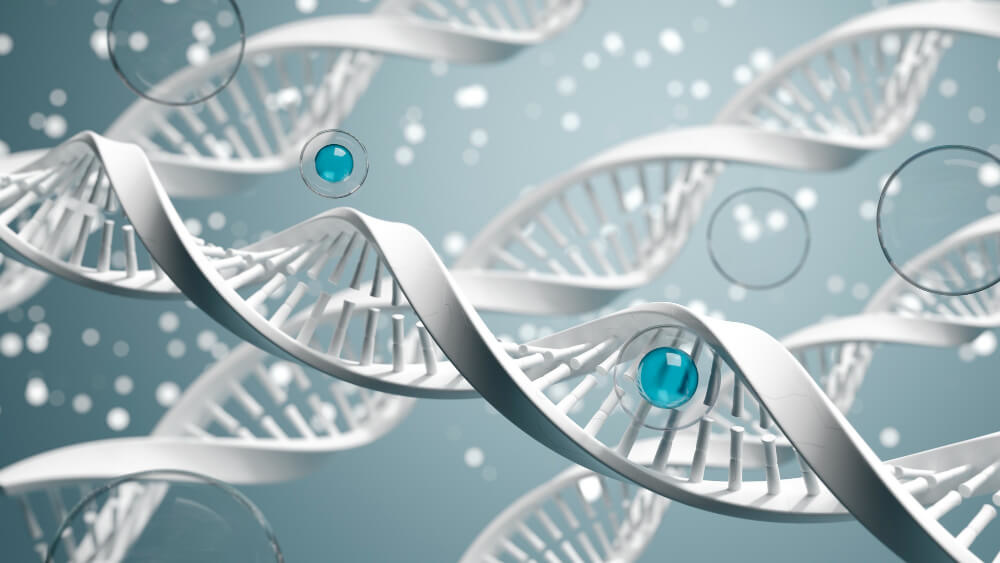
To put it simply, exosomes are tiny vesicles, or sacs, that are released by almost all cells in the body. Think of them as the postal service of your cellular ecosystem. They are loaded with a cargo of proteins, lipids, and genetic material like messenger RNA and microRNA. Their primary job is to travel from a donor cell to a recipient cell to deliver this cargo.
This delivery is not random. It is a highly specific form of cell-to-cell communication that instructs the recipient cell on how to behave. For example, an exosome from a healthy young stem cell might carry instructions that tell an older skin cell to start producing more collagen or to reduce inflammation. This ability to influence cell behavior without being a cell itself is what makes them so unique and powerful.
Their structure is also key to their function. A lipid bilayer protects the precious cargo inside from being degraded as it travels through the body. This ensures the message arrives intact and can be effectively delivered to the target cell, initiating a specific biological response. For a deeper scientific dive, many resources offer an introduction to exosomes that details their biogenesis and composition.
How Do Exosomes Differ from Stem Cells?
A common point of confusion is the relationship between exosomes and stem cells. While related, they are fundamentally different. Stem cells are whole, undifferentiated cells with the remarkable potential to develop into many different cell types. They are the body’s raw materials for repair.
Exosomes, on the other hand, are not cells. They are cell-free products. Many of the therapeutic benefits once attributed to stem cells are now understood to be mediated by the exosomes they release. The stem cells act as factories, and the exosomes are the potent products that are shipped out to do the actual work of signaling and directing other cells.
This distinction is critically important for therapy. Because exosomes are acellular, they do not carry the same risks as stem cell therapies. They cannot replicate or differentiate into unwanted cell types in the body. This significantly improves their safety profile, as the risk of immune rejection or other complications associated with cellular products is virtually eliminated. They offer the regenerative signaling capacity of stem cells without the cells themselves.

Why is There So Much Buzz Around Exosome Therapy?
The excitement surrounding exosome therapy stems from its vast potential across numerous fields, from aesthetic medicine to orthopedics and chronic disease management. The core principle is simple: by introducing a concentration of potent, targeted exosomes to an area of injury or aging, we can encourage the body’s own cells to repair and regenerate more efficiently.
These therapies leverage the exosomes’ natural ability to reduce inflammation, promote new blood vessel formation, and stimulate cellular proliferation and repair. Instead of introducing a foreign substance, the therapy provides a set of biological instructions that the body already knows how to follow. This leads to more natural and harmonious results.
The applications are incredibly broad. In aesthetics, exosomes are used to rejuvenate aging skin and stimulate hair growth. In sports medicine, they are being explored to accelerate recovery from injuries to muscles, tendons, and joints. The potential to modulate the immune response and promote tissue repair makes them a subject of intense research for a variety of health conditions.

What Are the Most Common Applications in Aesthetics?
The field of aesthetic medicine has been one of the earliest and most enthusiastic adopters of exosome technology. Practitioners and patients are drawn to the potential for achieving significant rejuvenation with a minimally invasive, cell-free approach. The focus is on signaling the skin and scalp to behave more youthfully from the inside out.
Two of the most popular and well-documented applications are in skin rejuvenation and hair restoration. In both cases, the goal is to awaken and energize cells that have become sluggish or dormant due to age or environmental damage, restoring them to a more vibrant and productive state.
Can Exosomes Improve Skin Quality?
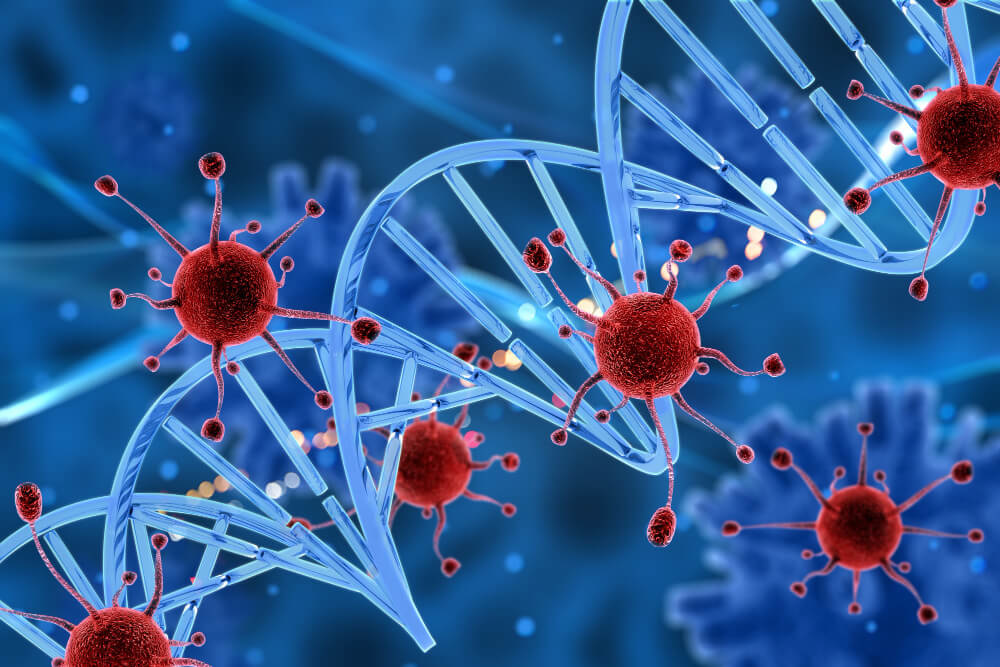
Yes, the potential for skin improvement is one of the most compelling uses for exosome therapy. As we age, our skin cells produce less collagen and elastin, the proteins that provide structure and firmness. This leads to fine lines, wrinkles, and a loss of elasticity. Exosomes derived from regenerative cell sources are rich in growth factors and signaling molecules that directly counteract these changes.
When applied to the skin, often following procedures that create micro-channels for better absorption, these exosomes can penetrate to the deeper layers. They signal fibroblasts to ramp up collagen and elastin production, leading to firmer, smoother skin. They also have potent anti-inflammatory properties, which can help calm redness and improve overall skin tone and texture.
To maximize their effect, practitioners are increasingly combining exosome therapy with microneedling and other energy-based treatments. These procedures create the perfect pathway for exosomes to reach their target cells, amplifying the regenerative results and accelerating healing time.

Can Exosomes Help with Hair Loss?
Hair loss, or alopecia, is another area where exosomes are showing significant promise. The underlying issue in many types of hair loss is the miniaturization and dormancy of hair follicles. The follicles are still present, but they are no longer actively producing healthy hair strands. Exosome therapy aims to reawaken these sleeping follicles.
By delivering a concentrated dose of growth factors directly to the scalp, exosomes can send powerful signals to the dermal papilla cells at the base of the hair follicle. These signals can help push the follicles from a resting phase into an active growth phase. The result can be a reduction in hair shedding and the growth of new, thicker, and healthier hair.
This approach is appealing because it works to restore the natural hair growth cycle rather than introducing a chemical or drug. It supports the scalp’s own regenerative ecosystem, offering a promising option for both men and women experiencing hair thinning.
What Should Patients and Practitioners Know About Safety and Regulation?
With any powerful new technology, a careful and informed approach is crucial. The regulatory landscape for exosome products is still evolving, and it is vital for both patients and practitioners to be aware of the current guidelines. The source and quality of the exosome product are the most important factors for ensuring safety and efficacy.
Reputable exosome products are derived from carefully screened donor tissues, such as mesenchymal stem cells from umbilical cords, and are processed in certified labs. This process involves isolating and purifying the exosomes to ensure they are free from cellular debris, contaminants, and immunogenic material. Practitioners must do their due diligence to partner with labs that adhere to the highest manufacturing standards.
The U.S. Food and Drug Administration has been monitoring this field closely. The agency has issued guidance to caution the public about unapproved products and treatments. It is important for anyone considering these therapies to be aware of the official stance, which is why reviewing the public safety notification on exosome products is a responsible step for both consumers and providers.
Beyond product safety, a key element of a successful practice is transparent communication. Practitioners have an ethical obligation to provide clear information about what the therapy is, what it can realistically achieve, and any potential risks involved. Properly managing patient expectations and consent is not just a formality; it is the foundation of a trusting and effective therapeutic relationship. This ensures patients are active and informed partners in their own healthcare journey.

What Does Current Clinical Research Say?
The field of exosome research is exploding. While many applications are still considered investigational, a growing body of preclinical and clinical studies is building the evidence base for their therapeutic use. Scientists around the world are exploring how exosomes can be used to treat a wide range of conditions, from neurodegenerative diseases to cardiac repair after a heart attack.
This research is crucial for moving the field forward. Well-designed clinical trials help to establish standardized protocols, determine optimal dosing, and confirm the safety and efficacy of exosome therapies for specific indications. The scientific community is working diligently to translate the incredible promise of exosomes into proven, evidence-based medical treatments.
For those interested in the cutting edge of this research, government-sponsored databases provide a transparent look at ongoing studies. It is possible to see what conditions are being studied and where this research is taking place by exploring clinical trials related to exosomes on official registries. This highlights the global effort to unlock the full potential of these remarkable biological messengers.

Why is Specialized Training Essential for Administering Exosome Therapy?
Given the complexity of the science and the evolving regulatory environment, administering exosome therapy is not something that should be undertaken without specialized education. Proper training is the bridge between the potential of the product and a safe, effective outcome for the patient. It is a non-negotiable requirement for any responsible practitioner.
Specialized training goes far beyond simply learning how to apply a product. It encompasses a deep understanding of the underlying biology of exosomes, the nuances of different product formulations, and the specific protocols required for various applications. Without this knowledge, a practitioner cannot make informed decisions or provide the highest standard of care.
Furthermore, safety is paramount. A trained professional learns how to vet suppliers, assess product quality, and recognize contraindications. They understand how to combine exosome therapy with other modalities for synergistic effects and how to manage any adverse events, however rare. This expertise is what distinguishes a professional practice from a risky venture.
What is Covered in a Comprehensive Exosome Training Course?
A high-quality training program is designed to equip healthcare professionals with the confidence and competence to integrate exosome therapy into their practice. The curriculum should be robust, evidence-based, and cover both theoretical knowledge and practical skills. It provides a structured pathway to mastery.
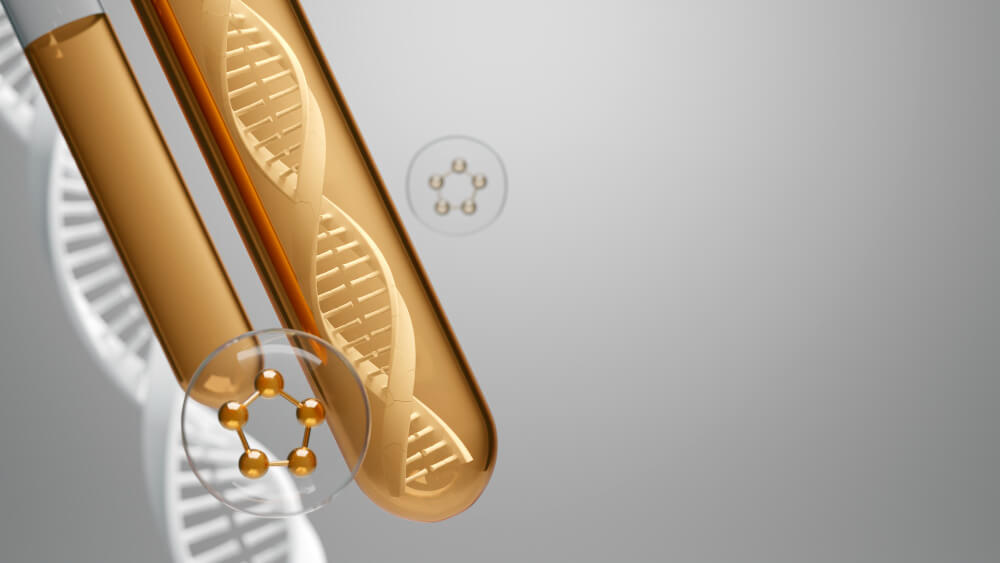
Core modules in such a course typically begin with the foundational science. This includes the biology of extracellular vesicles, their mechanism of action, and the differences between various types of exosomes. This scientific grounding is essential for understanding why and how the therapy works, allowing practitioners to explain it clearly to patients.
The curriculum then moves into the practical aspects. This involves detailed instruction on product sourcing and selection, emphasizing the importance of quality control and lab standards. It covers the regulatory landscape, ensuring practitioners are operating ethically and in compliance with current guidelines. For those looking to deepen their expertise, pursuing a comprehensive exosome therapy course is an excellent way to gain structured, in-depth knowledge from established leaders in the field.
Finally, a great course provides detailed clinical protocols. It teaches the specific techniques for administration for different goals, such as skin rejuvenation, hair restoration, or musculoskeletal applications. This includes recommended dosages, treatment schedules, and best practices for achieving consistent and reproducible results for patients.
How Do Exosomes Fit into a Broader Longevity Strategy?
Exosome therapy is a powerful tool, but it is not a magic bullet. The most profound and lasting results are achieved when it is integrated into a holistic approach to health and longevity. Regenerative treatments work best when they are supporting a body that is already being cared for through healthy lifestyle choices.
Think of it as building a house. Foundational health, including good nutrition, regular exercise, quality sleep, and stress management, is the solid foundation. Advanced therapies like exosomes are the high-tech systems you install in the house to optimize its function and durability. One is not a substitute for the other; they work together.
Addressing underlying health issues is a critical first step. For example, chronic inflammation or metabolic dysfunction can hinder the body’s ability to respond to regenerative signals. Therefore, a truly comprehensive longevity plan often includes strategies for managing these conditions. This can involve functional nutrition, targeted supplementation, and for some patients, even advanced approaches like bariatric medicine for the non-surgeon to restore metabolic health and create an optimal internal environment for healing.
By viewing exosome therapy as one component of a larger, personalized health strategy, practitioners can help patients achieve more significant and sustainable improvements in their overall vitality and well-being. It is about regenerating from the inside out, starting with the very foundations of health.
Exosomes represent a paradigm shift in medicine, moving from managing symptoms to actively promoting regeneration. They offer a glimpse into a future where we can harness the body’s own communication systems to heal and rejuvenate. For practitioners, the journey into this exciting field begins with a commitment to education. Through rigorous training, they can gain the expertise needed to offer these transformative therapies safely, ethically, and effectively, truly shaping the future of health.
Frequently Asked Questions

Does the source of the exosomes affect their safety profile?
The source of exosomes is a critical factor influencing their overall safety and potential for adverse reactions. Human-derived exosomes, typically sourced from mesenchymal stem cells (MSCs), must undergo rigorous screening and purification to mitigate the risk of transmitting pathogens or triggering an unwanted immune response. The health of the donor, the cell culture conditions, and the purification methods all play a vital role in the safety of the final product.
In contrast, plant-derived exosomes are emerging as an alternative that eliminates the risk of human-to-human disease transmission. However, their long-term effects and potential to cause allergic reactions in some individuals are still being studied. Regardless of the origin, the most crucial safety measure is the manufacturer’s commitment to stringent quality control, including third-party testing for sterility and purity.

Can I receive exosome therapy if I have an autoimmune condition?
Having an autoimmune condition is a significant consideration and often a relative contraindication for exosome therapy, requiring careful evaluation by a medical professional. Because exosomes are powerful modulators of the immune system, there is a theoretical risk they could inadvertently stimulate or worsen an underlying autoimmune response. The decision to proceed depends heavily on the specific condition, its severity, and the type of exosome product being used.
Interestingly, some advanced research is exploring the use of specific types of exosomes to treat autoimmune diseases due to their anti-inflammatory properties. However, this is highly experimental and not yet a standard clinical application. For this reason, anyone with a history of autoimmune disease must have a detailed discussion with their provider to weigh the potential risks against any purported benefits.

How can I verify the safety and quality of an exosome treatment before proceeding?
To protect yourself and verify the quality of a treatment, you should always ask the provider for a Certificate of Analysis (CoA) for the specific batch of exosomes being used. This document, ideally from an independent third-party laboratory, confirms the product’s identity, concentration, purity, and sterility. It should explicitly show that the product is free from contaminants like bacteria, endotoxins, and mycoplasma.
Furthermore, you should inquire about the manufacturer’s standards and the source of the cells used to generate the exosomes. A reputable clinic will be transparent about their supply chain and able to explain the safety protocols, from donor screening to the final purification process. A provider’s inability or unwillingness to share this critical documentation should be considered a serious red flag.
Discover the most comprehensive functional medicine training, longevity training, and biohacking certification programs designed specifically for healthcare professionals, medics, and clinic owners who want to master regenerative medicine protocols and anti-aging therapies.