

Unlocking Your Blueprint: A Comprehensive Guide to Genetic Testing
Have you ever wondered what secrets are written in your DNA? For generations, we have looked to our family trees to understand our risk for certain health conditions. We see our parents’ eyes, our grandmother’s smile, and perhaps we inherit a predisposition for high cholesterol or curly hair. Today, science offers us a much more direct and detailed look into our biological inheritance.
This look is made possible through the powerful field of genetic testing. At its core, this science involves analyzing your DNA, the unique instruction manual that builds and operates your body. It is a way to read specific chapters or even single letters within that manual to gather information about your health, ancestry, and potential future.
Navigating this complex field can feel overwhelming, but it does not have to be. Understanding the fundamentals is the first step toward harnessing this knowledge for a longer, healthier life. This guide will demystify the process, exploring the reasons for testing, the different methods available, and what the results could mean for you and your family. Gaining a clear perspective on genetic testing empowers you to make informed decisions about your personal health journey.
What Exactly Is Genetic Testing?
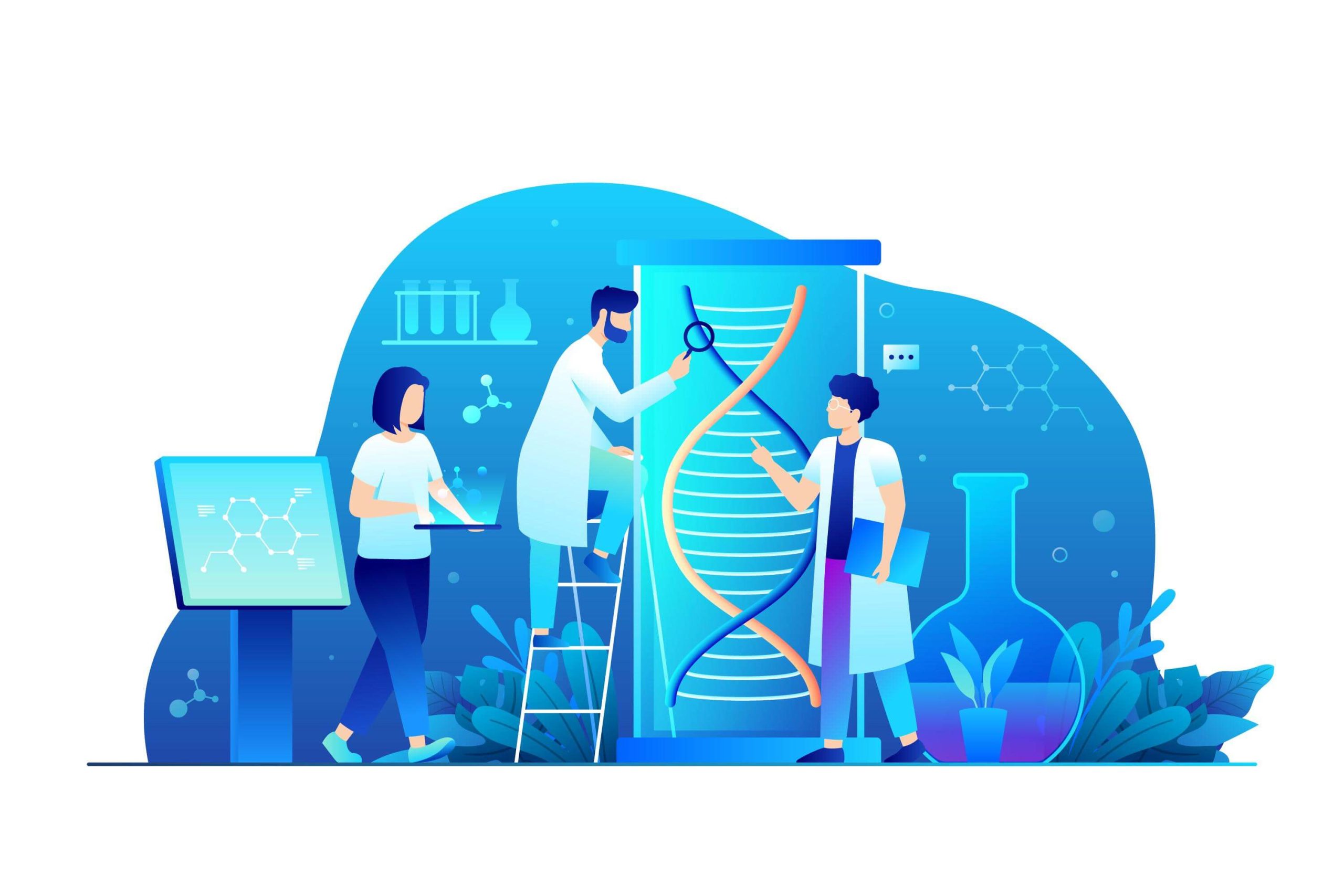
To truly grasp genetic testing, we must first appreciate the marvel that is our genetic code. Imagine your DNA as a vast library of cookbooks. Each cookbook represents a chromosome, and you inherit a set from each parent. Inside these cookbooks are individual recipes, which are your genes. These recipes provide the instructions for making proteins, the essential molecules that perform countless jobs in your body, from building tissues to fighting infections.
Genetic testing is like a meticulous proofreading of these recipes. Sometimes, a recipe contains a small typo, a missing ingredient, or an extra instruction. These changes are called genetic variants or mutations. Many variants are harmless and simply contribute to our individuality, like the differences that determine eye color.
However, other variants can alter the recipe in a way that leads to a faulty protein or no protein at all. When this happens, it can disrupt normal development or bodily functions, potentially causing a genetic disorder. Genetic testing uses advanced laboratory methods to identify these specific variants in your genes, chromosomes, or proteins.
This process provides a window into your biological makeup that was unimaginable just a few decades ago. It can pinpoint the cause of a mysterious illness, reveal a hidden risk for a future condition, or even guide doctors in choosing the most effective medication for you. It transforms genetics from a theoretical concept into practical, actionable health information.

Why Might Someone Consider Genetic Testing?
The reasons for pursuing genetic testing are as diverse as the people who seek it. The decision is deeply personal and often comes after careful consideration and consultation with healthcare professionals. It is a tool that serves many different purposes, from providing diagnostic clarity to informing life-altering family planning decisions.
For some, the journey begins with a health problem that has eluded diagnosis. For others, it is a proactive step to understand what the future may hold. The information gleaned from a genetic test can bring relief, provide answers, and empower individuals to take control of their health in a highly personalized way.
Can it help diagnose a disease?
Yes, this is one of the most common applications, known as diagnostic testing. When a person is showing symptoms of a condition that may be genetic, such as cystic fibrosis or Huntington’s disease, a specific genetic test can confirm or rule out the diagnosis. This provides certainty and can end a long and often stressful ‘diagnostic odyssey’.
For example, a child with developmental delays and specific physical features might undergo genetic testing to see if they have a chromosomal disorder like Down syndrome. Similarly, an adult experiencing progressive muscle weakness could be tested for muscular dystrophy. A definitive diagnosis allows for appropriate management, access to support services, and a clearer understanding of the condition’s progression.

Can it predict future health risks?
This type of testing, called predictive or presymptomatic testing, is used to find genetic variants that increase a person’s chance of developing a disease later in life. This is for individuals who do not currently have symptoms but have a family history of a genetic condition. The most well-known examples are tests for mutations in the BRCA1 and BRCA2 genes, which are associated with an increased risk of breast and ovarian cancer.
Knowing you carry such a variant allows you to take proactive measures. This might include more frequent screenings like mammograms, lifestyle changes, or preventive surgeries. It is about shifting from a reactive to a proactive stance on health. While a positive result does not guarantee you will get the disease, it provides critical information for risk management.

Can it reveal if I’m a carrier of a genetic condition?
Absolutely. This is known as carrier screening, and it is particularly important for prospective parents. Carrier screening determines if you and your partner carry a genetic variant for a recessive condition that you could pass on to your children. In recessive disorders, like sickle cell anemia or Tay-Sachs disease, a child must inherit a copy of the faulty gene from both parents to have the disease.
Most carriers are healthy and have no idea they possess the variant. If both partners are found to be carriers for the same condition, they have a 1 in 4 chance with each pregnancy of having an affected child. According to leading medical bodies, carrier screening for genetic conditions provides crucial information for family planning, allowing couples to explore options like prenatal diagnosis or in vitro fertilization with preimplantation genetic testing.

Can it guide medical treatment?
Yes, this emerging field is called pharmacogenomics. It examines how your genetic makeup influences your body’s response to certain drugs. Some genetic variants can affect how quickly you metabolize a medication, meaning a standard dose might be ineffective or cause severe side effects for you.
For instance, pharmacogenomic testing can help doctors prescribe the correct dosage of the blood thinner warfarin, reducing the risk of bleeding or clotting. It can also help predict which antidepressants are most likely to work for an individual, potentially shortening the trial-and-error period of finding effective treatment. This is the essence of personalized medicine, tailoring treatment to your unique genetic profile.

Can it be used before birth?
Prenatal genetic testing is an option offered during pregnancy to screen for certain genetic abnormalities in a developing fetus. Screening tests, like noninvasive prenatal testing (NIPT), analyze small fragments of fetal DNA circulating in the mother’s blood to estimate the risk of conditions like Down syndrome. Diagnostic tests, such as amniocentesis or chorionic villus sampling (CVS), are more invasive but provide a definitive diagnosis.
These tests give expectant parents information about the health of their baby, allowing them to make informed decisions and prepare for the potential of having a child with special needs. It is a complex area with significant emotional considerations, and genetic counseling is an essential part of the process.

What Are the Different Types of Genetic Tests?
Just as there are many reasons to get tested, there are several different types of tests designed to look at your DNA in various ways. The right test depends on what a doctor is looking for. The approach can range from a highly focused search for a single genetic typo to a broad scan of your entire genetic code.
Think of it like searching for a book in a library. You could look for a specific title (single gene testing), browse a particular section like ‘history’ (panel testing), read the table of contents of every book (exome sequencing), or read every single word in the entire library (genome sequencing). Each method offers a different level of detail and is suited for different clinical situations. As you explore these options, you might find that the general information provided by resources like the National Human Genome Research Institute can be a helpful starting point.

What is single gene testing?
This is the most focused type of genetic test. It is used when a doctor suspects a specific condition based on your symptoms or a known genetic mutation in your family. The test hones in on one particular gene to look for any variants known to cause that disorder.
For example, if a couple has a child with cystic fibrosis and they want to know their carrier status, a single gene test would be used to look specifically at the CFTR gene. This targeted approach is efficient and cost-effective when there is a strong reason to suspect a particular gene is involved.

What is panel testing?
A genetic panel test looks for variants in multiple genes at the same time. This is useful when a person has symptoms that could be caused by a number of different genes. Instead of testing genes one by one, a panel bundles them together for a more efficient search.
For instance, there are panels for hereditary cancer risk that test dozens of genes, including BRCA1, BRCA2, and many others associated with various cancers. There are also panels for epilepsy, heart conditions, and other complex disorders. This approach broadens the search while still keeping it focused on a set of genes related to a specific health concern.

What is whole exome sequencing (WES)?
Whole exome sequencing, or WES, takes a much broader view. The exome is the part of your DNA that contains the recipes for making proteins, representing about 1-2% of your entire genome. However, this small fraction is where the vast majority of known disease-causing mutations are found.
WES is often used when a patient has a complex medical history that does not fit a specific diagnosis, and single gene or panel tests have not provided an answer. It casts a wide net, sequencing all the protein-coding regions of your genes at once. Following the established guidelines for ordering whole exome sequencing (WES) is crucial for clinicians to ensure this powerful test is used appropriately and effectively for patients with challenging diagnostic journeys.

What is whole genome sequencing (WGS)?
Whole genome sequencing is the most comprehensive genetic test available. Instead of just looking at the protein-coding exome, WGS sequences a person’s entire genetic code, including both the genes and the vast stretches of DNA between them. This provides an enormous amount of data.
While this non-coding DNA was once considered ‘junk DNA’, scientists are now discovering that it plays important roles in regulating gene activity. WGS is primarily used in research settings but is slowly making its way into clinical practice for cases that remain unsolved even after exome sequencing. It represents the ultimate proofreading of your entire biological instruction manual.

How is the Testing Process Done?
For many, the idea of a genetic test might conjure images of complex, intimidating procedures. However, the process itself is typically straightforward from the patient’s perspective. It involves a few key steps, from the initial consultation to the final delivery of results, all guided by healthcare professionals.
The journey begins with a conversation. A doctor or a genetic counselor will discuss your personal and family medical history, the reasons you are considering a test, and which test is most appropriate. This initial step ensures you understand the implications of testing. The overview of genetic testing from established medical centers often highlights the importance of this pre-test counseling.
Next comes the sample collection. This is a simple and non-invasive procedure. The most common methods are a blood draw from your arm, a saliva sample collected by spitting into a tube, or a cheek swab where a small brush is rubbed against the inside of your cheek to collect cells. The sample is then labeled and sent to a specialized laboratory for analysis.
In the lab, technicians extract your DNA from the collected cells. Using sophisticated sequencing machines, they analyze the DNA to look for the specific genetic variants relevant to the ordered test. This part of the process can take several weeks, depending on the complexity of the test. Once the analysis is complete, the lab compiles a report and sends it back to your healthcare provider.
How Do You Make Sense of the Results?
Receiving a genetic test report can be a pivotal moment, but the document itself can be dense and filled with technical language. It is not just a simple ‘yes’ or ‘no’ answer. The results are typically categorized as positive, negative, or a variant of uncertain significance (VUS), and understanding each is critical.
A positive result means the lab found a specific genetic variant known to be associated with a disease. This can confirm a diagnosis, identify an increased risk for a future condition, or show that you are a carrier. A negative result means no known disease-causing variants were found in the gene or genes that were tested. This can provide relief, but it does not completely eliminate the risk, as there may be other genetic or lifestyle factors at play.
The most complex result is a VUS. This means a variant was found in your DNA, but at present, there is not enough scientific evidence to know whether it is harmless or disease-causing. A VUS can be frustrating and cause anxiety, and it often requires re-evaluation as more research becomes available. This is why professional guidance is so important. Learning how to interpret a clinical genetic test report is a specialized skill, and a genetic counselor is trained to translate this complex information into meaningful knowledge for you.
They will walk you through the report, explain what the findings mean for your health and for your family members, and discuss the next steps. This post-test counseling is arguably the most important part of the entire process, ensuring the information is used to empower, not confuse.

What Are the Benefits and Risks?
Like any powerful medical tool, genetic testing comes with a host of potential benefits alongside certain risks and limitations. A thoughtful consideration of both sides is essential before proceeding. The decision to test involves weighing the value of the information against its potential emotional, social, and financial costs.
The primary benefit is knowledge. Genetic testing can provide a sense of empowerment, replacing uncertainty with actionable information. It can lead to earlier diagnosis, better surveillance, and personalized treatments that improve health outcomes. For many, a negative result brings immense relief, while a positive result can guide critical life decisions. A comprehensive look at the pros and cons of genetic testing can help individuals and families prepare for the potential outcomes.
However, there are also significant limitations and risks. A test might not provide a clear answer, especially with a VUS result. The emotional impact can be substantial, leading to anxiety, depression, or guilt, particularly when the results have implications for family members. There are also concerns about genetic discrimination, although laws like the Genetic Information Nondiscrimination Act (GINA) in the United States offer protections against misuse by health insurers and employers.
It is also crucial to remember that genes are not always destiny. For most conditions, lifestyle and environmental factors play a significant role. A genetic test is one piece of a much larger health puzzle, not the final word on your future well-being.

What Does the Future Hold for Genetic Science?
The field of genetics is advancing at an incredible pace, promising a future where medicine is more predictive, personalized, and preventive than ever before. The insights gained from genetic testing are the foundation for a new era of healthcare, one that focuses on longevity and optimal wellness.
Technologies like CRISPR gene editing, while still in early stages for therapeutic use, hold the potential to one day correct disease-causing mutations directly in a person’s DNA. As our understanding of the genome deepens, we will be able to predict disease risk with greater accuracy and develop highly targeted interventions.
Furthermore, the knowledge from our genes is fueling innovations in related fields. The insights into cellular aging and repair are paving the way for novel treatments. For example, understanding the genetic pathways of regeneration is accelerating research into new therapeutic approaches. Examining the future of acellular biologics in medicine reveals how scientists are working to harness the body’s own healing signals, a concept deeply intertwined with our genetic blueprint for repair and renewal.
Genetic testing is no longer a niche or futuristic concept. It is a present-day tool that offers a profound glimpse into the very code of life. By embracing this knowledge responsibly, we can move toward a future where our genetic information is one of our most powerful assets in the pursuit of a long and healthy life.
Frequently Asked Questions
How is a personalized nutrition plan from nutrigenomics different from general dietary advice?
A personalized nutrition plan based on nutrigenomics moves beyond broad, population-level recommendations like the food pyramid or standard dietary guidelines. Instead, it uses your unique genetic profile to inform highly specific dietary adjustments. For example, it can identify genetic variations that affect how your body metabolizes caffeine, processes folate, or responds to saturated fats, allowing for targeted advice that is more relevant to your individual biology.
This tailored approach aims to optimize your health on a molecular level, potentially leading to more effective outcomes than a one-size-fits-all diet. Clinical evidence suggests that aligning nutrient intake with genetic predispositions can more efficiently improve specific biomarkers, such as cholesterol levels or inflammatory markers. It shifts the focus from just what you eat to how your body uniquely uses those nutrients.

What are the biggest challenges in proving the effectiveness of nutrigenomics?
One of the primary challenges in nutrigenomic research is the immense complexity of isolating cause and effect. Unlike a pharmaceutical trial that tests a single compound, nutrition involves thousands of bioactive components that interact with each other and with numerous genes simultaneously. Conducting long-term, randomized controlled trials that can definitively link a specific gene-diet interaction to a health outcome is therefore incredibly difficult and expensive.
Furthermore, human health is influenced by a wide array of lifestyle and environmental factors beyond genetics and diet, including exercise, sleep, and stress. These confounding variables make it hard to prove that a positive health change is due solely to a nutrigenomic intervention. As a result, while many studies show promising associations, establishing direct causation that meets the highest standards of clinical evidence remains an ongoing process for the field.

Can nutrigenomic insights genuinely help with weight management?
Yes, clinical evidence indicates that nutrigenomics can be a valuable tool for weight management by providing personalized insights that go beyond simple calorie counting. Certain well-studied genetic variants, such as those in the FTO gene, are linked to appetite, satiety, and a predisposition to a higher BMI. Knowing you have such a variant can provide powerful motivation and guide you toward strategies, like a higher-protein diet, that may be more effective for controlling your hunger.
However, it is crucial to understand that genetics are not destiny and do not override the fundamental principles of energy balance. Nutrigenomics does not offer a "magic bullet" for weight loss but rather a strategic advantage. The evidence suggests its primary benefit lies in using genetic information to create a more sustainable and behaviorally effective plan by aligning dietary choices with an individual’s unique physiological tendencies.
Discover the most comprehensive functional medicine training, longevity training, and biohacking certification programs designed specifically for healthcare professionals, medics, and clinic owners who want to master regenerative medicine protocols and anti-aging therapies.


