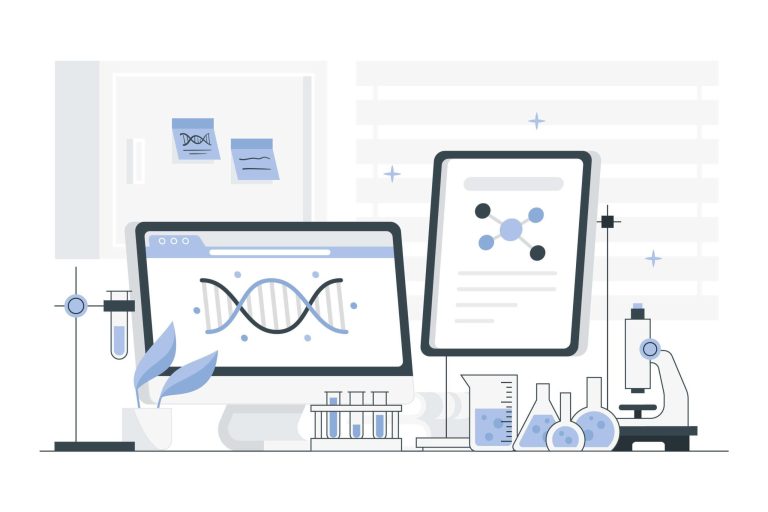

Genetic Testing: Your Personal Roadmap to Health and Longevity
Have you ever wondered why certain health conditions run in your family? Or perhaps you are curious about what makes you uniquely you, right down to your cellular level. For centuries, we have looked to family history as a clue to our future health, but today, we have a tool that offers unprecedented insight into our biological makeup. This tool is genetic testing, a revolutionary field that is transforming our approach to health, wellness, and longevity.
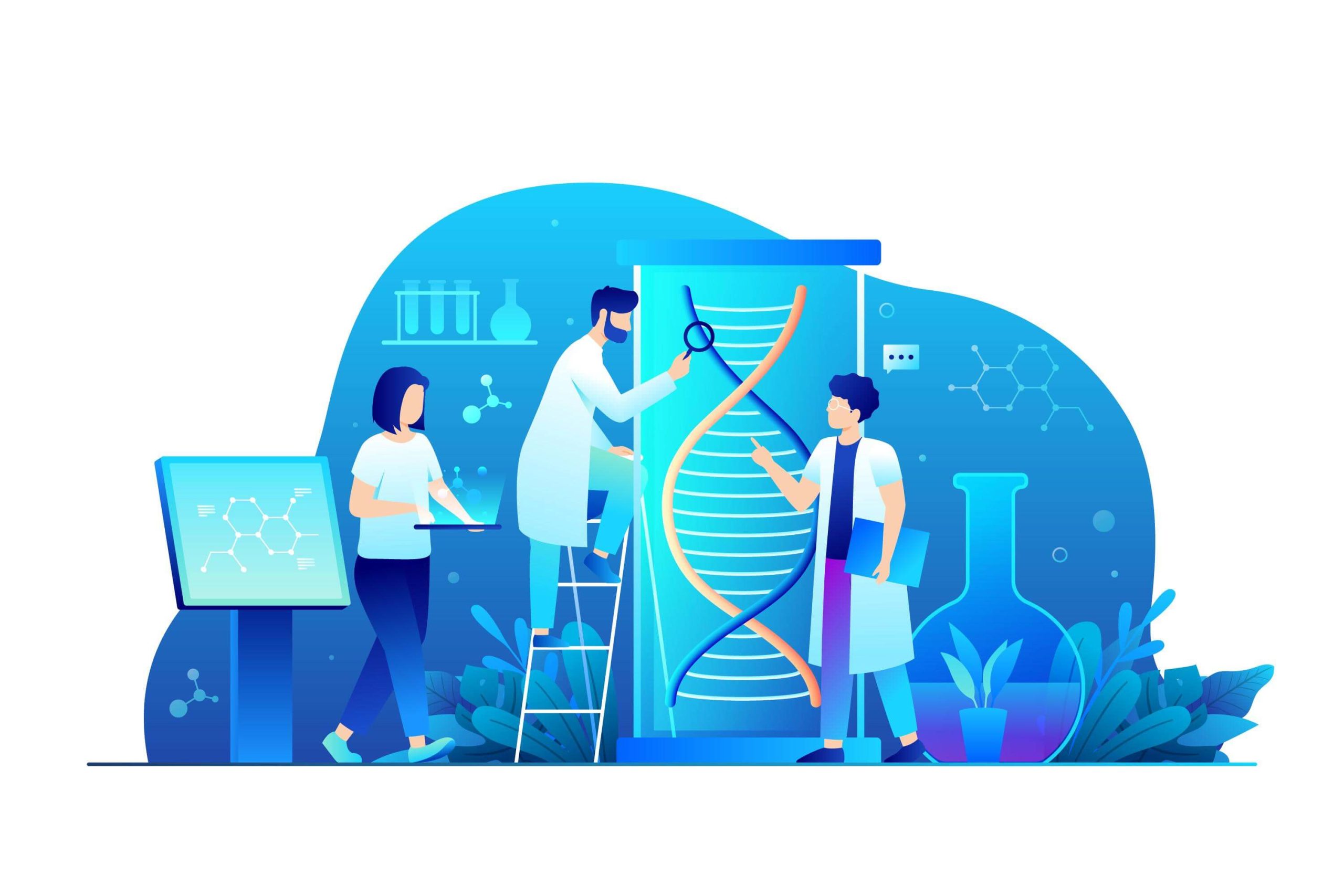
At its core, genetic testing involves analyzing your DNA, the unique instruction manual found in every one of your cells. This analysis can reveal variations that may influence your health, from your risk of developing certain diseases to how your body processes medications. It is a journey into your personal biology, offering a roadmap that can empower you to make more informed decisions about your lifestyle and medical care. Understanding the landscape of genetic testing is the first step toward unlocking a more personalized and proactive approach to your well-being.
This guide will walk you through the world of genetic testing. We will explore what it is, the different types of tests available, and the reasons you might consider one. We will also delve into the process itself, the rise of direct-to-consumer options, and the profound ways this technology is shaping the future of medicine. By the end, you will have a clear understanding of how this powerful science can provide you with knowledge to help navigate your health journey with greater confidence.

What is genetic testing?
Imagine your body is an incredibly complex and sophisticated library, and your DNA is the master collection of instruction books. Every book, or gene, contains the specific instructions for building and operating a part of your body. Genetic testing is the process of carefully reading sections of these books to look for any changes, sometimes called variants or mutations, that might be different from the standard text.
These changes are not always a cause for concern; in fact, they are what make each of us unique. However, some specific variations can alter the instructions in a way that affects our health. They might increase our risk for a particular condition, cause a genetic disorder, or change how we respond to certain environmental factors or even foods.
By identifying these genetic markers, scientists and doctors can gain valuable insights. The goal is not to predict the future with absolute certainty but to understand predispositions and probabilities. This information can be used for diagnostic purposes, for preventative strategies, and for creating truly personalized healthcare plans tailored to your individual genetic blueprint.

Why would someone consider genetic testing?
People seek out genetic testing for a wide variety of personal and medical reasons. The motivations are as diverse as the information the tests can provide, often falling into key categories related to family planning, future health risks, current medical mysteries, and treatment optimization. Each reason reflects a desire to gain knowledge and take proactive control over one’s health and the health of one’s family.

Can it help in family planning?
Yes, genetic testing is a powerful tool for prospective parents. This is often done through carrier screening, which can determine if you or your partner carry a genetic variant for a specific condition that you could pass on to your children. Most carriers are healthy and have no idea they carry the variant until they are tested.
Conditions like cystic fibrosis, sickle cell anemia, and Tay-Sachs disease are examples of autosomal recessive disorders. This means a child must inherit a copy of the faulty gene from both parents to have the condition. Carrier screening allows couples to understand their risks and make informed decisions about family planning, which may include options like in vitro fertilization (IVF) with preimplantation genetic testing.
Additionally, genetic testing is used during pregnancy through prenatal tests to screen for certain chromosomal abnormalities in a developing fetus. Newborn screening, typically done with a simple heel prick after birth, checks for dozens of genetic and metabolic conditions, allowing for early intervention and treatment that can dramatically improve a child’s health outcomes.

Can it predict my risk for future diseases?
One of the most compelling applications of genetic testing is in predictive and presymptomatic analysis. This type of testing looks for genetic mutations that increase your likelihood of developing a condition later in life. A well-known example is testing for variants in the BRCA1 and BRCA2 genes, which are associated with a significantly higher risk of breast, ovarian, and other cancers.
Knowing you have such a variant does not mean you will definitely get the disease. Instead, it provides crucial information that allows you and your doctor to create a proactive surveillance and prevention plan. This might include more frequent screenings, lifestyle modifications, or preventative medical procedures. This approach shifts the focus from reacting to a disease to actively managing your risk for it.
This field is rapidly advancing with the use of more sophisticated tools that look beyond single genes. For instance, the growing understanding of polygenic risk scores is changing preventative medicine. These scores assess the combined influence of many common genetic variants across your entire genome to calculate a more nuanced risk for complex conditions like heart disease, type 2 diabetes, and high blood pressure.

Can it explain a current health problem?
Absolutely. When a person has symptoms of a condition that might be genetic, diagnostic testing can be used to confirm or rule out a specific diagnosis. For individuals and families who have been on a long ‘diagnostic odyssey’, searching for answers to mysterious health issues for years, this can be life-changing.
For example, if a child shows signs of developmental delay or a young adult has symptoms suggestive of a condition like Marfan syndrome or Huntington’s disease, a genetic test can provide a definitive answer. A clear diagnosis can end the uncertainty, connect patients with the right specialists and support communities, and ensure they receive the appropriate care.
This diagnostic power is a cornerstone of clinical genetics. It provides clarity that allows healthcare providers to stop searching for a cause and start focusing on the best way to manage the condition. It offers patients and their families a name for their health challenges and a path forward.

Can it personalize my medical treatment?
Yes, and this is one of the most exciting and rapidly growing areas of genetics, known as pharmacogenomics. This field studies how your genes affect your body’s response to specific drugs. We all metabolize medications differently, and our genetics play a huge role in that process.
For instance, some people have genetic variants that cause them to break down certain drugs very quickly, potentially making the standard dose ineffective. Others might process a drug very slowly, causing it to build up in their system and lead to severe side effects. Pharmacogenomic testing can help predict these responses.
This information allows doctors to select the right drug and the right dose for you from the start, avoiding a trial-and-error approach. It is already being used for medications like the blood thinner warfarin, certain antidepressants, and some chemotherapy drugs. As our knowledge grows, this level of personalization will become a standard part of medicine, making treatments safer and more effective. Clinicians are increasingly learning how to integrate this complex information, developing new standards for managing patient DTC andme data to improve patient outcomes.

What are the different types of genetic tests available?
Genetic tests are not a one-size-fits-all tool. The right test depends on the specific question being asked. They range from highly targeted analyses of a single gene to broad scans of your entire genetic code. Understanding the main types can help clarify what you might expect from the testing process.

What is single gene testing?
Single gene testing is a focused approach. It involves looking at one specific gene to check for a known variant. This type of test is typically used when a person’s symptoms or family history strongly points to a particular genetic condition, such as Duchenne muscular dystrophy or cystic fibrosis.
Because it is so targeted, it is often the most conclusive and straightforward type of test when a specific disorder is suspected. A doctor will order a single gene test to confirm a diagnosis or if a specific mutation is known to run in a family. It is a precise tool designed to answer a very specific question.

What are gene panels?
Sometimes, a set of symptoms could be caused by mutations in several different genes. In these cases, testing genes one by one would be inefficient and time-consuming. Instead, doctors can order a gene panel test, which looks at multiple genes at once.
Panels are grouped based on the type of medical concern. For example, there are panels for hereditary cancers, cardiac conditions, or epilepsy. This allows for a broader search within a specific category of disease, increasing the chances of finding a genetic cause for a person’s symptoms or elevated risk. Panels offer a good balance between a targeted search and a wider net.

What is whole exome or whole genome sequencing?
Whole exome sequencing (WES) and whole genome sequencing (WGS) are the most comprehensive types of genetic tests available. The exome represents all the protein-coding regions of your genes, which is where the vast majority of known disease-causing mutations are found. It makes up about 1-2% of your total DNA.
Whole genome sequencing goes a step further and analyzes a person’s entire DNA sequence, including both the coding and non-coding regions. This is the most extensive test possible and can be particularly useful when a person has a complex medical history that gene panels have not been able to explain. Because these tests are so broad, they have the potential to reveal unexpected information, known as secondary findings, that may be unrelated to the original reason for testing. The The Centers for Disease Control and Prevention (CDC) offers comprehensive resources for understanding these advanced genetic technologies.
How does the genetic testing process work?
While the science behind genetic testing is complex, the process for the patient is usually quite simple and straightforward. It generally involves a few key steps, from providing a sample to receiving and understanding your results, often with the guidance of a healthcare professional.

How is a sample collected?
The first step is collecting a biological sample that contains your DNA. In most cases, this is a non-invasive and painless procedure. The most common method is a simple blood draw from a vein in your arm.
For many tests, including many direct-to-consumer kits, a saliva sample is all that is needed. This involves spitting into a collection tube until you reach a designated fill line. Another common method is a buccal swab, where a small brush or cotton swab is rubbed firmly against the inside of your cheek to collect cells. The sample is then securely packaged and sent to a specialized laboratory for analysis.

What happens in the laboratory?
Once your sample arrives at the lab, scientists extract the DNA from your cells. This purified DNA is then prepared for the sequencing process. Using advanced machines, the lab reads the sequence of your DNA bases, which are the letters (A, C, G, and T) that make up your genetic code.
The specific technology used depends on the type of test ordered. The resulting data, which can be enormous, is then analyzed by bioinformaticians. They use powerful computers and sophisticated software to compare your DNA sequence to a reference sequence, flagging any variants or differences they find.

How do I get my results?
After the analysis is complete, the laboratory compiles the findings into a detailed report. This report is then sent back to your healthcare provider or made available to you through a secure online portal. The format and complexity of the report can vary significantly depending on the test.
Understanding a genetic test report can be challenging, as it contains technical information. This is why genetic counseling is a critical part of the process. For more information on the steps involved, the Mayo Clinic explains the process in a clear and accessible way for patients. A genetic counselor is a healthcare professional trained to help you understand what your results mean for you and your family. They can answer your questions, provide context, and discuss potential next steps, ensuring you can make sense of this powerful information. The National Society of Genetic Counselors (NSGC) is an excellent resource for finding a qualified professional.

What about direct-to-consumer (DTC) genetic tests?
The rise of direct-to-consumer genetic testing has made it easier than ever for the general public to access information about their DNA. These tests are marketed directly to consumers online, bypassing the traditional healthcare system. They typically offer insights into ancestry, wellness traits like caffeine metabolism, and reports on a limited number of health risks.
While these tests can be a fun and engaging entry point into personal genetics, it is crucial to understand their scope and limitations. They are not a substitute for clinical diagnostic testing ordered by a doctor. The information they provide is often for educational and informational purposes rather than for medical decision-making.

Are DTC tests accurate?
DTC tests are generally accurate at identifying the specific genetic variants they are designed to look for. However, they typically analyze only a small fraction of the millions of variants in your genome. For health-related results, a positive finding on a DTC test, especially for a serious condition, should always be confirmed with a clinical-grade test in a certified lab before any medical decisions are made.
Furthermore, a ‘not detected’ result on a DTC test for a specific gene variant does not mean you have zero risk. There could be thousands of other variants associated with that condition that the DTC test did not screen for. This is why context is so important when interpreting these results, ideally in a conversation with a healthcare provider who understands genetics.

What should I know before taking a DTC test?
Before you spit in that tube, it is wise to consider a few key points. First, think about your own emotional readiness. How will you feel if you uncover unexpected information about your health risks or family relationships? These results can sometimes have a significant psychological impact.
Second, carefully review the company’s privacy policy. Understand how your genetic data will be stored, used, and shared. While many companies have robust policies, your genetic data is highly personal. Companies like 23andMe and others provide detailed information on their privacy practices. Finally, remember that these tests are a starting point, not a final answer. They can open doors to important health conversations but should be viewed as one piece of a much larger puzzle.

What are the benefits and risks of genetic testing?
Like any powerful medical tool, genetic testing comes with a host of potential benefits as well as some important risks and limitations. A balanced understanding of both sides is essential for anyone considering getting tested.

What are the potential benefits?
The primary benefit of genetic testing is knowledge and empowerment. The results can provide a sense of relief from uncertainty and end a long search for a diagnosis. They can help you make informed decisions about your health, from lifestyle changes to proactive medical screenings that can prevent disease or catch it early.
For families, it can clarify risks for relatives and guide family planning decisions. In medicine, it paves the way for personalized treatments that are more effective and have fewer side effects. Ultimately, genetic information can empower you to become an active partner in your own healthcare, shifting from a reactive to a proactive mindset.
What are the potential risks and limitations?
On the other side, genetic testing has its limitations. A test may not provide a clear answer, sometimes identifying a ‘variant of uncertain significance’ that scientists do not yet understand. This can create more anxiety than it resolves. The results can also have an emotional toll, causing stress, anxiety, or guilt about one’s health or the risk of passing a condition to children.
There are also privacy considerations. While laws like the Genetic Information Nondiscrimination Act (GINA) in the United States offer protections against discrimination by health insurers and employers, they do not cover life, disability, or long-term care insurance. Finally, it is crucial to remember that genes are not destiny. Most common diseases are influenced by a complex interplay of genetics, lifestyle, and environment, and a test cannot predict your future health with 100% certainty.

How is genetic information shaping the future of health?
Genetic testing is not a static field; it is a dynamic and rapidly evolving area of science that is poised to fundamentally change the landscape of health and medicine. From understanding our inner ecosystems to predicting disease on a population scale, the applications of genetic information are expanding every day.

What is the connection between genetics and the microbiome?
One of the most fascinating new frontiers is the interplay between our human genes and the genes of the trillions of microbes living in and on our bodies, known as the microbiome. Scientists are discovering that our genetic makeup can influence the composition of our gut bacteria. In turn, these microbial communities play a critical role in our health.
This intricate dance between our DNA and our microbiome has profound implications for our well-being. Researchers are actively studying the relationship between microbiome composition and metabolic syndrome, as well as its links to immune function, mental health, and more. In the future, healthcare may involve not just analyzing our human genome but our microbial genome as well, leading to new therapies like personalized probiotics and targeted dietary interventions.

How will genetic testing evolve?
The future of genetic testing will be marked by greater accessibility, deeper integration into routine care, and more sophisticated analytical tools. Polygenic risk scores, which provide a holistic risk assessment for common diseases, will likely become a standard part of preventative health checkups.
As the cost of sequencing continues to fall, whole genome sequencing may become a common tool used throughout a person’s life, providing a foundational health resource that can be re-analyzed as new scientific discoveries are made. Artificial intelligence and machine learning will play a crucial role in interpreting this vast amount of data, uncovering new gene-disease relationships and personalizing medicine to a degree we can only just begin to imagine.
Genetic testing has moved from a niche specialty to a central pillar of modern medicine and personal health. It offers a remarkable window into our own biology, providing insights that can guide us toward a longer, healthier life. It is a journey of discovery, one that places the power of information directly into our hands.
Frequently Asked Questions

Why might a claim for genetic testing be denied even if the correct CPT or PLA code was used?
A correct billing code is only one component of a successful claim, and denials often stem from other critical factors. The most common reasons include a lack of prior authorization or failure to provide sufficient documentation supporting medical necessity. Insurance payers have stringent criteria that must be met before they will cover the cost of a genetic test.
Furthermore, denials can occur due to payer-specific policies or using a laboratory that is out-of-network for the patient’s plan. Each insurance company maintains its own clinical policies detailing which tests are covered for specific conditions, often linked to particular ICD-10 diagnosis codes. It is essential to verify coverage guidelines and network status before initiating the testing process to prevent these common billing rejections.

What is the difference between a Tier 1, Tier 2, and a PLA code for genetic testing?
Tier 1 and Tier 2 codes are both types of CPT codes used for molecular pathology, but they apply to different tests. Tier 1 codes represent specific, commonly performed gene analyses, such as those for the BRCA1 and CFTR genes. In contrast, Tier 2 codes are used for less common gene tests and are categorized by the complexity of the analysis rather than by a specific gene name.
Proprietary Laboratory Analyses (PLA) codes are a separate category created to identify specific tests offered by a single laboratory or manufacturer. Unlike Tier 1 or 2 codes that describe a generic procedure, a PLA code is unique to a proprietary, often brand-name, test. These codes are crucial for billing when a lab-specific test does not have a corresponding CPT code.

How should I bill for genetic counseling that doesn’t result in a patient proceeding with testing?
Genetic counseling is a distinct and billable medical service, valued for its role in risk assessment and patient education, regardless of the patient’s decision about testing. You should use CPT code 96040, which covers the initial 30 minutes of face-to-face genetic counseling provided by a qualified healthcare professional. This code accurately represents the comprehensive service delivered, even if it concludes with the patient declining a genetic test.
For sessions extending beyond the initial 30 minutes, the add-on code +99443 can be used for each additional 15 minutes of counseling. It is critical that medical records contain detailed documentation justifying the time spent and the medical necessity of the counseling. This documentation should clearly outline the risk assessment, family history intake, and educational discussion that took place during the session.
Your genetic code is the starting point, but your choices shape your destiny. Are you ready to master the science of a long, healthy life? Talking Longevity offers unparalleled training for healthcare professionals who are ready to lead the future of medicine. Discover the most comprehensive functional medicine training, longevity training, and biohacking certification programs designed specifically for healthcare professionals, medics, and clinic owners who want to master regenerative medicine protocols and anti-aging therapies.