
NAD Training: The Ultimate Guide to Cellular Rejuvenation
Have you ever wondered what powers your body at the most fundamental level? Beyond the food we eat and the air we breathe, our cells rely on a tiny, powerful molecule to function. This molecule is the key to energy, resilience, and the very process of aging gracefully. It’s called NAD+, and understanding it is the first step toward unlocking your body’s true potential.
NAD+, or Nicotinamide Adenine Dinucleotide, is a coenzyme found in every living cell. Think of it as the spark plug for your cellular engines. It plays a central role in metabolism, converting food into the energy that fuels everything you do, from thinking and moving to healing and growing. Unfortunately, our natural levels of this vital molecule decline significantly as we age, contributing to many of the hallmark signs of getting older.
This is where a new field of understanding emerges. By learning about the mechanisms behind NAD+ and how to support its levels, we can take a proactive role in our own healthspan. This approach, a comprehensive education on how to leverage this science for optimal wellness, is what we call NAD training. It provides a framework for both health practitioners and individuals to master the protocols that support cellular vitality.
What is This ‘Miracle Molecule’ Called NAD+?
At its core, NAD+ is a helper molecule. It doesn’t do the main job itself but is essential for other enzymes to work correctly. Its primary function is in redox reactions, which are fundamental to energy production. It acts like a tiny shuttle, picking up electrons from one molecule and dropping them off with another, facilitating the flow of energy within the cell.
This process is what allows our mitochondria, the powerhouses of our cells, to generate ATP. ATP is the universal energy currency of the body. Without sufficient NAD+, this entire energy supply chain slows down, leading to feelings of fatigue and a general decline in cellular performance. It’s the microscopic equivalent of a power grid failure.
But the importance of NAD+ extends far beyond simple energy production. It is a critical substrate, meaning it gets consumed, by two other incredibly important classes of enzymes: sirtuins and PARPs. These enzymes are directly involved in maintaining our health and promoting longevity, and they cannot function without a steady supply of NAD+.
How does NAD+ fuel our cells?
The process starts with the food you eat. Carbohydrates, fats, and proteins are broken down into smaller components. During processes like glycolysis and the Krebs cycle, high-energy electrons are stripped from these components. This is where NAD+ steps in, converting to its ‘full’ state, NADH, by accepting these electrons.
NADH then travels to the mitochondrial inner membrane, where it donates its electrons to the electron transport chain. This chain is a series of protein complexes that pass the electrons along, creating an energy gradient that ultimately drives the synthesis of massive amounts of ATP. Think of NAD+ as the delivery truck that brings the raw materials to the factory that produces cellular energy.
When NAD+ levels are high, this energy production line runs smoothly and efficiently. Your cells have all the power they need to perform their designated tasks, whether it’s a muscle cell contracting, a neuron firing, or an immune cell fighting off a pathogen. When levels are low, the entire system becomes sluggish.
Why is NAD+ essential for more than just energy?
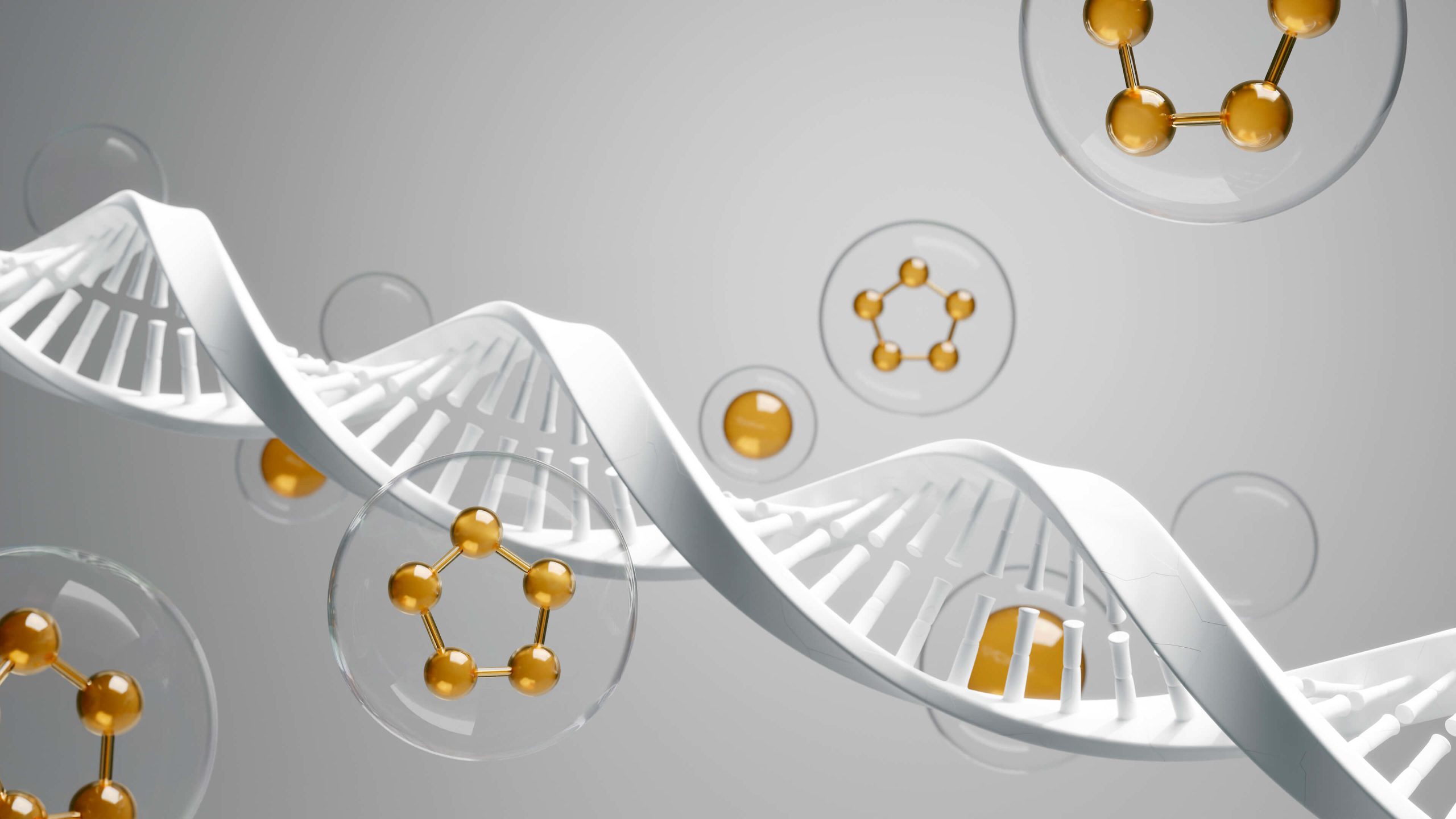
This is where the story gets truly exciting for anyone interested in anti-aging and longevity. Sirtuins, often called ‘longevity genes’, are a family of proteins that regulate cellular health. They are involved in DNA repair, inflammation control, and maintaining metabolic balance. Sirtuins are NAD-dependent, meaning they need to consume NAD+ to activate and do their job.
Similarly, PARPs, or Poly (ADP-ribose) polymerases, are the first responders to DNA damage. When a strand of your DNA breaks due to environmental toxins, radiation, or simple replication errors, PARPs rush to the scene to signal for repairs. This crucial process also consumes large amounts of NAD+. The more DNA damage your body sustains, the more NAD+ is diverted to fuel these repairs.
This creates a delicate balancing act within the cell. The same NAD+ molecule needed for energy is also required for maintenance and repair. As we age and accumulate more cellular damage, more NAD+ gets used up by PARPs, leaving less for energy production and sirtuin activation. This competition for a dwindling resource is a key theory behind cellular aging.
Why Do We Lose NAD+ as We Age?
The decline of NAD+ is a well-documented aspect of the aging process. Studies show that by middle age, the average person may have about half the NAD+ levels they had in their youth. This isn’t due to a single cause but rather a combination of factors that increase consumption and decrease production.
One of the primary drivers is the accumulation of DNA damage. As mentioned, repairing this damage is a very NAD-intensive process. The constant exposure to stressors throughout life means our PARP enzymes are working overtime, steadily depleting our NAD+ reserves. This creates a vicious cycle: lower NAD+ leads to less effective sirtuin activity, which can lead to more cellular damage, which in turn requires more NAD+ for repair.
Lifestyle factors also play a huge role. Chronic inflammation, a hallmark of many age-related conditions, can activate an enzyme called CD38, which is a major consumer of NAD+. A diet high in processed foods, excessive alcohol consumption, and a sedentary lifestyle all contribute to inflammation and oxidative stress, further draining your NAD+ pool.
The consequences of this decline are systemic. On the surface, it might manifest as persistent fatigue, slower recovery from exercise, brain fog, and visible signs of aging. At the cellular level, it means impaired energy production, reduced DNA repair capacity, and a diminished ability to cope with stress, accelerating the aging process itself.
How Can We Boost Our NAD+ Levels?
Given its critical role, the scientific community has been intensely focused on finding ways to safely and effectively increase NAD+ levels. Simply taking an NAD+ supplement is not the answer, as the molecule is too large and unstable to be absorbed effectively into cells when taken orally. Instead, the focus has shifted to its precursors: the raw materials the body uses to synthesize NAD+ internally.
These precursors are smaller molecules that can easily enter cells and be converted into NAD+ through specific biochemical pathways. This approach provides the body with the building blocks it needs to replenish its own supply. It’s like delivering bricks and mortar to a construction site instead of trying to airdrop a fully built wall. The two most researched and popular precursors today are Nicotinamide Riboside (NR) and Nicotinamide Mononucleotide (NMN).
Leading researchers and physicians in the longevity space have dedicated significant effort to understanding these molecules. For example, Peter Attia MD offers a detailed exploration of NMN and its potential pathways within the body. This kind of in-depth analysis helps demystify how these compounds work. Similarly, those looking for a broad overview of the science will find that Dr. Rhonda Patrick’s FoundMyFitness provides extensive information on NAD and its relationship to healthspan.
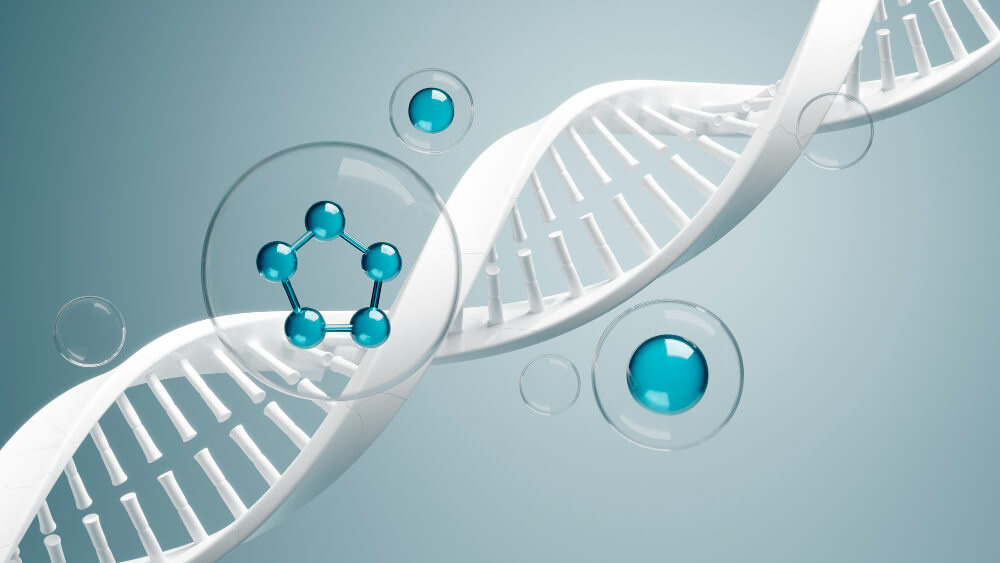
What are the main NAD+ precursors?
Nicotinamide Riboside, or NR, is a form of vitamin B3 that has been shown in numerous studies to effectively boost NAD+ levels. It is readily converted within the cell into NMN, which is then turned into NAD+. It’s considered a highly efficient and direct precursor.
Nicotinamide Mononucleotide, or NMN, is the other star player. It is the immediate precursor to NAD+, meaning it is just one step away in the synthesis pathway. For a long time, there was debate about whether NMN could enter cells directly, but recent research has identified specific transporters that allow it to do so. The choice between NR and NMN often comes down to personal preference and individual response, as both have demonstrated the ability to raise NAD+ levels. For those wanting to dive into the data, Examine.com offers a scientific breakdown of nicotinamide mononucleotide and the studies behind it.
Of course, there are other, older forms of vitamin B3, such as niacin and nicotinamide (NAM). While the body can use these to make NAD+, the conversion process is less direct. Niacin is also known for causing the ‘niacin flush’, an uncomfortable reddening and warming of the skin, which makes it a less popular choice for high-dose supplementation aimed at boosting NAD+.

What Forms Does NAD+ Therapy Take?
Boosting NAD+ isn’t limited to just taking an oral supplement. The field of regenerative medicine has developed several methods for delivering NAD+ or its precursors, each with unique advantages. The choice of therapy often depends on the individual’s goals, health status, and the desired speed and intensity of the effects.
The growing interest in this area has led many to believe in its profound effects on cellular health. In fact, many in the anti-aging community view NAD as the fountain of youth for your cells, due to its foundational role in repair and energy.

What is NAD+ IV Therapy?
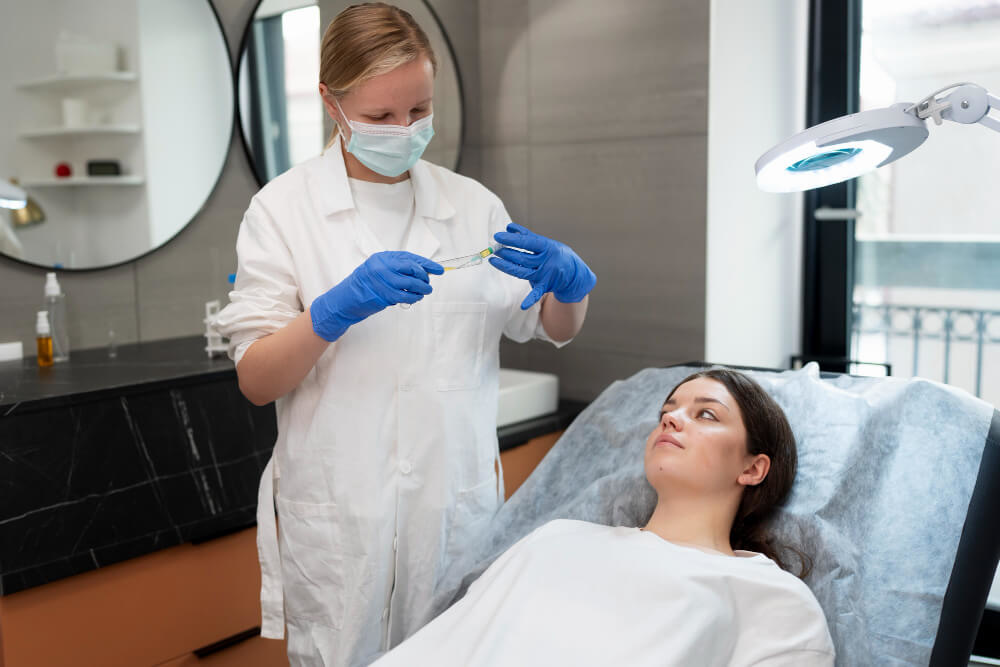
Intravenous (IV) therapy involves administering NAD+ directly into the bloodstream. This method bypasses the digestive system entirely, ensuring 100% bioavailability. This means the full dose of NAD+ is immediately available for your cells to use. IV drips are typically administered over several hours in a clinical setting.
This high-impact delivery is often used for individuals seeking rapid and potent effects. It has gained popularity for applications such as addiction recovery protocols, managing chronic fatigue, improving athletic performance, and as an intensive anti-aging treatment. The immediate and powerful flood of NAD+ can help to quickly replenish depleted stores and jumpstart cellular repair mechanisms.
Are Oral Supplements a Good Alternative?
For daily maintenance and a less intensive approach, oral supplements containing precursors like NR and NMN are an excellent and popular choice. Their primary advantage is convenience and accessibility, as they can be taken at home without the need for a clinical visit. They provide a steady, daily supply of the building blocks your body needs to maintain healthy NAD+ levels over the long term.
While the bioavailability is not 100% like an IV, consistent daily use has been shown to effectively raise and sustain NAD+ levels in tissues throughout the body. The key to success with this method is consistency and proper dosage. Therefore, understanding proper dosing guidelines for oral NAD supplements is key for effectiveness and safety. Oral supplementation is a foundational strategy for long-term healthspan support.

What about other delivery methods?
Beyond IVs and capsules, the market is seeing the emergence of other delivery systems. Subcutaneous injections, similar to insulin shots, offer another way to bypass the digestive system and provide a high level of absorption, though not as immediate as an IV. They can be a middle ground for those who want more potency than oral supplements but more convenience than an IV drip.
Nasal sprays and sublingual lozenges are also being explored. These methods aim to deliver precursors directly into the bloodstream through the highly permeable mucous membranes in the nose and mouth. While research on these newer methods is still evolving, they represent the ongoing innovation in the field of NAD+ optimization.
Is NAD+ Therapy Safe for Everyone?
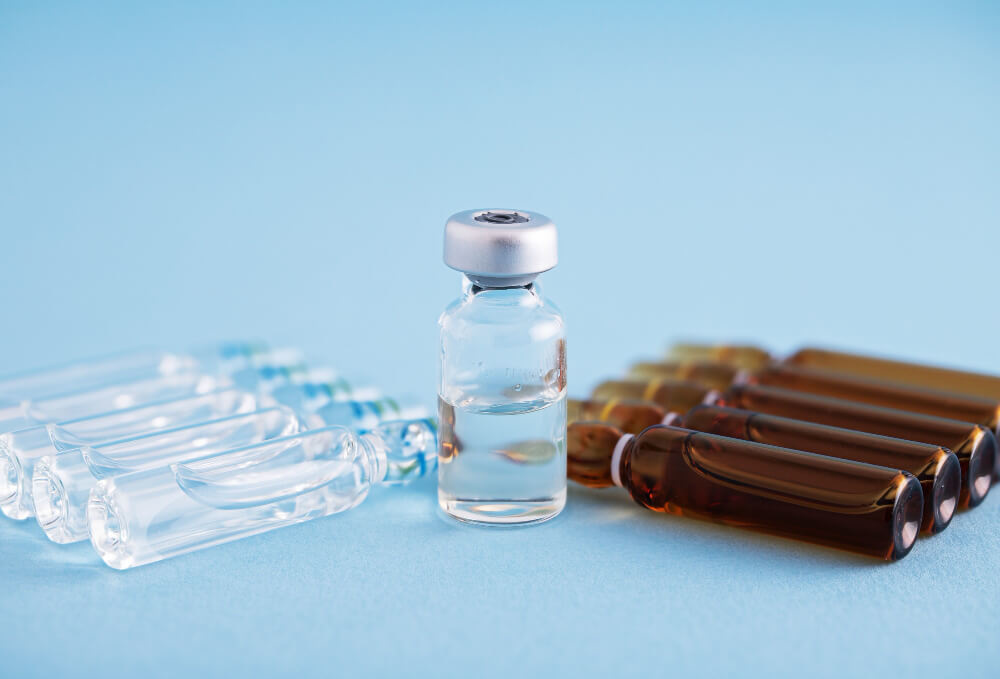
As with any powerful therapeutic intervention, safety is the paramount concern. Generally, NAD+ therapy and its precursors are considered to have a very good safety profile, especially when used under the guidance of a knowledgeable healthcare professional. The most common side effects are typically associated with IV therapy and are usually mild and transient.
During an IV infusion, some individuals may experience nausea, a feeling of flushing or warmth, mild headache, or stomach cramping. These sensations are often related to the rate of the drip and can usually be managed by slowing it down. Oral supplements are very well tolerated, with few reported side effects at standard dosages.
However, it is not a one-size-fits-all solution. There are specific situations and health conditions where caution is warranted. This is why it is vital to understand the contraindications and safety considerations for NAD therapy before starting any new protocol. A thorough evaluation by a professional ensures that it is an appropriate choice for your unique health profile.
It’s also important to view NAD+ within the broader context of your overall health, especially your metabolic function. NAD+ is intricately linked to how our bodies manage energy and insulin. This is particularly relevant during major hormonal shifts, highlighting the link between menopause, insulin resistance, and weight gain, where supporting cellular energy can be part of a comprehensive wellness strategy. Optimizing NAD+ should be one part of a holistic approach that includes diet, exercise, and stress management.
In conclusion, the journey into the world of NAD+ is a journey into the very heart of what keeps us vibrant and alive. This essential molecule governs our energy, protects our genetic blueprint, and dictates the pace at which we age. While its natural decline is a part of life, modern science has provided us with powerful tools and strategies to support and replenish its levels.
From lifestyle adjustments to advanced therapies like IV infusions and precursor supplementation, NAD training empowers you with the knowledge to make informed decisions about your cellular health. It’s about shifting from a reactive to a proactive stance, building a foundation of vitality that can support a long and healthy life.
Frequently Asked Questions

Are the newer NAD+ molecules expected to be more effective than NMN or NR?
Emerging research focuses on developing next-generation molecules designed to be more efficient than current precursors like Nicotinamide Riboside (NR) and Nicotinamide Mononucleotide (NMN). These new compounds aim to overcome common limitations by improving bioavailability, stability, and the ability to target specific tissues, such as the brain or muscle. The goal is to achieve a more significant increase in NAD+ levels with a smaller dose, potentially leading to better outcomes.
While initial studies on these novel molecules show promise, it is still too early to definitively label them as superior for human use. Extensive, long-term clinical trials are required to compare their safety and efficacy directly against well-established precursors like NR and NMN. The future of NAD+ repletion may involve a more personalized approach, where different molecules are recommended based on an individual’s specific health goals and genetic makeup.
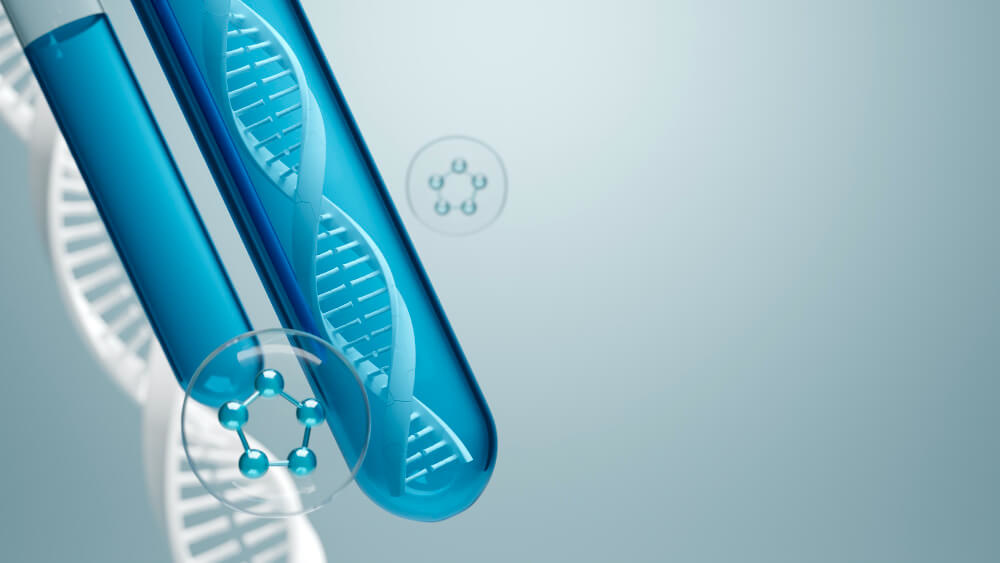
How do these next-generation NAD+ precursors address the limitations of current supplements?
Current NAD+ precursors face several challenges, including degradation in the stomach and inefficient conversion into NAD+ within the cells. Furthermore, their ability to effectively cross the blood-brain barrier or accumulate in specific tissues can be limited. These factors mean that a relatively high dose is often required to achieve a meaningful systemic boost in NAD+ levels.
Next-generation molecules are being engineered specifically to bypass these hurdles for a more targeted and potent effect. For example, some new compounds are designed for enhanced stability or are bound to lipids to improve absorption and cellular uptake. Other research explores precursors that use alternative metabolic pathways, ensuring a more direct and efficient conversion to NAD+ while minimizing potential side effects.
What is the timeline for these new NAD+ compounds becoming available to the public?
The path from laboratory research to public availability is a long one, often taking several years and depending heavily on regulatory pathways. Molecules being investigated as dietary supplements may have a faster route to market if they are deemed safe and are structurally similar to existing compounds. These could potentially become available within the next two to five years, pending favorable research outcomes.
However, for entirely novel compounds that are being developed as prescription drugs to treat specific diseases, the timeline is significantly longer. These molecules must undergo rigorous multi-phase clinical trials to prove both safety and efficacy, a process that can easily take a decade or more before receiving approval from regulatory bodies like the FDA. Therefore, widespread access to these truly next-generation therapies is likely still many years away.
Discover the most comprehensive functional medicine training, longevity training, and biohacking certification programs designed specifically for healthcare professionals, medics, and clinic owners who want to master regenerative medicine protocols and anti-aging therapies. Elevate your practice and empower your patients with the cutting-edge knowledge available at Talking Longevity.