
Beyond Anti-Aging: Your Guide to Longevity Medicine
What if we could change how we age? Imagine a future where your later years are just as vibrant, active, and healthy as your middle years. This isn’t science fiction; it’s the central promise of a rapidly advancing field of healthcare that is capturing the attention of scientists, doctors, and the public alike.
This revolutionary approach seeks to extend our ‘healthspan’, the period of life spent in good health, free from chronic disease and disability. It’s a fundamental shift away from simply treating diseases as they arise. Instead, it focuses on understanding and targeting the biological processes of aging itself. This proactive strategy is the core of longevity medicine, a discipline poised to redefine our relationship with time and vitality.
Instead of waiting for a diagnosis, this medical field uses advanced diagnostics and personalized interventions to keep the body’s systems functioning optimally for as long as possible. It is about adding life to your years, not just years to your life. This guide will explore the principles, practices, and profound potential of this exciting new frontier in human health.
How Is Longevity Medicine Different from Traditional Healthcare?
Have you ever considered the primary focus of a typical doctor’s visit? For most of modern history, medicine has operated on a reactive model. You feel sick, you see a doctor, and you receive treatment for a specific ailment or symptom. This system is incredibly effective at managing acute illnesses and injuries, but it often falls short when addressing the slow, complex decline associated with aging.
Longevity medicine flips this paradigm on its head. Its foundation is proactive and preventative, aiming to identify and mitigate health risks long before they manifest as full-blown diseases. While traditional medicine asks, ‘What disease do you have?’, longevity medicine asks, ‘What is your current biological state, and how can we optimize it to prevent future disease?’.
This approach doesn’t just look at isolated symptoms or single organ systems. It takes a holistic view of the body, recognizing that everything is interconnected. The goal is not to achieve a state of ‘not sick’ but to cultivate a state of robust, resilient health that endures throughout an extended lifespan.
Think of it like maintaining a high-performance vehicle. You don’t wait for the engine to seize before you change the oil. You perform regular, data-driven maintenance to ensure it runs smoothly for years to come. Longevity medicine applies this same preventative, optimization-focused mindset to the human body.

What Are the Core Principles of This Field?
Longevity medicine is built upon a few key pillars that distinguish it from other medical approaches. These principles guide every decision, from initial testing to long-term health strategies. Understanding them is crucial to grasping the power of this new medical specialty.
First and foremost is the principle of personalization. There is no one-size-fits-all solution for extending healthspan. Your unique genetics, lifestyle, environment, and biomarker data all create a complex health profile that requires a bespoke plan. What works for one person may not work for another.
Prevention is the second core principle. Rather than chasing diseases, the focus is on maintaining health. This means addressing the root causes of aging at a cellular and molecular level. It is about building a biological buffer that makes you more resilient to age-related decline and illness.
Finally, the entire field is deeply data-driven. It relies on quantifiable metrics to track progress and adjust interventions. This objective approach moves beyond guesswork, using advanced diagnostics to paint a detailed picture of your internal health and measure the effectiveness of any given therapy or lifestyle change.
Why Is Personalized Data So Important?
Personalized data is the engine of longevity medicine. Without it, any health plan is based on population averages, which may not apply to you as an individual. Advanced diagnostics provide the specific information needed to tailor interventions for maximum impact.
This data comes from several sources. Genomic testing can reveal genetic predispositions to certain conditions, allowing for highly targeted preventative strategies. For example, knowing you have a gene variant that affects vitamin D metabolism means you can proactively optimize your intake and levels.
Biomarker analysis through comprehensive blood panels offers a real-time snapshot of your metabolic health, inflammation levels, and organ function. Wearable technology, like smartwatches and continuous glucose monitors, provides a continuous stream of data on sleep, activity, stress, and blood sugar responses. This wealth of information allows clinicians to see patterns and trends that would otherwise be invisible.
By integrating these data streams, a longevity specialist can create a uniquely personalized roadmap. This map guides diet, exercise, supplementation, and other lifestyle choices, ensuring they are precisely what your body needs to thrive.
What Role Does Nutrition Play?
Nutrition is a cornerstone of any health strategy, but in longevity medicine, it’s approached with a much higher degree of precision. Generic advice like ‘eat a balanced diet’ is replaced with highly personalized nutritional protocols based on your specific biology. The goal is to use food as a tool to modulate the key pathways of aging.
For instance, your genetic profile might indicate how your body processes fats and carbohydrates, guiding a decision between a lower-carb or lower-fat diet. Continuous glucose monitoring can reveal exactly how your body responds to different foods, helping you build a diet that keeps blood sugar stable and minimizes inflammation.
Furthermore, the focus often extends beyond macronutrients to micronutrients and specific food compounds. Certain foods contain powerful molecules that can activate longevity-promoting genes or help clear out damaged cells. A personalized nutrition plan might emphasize foods rich in polyphenols, omega-3 fatty acids, or other compounds shown to support cellular health, based on your individual needs.
This is not about restrictive fad diets. It is about using detailed biomarker data to construct a sustainable, enjoyable way of eating that systematically reduces inflammation, optimizes metabolism, and provides the building blocks for a long and healthy life.

What Scientific Concepts Drive Longevity Research?
This medical field isn’t based on wishful thinking; it’s grounded in decades of rigorous scientific research into the fundamental biology of aging. Scientists have identified key processes that appear to drive the aging process across many different species, from yeast to mammals. These discoveries form the scientific bedrock upon which clinical practices are built.
Understanding these concepts helps to demystify how longevity interventions work. They are not magic bullets but targeted strategies designed to influence specific biological pathways. This scientific foundation is what separates longevity medicine from the more superficial ‘anti-aging’ industry.
As research accelerates, our understanding of these mechanisms becomes more refined, leading to even more effective strategies for promoting healthspan. The field is constantly evolving, with new discoveries regularly translating into clinical practice.

What Are the Hallmarks of Aging?
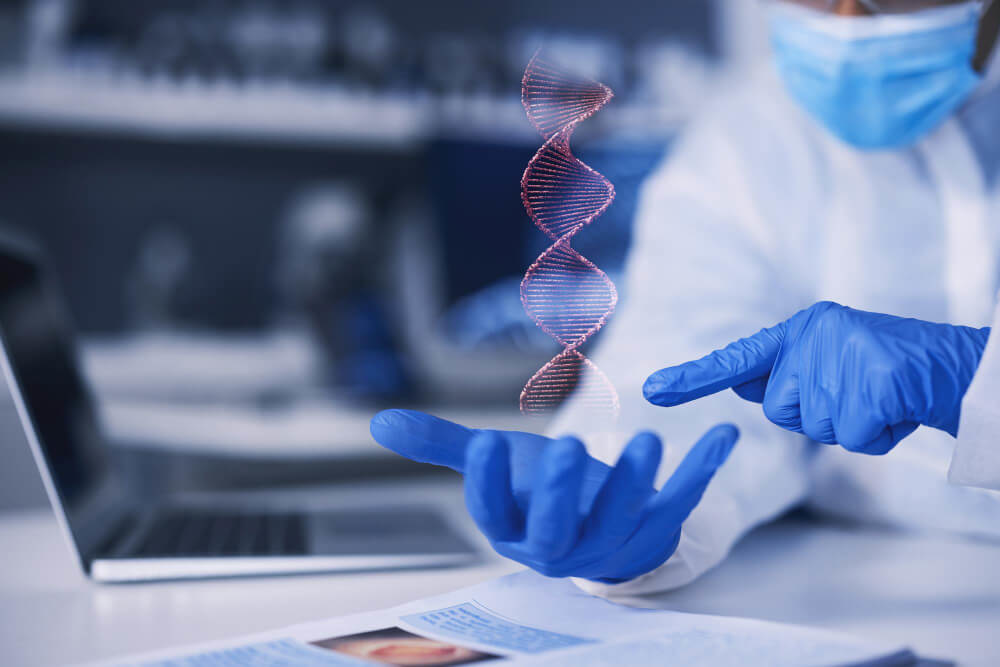
The ‘Hallmarks of Aging’ is a landmark concept in the field. It refers to a set of nine, now expanded to twelve, interconnected biological processes that are considered the root causes of age-related decline. These include things like genomic instability, telomere attrition, mitochondrial dysfunction, and cellular senescence.
Instead of viewing diseases like heart disease, cancer, and neurodegeneration as separate issues, longevity science sees them as downstream consequences of these underlying hallmarks. For instance, cellular senescence, the accumulation of ‘zombie’ cells that refuse to die and instead secrete inflammatory signals, contributes to a wide range of age-related conditions. The foundational scientific literature on these topics provides a deep dive into the molecular basis of aging.
By targeting these hallmarks directly, the aim is to delay, prevent, or even reverse multiple age-related diseases simultaneously. An intervention that helps clear senescent cells, for example, could potentially improve joint health, cardiovascular function, and skin appearance all at once. This is the power of addressing the root causes rather than just the symptoms.
Can We Really Change Our Biological Age?
One of the most exciting concepts in longevity is the difference between chronological age and biological age. Your chronological age is simply how many years you’ve been alive. Your biological age, however, is a measure of how old your cells and tissues are from a functional standpoint. It is a much better predictor of your health and mortality risk.
Two people can be 60 years old chronologically, but one may have a biological age of 50 while the other has a biological age of 70. This difference is determined by a combination of genetics, lifestyle, and environmental factors. The goal of longevity medicine is to lower your biological age relative to your chronological age.
Remarkably, this is now possible. Scientists have developed ‘aging clocks’, which are sophisticated tests, often based on DNA methylation patterns, that can estimate your biological age with increasing accuracy. More importantly, studies have shown that targeted interventions involving diet, exercise, and specific supplements can measurably slow down or even turn back these aging clocks. This provides objective proof that we have a significant degree of control over our own aging process.

What Does a Longevity Doctor Actually Do?
A consultation with a longevity-focused physician is a very different experience from a standard check-up. The process is far more in-depth, collaborative, and data-intensive. It begins with a deep dive into your personal and family health history, lifestyle, and specific health goals.
This initial conversation is followed by a comprehensive battery of advanced diagnostic tests. This goes far beyond the standard blood work you might get at an annual physical. It can include whole-genome sequencing, extensive biomarker panels measuring hundreds of different molecules, advanced imaging, and assessments of your microbiome and physiological function.
The doctor’s role is to act as a health strategist and data interpreter. They synthesize all of this complex information into a coherent picture of your current health status and future risks. From there, they work with you to co-create a completely personalized and dynamic health plan.
How Do They Create a Patient Plan?
Creating a patient plan is a meticulous process of integrating vast amounts of data with the patient’s individual goals and lifestyle. The plan is never static; it’s a living document that evolves as new data comes in. It is built around a framework of evidence-based interventions.
This comprehensive strategy typically includes highly specific recommendations for nutrition and dietary patterns. It will also outline a precise exercise regimen, detailing the optimal mix of strength training, cardiovascular exercise, and stability work for your body. The plan will address sleep optimization, stress management techniques, and a targeted supplementation protocol to correct any identified deficiencies or support specific cellular pathways.
In some cases, it may also involve recommendations for prescription medications used off-label for their potential longevity benefits, or referrals for advanced therapies. The key is that every single recommendation is justified by your personal data. Following established longevity medicine protocols for patient care ensures a systematic and effective approach to health optimization.

What Kind of Advanced Testing Is Involved?
The depth of testing is a hallmark of the longevity approach. A key area of focus is cardiovascular health, which remains a leading cause of mortality. Instead of just a basic cholesterol test, a longevity physician will order advanced cardiometabolic panels.
These panels look at lipoprotein particle size and number, markers of inflammation like hs-CRP, and indicators of insulin resistance. This provides a much clearer picture of your true cardiovascular risk than standard tests alone. Effectively using these tests requires specialized knowledge, and many practitioners seek out specific training for interpreting advanced cardiometabolic panels to better serve their patients.
Other tests can include assessments of hormone levels, heavy metal toxicity, nutrient deficiencies, and epigenetic aging clocks. The combination of tests is tailored to the individual, ensuring that the resulting health plan is built on the most relevant and actionable information possible.

How Does Longevity Medicine Relate to Other Fields?
Longevity medicine did not emerge in a vacuum. It builds upon and integrates concepts from several other forward-thinking medical disciplines. It represents a convergence of ideas, all aimed at creating a more personalized, preventative, and holistic model of healthcare.
This interdisciplinary nature is one of its greatest strengths. It draws wisdom from fields that have long recognized the importance of root-cause analysis and lifestyle interventions. By combining these philosophies with cutting-edge science and technology, longevity medicine offers a uniquely powerful approach to health.

Is Longevity Medicine the Same as Functional Medicine?
People often ask about the relationship between longevity medicine and functional medicine, and there is significant overlap. Both fields are systems-based, root-cause-oriented, and highly personalized. They share a core belief in treating the patient, not just the disease, and emphasize the importance of lifestyle factors like diet, exercise, and stress.
At its core, functional medicine seeks to understand and correct the underlying dysfunctions that lead to chronic disease. Longevity medicine does this as well, but with an added layer of focus: it specifically targets the biological mechanisms of aging itself as the ultimate root cause of age-related disease. It is less about reversing a current chronic condition and more about preventing the entire spectrum of age-related conditions from ever developing.
You could think of longevity medicine as a specialized application of functional medicine principles, supercharged with the latest geroscience research and technology. It uses the ‘how’ and ‘why’ of functional medicine and applies it to the specific challenge of extending healthspan.
How Does It Connect to the Broader Healthy Aging Movement?
For decades, public health experts have promoted the concept of healthy aging. This movement has traditionally focused on common-sense lifestyle advice: eat well, stay active, don’t smoke, and get regular check-ups. These are undeniably important pillars for a long and healthy life.
The principles of healthy aging form the essential foundation upon which longevity medicine is built. You cannot optimize your biology with advanced supplements and therapies if you are ignoring the basics of sleep, nutrition, and exercise. Longevity medicine takes these foundational principles and elevates them with an unprecedented level of personalization and scientific precision.
It adds the ‘what’ and ‘how’ to the traditional advice. Instead of just ‘eat well’, it specifies what to eat based on your genes and metabolism. Instead of just ‘exercise’, it prescribes the exact type, duration, and intensity of activity that will most effectively stimulate longevity pathways in your body. It is the data-driven evolution of the healthy aging movement.

Who Is Pushing the Boundaries of Longevity Science?
The rapid progress in longevity is not happening by accident. It is being driven by a dedicated global community of scientists, researchers, clinicians, and advocates. This ecosystem is working tirelessly to translate laboratory discoveries into real-world applications that can benefit everyone.
This includes academic research institutions, private biotechnology companies, and non-profit organizations. They are all contributing to a shared goal: making age-related disease optional. Their work is what makes the clinical application of longevity medicine possible.

What Organizations Are Leading the Charge?
Several key organizations are at the forefront of this movement, working to fund research, educate the public, and advocate for policies that support longevity science. They act as crucial hubs for the entire field, connecting researchers and accelerating progress.
These groups play a vital role in crowdfunding research for promising but underfunded areas of geroscience. They also serve as reliable sources of information for the public, helping to separate scientific fact from fiction. By building a community and raising awareness, organizations like Lifespan.io are helping to create a future where everyone has access to the tools to live a longer, healthier life.

How Can Healthcare Professionals Get Involved?
As patient demand for this new approach to health grows, more and more healthcare professionals are seeking to incorporate its principles into their practices. This requires a commitment to ongoing education, as the field is evolving at an incredible pace. Traditional medical training does not typically cover the biology of aging or advanced diagnostic interpretation in this depth.
To bridge this gap, a growing number of specialized training programs have emerged. These programs are designed to equip clinicians with the knowledge and skills they need to practice longevity medicine effectively and safely. For those looking to become leaders in this space, pursuing specialized courses and certifications in longevity medicine is an essential step.
This additional training allows practitioners to confidently interpret complex genomic and biomarker data, design personalized intervention plans, and stay current with the latest scientific breakthroughs. It is the pathway for transforming a traditional practice into a cutting-edge health optimization center.

What Can You Do Today to Improve Your Healthspan?
While the world of advanced diagnostics and personalized protocols is exciting, the journey to a longer healthspan doesn’t have to wait. There are powerful, evidence-based actions you can take right now to positively influence your aging process. These foundational practices are accessible to everyone and make a significant difference.
Prioritize movement, but think beyond just ‘cardio’. A well-rounded routine includes strength training to maintain muscle mass, which is crucial for metabolic health as you age. Also incorporate exercise that challenges your stability and balance, as this can dramatically reduce the risk of falls later in life.
Focus on your sleep. It is during deep sleep that your body performs critical maintenance, clears cellular waste from the brain, and consolidates memories. Aim for 7-9 hours of quality sleep per night in a cool, dark, and quiet room. This is one of the most powerful longevity ‘drugs’ available, and it’s free.
Finally, manage your stress. Chronic stress accelerates the aging process by dysregulating hormones and promoting inflammation. Incorporate a regular stress-reduction practice into your day, whether it’s meditation, deep breathing, spending time in nature, or connecting with loved ones. Taking control of these foundational pillars will set the stage for a longer, healthier, and more vibrant life.
Frequently Asked Questions

Can lifestyle changes like diet and exercise actually influence these biological hallmarks of aging?
Absolutely. Lifestyle interventions are a cornerstone of clinically managing the aging process because they directly impact several hallmarks. For example, regular exercise is known to improve mitochondrial function, reduce the accumulation of senescent cells, and enhance proteostasis, which is the body’s protein quality control system. A balanced diet rich in antioxidants and anti-inflammatory compounds can also help protect against genomic instability and detrimental changes in intercellular communication.
Furthermore, practices like caloric restriction or intermittent fasting have been shown to positively influence the deregulated nutrient-sensing hallmark, activating cellular repair pathways. Stress management techniques and adequate sleep are also crucial for mitigating harmful epigenetic alterations and supporting healthy stem cell function. These practical strategies empower individuals to proactively influence their healthspan by targeting the fundamental drivers of aging.
How do doctors measure biological age based on these hallmarks?
Doctors and researchers measure biological age using sophisticated tools called "aging clocks," which analyze a panel of biomarkers that reflect the status of the hallmarks. Instead of one single test, these clocks assess patterns across complex biological data, most notably DNA methylation patterns (epigenetic clocks). These measurements provide a more accurate picture of an individual’s functional health and disease risk than their chronological age alone.
While many of these aging clocks are still primarily used in research, some are becoming commercially available for clinical guidance. They can help track the effectiveness of interventions aimed at slowing the aging process, offering objective feedback on lifestyle changes or therapies. The ultimate goal is to use these tools to guide personalized health strategies that can improve healthspan and prevent age-related diseases.

Do all the hallmarks of aging need to be addressed at once for effective anti-aging treatment?
This is a central question in geroscience, and the emerging consensus is that a multi-pronged approach is likely necessary for significant impact. The hallmarks are deeply interconnected; for example, genomic instability can cause cellular senescence, which in turn leads to altered intercellular communication. Targeting just one hallmark might provide some benefit, but the effect could be limited as other aging processes continue to advance.
Therefore, future clinical strategies will likely involve combination therapies that address several hallmarks simultaneously or in a specific sequence. This could mean pairing a drug that clears senescent cells (a senolytic) with a therapy that boosts mitochondrial function or improves epigenetic stability. The goal is to create a synergistic effect that comprehensively slows the overall aging network rather than just repairing a single component.
Talking Longevity is your trusted partner on this journey. Discover the most comprehensive functional medicine training, longevity training, and biohacking certification programs designed specifically for healthcare professionals, medics, and clinic owners who want to master regenerative medicine protocols and anti-aging therapies.