
The Future of Healing: Your Ultimate Guide to Regenerative Care Training
Medicine is undergoing a profound transformation. For decades, the primary approach has been to manage symptoms and control chronic conditions. Today, a new paradigm is emerging, one focused on true healing and restoration from within. This is the world of regenerative care, a field that harnesses the body’s own remarkable power to repair, rebuild, and rejuvenate damaged tissues and organs.
This shift represents one of the most exciting frontiers in healthcare, moving beyond maintenance to actual recovery. For medical professionals, this evolution presents an incredible opportunity to be at the forefront of patient care, offering solutions that address the root cause of ailments. To lead this charge, however, requires a new set of skills and a deep understanding of the science, which is why comprehensive regenerative care training is becoming absolutely essential.
This guide will explore the dynamic world of regenerative medicine, from its core principles to the advanced skills required to practice it effectively. We will delve into why this field is growing so rapidly, who stands to benefit from this specialized training, and what the future holds for this revolutionary approach to health and longevity. It is a journey into the next chapter of healing.
What Exactly is Regenerative Care?
At its heart, regenerative care is a branch of medicine focused on replacing, engineering, or regenerating human cells, tissues, or organs to restore normal function. It operates on a simple yet profound premise: the human body possesses an innate capacity to heal itself. This approach seeks to amplify and direct these natural processes.
Unlike traditional treatments that often provide a ‘patch’ for a problem, such as prescribing medication to manage pain, regenerative therapies aim for a ‘fix’. They work at the cellular level to address the underlying cause of damage or degeneration. This might involve stimulating tissue repair, reducing inflammation, or modulating the immune system to create an environment conducive to healing.
The field is broad and encompasses several key areas. These include cellular therapies, where specific cells are used to kickstart repair processes. It also involves tissue engineering, which combines scaffolds, cells, and biologically active molecules into functional tissues. The goal is always the same: to help the body do what it does best, but more effectively.
This fundamental difference in philosophy is what makes regenerative care so revolutionary. It is proactive, not just reactive. It is about restoring health, not just managing disease. For practitioners and patients alike, it represents a hopeful and empowering path toward long-term wellness.

Why is Regenerative Care Gaining So Much Momentum?
The rapid rise of regenerative medicine is not a fleeting trend; it is a response to several powerful, converging forces in modern society and healthcare. Patients are becoming more educated and proactive about their health. They are no longer satisfied with treatments that merely mask symptoms or come with significant side effects. There is a growing demand for less invasive options that offer the potential for genuine, lasting healing.
Simultaneously, the world’s population is aging. As people live longer, the prevalence of age-related degenerative conditions, such as osteoarthritis, heart disease, and neurodegenerative disorders, is increasing. This demographic shift creates a massive need for therapies that can improve not just lifespan but ‘healthspan’, the period of life spent in good health. Regenerative care directly addresses this need by focusing on repair and functional restoration.
Technological advancement is another critical driver. Breakthroughs in cell biology, biomaterials, and diagnostic imaging have made these therapies safer, more predictable, and more accessible than ever before. What was once theoretical science fiction is now becoming practical clinical reality. This progress fuels further research and investment, creating a cycle of innovation that continuously pushes the boundaries of what is possible.
Finally, there is a broader movement towards personalized medicine. The one-size-fits-all approach is becoming obsolete. Regenerative care is inherently personal, using a patient’s own biological materials or tailoring treatments to their specific condition and physiology. This alignment with the future of customized healthcare ensures its continued growth and integration into mainstream medical practice.

Who Can Benefit from Regenerative Care Training?
The application of regenerative principles is not limited to a single specialty; its reach is incredibly broad, making the training valuable for a wide spectrum of healthcare professionals. Any clinician who deals with tissue injury, chronic inflammation, or degenerative conditions can integrate these skills to enhance their practice and improve patient outcomes.
Physicians in orthopedics and sports medicine, for example, can use regenerative techniques to treat joint pain, ligament tears, and tendonitis, offering athletes and active individuals an alternative to surgery. Dermatologists and plastic surgeons can apply these principles for skin rejuvenation, scar revision, and hair restoration, tapping into the powerful aesthetic applications of the field.
Pain management specialists are finding immense value in regenerative options for chronic back pain, neuropathy, and other debilitating conditions that often respond poorly to conventional treatments. Even primary care physicians and internists can benefit, as they are often the first point of contact for patients with chronic diseases. Having a foundational knowledge allows them to better guide patients toward these advanced options.
Beyond physicians, clinic owners, nurse practitioners, physician assistants, and chiropractors are also ideal candidates for this training. It empowers them to expand their service offerings, differentiate their practices in a competitive market, and become leaders in their communities. Ultimately, anyone in a clinical role who is passionate about root-cause resolution and the future of medicine will find regenerative care training to be a transformative addition to their professional toolkit.

What Core Competencies Are Taught in Regenerative Training?
Effective regenerative care is far more than a simple injection. It is a sophisticated medical discipline that requires a deep, integrated skill set. High-quality training programs are designed to build a comprehensive foundation, moving from foundational science to advanced clinical application.
These programs cover the intricate biology of healing, the regulatory landscape, and the business acumen needed to successfully incorporate these therapies into a practice. The curriculum is structured to ensure practitioners are not just technicians but true clinicians who can think critically, create customized plans, and deliver treatments safely and effectively. The core competencies are multifaceted, covering science, technique, and strategy.

How Do You Master the Science of Cellular Therapies?
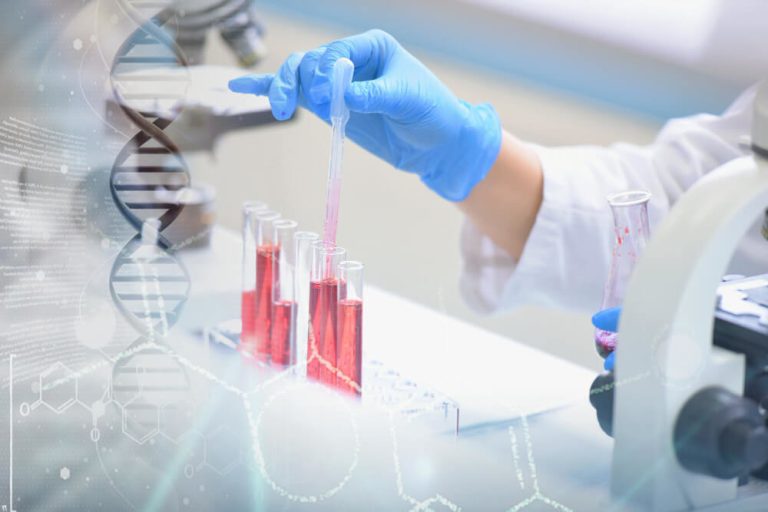
A fundamental component of any training program is a deep dive into the various biologics used in regenerative medicine. This begins with understanding the mechanisms of action for therapies like Platelet-Rich Plasma (PRP). Trainees learn how to properly process blood to concentrate platelets and growth factors and understand which conditions benefit most from its anti-inflammatory and signaling properties.
The curriculum then progresses to more advanced cellular products. This includes a thorough education on mesenchymal stem cells (MSCs), their sources, and their powerful ability to modulate the immune system and orchestrate tissue repair. A critical area of modern training involves understanding the role of extracellular vesicles, particularly exosomes. Practitioners learn how these microscopic messengers facilitate cell-to-cell communication to reduce inflammation and stimulate regeneration, a key reason why dedicated exosome therapy training and certification is becoming so popular.
Why is Diagnostic and Guided Injection Skill Crucial?
The most potent biologic is useless if it is not delivered to the correct location. Precision is paramount in regenerative medicine, which is why diagnostic and guidance skills are non-negotiable. The gold standard for this is musculoskeletal (MSK) ultrasound.
Training programs emphasize proficiency in using ultrasound not only to diagnose soft tissue injuries with incredible accuracy but also to guide needles in real-time. This ensures that the therapeutic agent is placed exactly where it is needed, whether in a specific tendon sheath, within a joint capsule, or at the site of a nerve entrapment. This precision maximizes efficacy and dramatically improves patient safety by avoiding unintentional injection into blood vessels or nerves. Learning how to get trained in ultrasound guided injections is a cornerstone of becoming a competent regenerative practitioner.
How is Patient Selection and Protocol Development Taught?
Regenerative medicine is not a magic bullet, and one of the most important skills taught is clinical judgment. This involves meticulous patient selection. Trainees learn how to conduct thorough evaluations, including detailed histories, physical exams, and reviews of diagnostic imaging, to determine who is an ideal candidate for a given therapy.
Beyond selection, the focus shifts to creating tailored treatment plans. This is where art meets science. A successful outcome depends on choosing the right biologic, the right dose, the right delivery method, and the right post-procedure rehabilitation plan. It involves developing data-driven protocols for biohacking interventions and regenerative therapies that are customized to the patient’s unique biology, condition, and goals. This strategic thinking separates the expert practitioner from the novice and is a hallmark of elite training programs.
How Does Genetics Play a Role in Regenerative Care?
The frontier of regenerative medicine is increasingly intertwined with the field of genetics, pushing the boundaries of personalized healthcare. Understanding a patient’s genetic makeup provides a powerful layer of insight that can inform and optimize regenerative strategies. It allows clinicians to move from a generalized approach to one that is finely tuned to an individual’s biological blueprint.
Genetic predispositions can influence how a person’s body responds to injury, inflammation, and even healing itself. For instance, certain genetic variants might affect collagen production, making someone more susceptible to tendon injuries. Other genes can impact inflammatory pathways, influencing the severity of conditions like osteoarthritis. By identifying these factors, a practitioner can tailor a regenerative plan that is more likely to succeed.
This is where genetic testing becomes an invaluable tool in the regenerative toolkit. It is no longer just for determining ancestry or identifying rare hereditary diseases. As MedlinePlus provides a great overview of genetic testing, it has broad applications in predictive and personalized health. The information gleaned can help in selecting the most appropriate biologic, anticipating a patient’s healing trajectory, and creating targeted nutritional and lifestyle recommendations to support the regenerative process.
Advanced training in this area teaches clinicians how to interpret relevant genetic reports and translate that data into actionable clinical decisions. As explained in detail by Nature’s Scitable project on the nuances of genetic testing, this is a complex but rewarding skill. Reputable testing services are essential for reliable data, and companies like Invitae offer a wide range of genetic tests that can provide deep insights into a patient’s health profile. For those wanting to explore the topic even further, resources like The International Society of Genetic Genealogy Wiki is a resource for deeper dives into the science.
By integrating genetics, regenerative care becomes truly holistic. It acknowledges that healing is not just about treating a damaged part but about optimizing the entire system based on its unique genetic code. This synergy is paving the way for a new level of precision and efficacy in patient care.
What Does the Future of Regenerative Medicine Look Like?
The future of regenerative medicine is incredibly bright, with innovations on the horizon that promise to redefine our understanding of disease and aging. The advancements that are currently in research and development will likely become standard practice for the next generation of trained clinicians. The field is moving at a breathtaking pace, driven by a convergence of biology, engineering, and data science.
One of the most exciting areas is 3D bioprinting. Scientists are already working on printing simple tissues like skin and cartilage. The ultimate goal is to create complex, fully functional organs like kidneys, livers, and hearts, which could one day eliminate organ transplant waiting lists entirely. This technology combines living cells with biocompatible scaffolds to build replacement parts layer by layer.
Advanced gene editing technologies, most notably CRISPR, also hold immense potential. While still in early stages for therapeutic use, gene editing could one day be used to correct the genetic defects that cause inherited diseases. In a regenerative context, it could be used to enhance the therapeutic properties of cells before they are administered to a patient, making them more potent and effective.
Artificial intelligence (AI) and machine learning are also set to play a huge role. AI algorithms will be able to analyze vast amounts of patient data, including imaging, lab work, and genetic information, to predict which therapies will be most effective for an individual. AI could also assist in designing novel treatment protocols and even guide robotic surgical systems for ultra-precise delivery of regenerative agents. The synergy between human expertise and machine intelligence will unlock new levels of precision.
Ultimately, the future will see a deeper integration of regenerative care with longevity science. The focus will shift from simply repairing damage to proactively enhancing the body’s resilience and regenerative capacity to slow or even reverse the aging process at a cellular level. Clinicians trained today are positioning themselves at the very beginning of this monumental shift in healthcare.
How Do You Choose the Right Training Program?
With the growing interest in regenerative care, numerous training programs have emerged. Choosing the right one is a critical decision that will shape your competence and confidence as a practitioner. Not all programs are created equal, and it is essential to look for specific markers of quality and comprehensiveness.
First, evaluate the curriculum. A top-tier program should offer a holistic education that covers the basic science, clinical applications, and practical aspects of implementation. It should go beyond a single modality and teach a range of therapies, from PRP to more advanced cellular options. Ensure the curriculum includes critical modules on patient safety, ethics, and the current regulatory environment.
Next, look for a strong emphasis on hands-on training. Theoretical knowledge is important, but regenerative medicine is a procedural discipline. The best programs offer live workshops with extensive hands-on scanning and injection practice on models or cadavers under the direct supervision of expert instructors. This is where you build the muscle memory and technical skill required for clinical practice.
Investigate the credentials and experience of the faculty. The instructors should be seasoned clinicians who are actively practicing in the field of regenerative medicine. They should not just be academics but real-world experts who can share invaluable insights, clinical pearls, and lessons learned from their own patient experiences.
Finally, consider the post-training support system. Learning does not end after a weekend course. Look for programs that offer ongoing mentorship, access to a community of fellow practitioners, and resources to help you navigate challenging cases. A commitment to your long-term success is a sign of a truly exceptional training organization.
Investing in the right education is an investment in your patients and your practice. By carefully vetting your options, you can ensure you receive the high-quality training necessary to become a leader in the future of healing.
Frequently Asked Questions

How does this course bridge the gap between complex regenerative science and practical clinical application?
This course is specifically designed to translate dense scientific principles into actionable clinical knowledge. We utilize a curriculum built around case studies, analyses of pivotal clinical trials, and evidence-based protocols to demystify the science. The focus is not just on theory but on understanding the mechanisms of action in a way that directly informs patient selection, treatment planning, and outcome assessment in a real-world setting.
By completing the modules, you will gain the ability to critically evaluate emerging regenerative technologies and therapies as they become available. The course equips you with a practical framework for integrating appropriate regenerative options into your existing treatment paradigms safely and effectively. This ensures you can confidently apply what you’ve learned to enhance patient care, rather than just possessing academic knowledge.

What are the key ethical considerations and regulatory hurdles that this course addresses?
The curriculum dedicates significant attention to the complex ethical landscape of regenerative medicine, including issues like stem cell sourcing, genetic modification, and equitable patient access. We provide a structured framework for navigating these moral dilemmas, ensuring you can uphold the highest standards of medical ethics in your practice. This prepares you for the challenging conversations and decisions that accompany the use of these advanced therapies.
Furthermore, the course provides a comprehensive overview of the current regulatory environment, including the approval processes of bodies like the FDA. It clarifies the critical distinctions between approved therapies, treatments under clinical investigation, and the dangers of unproven commercial clinics. This knowledge is essential for practicing legally, mitigating risk, and protecting both your patients and your professional reputation.
Beyond the core science, how will this course help me communicate with patients about emerging regenerative therapies?
A key component of this course is developing effective patient communication strategies for these novel treatments. We provide you with the language and analogies to explain complex topics like cell therapy and tissue engineering in simple, clear terms. This empowers you to manage patient expectations by accurately outlining potential benefits, realistic timelines, and associated risks, which is fundamental to building trust and securing informed consent.
The course also equips you to address and counter the prevalent misinformation patients often find online. You will learn how to confidently guide patients through the hype versus the reality of regenerative medicine. This skill enables you to lead a more productive and honest dialogue, ensuring patients feel heard and can make truly informed decisions about their health.
Discover the most comprehensive functional medicine training, longevity training, and biohacking certification programs designed specifically for healthcare professionals, medics, and clinic owners who want to master regenerative medicine protocols and anti-aging therapies.