The Future of Healing: A Deep Dive into Regenerative Care Training
For decades, the standard approach to medicine has often focused on managing symptoms. A patient presents with a problem, and the goal is to alleviate the discomfort or dysfunction it causes. While this model has saved countless lives, a paradigm shift is underway, moving from management to restoration. This new frontier is known as regenerative care, an exciting field that aims to repair, replace, or regenerate human cells, tissues, and organs to restore normal function.
At its heart, regenerative care is about harnessing the body’s innate capacity to heal itself. Instead of simply putting a bandage on a problem, it seeks to address the root cause of damage or disease. This approach represents a fundamental change in how we view health and longevity, focusing on rebuilding from the inside out. For healthcare professionals and patients alike, understanding this field is becoming increasingly vital.
The journey into this advanced area of medicine requires a deep understanding of complex biological processes and cutting-edge techniques. This is why comprehensive regenerative care training is not just beneficial; it’s essential for any practitioner looking to offer these transformative therapies safely and effectively. It provides the foundational knowledge and practical skills needed to navigate this evolving landscape.
What Exactly Is Regenerative Care?
Regenerative care is a branch of medicine that develops methods to regrow, repair, or replace damaged or diseased cells, organs, or tissues. It includes a variety of scientific and clinical disciplines, such as cell therapy, tissue engineering, and the use of biomaterials. The ultimate goal is to find a way to cure conditions that were previously considered untreatable or chronic.
Think of it like this: if traditional medicine often acts as a skilled mechanic patching up a car, regenerative medicine works more like a factory that can create brand new parts. It doesn’t just manage the wear and tear; it aims to restore the original structure and function. This could mean helping a damaged knee joint rebuild its own cartilage or encouraging new cell growth in an organ that is failing.
This approach is built on decades of research in fields like stem cell biology, genetics, and materials science. Scientists and clinicians are learning how to guide the body’s powerful healing mechanisms with incredible precision. It’s a proactive, restorative model of health that stands in contrast to the often reactive nature of conventional treatments.
How Does It Differ From Traditional Medicine?
The primary difference lies in the objective. Traditional medicine often focuses on alleviating symptoms. For example, a person with arthritis might be given pain relievers or anti-inflammatory drugs. These treatments can be very effective at improving quality of life, but they do not typically reverse the underlying joint damage.
Regenerative care, on the other hand, would aim to repair the damaged cartilage in the arthritic joint. Therapies might involve injecting concentrated growth factors or cells into the area to stimulate the body’s own repair crews. The goal isn’t just to reduce pain but to restore the joint to a healthier, more functional state.
Another key distinction is personalization. While traditional medicine has moved toward personalized treatments, regenerative care takes it to another level. Therapies are often derived from the patient’s own body, such as using their own blood or cells. This minimizes the risk of rejection and leverages their unique biological makeup to drive healing, making the treatment inherently tailored to the individual.
Finally, the timeline and potential outcomes are different. Some regenerative therapies may take time to show their full effect as the body undergoes the slow process of rebuilding tissue. However, the potential for long-term or even permanent resolution of a condition is a major driver of its growing popularity.

What Are the Core Principles of This Approach?
Regenerative care is guided by several core principles that center on working with the body’s natural systems. One of the most fundamental is the concept of cellular signaling. Our bodies are in a constant state of communication, with cells sending and receiving signals that dictate everything from growth to repair. Regenerative therapies often involve introducing specific signals, like growth factors, to direct cells to behave in a certain way, such as forming new tissue.
A second principle is the use of the body’s own building blocks. This is most evident in cell-based therapies. These treatments use cells, sometimes the patient’s own stem cells or other specialized cells, as therapeutic agents. These cells can replace damaged ones, reduce inflammation, and orchestrate a complex healing response, acting as both the workers and the supervisors at a biological construction site.
Tissue engineering is another foundational pillar. This interdisciplinary field combines cells, engineering, and materials science to improve or replace biological tissues. It might involve creating a biodegradable scaffold that can be implanted in the body. This scaffold provides a structure for the body’s own cells to grow on and form new tissue, eventually dissolving away to leave only healthy, natural tissue behind.
The final guiding principle is creating a pro-healing environment. Many chronic diseases and injuries are characterized by persistent inflammation, which prevents the body from healing properly. Many regenerative treatments work by modulating the immune system and reducing this chronic inflammation, thereby creating the ideal conditions for the body’s repair mechanisms to take over and function effectively.

Why Is Specialized Training Essential for Practitioners?
Offering regenerative therapies is not as simple as learning a new injection technique. The science is complex, the applications are nuanced, and the potential for both benefit and harm is significant. This is why specialized training and certification are non-negotiable for any healthcare professional entering this field. Proper education ensures patient safety above all else.
Practitioners must understand the intricate biology behind each therapy. They need to know which patients are good candidates and, just as importantly, which are not. They must be skilled in patient selection, preparation of the therapeutic agents, and precise delivery to the target tissue. Without this deep knowledge, outcomes can be compromised, and risks can increase. A formal regenerative medicine certification for physicians ensures a standardized level of competency and care.
The field is also advancing at a breathtaking pace. What is considered cutting-edge today may be standard practice tomorrow, and new discoveries are constantly refining our understanding. Ongoing training and education are crucial for practitioners to stay current with the latest research, best practices, and evolving regulatory guidelines. This commitment to lifelong learning is a hallmark of a responsible regenerative care provider.
Furthermore, managing patient expectations is a critical skill taught in quality training programs. Regenerative care is not a magic bullet, and results can vary. A well-trained practitioner knows how to have an honest, evidence-based conversation with patients about potential outcomes, timelines, and costs, fostering a relationship built on trust and transparency.
What Does the Training Typically Cover?
A robust training program in regenerative care covers a wide spectrum of topics, blending deep scientific theory with practical, hands-on application. The curriculum usually begins with the fundamental science of cell biology, tissue healing, and the mechanisms of aging. This provides the ‘why’ behind the therapies.
Next, the focus shifts to specific modalities. Practitioners learn the science, preparation, and application techniques for therapies like Platelet-Rich Plasma (PRP), bone marrow aspirate concentrate (BMAC), and adipose-derived therapies. This includes understanding the equipment, protocols for processing biological materials, and sterile techniques to ensure safety.
Patient evaluation is another critical component. Training covers how to conduct a thorough patient history and physical exam, how to use diagnostic tools like ultrasound to guide treatments, and how to develop a comprehensive, personalized treatment plan. Ethical considerations and regulatory compliance are also heavily emphasized, ensuring that practitioners operate within legal and moral boundaries.
Finally, the best programs include extensive hands-on training. This might take place in a lab setting or with live patient models under the supervision of experienced instructors. This practical experience is invaluable for building the confidence and technical proficiency required to deliver these treatments safely and effectively in a clinical setting.
Are There Different Types of Specialized Training?
Yes, as the field of regenerative medicine has grown, so have the opportunities for specialization. While a foundational course provides a broad overview, many practitioners choose to pursue advanced training in specific areas that align with their practice focus, whether it’s orthopedics, aesthetics, or sexual wellness.
One emerging area of intense interest is exosome therapy. Exosomes are tiny vesicles that act as messengers between cells, carrying proteins and genetic information that can influence the behavior of recipient cells. They are at the forefront of cell-free regenerative medicine. For clinicians looking to incorporate this advanced modality, specific exosome therapy training and certification is crucial to understand its unique properties and applications.
Other specializations might focus on advanced musculoskeletal applications, using ultrasound guidance for highly precise injections into joints, tendons, and ligaments. Some training might concentrate on the aesthetic uses of regenerative techniques for skin rejuvenation and hair restoration. Each specialization requires a distinct skill set and a deeper dive into the relevant anatomy, physiology, and treatment protocols.
This ability to specialize allows practitioners to become true experts in their niche. It enables them to offer a higher level of care and achieve better outcomes for their patients. It also reflects the maturation of the field, moving from a one-size-fits-all approach to a more refined and targeted application of regenerative principles.

How Does Personalization Play a Role in Regenerative Care?
Personalization is at the very core of the regenerative medicine ethos. Because many therapies utilize a patient’s own biological material, the treatment is inherently unique to them. However, personalization in this field goes much deeper, extending into the diagnostic and planning phases of care.
Advanced diagnostics are key to creating a truly customized treatment plan. Before any therapy is administered, a thorough assessment is needed to understand the patient’s unique biological landscape. This can involve sophisticated imaging, biomarker analysis, and, increasingly, genetic information. Understanding a person’s genetic predispositions can help a practitioner tailor a regenerative strategy that is most likely to succeed for them.
This is where the role of genetic testing becomes incredibly valuable. A genetic test can provide insights into an individual’s inflammatory response, tissue repair capabilities, and susceptibility to certain conditions. This data allows a practitioner to move beyond a generalized protocol and design an intervention that accounts for the patient’s specific genetic makeup.
For anyone new to this concept, understanding genetic testing is a great first step. It involves analyzing your DNA, the instruction manual for your body, to identify changes or variants that can affect your health. This information is powerful, but it’s also complex, which is why professional guidance is so important in interpreting the results.
Professionals known as genetic counselors play a vital role in this process. Organizations like the National Society of Genetic Counselors provide resources and support for these experts who help patients understand their genetic information and make informed decisions about their health. They bridge the gap between complex lab results and real-world health choices.
The industry that provides these insights is also growing, with companies like Myriad Genetics offering a range of tests that can inform everything from disease risk to personalized treatment responses. By integrating this level of data, regenerative care practitioners can create hyper-personalized plans that optimize the body’s healing potential.
What Does It Take to Run a Successful Regenerative Practice?
Clinical expertise and advanced training are the foundation of a successful regenerative care practice, but they are not the only components. Running a specialty clinic also requires strong business acumen and a focus on building a sustainable practice model. A doctor can be the most skilled practitioner in the world, but without patients, the clinic cannot thrive.
Effective marketing and patient education are crucial. Because regenerative medicine is still a relatively new field for the general public, clinics must invest time in explaining what it is, how it works, and who it can help. This can be done through a professional website, informative blog content, social media, and community seminars.
Building trust within the medical community is also paramount. Many patients who seek regenerative care are referred by their primary care physicians or other specialists. Therefore, creating strong professional relationships is key to a steady stream of appropriate patient referrals. The process of building a physician-referral network for a specialty clinic involves consistent outreach, clear communication, and demonstrating excellent patient outcomes.
A successful practice also requires efficient clinic operations. This includes streamlined scheduling, clear financial policies, and a warm, welcoming environment for patients. The patient experience from the first phone call to the final follow-up appointment should reflect the high-quality, personalized nature of the care being provided.
Ultimately, success is a blend of scientific excellence, business strategy, and a deep-seated commitment to patient-centered care. Practitioners who master all three aspects are best positioned to lead the way in this exciting and transformative field of medicine.
Frequently Asked Questions
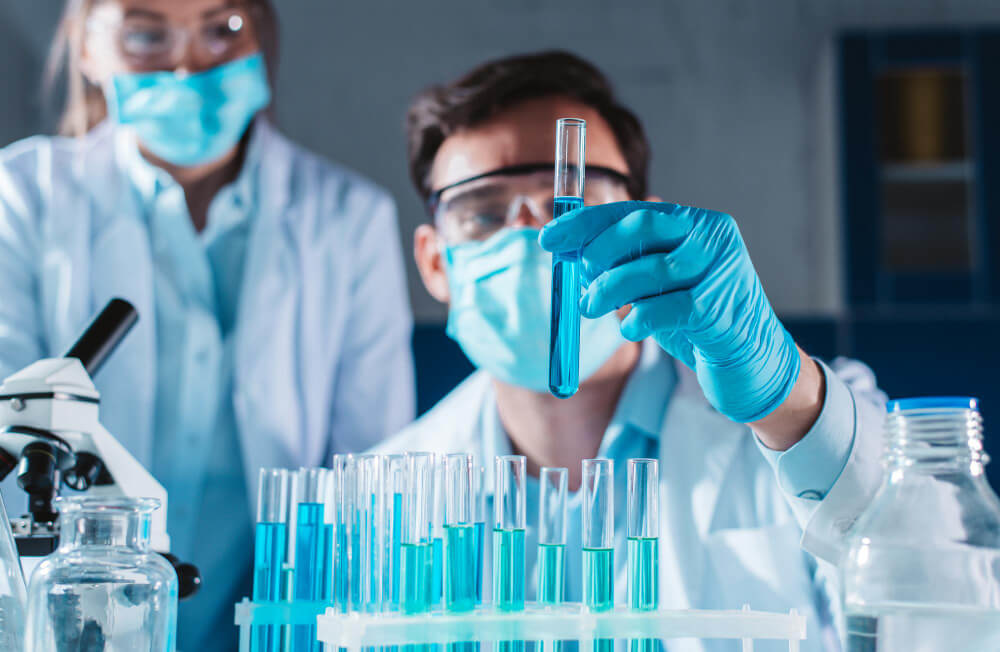
How does this training help practitioners stay calm and effective during a real adverse event?
A core focus of the training is building cognitive resilience through high-fidelity simulations and structured frameworks. By repeatedly practicing response protocols in a controlled yet realistic environment, you develop procedural memory that can be relied upon under stress. This approach helps bypass the initial panic response, allowing you to immediately access a clear, step-by-step plan for managing the situation.
Furthermore, the course specifically addresses the psychological pressures of a clinical complication. We teach mental rehearsal techniques and de-escalation strategies that help you manage your own physiological stress response. This ensures your critical thinking and decision-making abilities remain sharp, enabling you to lead with confidence and provide the best possible care for your patient.
Does the training cover more than just clinical protocols for managing complications?
Yes, the curriculum provides a holistic approach to managing adverse outcomes that extends far beyond the immediate clinical response. A significant portion of the training is dedicated to mastering patient communication during a crisis. You will learn specific techniques for delivering difficult news with empathy, managing patient and family anxiety, and rebuilding trust when an outcome is unfavorable.
In addition, we cover the essential non-clinical duties that are critical for professional and legal protection. This includes best practices for meticulous and objective documentation, understanding your ethical responsibilities, and clear guidelines on when and how to escalate the situation to senior colleagues or management. This comprehensive perspective ensures you are prepared for every facet of a challenging event.
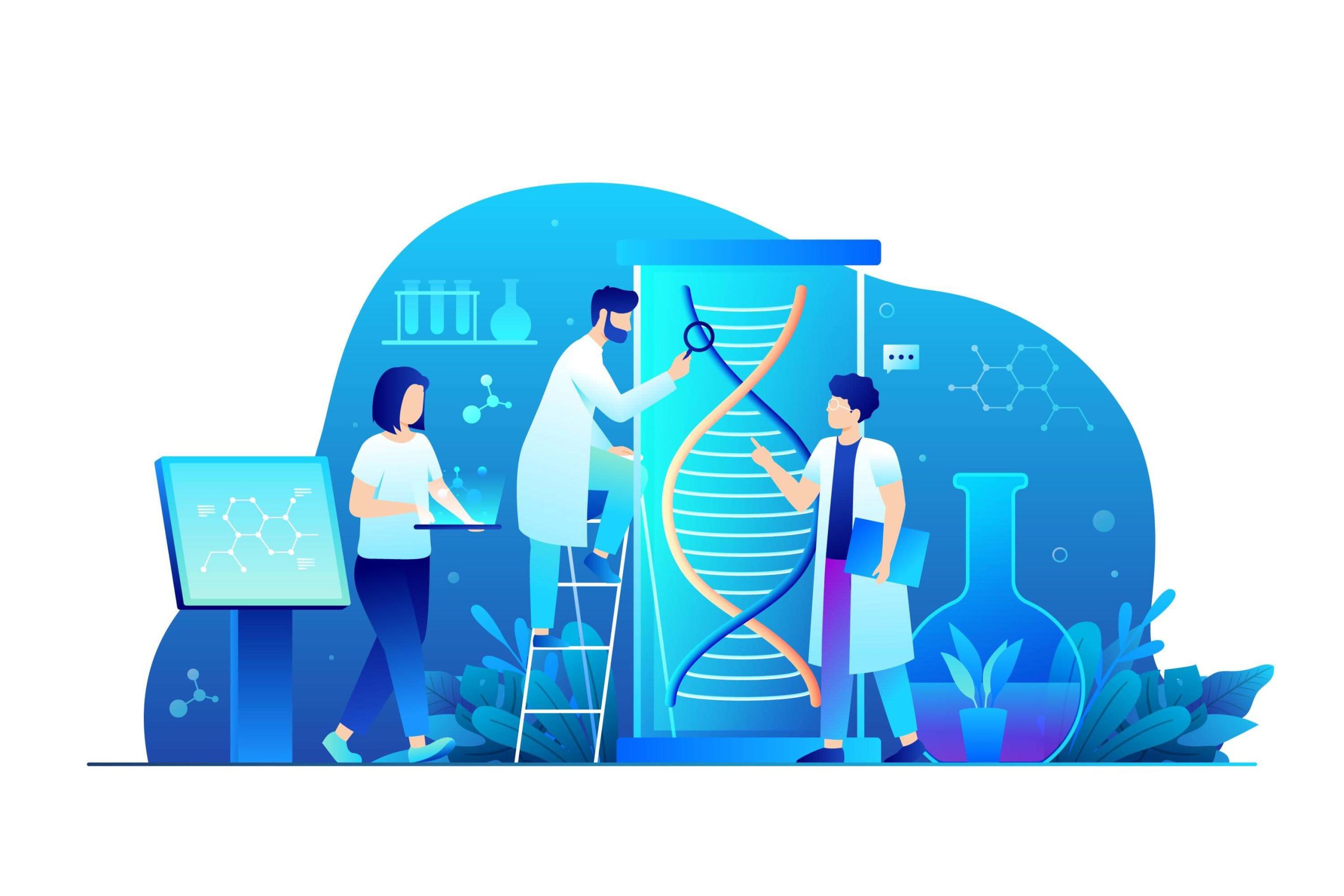
What strategies or resources are provided to ensure long-term retention of these troubleshooting skills?
Upon successful completion of the course, all participants receive lifetime access to a digital resource library. This library contains quick-reference guides for various scenarios, video refreshers of key techniques, and downloadable protocol checklists. These tools are designed to be easily accessible on a mobile device, serving as a powerful in-the-moment support system long after the training day.
To further embed learning, we provide a framework for ongoing skill maintenance and encourage the formation of peer support groups. The training includes access to an exclusive alumni forum where practitioners can discuss challenging cases and share insights in a secure, professional community. We believe that continuous engagement and periodic review are essential for ensuring these life-saving skills remain second nature.
Discover the most comprehensive functional medicine training, longevity training, and biohacking certification programs designed specifically for healthcare professionals, medics, and clinic owners who want to master regenerative medicine protocols and anti-aging therapies.