
Regenerative Medicine: Unlocking Your Body’s Innate Power to Heal
Imagine a form of healthcare that does not just mask symptoms or manage chronic conditions, but instead aims to repair, replace, and restore function to damaged tissues and organs. This is not a distant dream from science fiction. It is the core promise of a revolutionary and rapidly advancing field of science and medicine that is changing our understanding of healing itself.
This groundbreaking approach moves beyond traditional pharmaceuticals and surgery by seeking to address the root cause of disease and injury. It is a paradigm shift, focusing on unlocking the human body’s remarkable, innate capacity for self-repair. The entire field is built upon the idea that we can work with the body’s own systems to resolve damage that was once considered permanent.
The goal is to find a way to cure conditions previously thought to be incurable. This exciting frontier is known as regenerative medicine, and it represents one of the most promising areas in modern healthcare, offering new hope for millions of people worldwide.
What Are the Core Principles of Regenerative Medicine?
At its heart, regenerative medicine operates on a simple yet profound principle: give the body the tools it needs to heal itself. When you get a small cut on your finger, your body launches an intricate, automatic process to close the wound and rebuild the skin. Regenerative therapies aim to amplify this natural process or initiate it in tissues that do not heal well on their own, like cartilage or nerve tissue.
This field is multidisciplinary, drawing from biology, chemistry, genetics, engineering, and computer science. The work focuses on delivering specific types of cells or cell products to injured areas of the body. These components can then kickstart the repair process, leading to the regeneration of healthy, functional tissue.
Three main tools form the foundation of this approach. The first is cells, particularly stem cells, which serve as the body’s internal repair crew. The second is growth factors, which are the signaling molecules that direct the cells’ activity. The third is tissue engineering, which involves using biomaterials to create scaffolds that support new tissue growth.
How Do Stem Cells Fit into This Picture?
Stem cells are the superstars of regenerative medicine, and for good reason. They are unique cells with two incredible properties. First, they can divide and make endless copies of themselves, a process called self-renewal. Second, they can mature or differentiate into various specialized cell types, such as muscle cells, bone cells, or brain cells.
Think of them as ‘blank slate’ cells that the body can use to create any specific cell type it needs for repair. This makes them invaluable for regenerative purposes. When introduced to a damaged area, stem cells can potentially transform into the exact type of cell needed to fix the injury, while also releasing powerful anti-inflammatory and healing signals.
While the topic of embryonic stem cells often comes to mind, most current therapies utilize adult stem cells. These are sourced directly from a patient’s own body, typically from bone marrow or adipose (fat) tissue. Using a patient’s own cells, known as an autologous transplant, significantly reduces the risk of rejection and other complications.
Mesenchymal stem cells, or MSCs, are a type of adult stem cell that is heavily researched and used. They are particularly adept at orchestrating repair. They can reduce inflammation, prevent further cell death, and recruit other healing cells to the site of injury, making them a powerful tool for treating orthopedic conditions, autoimmune diseases, and more.
What Is Platelet-Rich Plasma (PRP) Therapy?
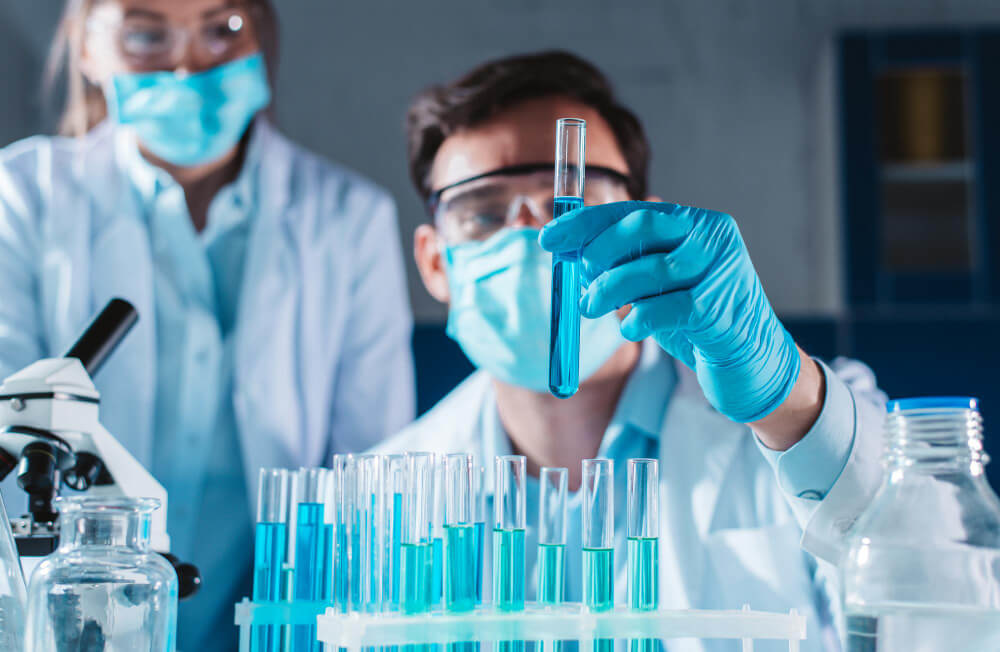
Platelet-rich plasma, or PRP, is another cornerstone of regenerative treatments and one of the most widely used therapies today. It relies on concentrating the healing power found within your own blood. Your blood is composed of several components, including red cells, white cells, plasma, and platelets.
Platelets are best known for their role in blood clotting, but they do much more. They are tiny storehouses of hundreds of proteins called growth factors. When an injury occurs, platelets rush to the scene and release these growth factors, which act as powerful chemical messengers that initiate the healing cascade.
The process for PRP therapy is straightforward. A small amount of blood is drawn from the patient, just like a standard blood test. This blood is then placed in a centrifuge, a machine that spins at high speeds to separate the components. This process isolates and concentrates the platelets within a small volume of plasma.
This resulting platelet-rich plasma, which can be five to ten times more concentrated than normal blood, is then injected directly into the injured tissue. This could be a torn tendon in the shoulder, an arthritic knee joint, or even the scalp to stimulate hair growth. The flood of growth factors signals the body to ramp up its repair efforts, attracting stem cells and promoting the rebuilding of new, healthy tissue.
Are There Other Key Therapies in This Field?
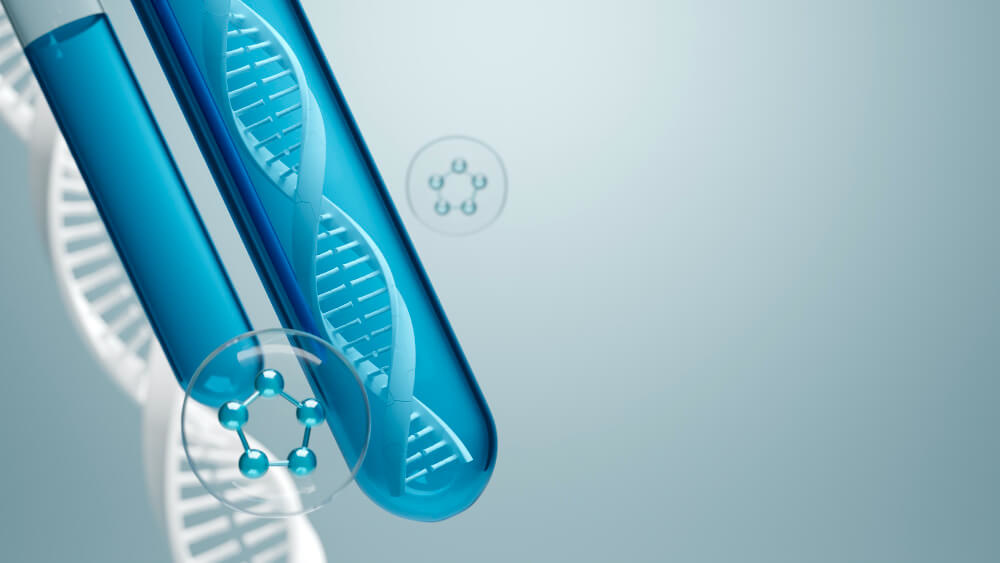
Beyond stem cells and PRP, the world of regenerative medicine is constantly expanding with new and sophisticated approaches. Researchers and clinicians are exploring more refined ways to direct the body’s healing processes, often with therapies that are even more targeted and specialized. These next-generation treatments hold the potential to be more potent and applicable to a wider range of conditions.
These advancements are pushing the boundaries of what we thought was possible. From cell-free therapies that use molecular messengers to complex lab-grown tissues, the innovation in this space is happening at a breathtaking pace. Two of the most exciting areas of development are exosome therapy and tissue engineering.
What is Exosome Therapy?
Exosome therapy represents a fascinating evolution in regenerative treatments. For a long time, scientists believed the benefits of stem cell therapy came from the cells themselves. Now, research suggests that much of the therapeutic effect comes from what the cells release. Stem cells secrete tiny nanoparticles called exosomes, which act as microscopic mail carriers.
These exosomes are vesicles that shuttle important cargo, like proteins and genetic information, from one cell to another. They do not contain a nucleus and cannot replicate, making them a cell-free therapy. They function by delivering instructions to recipient cells, telling them to reduce inflammation, begin regenerating, or behave in other beneficial ways.
Because they are the key communicators in the healing process, exosomes offer a more targeted way to deliver therapeutic signals without transplanting whole cells. For practitioners entering the field, understanding the nuances of this approach is vital, and staying updated through resources like a clinician’s guide to evidence and application is essential for responsible implementation.
What is Tissue Engineering?
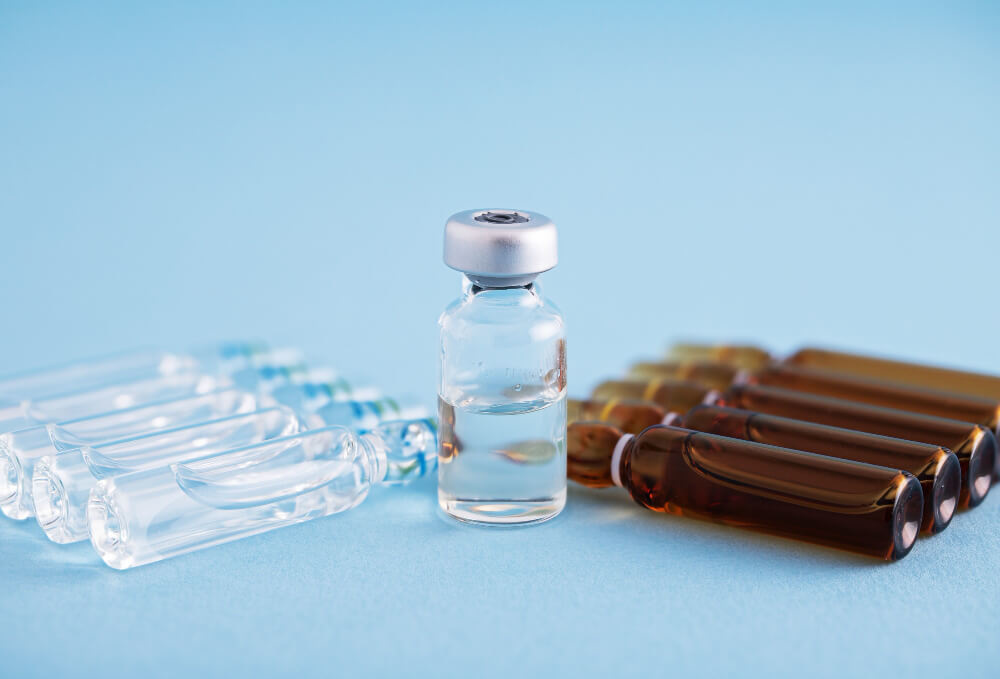
Tissue engineering takes regenerative medicine a step further by aiming to build brand new, functional tissues outside of the body for later implantation. This approach combines cells, growth factors, and biomaterials into a single cohesive strategy. It is often described as building replacement parts for the human body.
The process typically begins with a scaffold. This is a three-dimensional structure, often made from biodegradable polymers or natural materials, that is shaped like the tissue being replaced, such as a piece of cartilage or a section of bone. This scaffold provides the framework for cells to attach to and grow on.
Stem cells are then ‘seeded’ onto this scaffold. In a controlled environment called a bioreactor, which mimics conditions inside the human body, the cells are bathed in a nutrient-rich medium containing growth factors. These factors encourage the cells to multiply and differentiate, gradually forming a new, living tissue that replaces the scaffold as it biodegrades. This technology has already been used to create skin for burn victims and is being developed for more complex organs.

How Are These Treatments Administered Safely and Effectively?
Having a powerful regenerative substance like PRP or stem cells is only half the battle. The success of a treatment heavily depends on delivering that substance to the precise location of the damage. An injection that is off by even a few millimeters can be ineffective or, in the worst case, cause harm.
For this reason, precision and guidance are paramount. Blind injections, where a practitioner relies solely on feel and anatomical landmarks, are becoming an outdated practice in modern regenerative medicine. The internal landscape of the body can vary from person to person, and old injuries can alter the anatomy, making a blind approach unreliable.
To ensure accuracy, advanced imaging techniques are used to visualize the target area in real-time. Ultrasound technology has emerged as the gold standard for many procedures. It uses sound waves to create live images of soft tissues like muscles, tendons, and ligaments, allowing the practitioner to see the needle’s path from the moment it enters the skin until it reaches its destination.
This level of precision ensures the therapy is deployed exactly where it is needed most, maximizing the potential for a positive outcome and enhancing patient safety. For any clinician looking to offer these procedures, mastering this skill is non-negotiable, which is why specialized ultrasound-guided injection training for regenerative procedures is a critical component of professional development.
What Does the Future of Regenerative Medicine Look Like?
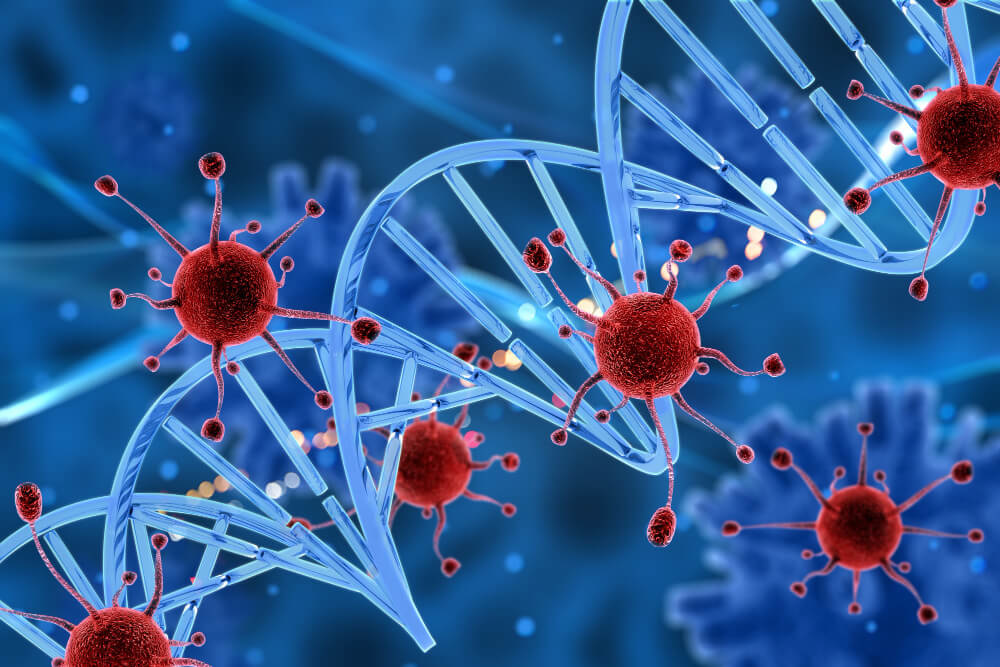
The future of this field is incredibly bright, with possibilities that were once confined to the realm of imagination. Scientists are working on solutions for some of the most challenging chronic diseases that affect humanity. Imagine a future where Type 1 diabetes is cured by regenerating insulin-producing cells in the pancreas, or where heart attack survivors receive treatments that repair damaged cardiac muscle.
Research is also heavily focused on neurodegenerative diseases. The potential to slow or even reverse the damage caused by conditions like Parkinson’s, Alzheimer’s, and spinal cord injuries using regenerative therapies offers immense hope. By replacing damaged neurons or supporting the brain’s own repair mechanisms, we may one day be able to restore lost function.
Technologies like 3D bioprinting are also advancing rapidly. Scientists are already printing simple tissues and are working towards the ultimate goal of printing complex, fully functional organs for transplantation. This could one day eliminate organ donor waiting lists entirely. Combined with gene-editing tools like CRISPR, we may be able to correct genetic defects in cells before using them for regeneration, leading to truly personalized and curative medicine.

Who Are the Key Organizations Driving This Field Forward?
The rapid progress in regenerative medicine is not happening in a vacuum. It is the result of dedicated work by thousands of researchers, clinicians, and patient advocates around the globe. This collective effort is coordinated and guided by leading academic institutions and professional societies that set standards for research and clinical practice.
Top-tier universities are at the forefront of this innovation, housing state-of-the-art labs and offering specialized educational programs. For instance, the Harvard Stem Cell Institute is a world-renowned center that brings together experts to accelerate discoveries. Similarly, dedicated programs in regenerative medicine at Boston University School of Medicine are training the next generation of leaders in the field.
Professional organizations are also crucial for ensuring that research is conducted ethically and that new therapies are translated safely into clinical care. The [International Society for Stem Cell Research](https://www.isscr.org/) provides guidelines for stem cell research and works to educate the public and policymakers. In parallel, the [American Society of Gene & Cell Therapy](https://www.asgct.org/) is the primary professional membership organization for scientists, physicians, and other professionals involved in this area, fostering the exchange of information and promoting the field’s advancement.

Is This Field Only for Major Research Hospitals?
While much of the foundational research takes place in large academic medical centers, regenerative medicine is no longer confined to the lab. Over the past decade, many therapies, particularly those like PRP and certain stem cell applications for orthopedic issues, have successfully transitioned into clinical practice in communities everywhere.
This has led to the rise of specialized clinics focused on longevity, anti-aging, and functional medicine. These clinics are often founded and run by forward-thinking healthcare professionals who see the value in shifting from a disease-management model to one focused on health optimization and restoration. They offer patients access to these cutting-edge treatments in a more intimate and personalized setting.
For physicians and healthcare entrepreneurs, this represents a significant opportunity to be at the forefront of a medical revolution. However, opening such a practice requires careful planning and a clear understanding of the business aspects. The [initial capital investment required for a longevity clinic](https://talkinglongevity.com/the-initial-capital-investment-required-for-a-longevity-clinic/) includes specialized equipment, staff training, and regulatory compliance, all of which are critical for building a successful and reputable practice.

What Should Patients Consider?
With the growing popularity of regenerative medicine, it is vital for patients to be well-informed and cautious consumers. The promise of this field has unfortunately attracted some clinics that make exaggerated claims or offer unproven treatments. Therefore, performing due diligence is essential.
Patients should look for practitioners who are transparent about what their therapies can and cannot do. A qualified provider will conduct a thorough medical evaluation, including a review of medical history and imaging, to determine if you are a suitable candidate. They should be able to explain the science behind the treatment, the specific protocol they use, and the potential risks and benefits.
Be wary of anyone promising a ‘miracle cure’ for a wide range of unrelated conditions. It is also important to understand that while many therapies have shown great promise in clinical studies, they may still be considered experimental by regulatory bodies like the FDA. A reputable clinic will be open about the current regulatory status of their treatments and will not shy away from your questions.
Regenerative medicine is not a passing trend; it is the future of healthcare. It represents a fundamental shift toward harnessing the body’s own power to heal, offering hope for conditions that were once thought to be untreatable. From mending injured joints to potentially reversing chronic disease, its impact will only continue to grow.
This evolution in medicine empowers both patients and practitioners to think beyond symptom management and aim for true restoration and longevity. It is a journey of discovery that is unlocking new possibilities for human health and vitality every single day.
Frequently Asked Questions
If a regenerative procedure doesn’t work the first time, does that mean it will never work for me?
A single unsuccessful procedure does not automatically mean that regenerative medicine is not a viable option for your condition. A thorough reassessment is the critical next step to investigate why the initial treatment did not yield the desired results. This re-evaluation may involve confirming the accuracy of the original diagnosis, analyzing the specific technique or product used, and considering underlying patient factors that might have hindered the outcome.
In many cases, a modified approach can lead to success on a subsequent attempt. This could involve using a different type of orthobiologic, adjusting the concentration of the preparation, or enhancing the procedure with more precise imaging guidance. It is also possible that a second treatment is necessary to build upon the partial progress made by the first, ultimately helping you cross the threshold to significant clinical improvement.

How much does my own health and lifestyle affect the outcome of a regenerative treatment?
Your overall health and lifestyle habits have a profound impact on the success of regenerative procedures. These treatments rely on your body’s innate healing capacity, so factors that compromise your health can also compromise the outcome. Conditions like uncontrolled diabetes, chronic inflammation, and poor nutrition create a systemic environment that is not conducive to tissue repair, while habits like smoking directly impair cellular function and blood flow.
Optimizing your health before and after the procedure is one of the most effective ways to improve your chances of a positive result. This includes adopting an anti-inflammatory diet, achieving a healthy weight, and ceasing tobacco use to create a better biological environment for healing. Strictly following the prescribed post-procedure rehabilitation protocol is equally crucial, as it provides the necessary mechanical signals to guide the new tissue formation.
What is the difference between a poor outcome and a normal, slow healing process after a regenerative procedure?
Distinguishing between a poor outcome and a normal healing trajectory requires patience, as regenerative medicine works with your body’s natural, and often slow, repair cycles. It is common to experience a gradual reduction in symptoms over several weeks or months, rather than immediate relief. Some initial post-procedure inflammation or discomfort can also be a normal part of the biological response that initiates healing, and should not be mistaken for a sign of failure.
A true poor outcome is generally identified by a complete lack of improvement or a worsening of symptoms long after the expected healing timeframe has passed. Consistent follow-up with your provider is essential to monitor progress through functional assessments and sometimes follow-up imaging. This allows for an objective evaluation to differentiate between slow-but-steady progress and a genuine treatment failure that may require a different therapeutic strategy.
Discover the most comprehensive functional medicine training, longevity training, and biohacking certification programs designed specifically for healthcare professionals, medics, and clinic owners who want to master regenerative medicine protocols and anti-aging therapies.