
Regenerative Medicine: The Future of Healing Is Already Here
Imagine a world where your body could repair a damaged heart after a heart attack, restore function to a spinal cord after an injury, or replace worn-out cartilage in an arthritic knee. This isn’t the plot of a science fiction movie; it’s the incredible promise of a rapidly advancing field of science. This new frontier is transforming our approach to health, shifting the focus from merely managing symptoms to fundamentally healing the body from within.
The core idea is elegantly simple. It harnesses the body’s innate ability to heal and amplifies it. Instead of relying solely on external drugs or devices, this approach uses living cells, biological building blocks, and advanced materials to repair, replace, or regenerate damaged tissues and organs. This discipline of regenerative medicine represents a paradigm shift in healthcare, offering hope for conditions that were once considered chronic or untreatable.
As our understanding of biology deepens, so does our capacity to guide these natural healing processes. From professional athletes seeking to recover from injuries faster to individuals with degenerative diseases looking to improve their quality of life, the applications are vast and growing. This exploration will demystify the science, explore the current therapies, and look toward the exciting future of personalized healing.

What Are the Building Blocks of Regenerative Medicine?
At its heart, regenerative medicine is built upon a few key scientific pillars. These foundational components work together, much like a skilled construction crew uses blueprints, raw materials, and support structures to build a new house. In this case, the house is healthy, functional human tissue.
Understanding these core elements is the first step to appreciating the power and potential of these therapies. They are the tools that scientists and clinicians use to coax the body into a state of renewal, repairing damage that was once thought to be permanent.
How Do Stem Cells Work?
Stem cells are the body’s master cells, the raw material from which all other specialized cells are generated. They have two remarkable properties. First, they can divide and renew themselves for long periods. Second, under certain conditions, they can be induced to become cells with specific functions, such as muscle cells, brain cells, or blood cells.
There are several types of stem cells. Adult stem cells are found in small numbers in most adult tissues, such as bone marrow or fat. Their primary role is to maintain and repair the tissue in which they are found. Pluripotent stem cells, which include embryonic stem cells, can change into any cell type in the body. Scientists have also learned to reprogram regular adult cells back into a stem cell-like state, creating what are called induced pluripotent stem cells or iPSCs. This breakthrough allows for the creation of patient-specific cells for therapy without ethical concerns.

What Is Tissue Engineering?
Tissue engineering is a field that blends biology with engineering to restore, maintain, or improve tissue function. Think of it as biological construction. Scientists often start with a scaffold, which is a structure made of natural or synthetic materials that mimics the body’s own extracellular matrix.
This scaffold serves as a template onto which living cells can attach, grow, and organize themselves into functional tissue. As the new tissue develops, the scaffold is designed to be safely absorbed by the body, leaving only the healthy, newly generated tissue behind. This method has been used to engineer skin, cartilage, and even bladder tissue, showing immense promise for creating more complex organs in the future.

How Do Biomaterials Contribute?
Biomaterials are the unsung heroes of many regenerative strategies. These are any substances that have been engineered to interact with biological systems for a medical purpose. They can be made from natural sources like collagen or from synthetic polymers. Their role is multifaceted and crucial for success.
In some cases, biomaterials form the scaffolds used in tissue engineering, providing the physical support for new cell growth. In others, they are used as delivery vehicles, carrying therapeutic cells, growth factors, or genes to a specific site in the body. These materials must be biocompatible, meaning they do not provoke a harmful immune response, and are often biodegradable, breaking down safely over time as their job is completed.

What Are Some Common Regenerative Therapies?
The theoretical concepts of regenerative medicine are fascinating, but their true impact is seen in clinical applications. Several therapies have moved from the laboratory to the clinic, offering patients new options for a range of conditions, particularly in orthopedics, sports medicine, and aesthetics.
These treatments often use the patient’s own biological materials, which reduces the risk of rejection or allergic reaction. While the field is still young, these therapies provide a glimpse into the future of personalized medicine, where treatments are tailored to an individual’s unique biology.

Can Platelet-Rich Plasma (PRP) Therapy Help Joints?
Platelet-rich plasma, or PRP, therapy has gained significant popularity, especially for treating joint pain, tendon injuries, and muscle strains. The procedure is straightforward. A small amount of the patient’s blood is drawn and placed in a centrifuge, a machine that spins at high speed to separate the blood’s components.
This process concentrates the platelets, which are cell fragments in the blood known for their critical role in clotting. More importantly, platelets are a rich reservoir of growth factors, which are proteins that signal cells to multiply and repair tissue. This concentrated plasma is then injected directly into the injured area, delivering a powerful dose of healing signals to stimulate and accelerate the body’s natural repair process.
What About Prolotherapy?
Prolotherapy, short for proliferative therapy, is another injection-based treatment designed to stimulate healing, particularly for chronic musculoskeletal pain. Unlike PRP, which uses the patient’s blood, prolotherapy involves injecting a mild irritant solution, often a dextrose-based solution, into a damaged ligament or tendon.
The injection creates a localized, controlled inflammatory response. This might sound counterintuitive, but this inflammation is the first stage of the body’s natural healing cascade. It tricks the body into thinking there is a new injury, triggering a flood of growth factors and repair cells to the area to strengthen and rebuild the weakened connective tissues over time.
How Are Gene Therapies Changing Medicine?
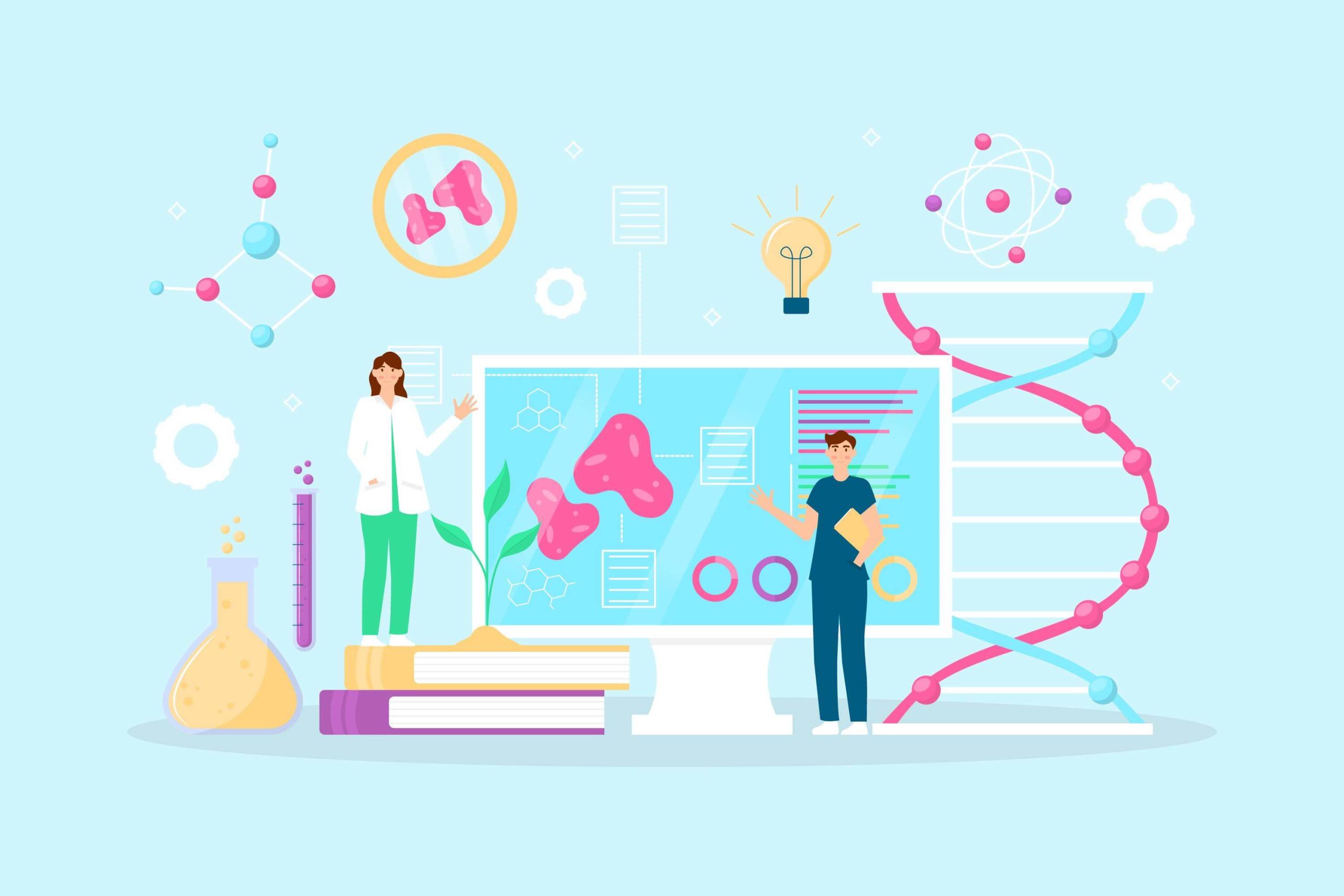
Gene therapy is one of the most advanced and transformative areas of regenerative medicine. It aims to treat or cure diseases by correcting the underlying genetic problem. This can involve replacing a disease-causing gene with a healthy copy, inactivating a mutated gene that is not functioning properly, or introducing a new gene into the body to help fight a disease.
This approach holds incredible potential for treating inherited disorders like cystic fibrosis and hemophilia, as well as certain cancers and viral infections. The development of sophisticated delivery vehicles, often modified viruses that can carry genetic material into cells, has been a key breakthrough. Organizations like the European Society of Gene and Cell Therapy are at the forefront of advancing the science and clinical application of these life-changing treatments, pushing the boundaries of what is medically possible.
How is This Field Evolving?
Regenerative medicine is not a static field; it is one of the most dynamic and rapidly evolving areas in all of science. Researchers around the globe are constantly making new discoveries, refining techniques, and expanding the range of conditions that can be treated. The future that was once imagined is taking shape in laboratories today.
The convergence of biology, technology, and data science is accelerating progress at an unprecedented rate. From 3D bioprinting to artificial intelligence-driven discovery, the tools available to scientists are more powerful than ever, promising even more remarkable breakthroughs in the years to come.
What Does the Future Hold for Organ Regeneration?
The ultimate goal for many in the field is to solve the critical shortage of donor organs for transplantation. The ability to grow fully functional, complex organs like hearts, livers, and kidneys in the lab could save millions of lives. While this remains a significant challenge, progress is being made on several fronts.
Scientists are using advanced 3D bioprinting techniques to print layers of living cells onto a scaffold, slowly building up organ structures. They are also exploring methods to decellularize an animal organ, washing away all the original animal cells to leave behind a neutral scaffold, which can then be re-seeded with a patient’s own cells. The work of groups like the Regenerative Medicine Foundation is vital in supporting the research and policy needed to turn these ambitious goals into clinical realities.

Are There New Frontiers in Cellular Therapies?
Beyond general stem cell treatments, the field of cellular therapy is becoming increasingly sophisticated and targeted. One of the most exciting developments is CAR-T cell therapy, a revolutionary treatment for certain types of cancer. In this process, a patient’s own T-cells, a type of immune cell, are collected and genetically engineered in a lab.
These cells are modified to produce special receptors on their surface called chimeric antigen receptors, or CARs. These receptors allow the T-cells to recognize and attack cancer cells with incredible precision. The engineered cells are then infused back into the patient, creating a living drug that can seek out and destroy tumors. This success has opened the door to exploring similar cellular engineering strategies for autoimmune diseases and other conditions.
What Should Patients Consider Before Treatment?
As with any medical treatment, especially one that is new and evolving, it is essential for patients to be well-informed and cautious. The promise of regenerative medicine is immense, but it is also an area where hype can sometimes outpace the science. Making an educated decision involves careful research and consultation with qualified professionals.
Patients should understand the specific therapy being offered, the evidence supporting its use for their particular condition, and the credentials of the provider administering the treatment. Being an active and informed participant in your own healthcare is paramount.
How Do You Find a Qualified Practitioner?
Finding a healthcare provider who is not only skilled but also ethical and up-to-date on the latest research is crucial. The popularity of regenerative therapies has unfortunately led to a rise in clinics making unsubstantiated claims. A qualified practitioner should be a licensed medical professional with specific training and experience in regenerative medicine.
They should be transparent about the procedures, potential outcomes, and costs. Top-tier professionals are committed to lifelong learning, often participating in advanced programs to stay current. For example, they may seek out accredited CME courses on the clinical application of biologics to ensure they are applying the latest, evidence-based protocols in their practice. Ask about a provider’s training, certifications, and affiliations with professional organizations.
What Evidence Supports These Treatments?
It is critical to approach this field with a discerning eye. While some regenerative therapies have strong evidence for specific applications, others are still considered experimental. The level of scientific proof can vary widely from one treatment to another and from one condition to another.
Patients should ask their provider to share the scientific studies or clinical trial data that support the use of a recommended therapy for their specific diagnosis. A trustworthy clinician will welcome this conversation and provide clear information. Understanding the efficacy and evidence base for various regenerative treatments is a key step in separating proven medical science from marketing hype and making an informed choice about your health.

What Are the Potential Risks and Benefits?
Every medical procedure carries a balance of potential risks and benefits. The benefits of regenerative therapies can be profound, including pain relief, improved function, and a return to activities that were once impossible. For many, it offers a less invasive alternative to major surgery.
However, risks must also be considered. Since many treatments use the patient’s own cells, the risk of rejection is low. But risks common to any injection procedure, such as infection, bleeding, or nerve damage, still exist. With more experimental therapies, there may be unknown long-term risks. A thorough consultation with your doctor should include a frank discussion of both the potential upside and the possible downsides as they relate to your personal health situation.
How Can Someone Learn More or Get Involved?
The field of regenerative medicine is not just for patients and doctors; it is a vast and exciting area for students, researchers, and anyone interested in the future of science and health. The collaborative nature of the field means there are numerous avenues for education and involvement, from formal academic programs to public foundations.
Whether you are a student considering a career in science, a professional looking to transition fields, or simply a curious individual, there are abundant resources available to deepen your understanding.
Are There Educational Programs for Aspiring Scientists?
Absolutely. The growing importance of this field has led to the creation of specialized educational pathways at leading institutions worldwide. These programs are essential for training the next generation of scientists and clinicians who will drive future innovations. Universities now offer undergraduate majors, graduate degrees, and postdoctoral fellowships focused on stem cell biology, tissue engineering, and translational medicine.
For those seeking the highest level of training, there is a wealth of opportunities. World-class institutions provide extensive education in the field of regenerative medicine to cultivate future leaders. For those who have already completed their doctoral studies, a specialized post-graduate program like a regenerative and functional medicine fellowship can provide the focused, hands-on experience needed to excel in this competitive and rewarding area of research and clinical practice.
Does Regenerative Medicine Apply to All Ages?
While often associated with treating age-related wear and tear or chronic diseases in adults, the principles of regenerative medicine have broad applications across the entire lifespan. The fundamental processes of growth, development, and healing are central to health at every age. Understanding these processes from the earliest stages of life can provide insights that inform treatments for later-life conditions.
For instance, the study of how tissues develop and mature is critical. Fields like endocrinology, which deals with hormones and growth, are closely linked to the body’s regenerative capacity. Gaining a deep understanding of topics like pediatric and adolescent endocrinology for the non-specialist can provide a foundational knowledge of the biological signals that govern growth and repair, which are the very same signals that regenerative therapies seek to harness. This knowledge is applicable from correcting congenital issues in children to addressing degenerative conditions in the elderly.
Regenerative medicine is more than just a collection of treatments; it is a new philosophy of healthcare. It is a hopeful and empowering approach that sees the body not as a machine that inevitably breaks down, but as a dynamic, living system with a remarkable capacity for renewal. As science continues to unlock the secrets of our own biology, the future of healing looks brighter and more personalized than ever before.
Frequently Asked Questions

How do VSELs differ from the more commonly known embryonic stem cells (ESCs)?
Very Small Embryonic-Like Stem Cells (VSELs) and Embryonic Stem Cells (ESCs) share pluripotent capabilities, but they differ fundamentally in their origin and safety. VSELs are naturally present in adult tissues like bone marrow and peripheral blood, where they remain dormant until needed for repair. In contrast, ESCs are derived from the inner cell mass of a blastocyst, an early-stage embryo, which raises significant ethical considerations.
This difference in origin leads to a critical advantage for VSELs in therapeutic applications. Because VSELs can be harvested from a patient’s own body, they can be used for autologous treatments, eliminating the risk of immune rejection. Furthermore, VSELs have a very low risk of forming teratomas (tumors), a major safety concern associated with the use of ESCs in regenerative medicine.
What specific advantages do VSELs offer for regenerative medicine?
The primary advantage of VSELs lies in their unique combination of pluripotency and safety. They possess the ability to differentiate into a wide variety of cell types, similar to embryonic stem cells, but without the associated risk of forming tumors. This makes them an ideal candidate for repairing and regenerating damaged tissues and organs throughout the body in a controlled manner.
Additionally, VSELs represent the body’s own natural repair system, which can be harnessed for healing. Their presence in adult tissues means they can be sourced directly from the patient, bypassing both ethical debates and the need for immunosuppressant drugs. This personalized approach makes VSEL-based therapies a highly promising frontier for treating a range of degenerative diseases and injuries.

Are treatments using VSELs widely available to patients now?
While the research surrounding VSELs is incredibly promising, therapies using them are not yet considered a mainstream medical treatment approved by major regulatory bodies like the FDA. Most VSEL applications are currently in the experimental stage and are primarily being studied in clinical trials. This is because researchers are still working to standardize the protocols for isolating, activating, and administering these cells effectively.
Some specialized clinics globally may offer treatments that claim to use VSELs, but patients should approach these with caution. It is crucial to thoroughly investigate any such clinic and understand that these therapies are often considered investigational. The scientific community is working diligently to bridge the gap from research to approved clinical practice, but widespread availability is still on the horizon.
Discover the most comprehensive functional medicine training, longevity training, and biohacking certification programs designed specifically for healthcare professionals, medics, and clinic owners who want to master regenerative medicine protocols and anti-aging therapies.