

Unlocking Your DNA: A Complete Guide to Genetic Testing for Health and Longevity
Have you ever wondered what secrets are held within your DNA? For generations, our genetic makeup was a complete mystery, a hidden blueprint influencing everything from our eye color to our risk for certain health conditions. Today, science has given us the extraordinary ability to peek inside that code, offering unprecedented insights into our bodies and our potential future health.
This exploration is made possible through the field of genetics and the powerful tools it provides. At its core, this field helps us understand the instruction manual that makes you uniquely you. It is a deeply personal journey into your own biology, one that can empower you to make more informed decisions about your lifestyle, your health, and even your family planning.
By demystifying this complex topic, we can begin to see how it moves from the realm of science fiction into a practical tool for proactive health management. Understanding the fundamentals of genetic testing is the first step toward harnessing its potential to live a longer, healthier life. It represents a pivotal shift from a reactive to a proactive approach to personal wellness.

What Exactly Is Genetic Testing?
To understand genetic testing, it helps to first picture your body’s master plan. This plan is your DNA, or deoxyribonucleic acid. DNA is organized into structures called chromosomes, which are found inside almost every cell in your body. Specific segments of your DNA are called genes, and each gene provides a set of instructions for building and maintaining your body.
Think of your entire DNA sequence as a massive library of cookbooks. Each chromosome is a volume in that library, and each gene is a single recipe. These recipes tell your body how to make proteins, which are the essential molecules that perform a vast array of jobs, from carrying oxygen in your blood to fighting off infections.
A genetic test is a sophisticated type of medical test that identifies changes in your genes, chromosomes, or proteins. These changes are sometimes called variants or mutations. The test itself typically involves analyzing a sample of your blood, saliva, or tissue. The laboratory then uses advanced techniques to ‘read’ the specific parts of your DNA recipe being investigated.
The goal is to spot any variations from the typical sequence. Some variations are harmless and simply account for the diversity among people, like differences in hair texture. Others, however, can disrupt a gene’s normal function, potentially leading to a genetic condition or increasing your susceptibility to certain diseases.

Why Would Someone Consider Genetic Testing?
The reasons for pursuing genetic testing are as diverse as the information it can provide. It is not a one-size-fits-all tool but rather a collection of specialized tests designed to answer specific questions. Your personal health, family history, and life goals will largely determine which, if any, type of testing is right for you.
For many, the motivation is rooted in a desire to be proactive about their health. They want to understand their predispositions and take steps to mitigate risks before they manifest as disease. For others, it is about finding answers to existing health puzzles or making informed decisions about the future.

Are You Planning a Family?
One of the most common applications of genetic testing is in family planning. This is known as carrier screening. It is designed to determine if you or your partner carry a genetic mutation for a condition that you could pass on to your children. Many of these conditions are recessive, meaning a child must inherit a copy of the mutated gene from both parents to have the disorder.
Often, carriers of these genetic traits are perfectly healthy and have no idea they even have the mutation. Conditions like cystic fibrosis, sickle cell anemia, and Tay-Sachs disease are examples of disorders for which carrier screening is frequently performed. The results can help prospective parents understand their reproductive risks and explore their options.

Are You Concerned About a Family History of Disease?
If a particular condition seems to run in your family, such as a specific type of cancer, heart disease, or a neurological disorder, you might consider predictive or presymptomatic testing. This type of testing looks for genetic mutations that increase a person’s risk of developing a disease later in life.
It is important to understand that having a risk-associated mutation does not guarantee you will get the disease. It simply means your risk is higher than that of the general population. This information can be incredibly powerful, as it allows you to work with your doctor to implement enhanced screening protocols, medical interventions, or lifestyle changes aimed at prevention or early detection.

Do You Need a Diagnosis for Unexplained Symptoms?
When a person, particularly a child, is showing symptoms of a condition that doctors suspect may be genetic, diagnostic testing can be used to find a definitive answer. It can confirm or rule out a specific genetic disorder or chromosomal abnormality. This can be a crucial step in ending a long and often frustrating ‘diagnostic odyssey’.
Receiving a clear diagnosis can be life-changing. It provides an explanation for the health issues, allows for better management of the condition, and helps families connect with support networks and resources. It also opens the door to potential treatments and clinical trials specific to that disorder.
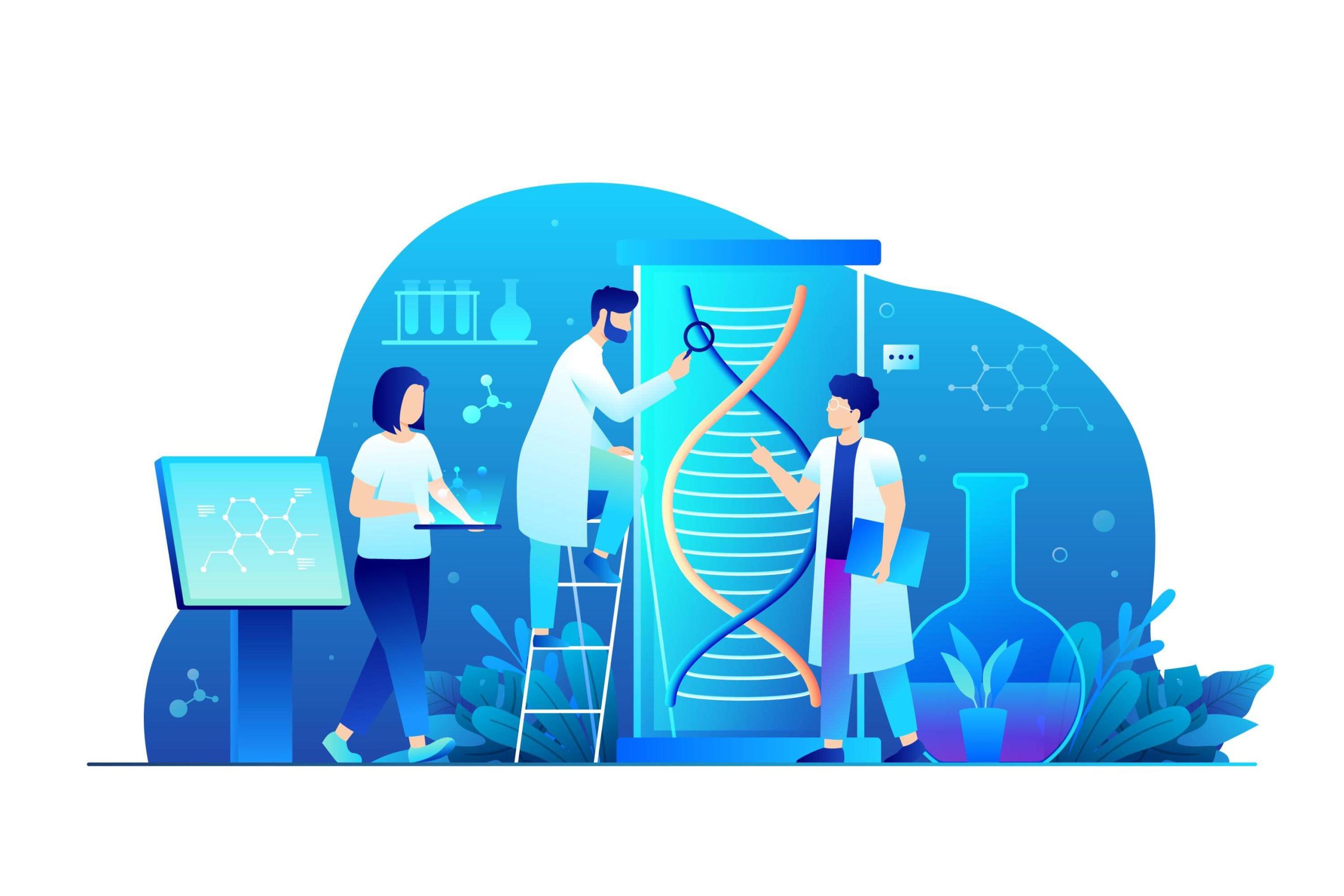
Are You Interested in Optimizing Your Health and Wellness?
A growing area of interest is the use of genetic information to fine-tune personal health and lifestyle choices. This includes fields like pharmacogenomics, which examines how your genes affect your body’s response to certain medications. This can help doctors select the right drug and dose for you, potentially avoiding harmful side effects or ineffective treatments.
Another related field is nutrigenomics, which explores the relationship between your genes, nutrition, and health. It can offer insights into how your body processes fats, vitamins, and other nutrients, helping you tailor your diet to your unique genetic profile. This approach is a cornerstone of personalized medicine and longevity strategies.

What Are the Different Types of Genetic Tests?
Genetic testing is not a single procedure but an umbrella term for various methods of analyzing DNA. The specific test ordered by a healthcare provider depends on the medical question being asked. Some tests look at a single gene, while others can scan thousands of genes or even your entire genetic code at once.
Understanding the main categories can help clarify what to expect and what kind of information a particular test can yield. Each type serves a distinct purpose, from diagnosing a sick newborn to predicting an adult’s risk for a future illness. As technology advances, the lines between these tests can sometimes blur, but the foundational goals remain distinct. You can learn more about the different types of genetic testing from leading medical institutions that provide clear overviews for patients.

What is Diagnostic Testing?
As mentioned earlier, diagnostic testing is used to identify or rule out a specific genetic or chromosomal condition. It is typically performed when a person already has signs or symptoms of a particular disorder. The results of a diagnostic test can help confirm a diagnosis and guide treatment and management decisions.
This type of testing is vital in many areas of medicine, especially for individuals with complex, unexplained health issues. For instance, it is a critical tool for identifying rare diseases, which collectively affect millions of people but are individually uncommon and often difficult to diagnose based on symptoms alone. In these cases, pinpointing the exact genetic cause through genetic testing for rare diseases can be the key to getting proper care.

What is Predictive and Presymptomatic Testing?
Predictive and presymptomatic tests are used to detect gene mutations associated with disorders that appear after birth, often later in life. These tests can be helpful for people who have a family member with a genetic disorder but who have no features of the disorder themselves at the time of testing. Predictive testing can identify mutations that increase a person’s risk of developing disorders with a genetic basis, such as certain types of cancer.
For example, a well-known use of this testing is for mutations in the BRCA1 and BRCA2 genes, which significantly increase the risk of breast and ovarian cancer. Knowing your status can inform decisions about increased surveillance, risk-reducing medications, or preventative surgeries. Understanding your inherited genetic testing for cancer risk is a proactive step many individuals with a strong family history choose to take.

What is Carrier Screening?
Carrier screening is used to identify people who carry one copy of a gene mutation that, when present in two copies, causes a genetic disorder. This type of testing is offered to individuals who have a family history of a genetic disorder and to people in certain ethnic groups with an increased risk of specific genetic conditions. If both parents are tested, the test can provide information about a couple’s risk of having a child with a genetic condition.
This information is purely for reproductive planning and carries no implications for the carrier’s own health. It is a powerful tool for informed decision-making before or during a pregnancy, giving couples a clearer picture of their genetic compatibility and potential risks.

What is Pharmacogenomics?
Pharmacogenomic testing looks at how your genetic makeup influences your response to drugs. Everyone’s body processes medications differently, and our genes play a significant role in this. Some people may break down a drug too quickly for it to be effective, while others may process it so slowly that it builds up to toxic levels.
This type of testing can help a doctor prescribe a more effective medication at a safer dosage from the start. It has important applications in many areas, including psychiatry, cardiology, and pain management. It is a prime example of how genetic information is being used to make medicine more personalized and precise.

What is Whole Exome and Whole Genome Sequencing?
These are among the most comprehensive genetic tests available. Whole exome sequencing analyzes all the protein-coding regions of your genes, known as the exome. While the exome only makes up about 1-2% of your DNA, it is where the majority of known disease-causing mutations are found.
Whole genome sequencing goes a step further, determining nearly your entire DNA sequence. These broad tests are often used when more targeted testing has not yielded a diagnosis. They can uncover rare or unexpected genetic causes of disease but also generate a massive amount of data that requires expert interpretation.

How Does Genetic Testing Work in Practice?
Embarking on the genetic testing journey involves several clear steps, from the initial consultation to the final interpretation of your results. The process is designed to be thorough and is almost always guided by a healthcare professional to ensure the right test is chosen and the results are understood correctly.
The first step is typically a consultation with your doctor or a genetic counselor. They will discuss your personal and family medical history, explain the different testing options, and talk about the potential benefits, risks, and limitations. This conversation is crucial for setting realistic expectations.
Once a test is decided upon, a biological sample is collected. For many tests today, this is as simple as spitting into a tube to provide a saliva sample. In other cases, a blood draw from the arm or a swab from the inside of your cheek may be required. The sample is then sent to a specialized laboratory for analysis.
In the lab, technicians extract the DNA from your cells and use sophisticated sequencing machines to analyze the relevant genes. This process can take anywhere from a few days to several weeks, depending on the complexity of the test. Reputable labs, including large-scale companies like Invitae, have stringent quality control measures to ensure the accuracy of the results.

How Is Genetic Testing Shaping the Future of Medicine?
The influence of genetic testing extends far beyond diagnosing rare diseases. It is fundamentally changing the landscape of healthcare, pushing it toward a new paradigm focused on prevention, personalization, and longevity. By understanding an individual’s genetic predispositions, clinicians can move from a one-size-fits-all approach to one that is tailored to their unique biology.
This shift is most apparent in the growing field of preventative medicine. Instead of waiting for symptoms to appear, doctors can use genetic information to identify at-risk individuals and intervene early. This proactive stance holds the promise of not only extending lifespan but also enhancing healthspan, the period of life spent in good health.

Can Genetic Information Help Prevent Disease?
Absolutely. Knowing you have a genetic predisposition for a condition like type 2 diabetes, for example, can be a powerful motivator to adopt a healthier diet and exercise regimen. Similarly, discovering a high genetic risk for cardiovascular disease might lead to more frequent cholesterol screenings and a conversation with your doctor about preventative therapies.
This is where advanced tools are making a significant impact. For complex conditions influenced by many genes, scientists now use sophisticated methods to calculate a person’s overall genetic liability. Understanding the role of polygenic risk scores is key to appreciating this new frontier. These scores aggregate the effects of thousands or even millions of small genetic variations to provide a comprehensive risk assessment for common diseases like coronary artery disease, breast cancer, and atrial fibrillation.

What is the Role of Genetic Testing in Longevity Clinics?
In clinics focused on health optimization and longevity, genetic testing is not just an option; it is often a foundational component of patient care. It provides the baseline data upon which personalized health strategies are built. A comprehensive genetic analysis can inform recommendations for everything from diet and supplements to exercise type and frequency.
For these forward-thinking clinics, a patient’s genetic profile is a key part of the initial intake. It is integrated with other advanced diagnostics, such as blood biomarker analysis and imaging, to create a holistic view of the individual’s current and future health. This information is essential to the diagnostic workup for a new patient and guides the creation of a long-term, proactive health plan designed to mitigate risk and promote vitality.

What Should You Consider Before Getting Tested?
While genetic testing offers incredible potential, the decision to proceed should be made thoughtfully. The information you receive can have significant implications not only for your own health but also for your family. It is important to be prepared for the clinical, emotional, and practical aspects of the process.
Before you consent to a test, make sure you understand what it can and cannot tell you. A genetic test is not a crystal ball that predicts your future with certainty. It provides information about risk and probability, not destiny. Your genes are just one part of the complex puzzle that is your health; lifestyle and environmental factors also play crucial roles.

How Do You Understand the Results?
Genetic test reports can be complex and filled with technical language. A positive result for a disease-associated mutation can be alarming, while a negative result might provide a false sense of security. This is why professional guidance is not just helpful; it is essential.
A genetic counselor or a knowledgeable physician can help you interpret the results in the context of your personal and family history. They can explain what the findings mean for your health and what the next steps should be. Following the best practices for genetic counseling ensures that patients receive information clearly, compassionately, and accurately, empowering them to use the knowledge effectively without undue anxiety.

What About Genetic Privacy?
Concerns about the privacy of genetic information are valid. Who will have access to your data, and how will it be used? In the United States, a federal law called the Genetic Information Nondiscrimination Act (GINA) provides some protections. It makes it illegal for health insurers and most employers to discriminate against you based on your genetic information.
However, GINA’s protections do not extend to life insurance, disability insurance, or long-term care insurance. Before undergoing testing, it is wise to review the privacy policy of the testing company and discuss any concerns with your healthcare provider. Understanding how your data will be stored and protected is a critical part of the informed consent process.

Are You Prepared for the Emotional Impact?
The results of a genetic test can evoke a wide range of emotions. You might feel relief, anxiety, guilt, or even anger. Learning that you have an increased risk for a serious disease can be stressful, and it may require you to make difficult decisions about your health and lifestyle.
Furthermore, your genetic information has implications for your biological relatives. A result that affects you may also affect your parents, siblings, and children. This can sometimes create tension or difficult conversations within families. Thinking through these potential emotional and familial dynamics ahead of time is a valuable part of preparing for the testing process.
Genetic testing has opened a remarkable window into our own biology. It is a powerful tool that, when used wisely, can provide life-changing insights, guide preventative health measures, and empower individuals to take control of their health journey. It is not a simple peek into the future but a complex and valuable roadmap that can help us navigate the path to a healthier and longer life.
Frequently Asked Questions

What is the difference between parental consent and a minor’s assent in testing?
Parental consent is the formal, legally required permission granted by a parent or guardian on behalf of a minor. This process ensures the adult, who has the legal capacity to make such decisions, fully understands the study’s purpose, procedures, potential risks, and benefits. Consent must be informed and voluntary, and it is typically documented in writing before any testing begins.
In contrast, a minor’s assent is their own affirmative agreement to participate in the testing. While not always a legal requirement, obtaining assent is a critical ethical practice that respects the child’s developing autonomy and ensures they are a willing participant. This is done using age-appropriate language and methods, making sure the child understands what is being asked of them and agrees to take part without feeling pressured.

How should a minor’s data be handled to ensure their privacy and safety?
To ensure a minor’s privacy, all collected data should be subject to strict confidentiality and security protocols. This includes practices like anonymization or pseudonymization, where personally identifiable information is removed or replaced with a code to protect the child’s identity. Data should be stored on secure, encrypted servers with access limited strictly to authorized research personnel.
Furthermore, an ethical framework must outline clear policies for data retention and destruction. Parents should be informed about how long the data will be stored and for what purposes it may be used in the future. The framework should also respect the "right to be forgotten," providing a clear process for parents to request the deletion of their child’s data once its intended purpose is complete.

What is the protocol if a minor expresses a desire to withdraw from testing?
If a minor expresses a desire to stop, either verbally or through non-verbal cues like distress, the session must be ended immediately. This right to withdraw at any time, for any reason, is absolute and supersedes the initial parental consent. The researcher’s primary ethical obligation is to the child’s well-being, which takes precedence over completing the test or collecting data.
This protocol should be clearly explained to both the child and the parent before the testing starts, empowering the minor to voice their feelings. The process of withdrawal should be handled professionally and without any penalty or implication of disappointment. A robust ethical framework ensures the child feels safe and in control throughout the entire experience, not just at the beginning.
Discover the most comprehensive functional medicine training, longevity training, and biohacking certification programs designed specifically for healthcare professionals, medics, and clinic owners who want to master regenerative medicine protocols and anti-aging therapies. Elevate your practice with Talking Longevity.