The Ultimate Guide to NAD Training and Cellular Rejuvenation
Have you ever wondered what truly drives the aging process at a microscopic level? For decades, we have accepted wrinkles, fatigue, and a gradual decline in health as inevitable parts of life. But what if we could influence the very mechanisms that control how our cells age, repair themselves, and produce energy? This is the exciting frontier of longevity science, and at its heart lies a tiny but mighty molecule: NAD+.
NAD+, or Nicotinamide Adenine Dinucleotide, is a critical coenzyme found in every cell of your body. It is fundamental to life itself, yet its levels naturally plummet as we get older. This decline is linked to many of the hallmark signs of aging. The growing understanding of this molecule has sparked a revolution in regenerative medicine, leading to powerful interventions like NAD+ therapy. However, harnessing its potential safely and effectively requires deep expertise, which is why comprehensive NAD Training is becoming absolutely essential for healthcare professionals at the forefront of this field.
This guide will explore the world of NAD+, from its basic biological role to the advanced therapeutic applications being used today. We will uncover why maintaining optimal NAD+ levels is so crucial for healthspan and longevity. For clinicians and health enthusiasts alike, understanding this coenzyme is the first step toward unlocking a new paradigm of proactive, cellular-level wellness. It is a journey into the intricate machinery of our own bodies and the incredible potential we have to support it.
What Exactly is NAD+?
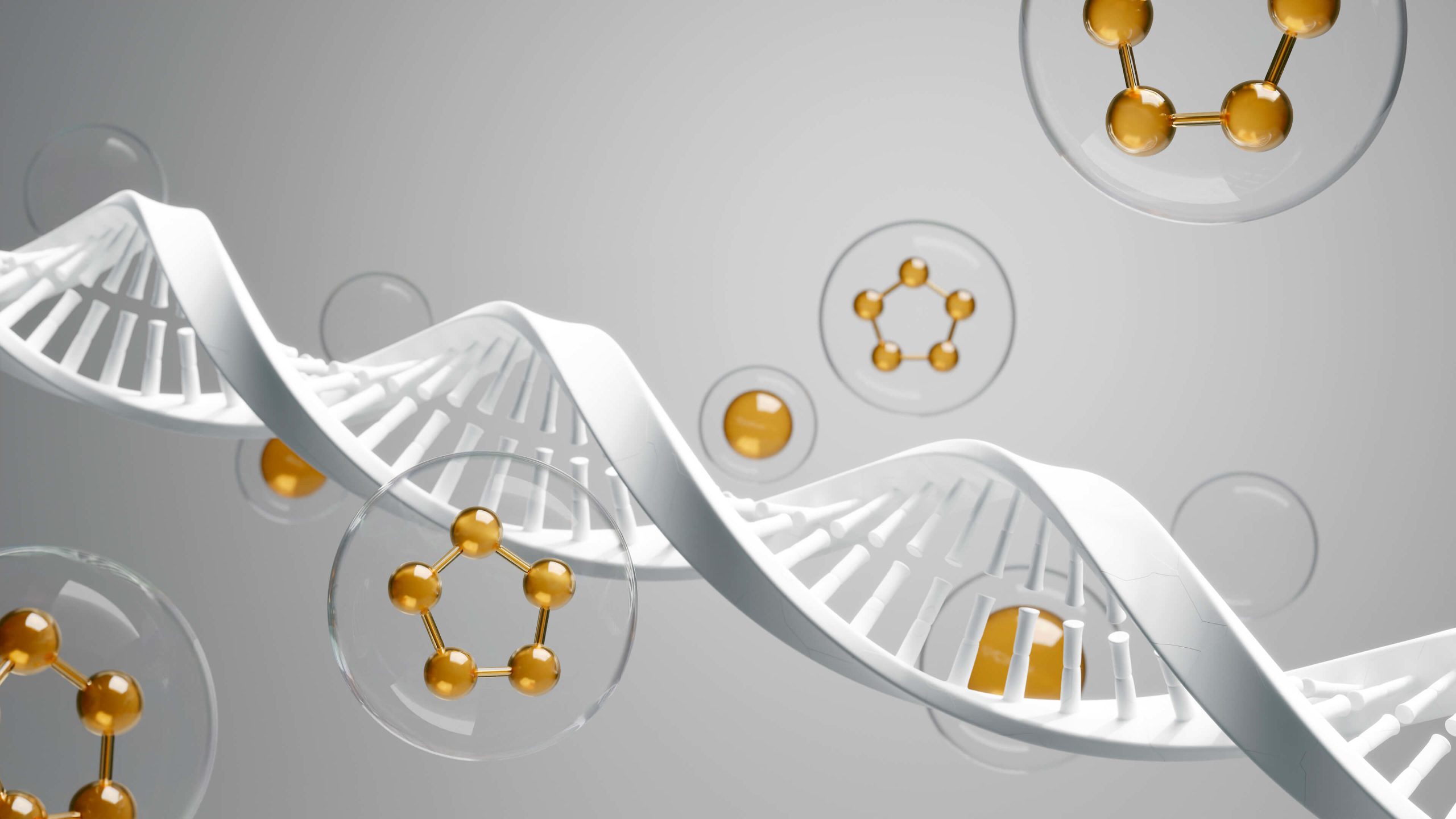
To understand the buzz around NAD+, we need to look inside our cells. Imagine your cells are tiny, bustling cities. For these cities to function, they need a constant power supply and a reliable maintenance crew. NAD+ plays a central role in both of these critical jobs. It is a ‘helper molecule’ or coenzyme, which means it assists enzymes in carrying out thousands of essential reactions throughout the body.
Think of it as the cellular electrical grid. Without it, the lights go out. Its primary role is in metabolism, where it helps convert the food we eat into adenosine triphosphate, or ATP, the main energy currency of the cell. Every heartbeat, every thought, and every muscle movement depends on this conversion process, and NAD+ is the linchpin that makes it all happen.
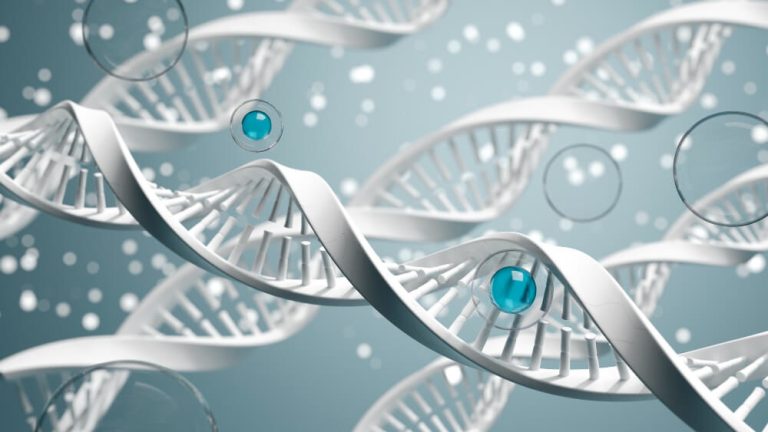
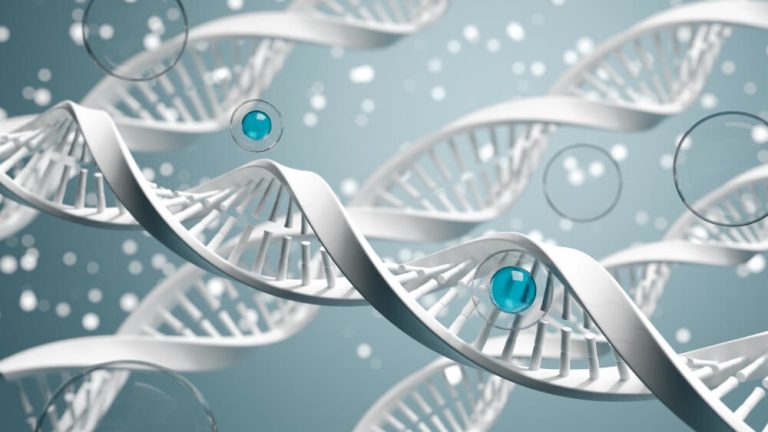
But its job does not stop at energy production. NAD+ is also a vital signaling molecule, activating a special class of proteins called sirtuins. Sirtuins are often called ‘longevity genes’ because they regulate cellular health, inflammation, stress resistance, and, most importantly, DNA repair. When our DNA gets damaged from environmental toxins, radiation, or even just normal metabolic processes, sirtuins dispatch the repair crew. But sirtuins need NAD+ as fuel to do their job. A shortage of NAD+ means the repair crew is understaffed and overworked.

Why does NAD+ decline as we age?
This is the million-dollar question in longevity research. Scientists have observed that by the time we reach middle age, our NAD+ levels can be half of what they were in our youth. This decline is not caused by a single factor but rather a combination of age-related changes and lifestyle choices. As we get older, our bodies naturally produce less NAD+.
Simultaneously, the demand for NAD+ increases. Chronic inflammation, a common feature of aging, consumes large amounts of the coenzyme. Furthermore, the accumulated DNA damage over a lifetime requires constant repair, which further depletes our precious NAD+ reserves. It creates a vicious cycle: low NAD+ impairs DNA repair, leading to more damage, which in turn consumes even more NAD+.
Lifestyle also plays a significant part. Poor diet, lack of physical activity, excessive sun exposure, and insufficient sleep can all accelerate the depletion of our NAD+ stores. This understanding of why NAD+ declines has paved the way for strategies aimed at restoring its levels, effectively giving our cells the resources they need to function more youthfully.

How Can We Boost NAD+ Levels?
Recognizing the critical role of NAD+ and its age-related decline, the next logical step is to find ways to increase its availability within our cells. Fortunately, there are several effective strategies, ranging from simple lifestyle adjustments to advanced therapeutic interventions. These approaches primarily focus on providing the body with the raw materials, or precursors, it needs to synthesize more NAD+.
On the most basic level, lifestyle choices can have a positive impact. Regular exercise, particularly high-intensity interval training, has been shown to stimulate the production of enzymes that create NAD+. Similarly, caloric restriction and intermittent fasting can place a mild, beneficial stress on the body that activates sirtuins and boosts NAD+ levels. A diet rich in foods containing vitamin B3, such as turkey, salmon, avocados, and green peas, provides the foundational building blocks for NAD+ synthesis.
For a more direct and potent boost, science has turned to NAD+ precursors. The two most studied precursors are Nicotinamide Riboside (NR) and Nicotinamide Mononucleotide (NMN). These compounds are essentially later-stage building blocks in the NAD+ production line. When taken as supplements, they can effectively bypass earlier steps in the synthesis pathway, leading to a significant increase in cellular NAD+ levels. The promise of these molecules has captured widespread attention, with some outlets noting how an anti-aging pill gets big boost in scientific and public interest.
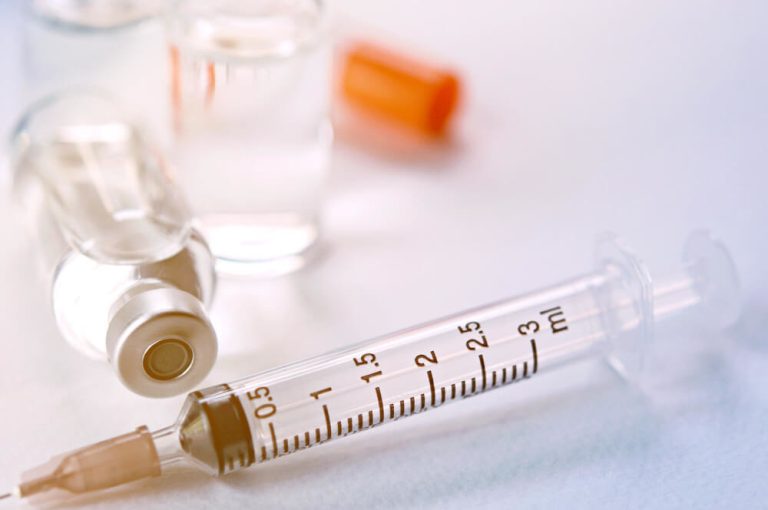
Beyond oral supplements, the most powerful method for rapidly restoring NAD+ levels is through intravenous, or IV, therapy. This method delivers a high dose of NAD+ directly into the bloodstream, ensuring 100% bioavailability and immediate availability to the body’s cells. This is often the preferred method in clinical settings for individuals seeking significant therapeutic effects for concerns ranging from chronic fatigue and cognitive decline to addiction recovery and athletic performance.

What does the science say about boosting NAD+?
The exploration of NAD+ is one of the most dynamic areas of modern biomedical research. A growing body of evidence supports the idea that boosting this coenzyme can have profound effects on health and aging. Researchers like Dr. Andrew Huberman have dedicated discussions to the science of boosting NAD for health and longevity, bringing complex topics to a wider audience.
Preclinical studies in animals have shown remarkable results. Increasing NAD+ levels has been linked to improved mitochondrial function, enhanced DNA repair, reduced inflammation, and even an extension of healthspan. These findings have laid the groundwork for human trials, which are now underway to investigate the effects of NAD+ precursors on various age-related conditions. A key study published in Cell Metabolism demonstrated that the precursor NR was safe and effectively stimulated NAD+ metabolism in healthy middle-aged and older adults.
Further research continues to untangle the complex web of how NAD+ functions. A comprehensive review in the National Center for Biotechnology Information’s database highlights the therapeutic potential of targeting NAD+ metabolism in aging and age-associated diseases. The scientific consensus is clear: NAD+ is a fundamental regulator of cellular health, and strategies to maintain its levels hold immense promise for promoting longevity and resilience against age-related decline.

What is Involved in NAD+ Therapy?
When we talk about NAD+ therapy, we are typically referring to the clinical administration of NAD+, most commonly through an IV drip. This process allows for a potent and direct elevation of NAD+ levels that is not achievable through diet or oral supplements alone. The experience is straightforward but requires professional medical supervision.
A typical IV NAD+ session involves a patient relaxing comfortably in a chair while a slow infusion of NAD+ mixed with sterile fluids is administered into a vein. The duration of the infusion can range from a few hours to several hours, depending on the specific protocol and the individual’s tolerance. Some people report feelings of warmth, mental clarity, and a gentle boost of energy during the treatment. Others might experience temporary discomfort like chest pressure or nausea if the infusion is run too quickly, which is why a trained practitioner’s ability to adjust the drip rate is crucial.
The potential benefits sought by those undergoing NAD+ therapy are vast. Many report a significant reduction in fatigue and a sharp increase in mental focus and cognitive function. It is often used to support brain health, enhance athletic recovery, and as a powerful tool in addiction recovery protocols, where it can help reduce cravings and support neurological repair. From an anti-aging perspective, the goal is to replenish the cell’s energy and repair capacity, helping to mitigate the functional decline associated with getting older.

Who is a good candidate for NAD+ therapy?
While NAD+ therapy offers exciting potential, it is not a one-size-fits-all solution. The decision to proceed with treatment should always be made in consultation with a qualified healthcare professional who can perform a thorough assessment. The ideal candidate is someone looking to proactively manage the aging process, enhance their cognitive and physical performance, or address specific health challenges like chronic fatigue or brain fog.
Properly evaluating who is a good fit involves a deep dive into their health history, current symptoms, and wellness goals. A skilled practitioner will use detailed patient selection criteria for NAD therapy to ensure the treatment is both safe and likely to be effective. This includes screening for any contraindications and setting realistic expectations about the outcomes.
Individuals with pre-existing conditions, those who are pregnant or breastfeeding, or people with certain health concerns may not be suitable candidates. The key is personalization. A well-trained clinician will tailor the dosage, frequency, and duration of therapy to the unique needs of each person, ensuring a protocol that maximizes benefits while minimizing risks.
Why is Professional NAD Training So Important?
The rise of NAD+ therapy has been rapid, and with this popularity comes a critical need for rigorous standards and education. Administering IV NAD+ is a medical procedure that requires a sophisticated understanding of biochemistry, physiology, and patient management. It is far more complex than simply hanging an IV bag; it is about delivering a powerful biological intervention safely and effectively.
Professional training is paramount because practitioners must know how to formulate the NAD+ solution, calculate appropriate dosages, and manage the infusion rate to prevent side effects. They need to understand the intricate pathways of NAD+ metabolism and how the therapy interacts with a patient’s unique health status, medications, and other treatments. Without this foundational knowledge, the risk of adverse effects or suboptimal results increases significantly.
Furthermore, a properly trained professional views NAD+ therapy not as an isolated magic bullet, but as part of a comprehensive, holistic health strategy. They can guide patients on supportive lifestyle changes, nutritional plans, and other therapies that work synergistically with NAD+ to achieve the best possible long-term outcomes. This integrated approach is the hallmark of high-quality regenerative and functional medicine.
How do clinics add NAD+ services to their practice?
For healthcare providers looking to offer this cutting-edge therapy, the process involves more than just purchasing supplies. It requires a strategic and educated approach. The first step for any clinic owner or practitioner is to invest in specialized training to master the science and clinical application of NAD+. This education forms the bedrock of a successful and reputable NAD+ program.
Beyond education, there are practical considerations. Clinics must learn about integrating NAD therapy into a functional or longevity practice, which covers everything from sourcing high-quality NAD+ and necessary medical supplies to establishing patient protocols and documentation procedures. It also involves training support staff to ensure a smooth and safe patient experience from start to finish.
An essential part of this integration is adopting a comprehensive patient evaluation model. For instance, a longevity-focused clinic understands that therapies like NAD+ exist within a larger context of patient health. This means conducting thorough assessments that go beyond the immediate concern, such as performing a cardiovascular risk assessment in menopausal patients before starting any systemic anti-aging protocol. This level of diligence and holistic care is what distinguishes a truly expert practice from a basic service provider.
What is the Future of NAD+ and Longevity?
The journey into understanding and utilizing NAD+ is still in its early stages, but the future looks incredibly bright. As research continues to accelerate, we can expect to see even more refined NAD+ boosting strategies and a deeper understanding of its role in preventing a wide range of age-related diseases. We may see the development of more targeted delivery systems and next-generation precursors with even greater efficacy.
NAD+ is poised to become a cornerstone of preventative and personalized medicine. Instead of waiting for age-related decline to manifest as disease, we will be able to proactively support our cellular health, enhancing our resilience and extending our healthspan. The focus is shifting from treating sickness to cultivating wellness, and NAD+ is at the very center of this exciting transformation.
As our knowledge grows, so too will the importance of highly trained professionals who can translate this complex science into practical, life-changing therapies for their patients. The future of longevity medicine is being built today, one well-informed practitioner and one revitalized cell at a time.
Frequently Asked Questions
Are there specific dietary or hydration guidelines I should follow before my infusion appointment?
Yes, proper preparation is essential for a smooth infusion experience, and this includes specific dietary and hydration practices. Your physician will recommend you drink plenty of water in the 24 hours leading up to your appointment to ensure you are well-hydrated, which makes vein access easier. It is also advised to eat a light, balanced meal a few hours before your treatment to help maintain stable blood sugar levels, unless you have been given specific instructions to fast.
On the day of the infusion, you should avoid consuming large, heavy, or greasy meals, as this can sometimes lead to nausea during or after the treatment. It is also critical to abstain from alcohol and limit caffeine intake, as both can contribute to dehydration and may interfere with the medication. Always confirm these guidelines with your care team, as your specific medication or health condition might require a more tailored protocol.

How can I tell the difference between a normal post-infusion side effect and a serious complication?
It is common to experience mild and temporary side effects, which are generally not a cause for alarm. These often include fatigue, a low-grade headache, muscle aches, or slight redness and discomfort at the IV site, which typically resolve within 24 to 48 hours with rest and hydration. Your clinical team will provide you with a list of these expected, manageable reactions before you are discharged.
A serious complication, however, requires immediate medical attention and presents with much more severe symptoms. Warning signs include difficulty breathing or shortness of breath, chest pain, a widespread rash or hives, or swelling of the face, lips, or tongue, as these can indicate a severe allergic reaction. If you experience any of these alarming symptoms after returning home, you must call 911 or go to the nearest emergency room right away.
What are the typical activity restrictions after an infusion, and when can I resume my normal routine?
Immediately following your infusion, you should plan for a period of rest and recovery. It is strongly advised to have someone else drive you home, as common side effects like fatigue or lightheadedness can impair your ability to operate a vehicle safely. For the remainder of the day, you should avoid strenuous activities, heavy lifting, and intense exercise to allow your body to process the treatment effectively.
Most patients are able to resume their normal daily activities, including work and light exercise, the day after their infusion, as long as they feel well and any initial side effects have subsided. However, the exact timeline can vary depending on the specific drug administered and your individual response. Always follow the personalized post-care instructions provided by your physician, as they will give you a clear guideline for safely returning to your regular routine.
Discover the most comprehensive functional medicine training, longevity training, and biohacking certification programs designed specifically for healthcare professionals, medics, and clinic owners who want to master regenerative medicine protocols and anti-aging therapies. Elevate your practice and become a leader in the future of health with Talking Longevity.