The Future Is Now: Understanding the Power of Regenerative Care
The human body possesses an incredible, innate capacity to heal itself. For centuries, medicine has focused on managing symptoms or intervening with external solutions. But what if we could instead harness and amplify the body’s own powerful repair mechanisms? This is the revolutionary promise of regenerative medicine, a field that is rapidly shifting the landscape of healthcare from treatment to restoration.
This approach is not science fiction; it is a sophisticated medical discipline that leverages biological materials like cells, tissues, and growth factors to repair, replace, and rejuvenate damaged parts of the body. As patient demand for these less invasive, more holistic therapies grows, the need for highly skilled practitioners has never been greater. For healthcare professionals, embarking on comprehensive regenerative care training is no longer a niche interest but a foundational step toward practicing the medicine of the future.
Understanding this new frontier is essential not just for doctors, but for patients who seek to make informed decisions about their health. It represents a paradigm shift, moving beyond simply masking problems to addressing their root causes on a cellular level. This evolution in care requires a deep understanding of complex biological processes, rigorous safety protocols, and a commitment to ongoing education.

What Is Regenerative Medicine, Really?
At its heart, regenerative medicine is a branch of healthcare that aims to restore the normal function of cells and tissues. Think of it as providing your body with the precise tools it needs to rebuild from within. Instead of prescribing a pill to reduce inflammation in a damaged knee, a regenerative approach might use the patient’s own biological material to help the cartilage repair itself.
This field is built on several key pillars, including cell therapy, tissue engineering, and the use of biomaterials. The goal is to go beyond managing chronic conditions and to offer potential cures or significant long-term improvements. It is a proactive, personalized form of medicine that considers the unique biology of each individual.
Traditional medicine often follows a ‘one-size-fits-all’ model, where a specific diagnosis leads to a standard treatment protocol. Regenerative care, however, is fundamentally different. It acknowledges that each person’s body responds uniquely and seeks to tailor therapies to optimize their specific healing potential. This is a move toward true patient-centered care.
Why Is This Field Growing So Rapidly?
Several factors are fueling the explosive growth of regenerative medicine. We have an aging global population facing a higher incidence of chronic and degenerative diseases, such as osteoarthritis, heart disease, and diabetes. Many people are searching for alternatives to long-term medication or invasive surgeries that come with significant risks and recovery times.
Simultaneously, scientific advancements are unlocking our understanding of cellular biology at an unprecedented rate. We know more than ever about how cells communicate, differentiate, and orchestrate healing. This knowledge allows clinicians to develop more targeted and effective therapies that were unimaginable just a few decades ago.
There is also a powerful cultural shift toward wellness and longevity. People are no longer content to simply live longer; they want to live better, maintaining their vitality and function well into their later years. Regenerative medicine directly addresses this desire by focusing on restoration and optimization of the body’s systems.
What Are the Key Therapies Involved?
While the field is vast and constantly evolving, a few core therapies form the foundation of current regenerative practices. These techniques are typically minimally invasive and leverage the body’s own healing components to achieve their results.

How Do Stem Cells Work?
Stem cells are often called the body’s ‘master cells’. They are undifferentiated cells that have the remarkable potential to develop into many different cell types in the body during early life and growth. In many tissues, they also serve as a sort of internal repair system, dividing essentially without limit to replenish other cells as long as the person is still alive.
When used therapeutically, certain types of stem cells can be introduced to a damaged area. There, they can help reduce inflammation, signal other cells to begin the repair process, and in some cases, differentiate into new tissue cells, such as cartilage, bone, or muscle. This process is central to healing and regeneration.

What Is Platelet-Rich Plasma (PRP)?
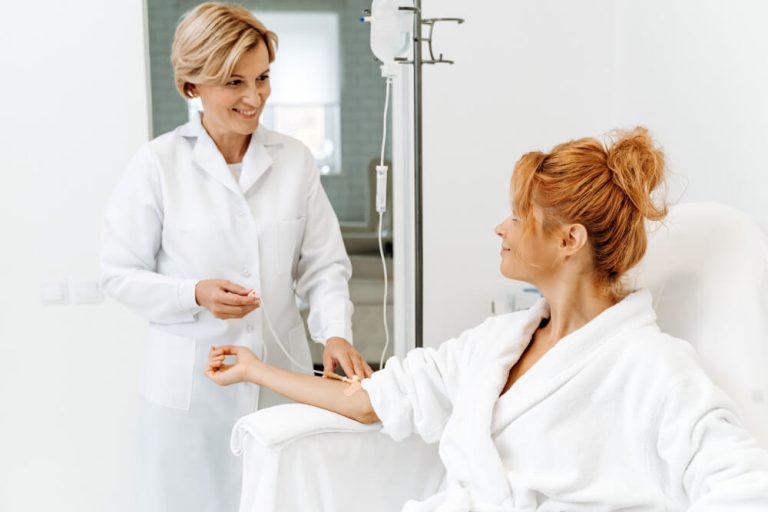
Platelet-rich plasma, or PRP, is a concentrate derived from a patient’s own blood. Blood is drawn and placed in a centrifuge, which spins at high speed to separate the components. This process concentrates the platelets, which are cell fragments critical for blood clotting and wound healing.
These concentrated platelets, when injected back into an injured area, release a cascade of powerful growth factors. These growth factors act as potent signaling molecules, attracting stem cells to the site of injury and orchestrating a robust, targeted healing response. It is a way of amplifying the body’s natural repair signals exactly where they are needed most.

What About Exosomes and Growth Factors?
Exosomes are microscopic vesicles, or tiny sacs, that are released by almost all cells in the body, including stem cells. They act as the primary communication system between cells, carrying important cargo like proteins, lipids, and nucleic acids from one cell to another. They are essentially the ‘mail carriers’ of the cellular world.
In regenerative medicine, exosomes are highly valued because they contain the instructive messages from stem cells without being cells themselves. They can tell recipient cells to reduce inflammation, promote blood vessel formation, and begin tissue repair. Using exosomes and isolated growth factors allows for a very precise, cell-free approach to stimulating regeneration.
Why Can’t Any Doctor Just Offer These Treatments?
The science behind regenerative care is incredibly complex, involving a deep understanding of cell biology, immunology, and physiology. Performing these procedures safely and effectively requires far more than a weekend course. It demands a dedicated educational pathway to ensure practitioners are not just technicians but true specialists.
Clinicians must be able to accurately diagnose conditions suitable for regenerative therapies, select the appropriate treatment, and understand the nuances of preparing and administering these biologic materials. They also need to manage patient expectations and monitor outcomes carefully. Without this specialized knowledge, the risk of poor results or adverse events increases significantly.
This is why a structured and rigorous educational framework is so important. To truly serve patients and advance the field, a practitioner must master a comprehensive curriculum for a regenerative medicine specialist. This type of program covers everything from the basic science to advanced clinical applications, ensuring a high standard of care.
What Kind of Regulations Govern Regenerative Care?
Given the powerful nature of these therapies, regulatory oversight is crucial for patient safety. In the United States, the Food and Drug Administration (FDA) plays a key role in regulating human cells, tissues, and cellular and tissue-based products, often referred to as HCT/Ps.
The FDA has established specific criteria to determine the regulatory pathway for these products. The rules often center on concepts like ‘minimal manipulation’ and ‘homologous use’. Minimal manipulation means the cells or tissues are not altered in a way that changes their relevant biological characteristics. Homologous use means the product performs the same basic function in the recipient as it did in the donor.
Navigating this regulatory landscape is a critical skill for any clinician in the field. Adherence to these guidelines is non-negotiable and ensures that therapies are offered responsibly and ethically. For this reason, dedicated training on FDA regulations for human cells, tissues (HCT/Ps) is an essential component of any credible regenerative medicine certification program. It protects both the patient and the practitioner.

How Does Our Genetic Makeup Influence Healing?
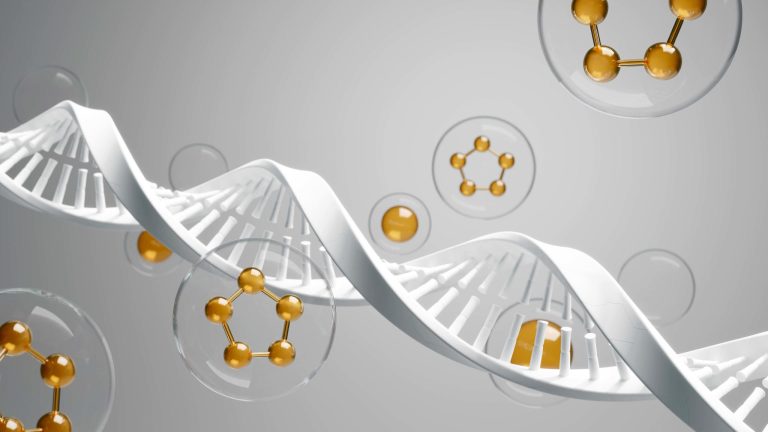
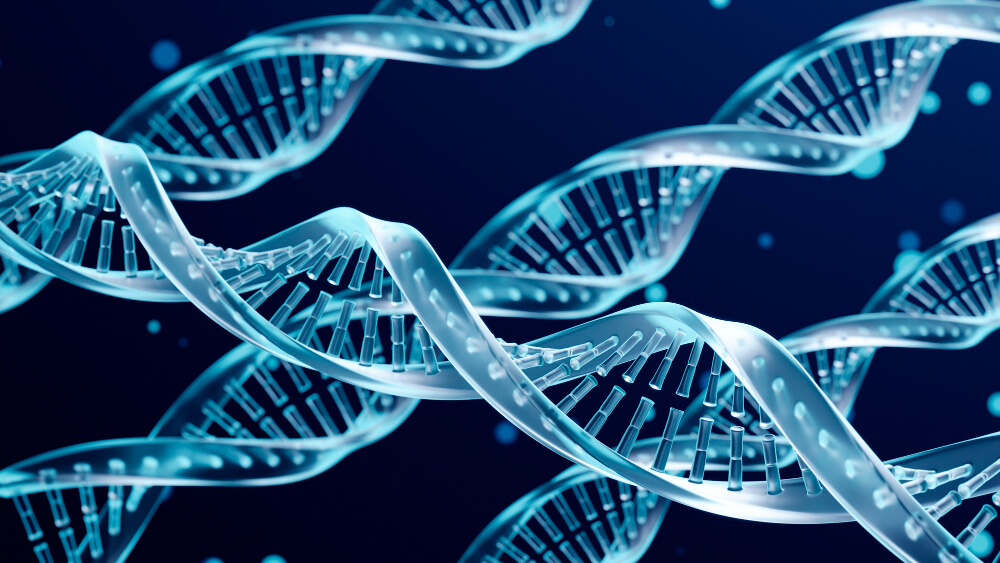
The next frontier in regenerative medicine is deep personalization, and that begins with our DNA. Our genetic code is the unique blueprint that dictates everything from our eye color to our predisposition for certain diseases. It also holds vital clues about our body’s ability to heal and respond to therapies.
By understanding an individual’s genetic profile, a clinician can move beyond a one-size-fits-all approach. Genetic information can help predict how a patient might respond to a particular regenerative treatment, identify potential risks, and tailor a protocol to maximize their unique healing capacity. This is the essence of precision medicine.
For example, some individuals may have genetic variations that affect inflammation pathways or their ability to produce certain growth factors. Knowing this information beforehand allows a practitioner to adjust the treatment plan, perhaps by using a higher concentration of platelets or incorporating supportive therapies to optimize the outcome.

Can Genetics Help Prevent Disease?
Beyond guiding treatment, genetics plays a profound role in proactive and preventive health. Genetic testing can identify inherited mutations or variations that increase a person’s risk for developing certain conditions later in life. This knowledge is empowering, as it allows individuals and their doctors to implement targeted strategies for screening and risk reduction.
Understanding the intricate links between genetics and cancer, for example, has revolutionized oncology. It allows for earlier detection and personalized prevention plans for individuals with a family history or known genetic predisposition. The same principles are now being applied across all areas of medicine, including regenerative care.
By integrating genetic insights, regenerative medicine can become even more powerful. It can be used not just to repair existing damage but to proactively strengthen tissues that are genetically predisposed to degeneration, potentially delaying or even preventing the onset of chronic disease.

What Are Some Tools for Genetic Analysis?
Access to genetic information has become more widespread thanks to a variety of testing services. These tools range from broad consumer-facing products to highly detailed, medical-grade analyses used by clinicians.
For healthcare professionals seeking deep, actionable insights for patient care, medical-grade genetic testing companies are invaluable. Services from a company like Invitae provide comprehensive genetic information that can be used to diagnose hereditary conditions and inform clinical management in a responsible way.
On the other end of the spectrum, direct-to-consumer companies have made genetic testing accessible to the general public. A service like 23andMe can offer interesting insights into ancestry and certain health traits, playing a significant role in raising public awareness about the power of genetic information.
Regardless of the test, interpreting this complex data requires expertise. Professional organizations provide crucial guidelines and standards for the use of genetic information in a clinical setting. The American College of Medical Genetics and Genomics is one such body, working to ensure that genetic medicine is practiced safely, ethically, and effectively for the benefit of all patients.
Where Is Regenerative Medicine Making a Difference Today?
While some applications are still futuristic, many regenerative therapies are already being used to successfully treat a wide range of conditions, helping people avoid surgery and regain their quality of life.
Can It Help with Joint Pain and Orthopedics?
Orthopedics is one of the areas where regenerative medicine has had the most significant impact. For patients suffering from chronic joint pain due to osteoarthritis, sports injuries, or degenerative disc disease, these therapies offer a compelling alternative to joint replacement surgery.
Injections of PRP or cell-based therapies into a damaged knee, shoulder, or hip can help reduce pain and inflammation while stimulating the repair of cartilage and other soft tissues. Many athletes have turned to these treatments to accelerate recovery from injury and prolong their careers.

What About Aesthetics and Skin Rejuvenation?
The principles of regeneration are also being applied to aesthetics and anti-aging. Procedures like microneedling are often combined with PRP to enhance collagen production, improve skin texture, and reduce the appearance of fine lines and scars. The growth factors in PRP amplify the skin’s natural rejuvenation process.
Similarly, PRP and other regenerative treatments are used for hair restoration. By injecting these biological materials into the scalp, practitioners can stimulate dormant hair follicles, increase blood flow, and promote new hair growth in individuals experiencing certain types of hair loss.

Are There Applications in Women’s Health?
Emerging research is exploring the potential of regenerative medicine to address complex issues in women’s health. The field is investigating novel approaches for conditions that have historically had limited treatment options. This includes exploring how regenerative principles might apply to the intricate hormonal and tissue changes women experience throughout their lives.
For example, researchers are looking at how these therapies might one day play a role in challenging conditions. The development of new strategies for premature ovarian insufficiency (POI) diagnosis and management illustrates how the field is pushing into new and important clinical areas, offering hope where there was once very little.

What Does the Future Hold for This Field?
The future of regenerative medicine is incredibly bright, with possibilities that were once the stuff of dreams. Scientists are working on tissue engineering to grow complex organs in the lab, which could one day eliminate the need for organ donor lists.
There is also tremendous potential for treating neurodegenerative diseases like Parkinson’s and Alzheimer’s, as well as spinal cord injuries. The convergence of regenerative biology with other advanced technologies like artificial intelligence and CRISPR gene editing will only accelerate these breakthroughs.
As the science continues to advance, the need for well-trained, knowledgeable, and ethical practitioners will become even more critical. The future of medicine is not just about new technologies; it is about the skilled professionals who can wield them wisely to improve human health and longevity.
Regenerative care is more than just a collection of new treatments; it represents a fundamental shift in how we approach health and healing. It is personalized, proactive, and focused on restoring the body’s incredible capacity for self-repair. For patients, it offers new hope and new possibilities. For clinicians, it opens the door to practicing a more effective and fulfilling form of medicine.
Frequently Asked Questions
What level of prior knowledge is required to benefit from this course?
This training is designed for healthcare professionals who have a foundational understanding of immunology and pharmacology related to chronic inflammatory diseases. The ideal participants are practicing clinicians, specialist nurses, or pharmacists who are already involved in managing patients on biologic therapies. A working knowledge of the main biologic classes is beneficial, as the course focuses on comparative analysis rather than basic introductions.
While not an introductory course, it is also highly suitable for advanced trainees, residents, or fellows in specialties like rheumatology, dermatology, and gastroenterology. For these learners, the course serves as an excellent platform to consolidate their knowledge and understand the practical nuances of biologic selection. It effectively bridges the gap between academic learning and real-world clinical decision-making.
How will this training help me make better treatment decisions for my patients?
This course provides a structured framework for evaluating and comparing different biologic agents beyond what is available in standard product monographs. You will learn to critically assess head-to-head clinical trial data, helping you to select the most appropriate therapy based on specific patient profiles, comorbidities, and disease severity. This empowers you to personalize treatment plans with greater confidence and precision.
Furthermore, the training emphasizes a holistic approach to treatment selection by incorporating factors often overlooked in purely academic settings. We cover the practical implications of different dosing schedules, administration methods, and the potential for immunogenicity on long-term adherence and outcomes. This comprehensive perspective enables you to have more informed, shared decision-making conversations with your patients.
Beyond efficacy, what other factors are used to compare biologics in this training?
The course offers a multidimensional comparison that extends well past primary efficacy endpoints. A significant focus is placed on dissecting the safety and tolerability profiles of each agent, including the incidence and management of common and rare adverse events. We also delve into the mechanism of action, exploring how subtle differences can impact treatment response in various patient subpopulations.
In addition, the training addresses crucial real-world considerations that directly influence prescribing and patient access. This includes a thorough review of immunogenicity and its impact on long-term treatment success, as well as practical discussions on cost-effectiveness and the evolving role of biosimilars. These elements provide a complete picture to guide your clinical judgment in a complex therapeutic landscape.
Discover the most comprehensive functional medicine training, longevity training, and biohacking certification programs designed specifically for healthcare professionals, medics, and clinic owners who want to master regenerative medicine protocols and anti-aging therapies.