Unlocking the Future of Medicine: A Deep Dive into Exosome Training
In the rapidly advancing world of regenerative medicine, a new frontier is capturing the attention of scientists and healthcare professionals alike. This frontier operates at a microscopic level, relying on the body’s own communication system to heal and rejuvenate. We are talking about exosomes, the tiny messengers that hold immense potential to revolutionize how we approach health, aging, and disease.
These cellular couriers are at the heart of a paradigm shift in therapeutic strategies. As interest and application grow, so does the critical need for specialized knowledge to wield this powerful tool safely and effectively. For practitioners looking to be at the vanguard of this medical evolution, comprehensive Exosome Training is not just an option; it is an absolute necessity to ensure patient safety and achieve optimal outcomes.
Understanding this complex field begins with a solid foundation in the science, applications, and protocols that govern exosome therapies. Proper education is the bridge between promising research and responsible clinical practice, empowering providers to navigate this exciting landscape with confidence and expertise.

What Exactly Are Exosomes?
To grasp the significance of exosome therapy, we must first understand what these particles are. Imagine your body is a vast and bustling city, with trillions of cells acting as individual buildings or residents. For this city to function, there needs to be a constant and efficient communication network. Exosomes are a crucial part of this network.
They are nanoscale extracellular vesicles, which is a scientific way of saying they are tiny sacs released by cells. Originally thought to be simple cellular waste products, researchers now know they are sophisticated carriers of important information. Every cell in your body, from skin cells to neurons, can produce and release exosomes.
These vesicles are packed with a cargo of proteins, lipids, and genetic material like messenger RNA (mRNA) and microRNA (miRNA). When a cell releases an exosome, it travels through the bloodstream or other bodily fluids to a recipient cell. Upon arrival, it can fuse with the new cell and deliver its contents, effectively giving the recipient cell a new set of instructions.
Think of it as a biological postal service. A cell packages a specific message, places it inside an exosome ‘envelope’, and sends it off to a precise destination. This message could tell the receiving cell to ramp up its repair functions, reduce inflammation, or even undergo programmed cell death if it’s damaged or cancerous.

How Do Exosomes Impact Our Bodies?
The influence of exosomes on our health is profound and multifaceted. In a healthy state, they are vital for maintaining homeostasis, which is the body’s stable internal environment. They play key roles in processes like immune system regulation, blood clotting, and tissue regeneration after an injury.
For example, when you get a cut, nearby cells release exosomes that signal other cells to begin the healing process. They can encourage the formation of new blood vessels and summon immune cells to the area to prevent infection. This natural regenerative capacity is what makes them so interesting for therapeutic use.
However, exosomes can also play a role in the progression of disease. Cancer cells, for instance, can release exosomes that prepare distant tissues for metastasis, making it easier for the cancer to spread. In neurodegenerative conditions like Alzheimer’s, exosomes may be involved in transporting the misfolded proteins that contribute to the disease’s pathology.
This dual role is precisely why they are so valuable. By studying the contents of exosomes found in blood or urine, scientists can develop new diagnostic tools, often called liquid biopsies. These tests could one day detect diseases at a very early stage, long before symptoms appear. This diagnostic potential is an area of intense research and development.

What is Exosome Therapy and How Does It Work?
Exosome therapy is a form of regenerative medicine that harnesses the power of these cellular messengers for therapeutic benefit. Instead of using whole cells, like in stem cell therapy, this approach uses the isolated and purified exosomes that cells produce. The goal is to deliver a concentrated dose of regenerative signals directly to areas of the body that need it.
Most commonly, the exosomes used in therapy are derived from mesenchymal stem cells (MSCs). MSCs are known for their powerful anti-inflammatory and regenerative properties. By isolating the exosomes these stem cells produce, practitioners can deliver the ‘healing messages’ without transplanting the cells themselves.
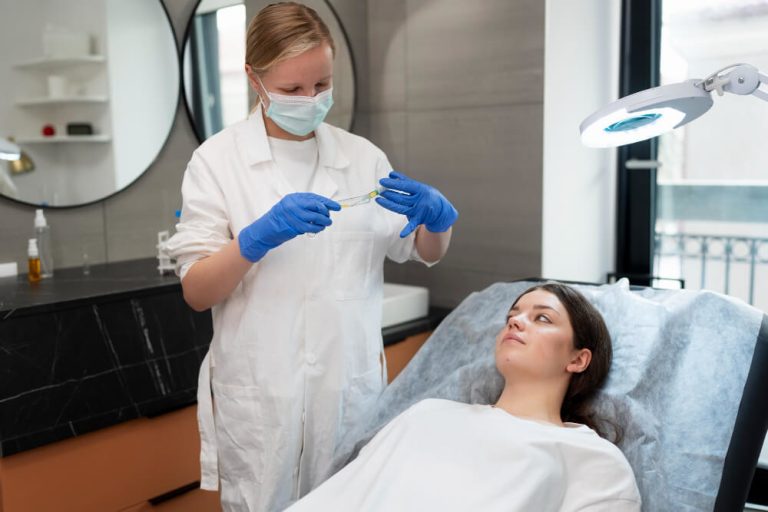
Once administered, typically through injection or topical application, the exosomes travel to the target tissue. There, they deliver their cargo of growth factors, anti-inflammatory proteins, and genetic material. This can stimulate the patient’s own cells to repair damage, reduce inflammation, and restore normal function.
Potential applications are incredibly broad and are being explored across many medical specialties. In aesthetics, exosome therapy is used for skin rejuvenation to reduce wrinkles and improve texture, as well as for hair restoration to stimulate dormant follicles. In orthopedics, it shows promise for repairing joint damage and reducing pain associated with osteoarthritis.

Why is Formal Exosome Training So Crucial?
As with any powerful medical technology, the potential for benefit comes with a responsibility to use it correctly. The field of exosomes is complex and rapidly evolving. Simply purchasing a vial of an exosome product and administering it without a deep understanding of the science is both irresponsible and potentially dangerous.
Formal training is essential to bridge the gap between the laboratory and the clinic. It ensures that practitioners are not just technicians but are true experts who can make informed decisions for their patients. This education goes far beyond a simple ‘how-to’ guide for injections.
Effective training provides a comprehensive framework for understanding the entire process, from the source of the exosomes to their effect on the patient’s body. It equips clinicians with the critical thinking skills needed to evaluate new products, interpret emerging research, and adapt their protocols as the science advances. Without this foundation, practitioners risk using suboptimal products, applying incorrect techniques, or failing to manage patient expectations and potential complications.

What Does Comprehensive Training Cover?
A high-quality training program delves into multiple critical areas. It begins with the fundamentals of exosome biology, including their biogenesis and mechanisms of action. A key component is learning about product sourcing and characterization. This involves understanding how to verify the purity, concentration, and contents of an exosome product to ensure it is safe and potent. Quality control is paramount in this field.
Furthermore, training must cover the specific clinical applications in detail. This includes learning the established protocols for various conditions, from aesthetic concerns to orthopedic injuries. It also involves understanding patient selection criteria to identify who is a good candidate for therapy and who is not. Finally, safety protocols, proper handling procedures, and sterile administration techniques are non-negotiable components of any credible program. The legal and regulatory aspects are also a major focus, as navigating this landscape is vital for a compliant practice. Gaining a full understanding of the legal and regulatory status of exosome products FDA guidelines is a cornerstone of responsible implementation.

What Should Practitioners Look for in a Training Program?
When evaluating exosome training options, practitioners should look for programs that are comprehensive, evidence-based, and taught by experienced leaders in the field. The curriculum should balance deep scientific theory with practical, hands-on skills that can be immediately applied in a clinical setting.
Look for a program that emphasizes a holistic and systems-based approach to patient care. Exosome therapy is rarely a standalone solution. It is most effective when integrated into a broader treatment plan that addresses the root causes of dysfunction, a core tenet of functional and regenerative medicine.

How is the Science of Exosomes Studied?
An essential part of any training is understanding the science and the tools used to advance it. Practitioners need to be familiar with the methods used to isolate, purify, and analyze exosomes. Techniques like differential ultracentrifugation, size exclusion chromatography, and nanoparticle tracking analysis are standard in the research world. A good program will explain these methods so clinicians can critically evaluate the quality of the products they use.
Staying current with the latest research is also vital. Organizations like the International Society for Extracellular Vesicles (ISEV) set the standards for research in the field and are a valuable resource. Similarly, learning about the technologies involved from leading life science companies provides insight into the tools that make this research possible, such as those used for studying exosomes and extracellular vesicles.

What are the Practical Skills Taught?
Beyond theory, practical skills are what make a practitioner effective. Training should include detailed instruction on patient assessment, treatment planning, and precise administration techniques. This includes learning the correct depths, dosages, and frequencies for different applications, whether it’s for facial aesthetics or joint injections.
Moreover, a great program teaches how to combine exosome therapy with other modalities for synergistic effects. For example, using exosomes after a microneedling or laser procedure can dramatically enhance skin rejuvenation results. It also involves understanding how to manage patient expectations and provide thorough post-procedure care instructions.

How Do Regulations Affect Practice?
The regulatory environment for regenerative medicine products, including exosomes, is complex and subject to change. A critical component of training is learning how to operate a compliant practice. This involves understanding the current guidelines set forth by regulatory bodies like the FDA regarding product claims, marketing, and approved uses.
Proper training ensures that practitioners can confidently explain the therapy to patients in a way that is both accurate and compliant. It protects both the patient and the provider by establishing a high standard of care and ethical practice. This knowledge is indispensable for building a sustainable and reputable clinic.

How Can Clinics Successfully Integrate Exosome Therapies?
For clinic owners and healthcare professionals, integrating exosome therapies into their practice represents a significant opportunity to offer cutting-edge treatments and improve patient outcomes. However, successful integration requires more than just clinical skill; it also demands business acumen.
One of the first practical hurdles is understanding the financial aspects of offering these advanced procedures. This includes sourcing high-quality products, setting appropriate pricing, and managing inventory. A crucial element that is often overlooked is the administrative side. Mastering the essentials of billing, coding, and pricing for exosome procedures is fundamental to creating a financially viable service line that can thrive long-term.
Effective patient communication and marketing are also key. Patients are increasingly savvy and will have questions about the science, safety, and cost of exosome therapy. A well-trained practitioner can answer these questions with confidence, building the trust that is essential for patient retention and referrals. Marketing these services requires an ethical approach that focuses on education and realistic outcomes rather than hype.

Where Do Exosomes Fit into Anti-Aging and Longevity?
Exosomes are not just for treating specific injuries or aesthetic concerns; they are a cornerstone of the future of anti-aging and longevity medicine. The aging process is, at its core, a decline in cellular communication and regenerative capacity. Exosomes have the potential to directly address this decline.
By reintroducing youthful, potent signaling molecules into an aging system, exosome therapy can help restore a more youthful cellular environment. This can lead to systemic benefits, improving energy levels, cognitive function, and overall vitality. It is part of a holistic strategy that views health as more than just the absence of disease.
This approach aligns perfectly with the principles of functional medicine, which seeks to understand the interconnectedness of all bodily systems. For example, cellular health is deeply intertwined with hormonal balance. Understanding the role of hormones in metabolic health and weight management provides a broader context for how regenerative therapies can support overall wellness. Exosomes can support cellular function, which in turn can help optimize metabolic and hormonal pathways.
To stay at the forefront, practitioners must be lifelong learners, constantly engaging with the latest scientific literature. Resources providing a detailed exosome research overview are invaluable for this. Following peer-reviewed publications like the Journal of Extracellular Vesicles ensures that clinical practice evolves alongside scientific discovery, offering patients the most advanced and effective care possible.
The journey into exosome medicine is a commitment to the future of healthcare. It is a field defined by immense promise and continuous discovery. For the clinicians who choose to embark on this path, rigorous training is the compass that will guide them, ensuring they can navigate this exciting new world with the skill, confidence, and integrity their patients deserve.
Frequently Asked Questions
How do patient-specific factors like age and injury severity influence the recommended exosome dosage?
The dosing protocol for localized exosome injections is highly personalized and not a one-size-fits-all approach. A clinician will carefully consider factors such as the patient’s age, overall metabolic health, and the specific condition being treated. For instance, an older individual with a chronic degenerative condition may require a different concentration and volume of exosomes compared to a younger athlete with an acute soft tissue injury.
Furthermore, the severity and location of the issue play a critical role in determining the final dose. A larger joint with significant damage, like an osteoarthritic knee, will likely necessitate a higher particle count of exosomes to adequately signal the surrounding tissues. In contrast, a smaller area like the wrist or a targeted treatment for scar tissue might respond effectively to a lower, more concentrated dose.

Is a single localized exosome injection typically sufficient, or is a series of treatments required?
While a single exosome injection can initiate a powerful regenerative response and provide significant relief, the need for subsequent treatments depends on the patient’s individual response and the nature of their condition. For many acute injuries or milder inflammatory conditions, one well-placed injection may be enough to resolve the issue by modulating inflammation and promoting tissue repair. The goal is to provide the body with the necessary signaling molecules to manage its own healing cascade.
For chronic or advanced degenerative diseases, such as advanced osteoarthritis, a series of injections may be recommended for optimal long-term results. A clinician will typically assess progress a few months after the initial treatment to determine if a follow-up injection is needed to augment or sustain the healing process. This staged approach allows the protocol to be adapted based on the tissue’s actual response to the therapy.

Are there increased risks associated with receiving a higher concentration or volume of exosomes in a single injection?
Exosome therapy is recognized for its high safety profile, primarily because the vesicles are acellular and do not typically provoke an immune response from the host. However, proper dosing is essential for both safety and efficacy, and a "more is better" approach does not apply. While higher concentrations are not inherently linked to systemic risks, they must be clinically justified for the specific target tissue.
An inappropriately high volume of fluid injected into a small, enclosed space like a joint capsule could cause temporary discomfort, swelling, or a feeling of pressure. More importantly, the therapeutic effect of exosomes is based on precise biological signaling, and oversaturating the area may not lead to better outcomes and could be wasteful. A qualified provider determines the optimal dose that maximizes therapeutic potential while ensuring patient comfort and safety.
Discover the most comprehensive functional medicine training, longevity training, and biohacking certification programs designed specifically for healthcare professionals, medics, and clinic owners who want to master regenerative medicine protocols and anti-aging therapies.